HIV Dynamics and Replication Program, CCR, National Cancer Institute, Frederick, Maryland, USA.
HIV Dynamics and Replication Program, CCR, National Cancer Institute, Frederick, Maryland, USA
mBio. 2021 Apr 8;12(2):e00568-21. doi: 10.1128/mBio.00568-21.
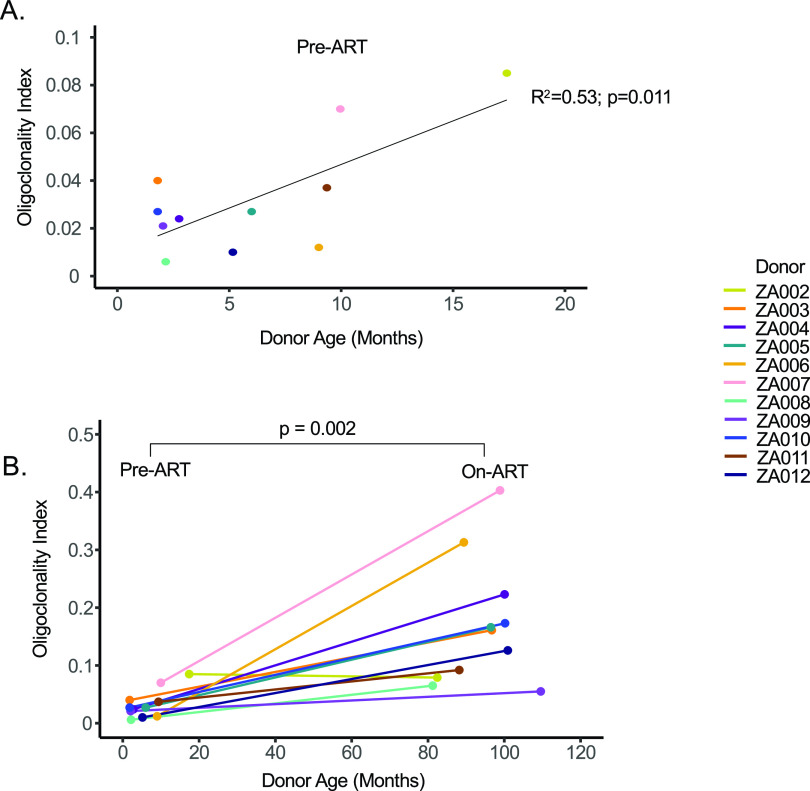
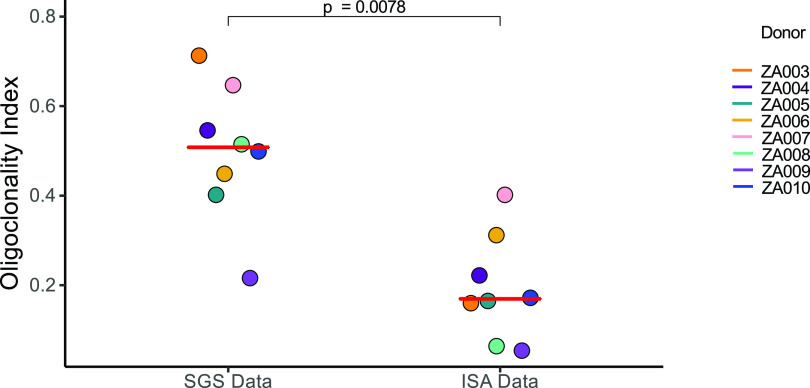
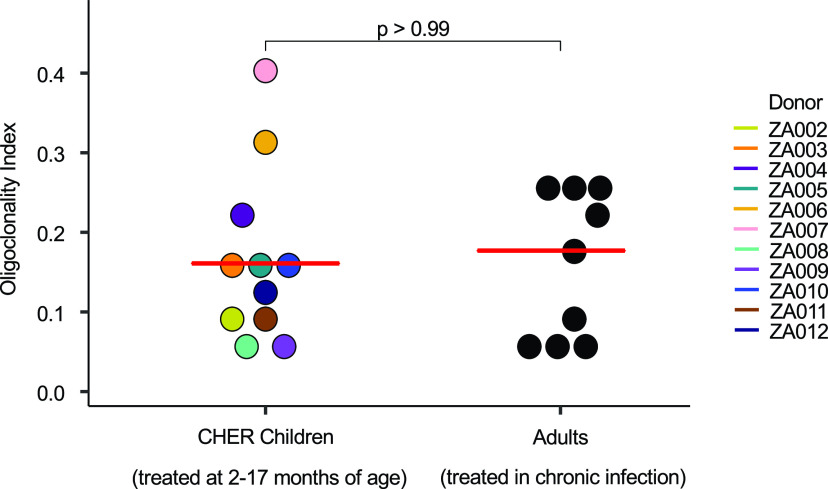
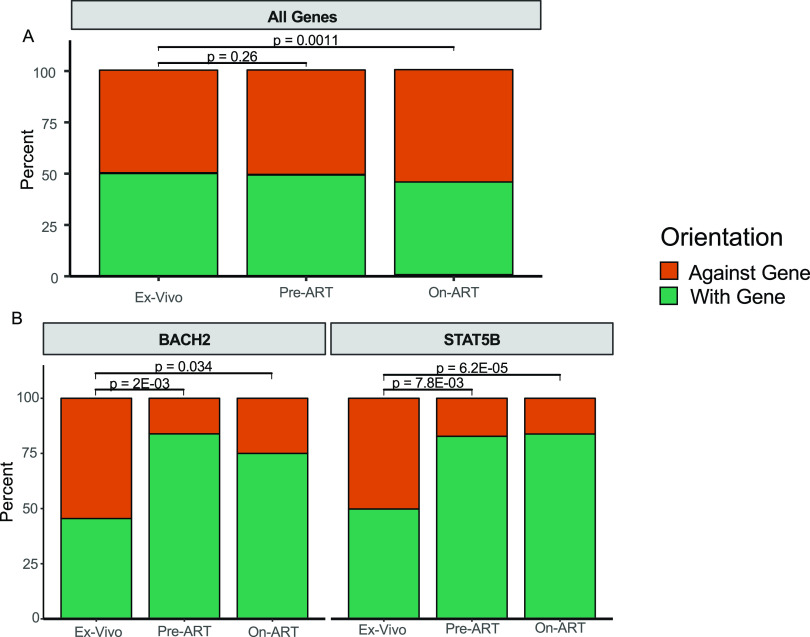
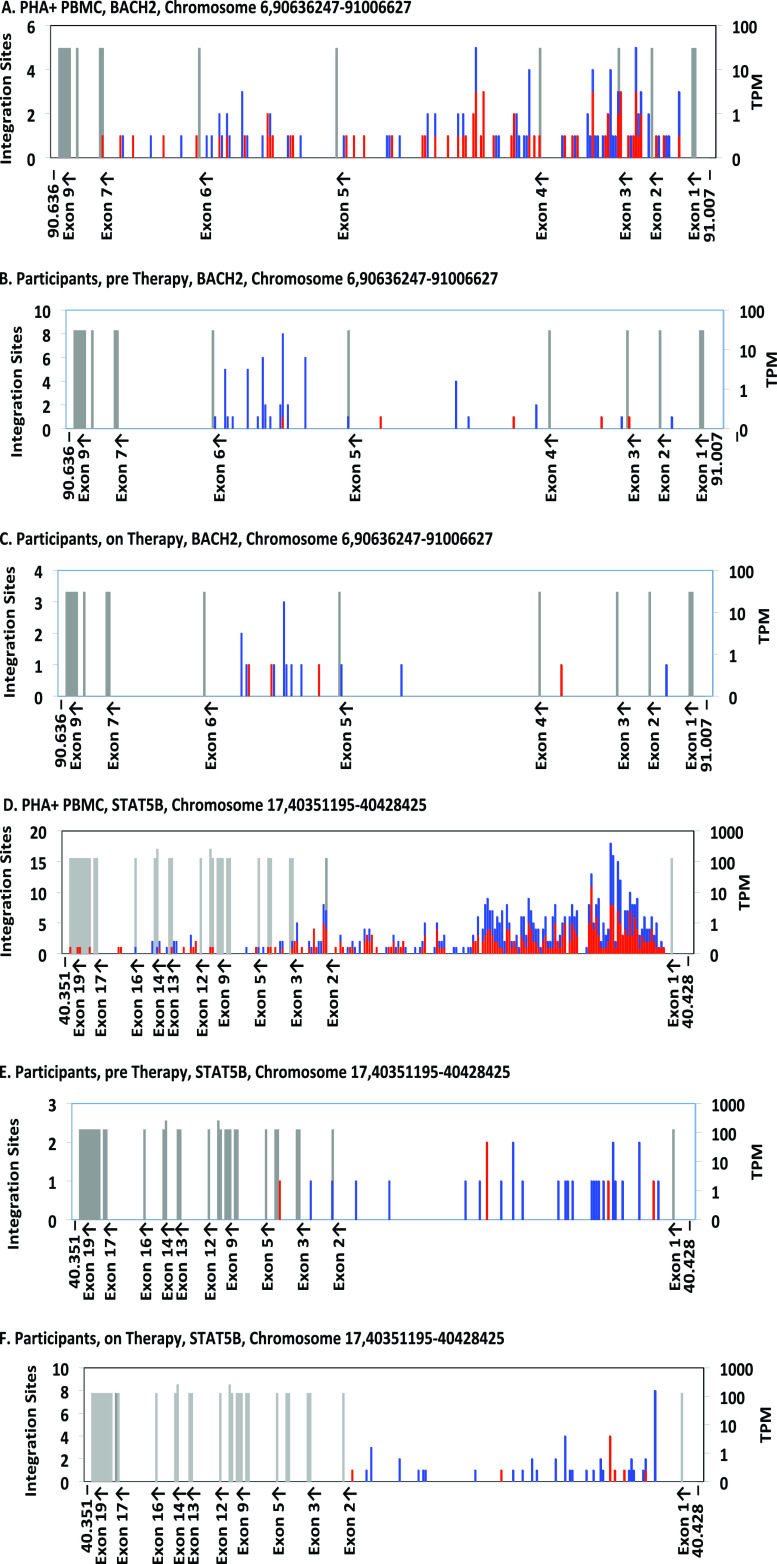
Little is known about the emergence and persistence of human immunodeficiency virus (HIV)-infected T-cell clones in perinatally infected children. We analyzed peripheral blood mononuclear cells (PBMCs) for clonal expansion in 11 children who initiated antiretroviral therapy (ART) between 1.8 and 17.4 months of age and with viremia suppressed for 6 to 9 years. We obtained 8,662 HIV type 1 (HIV-1) integration sites from pre-ART samples and 1,861 sites from on-ART samples. Expanded clones of infected cells were detected pre-ART in 10/11 children. In 8 children, infected cell clones detected pre-ART persisted for 6 to 9 years on ART. A comparison of integration sites in the samples obtained on ART with healthy donor PBMCs infected showed selection for cells with proviruses integrated in and Our analyses indicate that, despite marked differences in T-cell composition and dynamics between children and adults, HIV-infected cell clones are established early in children, persist for up to 9 years on ART, and can be driven by proviral integration in proto-oncogenes. HIV-1 integrates its genome into the DNA of host cells. Consequently, HIV-1 genomes are copied with the host cell DNA during cellular division. Pediatric immune systems differ significantly from adults, consisting primarily of naive T cells, which have low expression of the HIV-1 coreceptor CCR5. This difference may result in variances in the number or size of infected cell clones that persist in children on ART. Here, we provide the most extensive analysis of the integration landscape of HIV-1 in children. We found that, despite the largely naive cell populations in neonatal immune systems, patterns of HIV-1 integration and the size of infected cell clones are as large and widespread as those in adults. Furthermore, selection for integration events in proto-oncogenes were observed in children despite early ART. If such cell clones persist for the life span of these individuals, there may be long-term consequences that have yet to be realized.
关于人类免疫缺陷病毒 (HIV) 感染的 T 细胞克隆在围生期感染儿童中的出现和持续存在,人们知之甚少。我们分析了 11 名儿童的外周血单核细胞 (PBMC),这些儿童在 1.8 至 17.4 个月时开始接受抗逆转录病毒治疗 (ART),并且在 6 至 9 年内病毒血症得到抑制。我们从 ART 前样本中获得了 8662 个 HIV 1 型 (HIV-1) 整合位点,从 ART 样本中获得了 1861 个整合位点。在 11 名儿童中,有 10 名儿童在 ART 前检测到感染细胞的克隆扩增。在 8 名儿童中,在 ART 前检测到的受感染细胞克隆在 ART 上持续存在了 6 至 9 年。与用健康供体 PBMC 感染的细胞进行比较显示,在整合位点中选择了带有前病毒整合到 内的细胞。我们的分析表明,尽管儿童和成人的 T 细胞组成和动力学存在显著差异,但 HIV 感染细胞克隆在儿童早期就已建立,在 ART 上可维持长达 9 年,并且可以由原癌基因中的前病毒整合驱动。HIV-1 将其基因组整合到宿主细胞的 DNA 中。因此,在细胞分裂过程中,HIV-1 基因组与宿主细胞 DNA 一起被复制。儿科免疫系统与成人有很大的不同,主要由幼稚 T 细胞组成,幼稚 T 细胞对 HIV-1 核心受体 CCR5 的表达水平较低。这种差异可能导致在接受 ART 的儿童中持续存在的感染细胞克隆的数量或大小发生变化。在这里,我们对儿童中 HIV-1 的整合景观进行了最广泛的分析。我们发现,尽管新生儿免疫系统中的 T 细胞主要是幼稚细胞,但 HIV-1 整合的模式和感染细胞克隆的大小与成人一样大且广泛。此外,尽管早期 ART 已经开始,但在儿童中也观察到了对原癌基因整合事件的选择。如果这些细胞克隆持续存在于这些个体的整个生命周期中,可能会产生尚未意识到的长期后果。