Institute of Marine Research, Bergen, Norway.
Front Endocrinol (Lausanne). 2021 Mar 23;12:560055. doi: 10.3389/fendo.2021.560055. eCollection 2021.
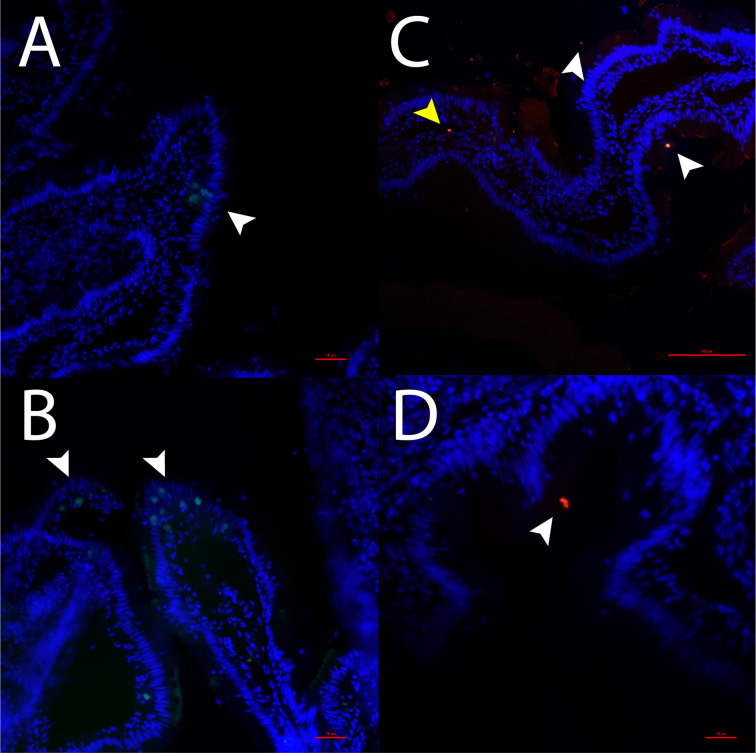
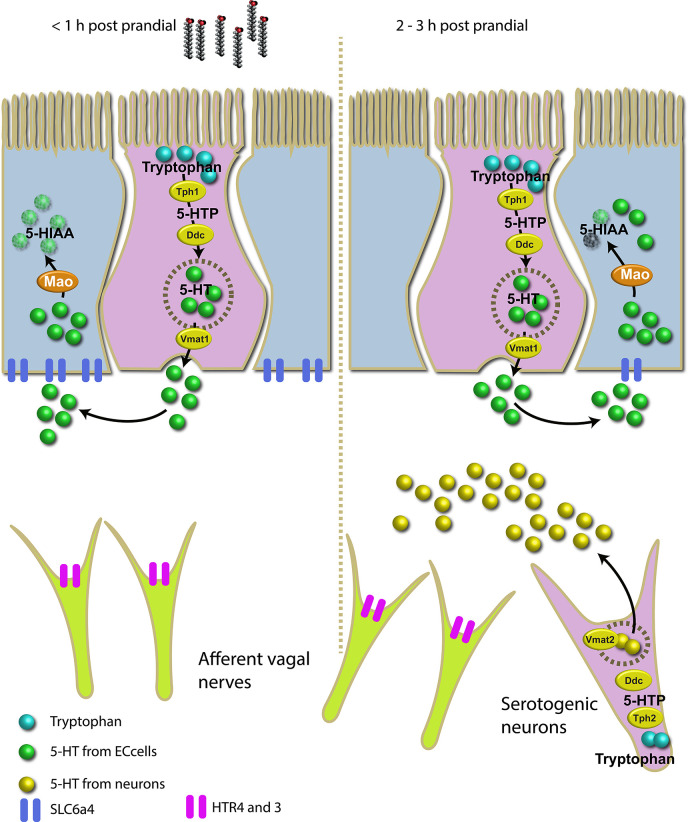
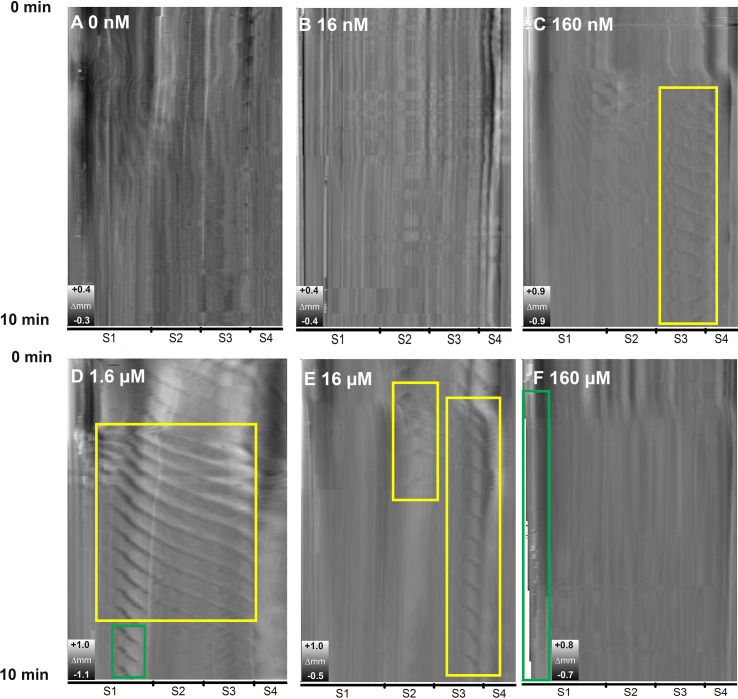
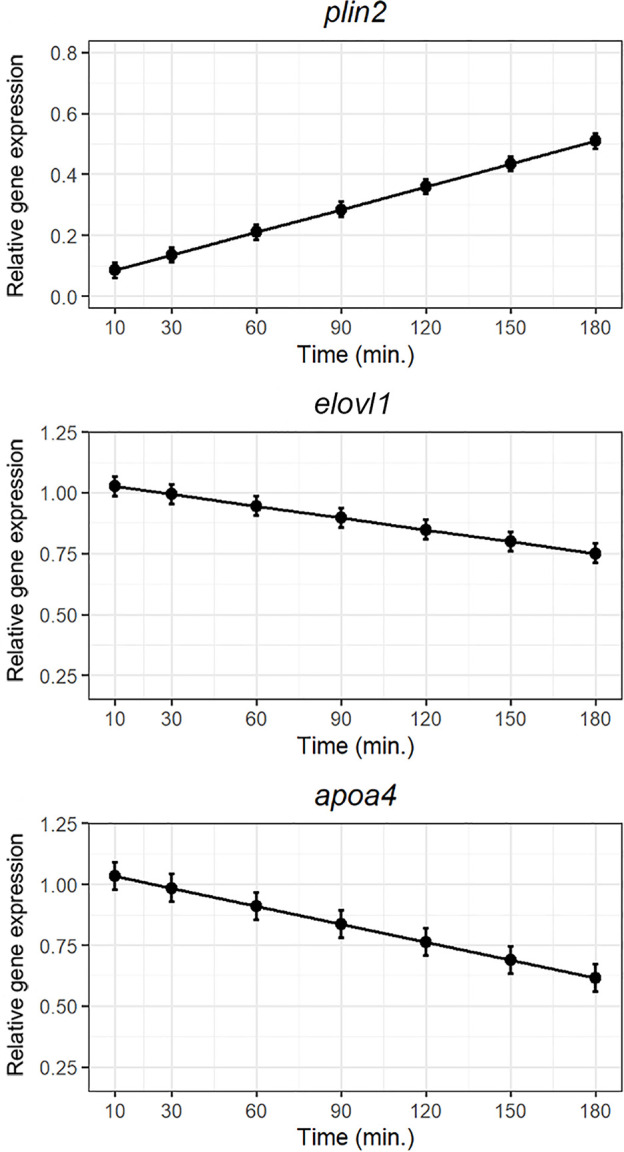
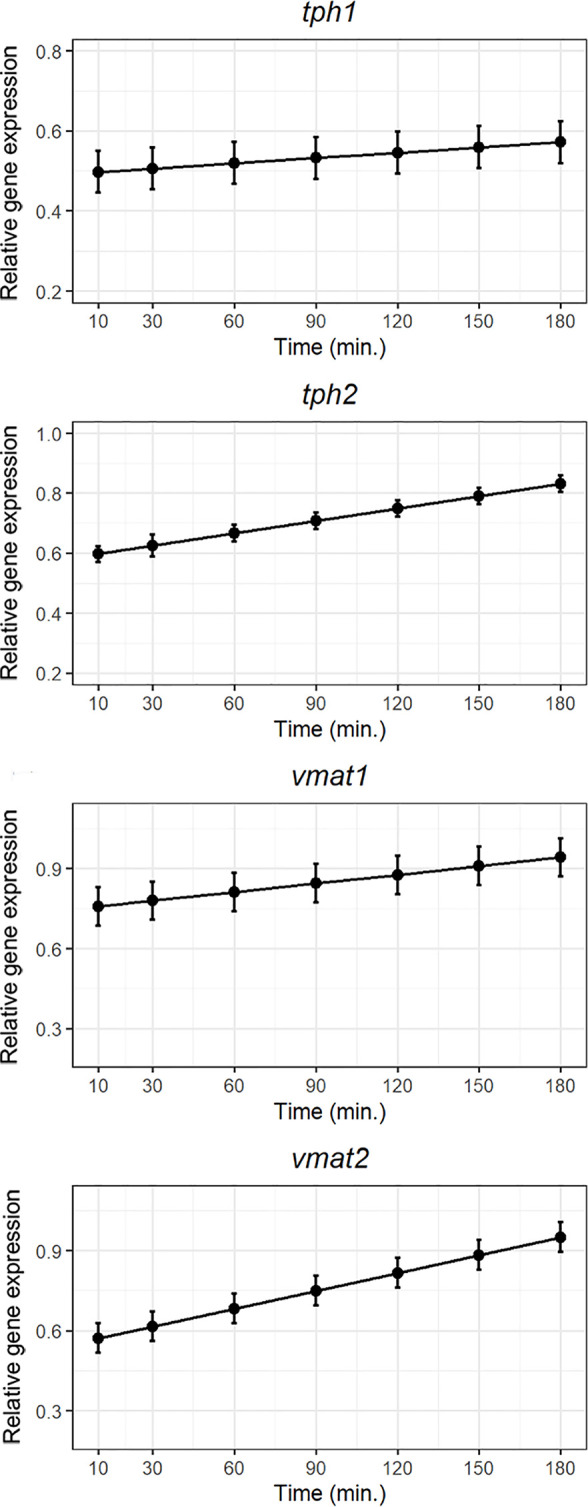
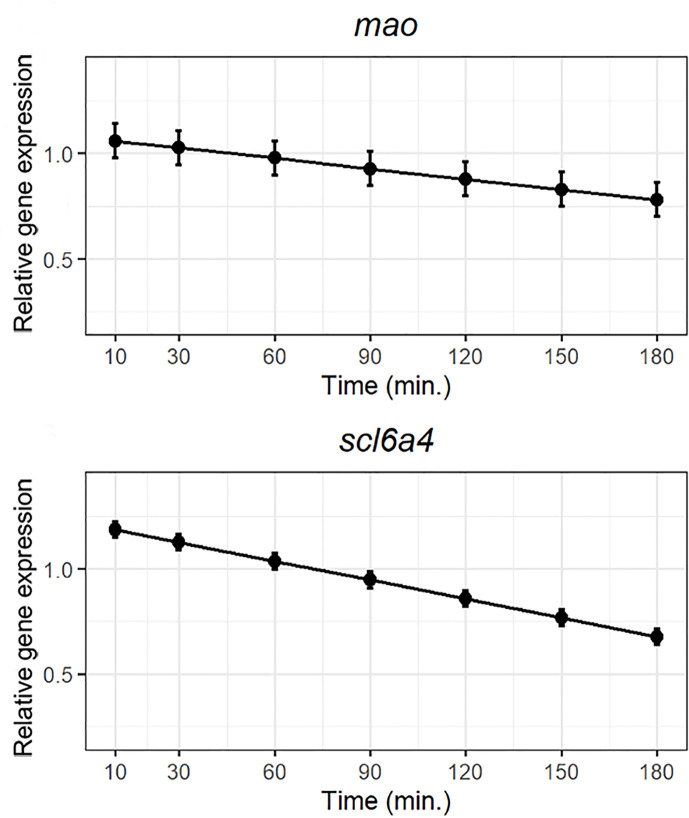
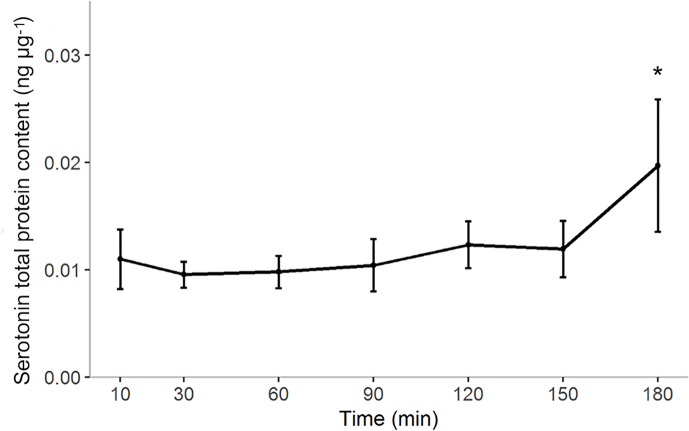
Serotonin (5-HT) is pivotal in the complex regulation of gut motility and consequent digestion of nutrients multiple receptors. We investigated the serotonergic system in an agastric fish species, the ballan wrasse as it represents a unique model for intestinal function. Here we present evidence of the presence of enterochromaffin cells (EC cells) in the gut of ballan wrasse comprising transcriptomic data on EC markers like , as well as the localization of 5-HT and mRNA of the rate limiting enzyme; tryptophan hydroxylase () in the gut epithelium. Second, we examined the effects of dietary marine lipids on the enteric serotonergic system in this stomach-less teleost by administrating a hydrolyzed lipid bolus in ex vivo guts in an organ bath system. Modulation of the mRNA expression from the tryptophan hydroxylase (EC cells isoform), (neural isoform), and other genes involved in the serotonergic machinery were tracked. Our results showed no evidence to confirm that the dietary lipid meal did boost the production of 5-HT within the EC cells as mRNA was weakly regulated postprandially. However, dietary lipid seemed to upregulate the post-prandial expression of found in the serotonergic neurons. 5-HT in the intestinal tissue increased 3 hours after "exposure" of lipids, as was observed in the mRNA expression of . This suggest that serotonergic neurons and not EC cells are responsible for the substantial increment of 5-HT after a lipid-reach "meal" in ballan wrasse. Cells expressing were identified in the gut epithelium, characteristic for EC cells. However, Tph1 positive cells were also present in the lamina propria. Characterization of these cells together with their implications in the serotonergic system will contribute to broad the scarce knowledge of the serotonergic system across teleosts.
血清素(5-HT)在复杂的肠道动力调节和随后的营养物质消化中起着关键作用,涉及多种受体。我们研究了一种无胃鱼类——颊鲈的血清素能系统,因为它代表了肠道功能的独特模型。在这里,我们提出了肠嗜铬细胞(EC 细胞)存在于颊鲈肠道中的证据,包括 EC 标志物如 的转录组数据,以及 5-HT 和限速酶色氨酸羟化酶()mRNA 在肠道上皮中的定位。其次,我们通过在器官浴系统中在离体肠道中给予水解脂质丸,检查了饮食中海油对这种无胃硬骨鱼肠道肠嗜铬能系统的影响。跟踪了色氨酸羟化酶(EC 细胞同工型)、(神经同工型)和其他参与血清素机制的基因的 mRNA 表达的调节。我们的结果没有证据表明膳食脂质餐确实会促进 EC 细胞内 5-HT 的产生,因为 mRNA 餐后表达较弱。然而,膳食脂质似乎上调了餐后在肠嗜铬能神经元中发现的 。在“暴露”脂质 3 小时后,肠道组织中的 5-HT 增加,如 mRNA 表达所示。这表明在颊鲈中,脂质“餐”后,血清素能神经元而不是 EC 细胞负责 5-HT 的大量增加。在肠道上皮中鉴定出表达 的细胞,这是 EC 细胞的特征。然而,在固有层中也存在 Tph1 阳性细胞。这些细胞的特征及其在血清素能系统中的作用将有助于广泛了解硬骨鱼类的血清素能系统。