Department of Molecular Biophysics and Biochemistry, Yale University, New Haven, CT, United States.
Department of Molecular Biophysics and Biochemistry, Yale University, New Haven, CT, United States.
Enzymes. 2020;48:351-395. doi: 10.1016/bs.enz.2020.06.004. Epub 2020 Sep 8.
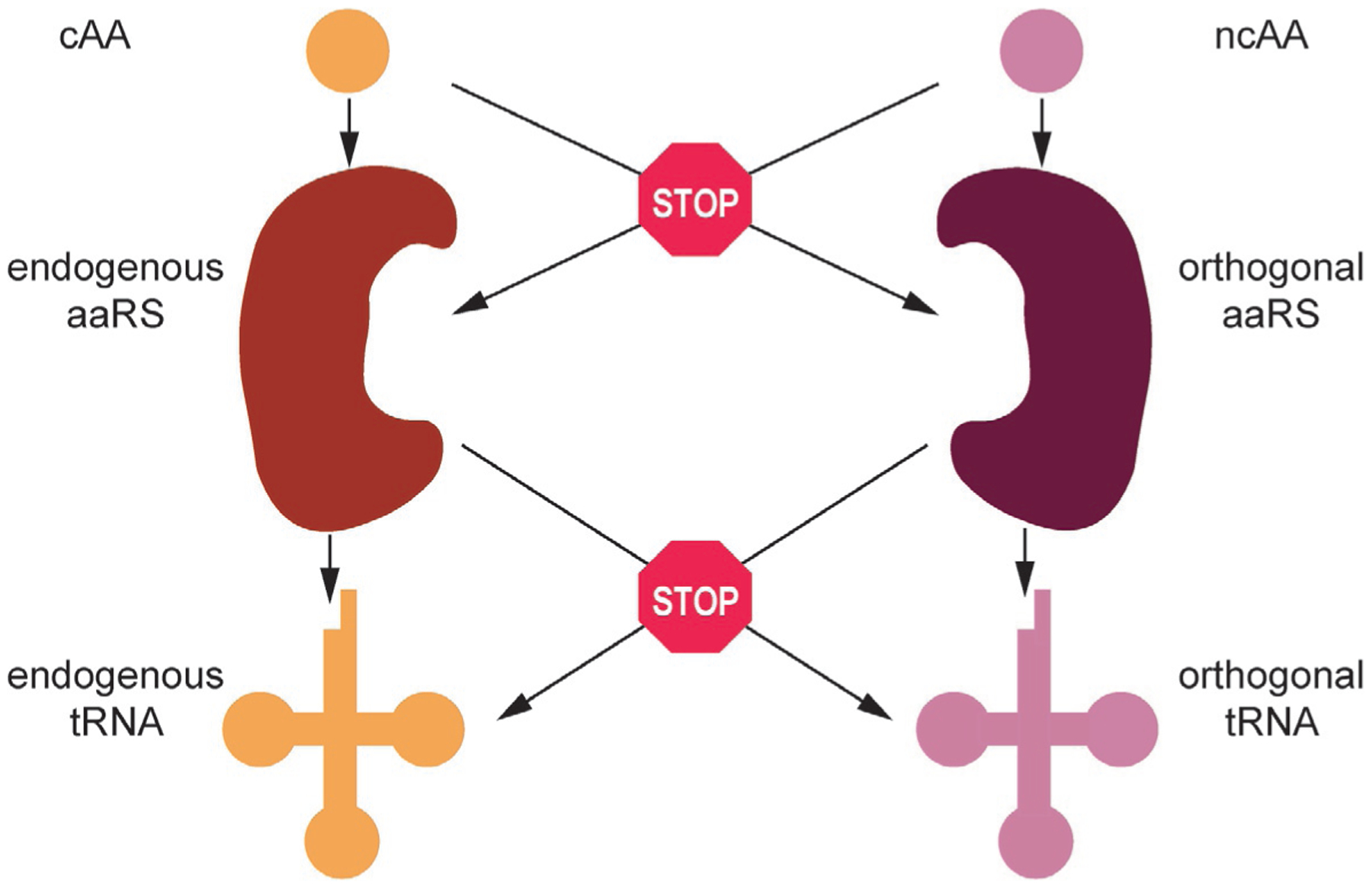
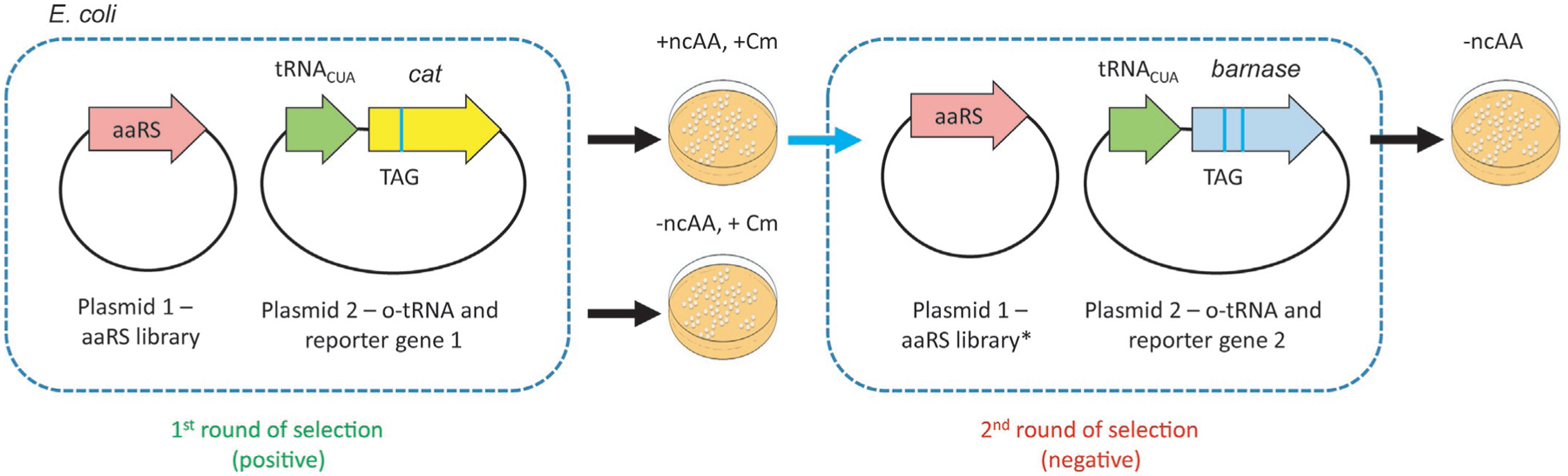
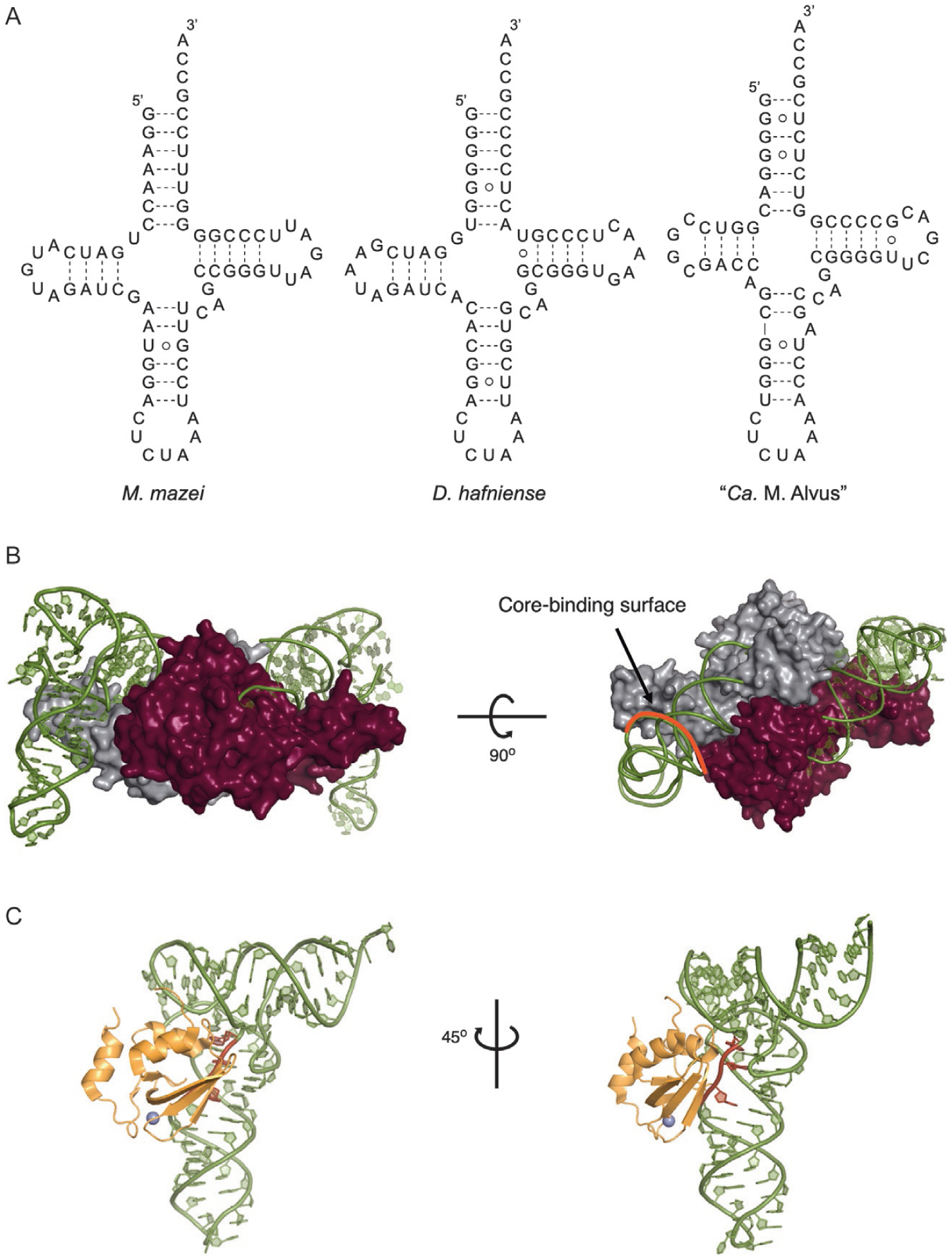
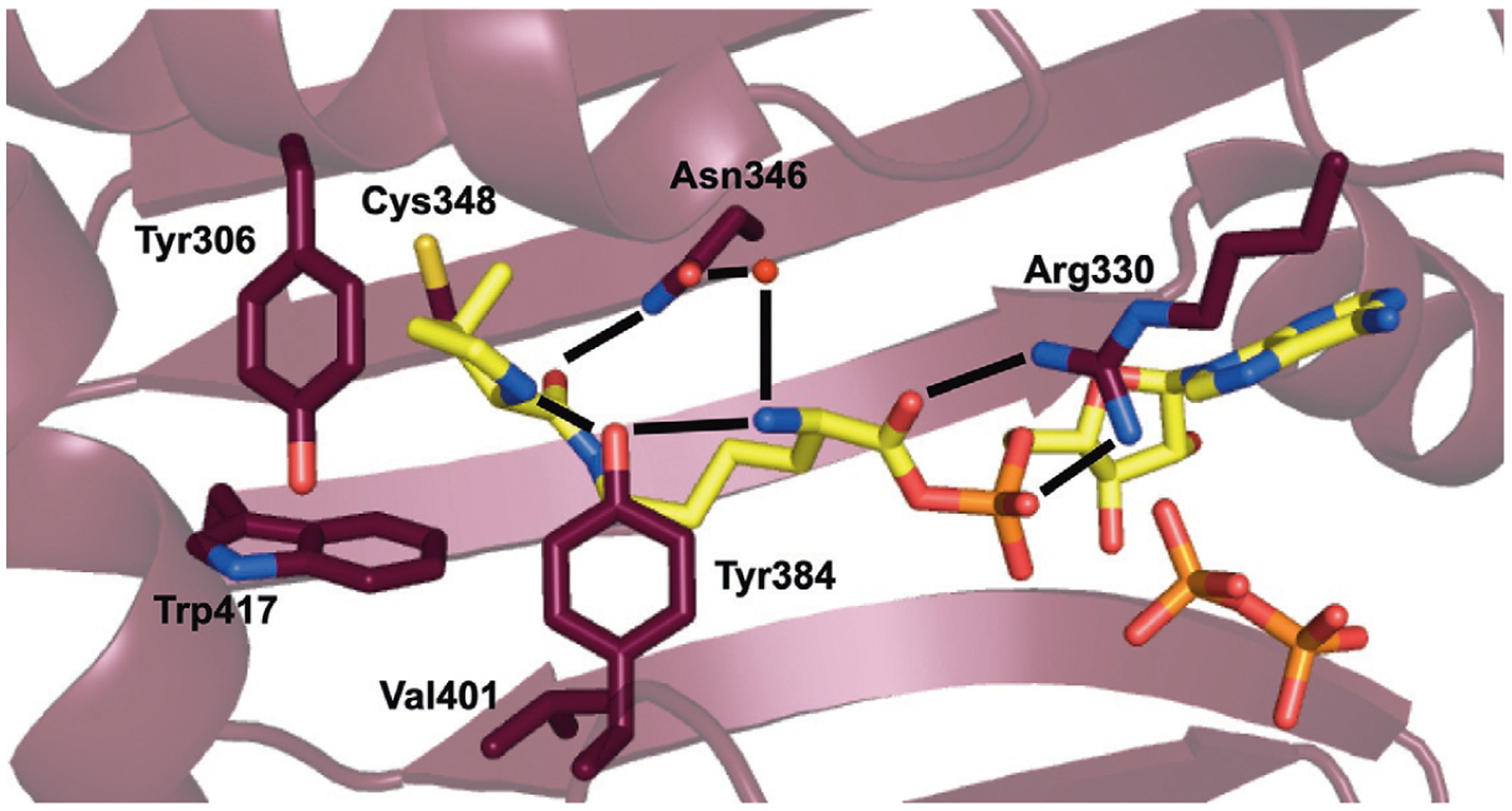
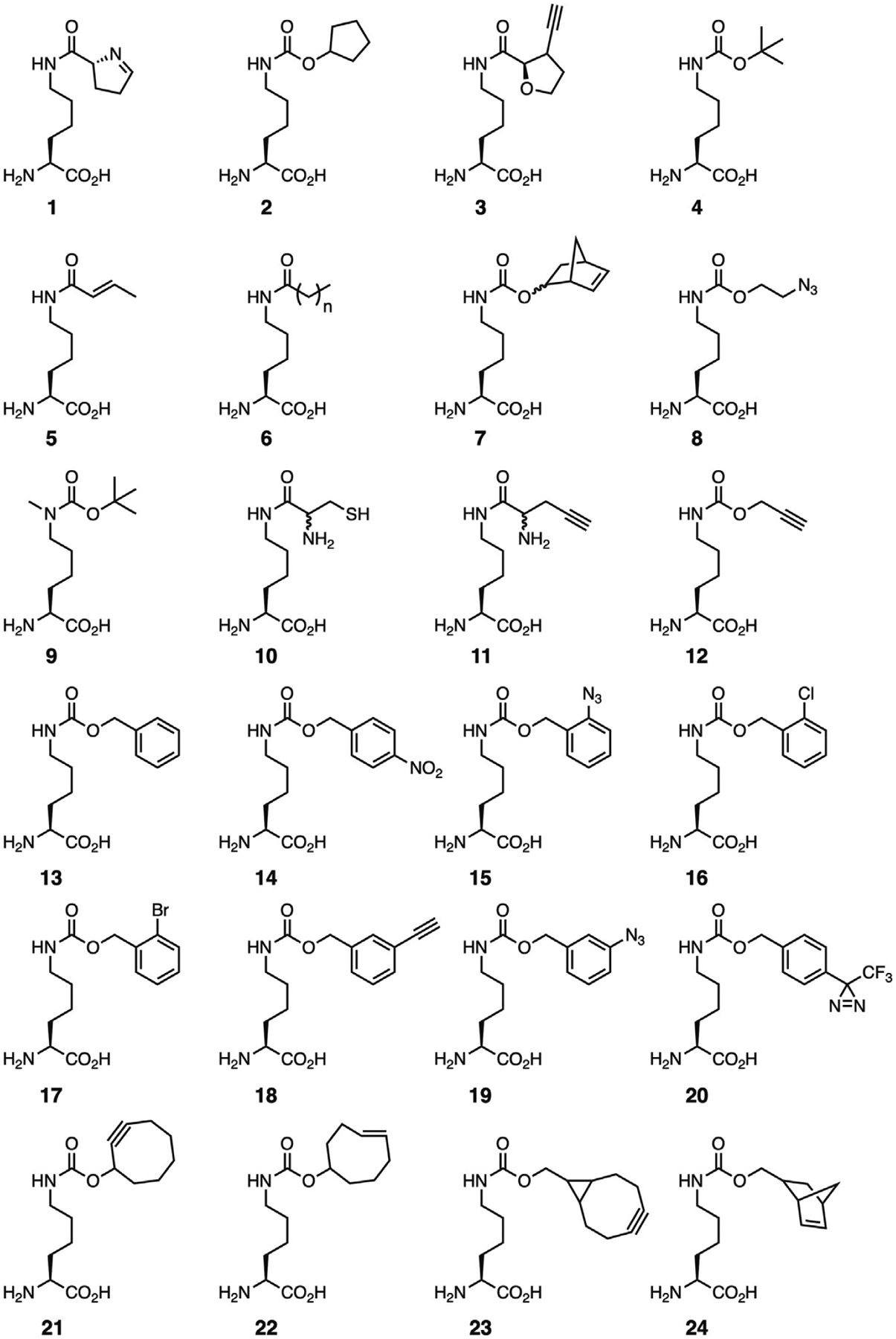
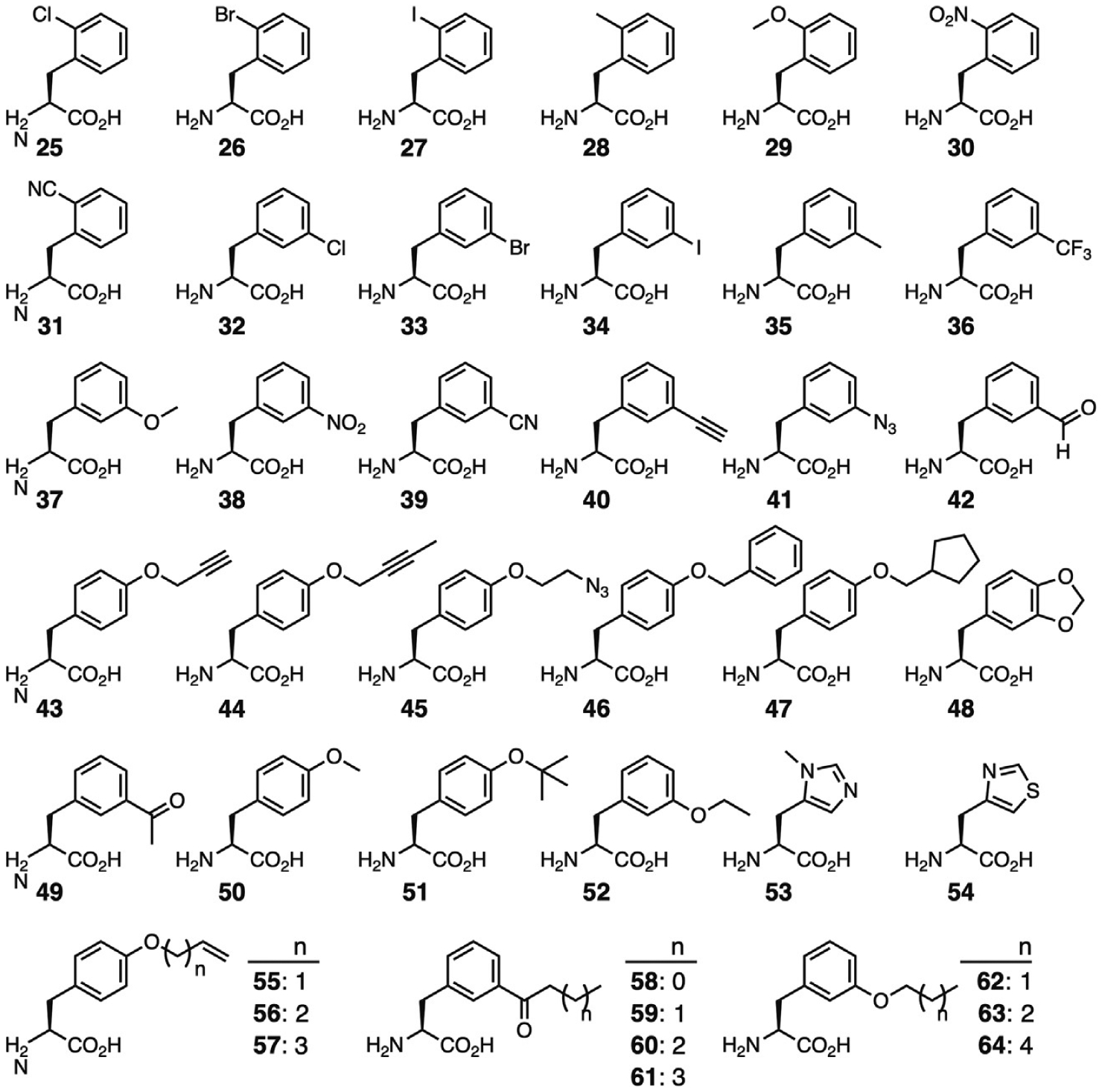
Within the broad field of synthetic biology, genetic code expansion (GCE) techniques enable creation of proteins with an expanded set of amino acids. This may be invaluable for applications in therapeutics, bioremediation, and biocatalysis. Central to GCE are aminoacyl-tRNA synthetases (aaRSs) as they link a non-canonical amino acid (ncAA) to their cognate tRNA, allowing ncAA incorporation into proteins on the ribosome. The ncAA-acylating aaRSs and their tRNAs should not cross-react with 20 natural aaRSs and tRNAs in the host, i.e., they need to function as an orthogonal translating system. All current orthogonal aaRS•tRNA pairs have been engineered from naturally occurring molecules to change the aaRS's amino acid specificity or assign the tRNA to a liberated codon of choice. Here we discuss the importance of orthogonality in GCE, laboratory techniques employed to create designer aaRSs and tRNAs, and provide an overview of orthogonal aaRS•tRNA pairs for GCE purposes.
在合成生物学的广阔领域中,遗传密码扩展(GCE)技术可用于创建具有扩展氨基酸集的蛋白质。这对于治疗学、生物修复和生物催化等应用可能非常有价值。GCE 的核心是氨酰-tRNA 合成酶(aaRS),因为它们将非天然氨基酸(ncAA)与它们的对应 tRNA 连接起来,从而允许 ncAA 在核糖体上将 ncAA 掺入蛋白质中。ncAA 酰化 aaRS 和它们的 tRNA 不应与宿主中的 20 种天然 aaRS 和 tRNA 发生交叉反应,也就是说,它们需要作为正交翻译系统发挥作用。所有当前的正交 aaRS•tRNA 对都是通过工程化从天然存在的分子中构建的,以改变 aaRS 的氨基酸特异性或将 tRNA 分配给所选的自由密码子。在这里,我们讨论了 GCE 中正交性的重要性、用于创建设计 aaRS 和 tRNA 的实验室技术,并概述了用于 GCE 的正交 aaRS•tRNA 对。