Department of Neurosurgery, Neurosciences Centre, All India Institute of Medical Sciences, Room No. 607, New Delhi, 110029, India.
Department of Neurology, All India Institute of Medical Sciences, New Delhi, India.
Childs Nerv Syst. 2021 Oct;37(10):3219-3224. doi: 10.1007/s00381-021-05048-4. Epub 2021 Apr 10.
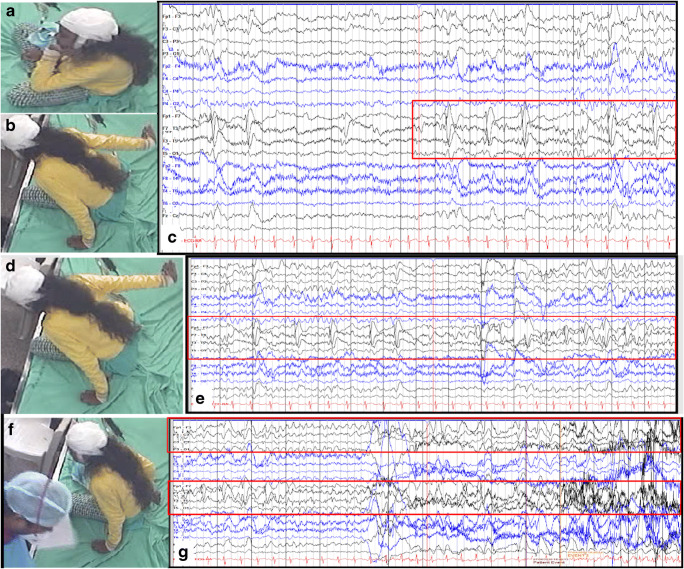
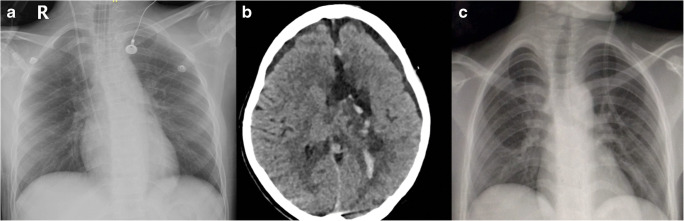
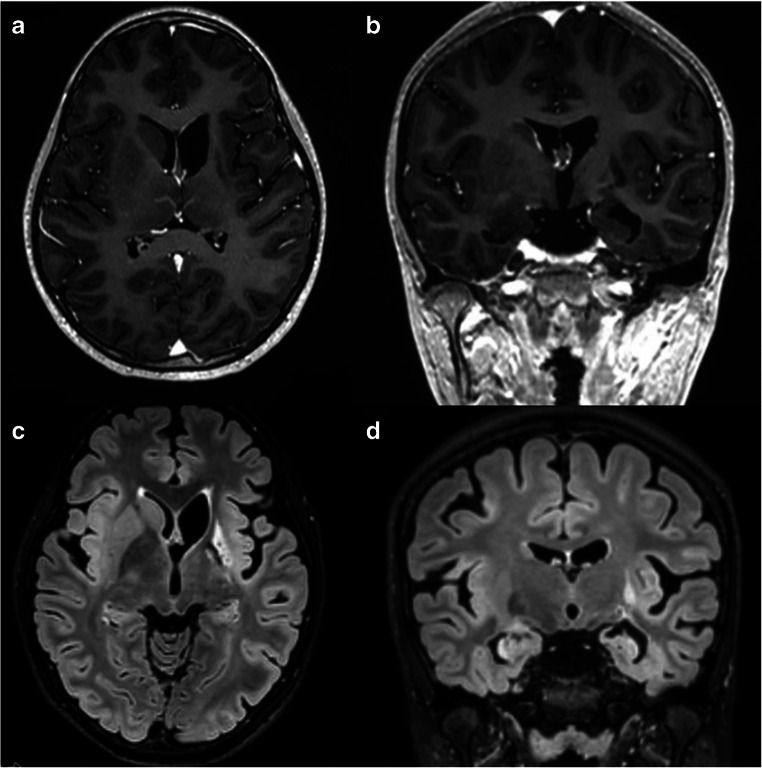
The COVID-19 pandemic has forced hospitals to prioritize admissions. Epilepsy surgeries have been postponed at most centers. As the pandemic continues with no definite end in sight in the near future, the question arises until when such patients should be denied appropriate treatment. A 12-year-old child with left-sided Rasmussen's encephalitis with drug refractory epilepsy (DRE) presented at the height of the pandemic, with worsening of seizure frequency from 4-5/day to 20/day, with new-onset epilepsia partialis continua. She demonstrated features of progressive cognitive decline. The pros and cons of operating during the pandemic were discussed with the parents by a multidisciplinary team. She underwent endoscopic left hemispherotomy. Postoperatively she became seizure free but developed hospital-acquired mild COVID infection for which she was treated accordingly. Chosen cases of severe DRE, as the one illustrated above, who are deemed to benefit from surgery by a multidisciplinary team of physicians, should be re-categorized into the most severe class of patients and scheduled for surgery as soon as possible. The risk benefit ratio of the seizures being mitigated by surgery on one hand and possibility of acquiring COVID infection during hospital stay has to be balanced and a decision made accordingly.
新冠疫情大流行迫使医院优先安排入院。大多数中心都推迟了癫痫手术。随着疫情持续,近期内看不到明确的结束迹象,人们不禁要问,应该在何时拒绝为这些患者提供适当的治疗。一名 12 岁的儿童患有左侧拉森氏脑炎伴药物难治性癫痫(DRE),在疫情高峰期就诊,癫痫发作频率从每天 4-5 次增加到每天 20 次,伴有新发作的部分性癫痫持续状态。她表现出认知能力进行性下降的特征。多学科团队与家长讨论了在疫情期间手术的利弊。她接受了内镜左侧大脑半球切开术。术后她无癫痫发作,但出现医院获得性轻度新冠感染,随后进行了相应治疗。应将严重 DRE 的病例(如上所述)重新归类为最严重的患者类别,并尽快安排手术。手术缓解癫痫发作的风险效益比与住院期间感染新冠的可能性必须平衡,并做出相应的决策。