Erdogan Altug Alp, Yilmazoglu Mustafa Zeki
Anadolu Plasma Technology Center, Gazi University, Golbasi Campus, Teknoplaza, Block C, 23, Ankara, 06830, Turkey.
Gazi University, Faculty of Engineering, Department of Mechanical Engineering, Ankara, Turkey.
Int J Hydrogen Energy. 2021 Aug 18;46(57):29108-29125. doi: 10.1016/j.ijhydene.2020.12.069. Epub 2020 Dec 31.
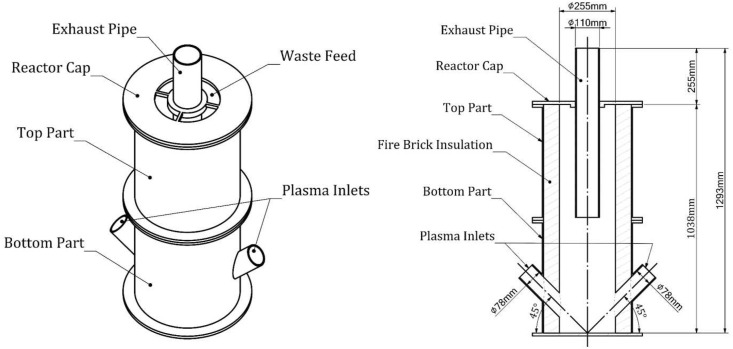
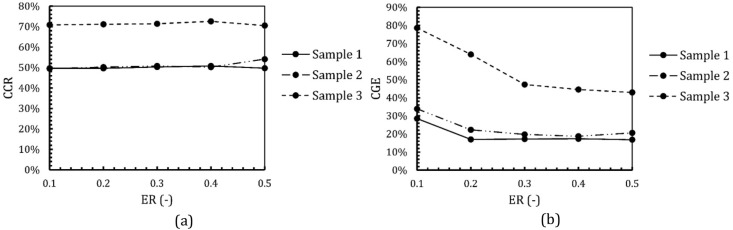
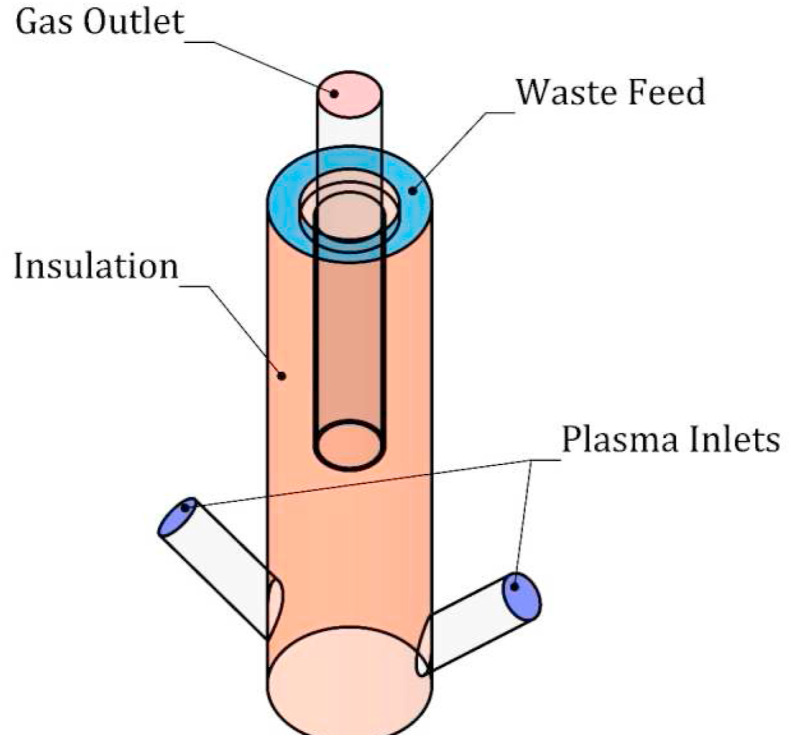
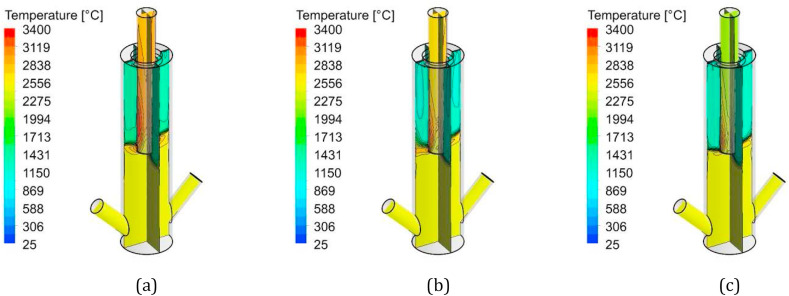
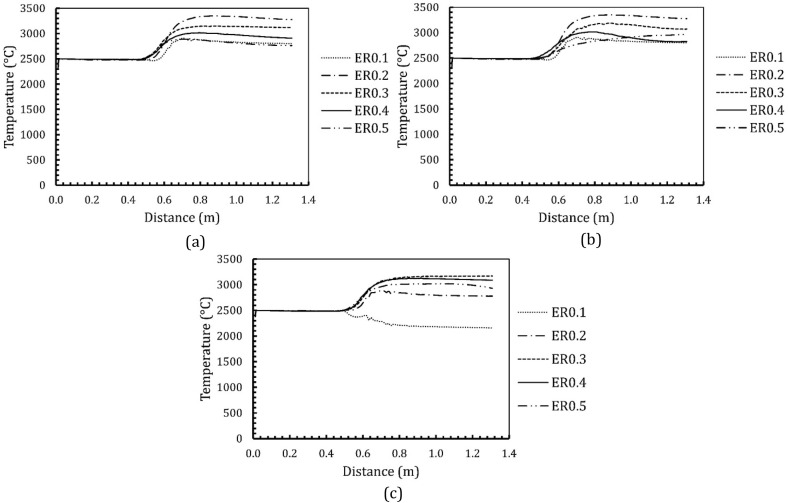
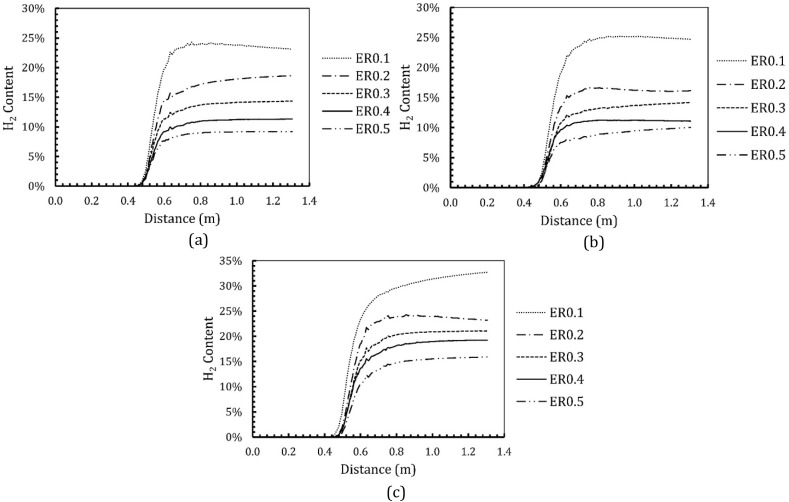
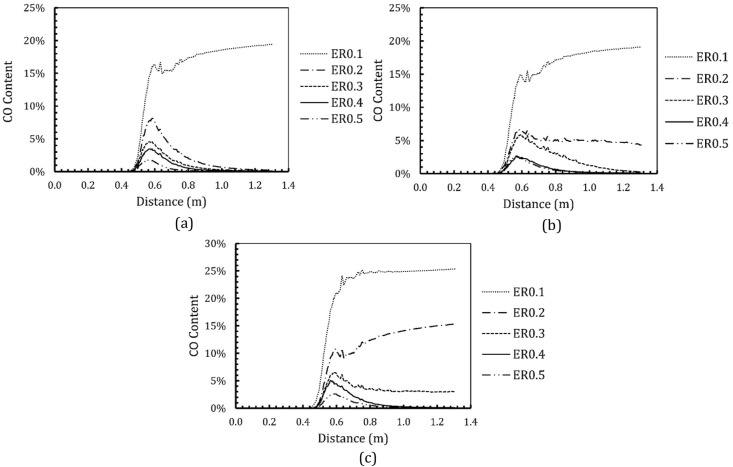
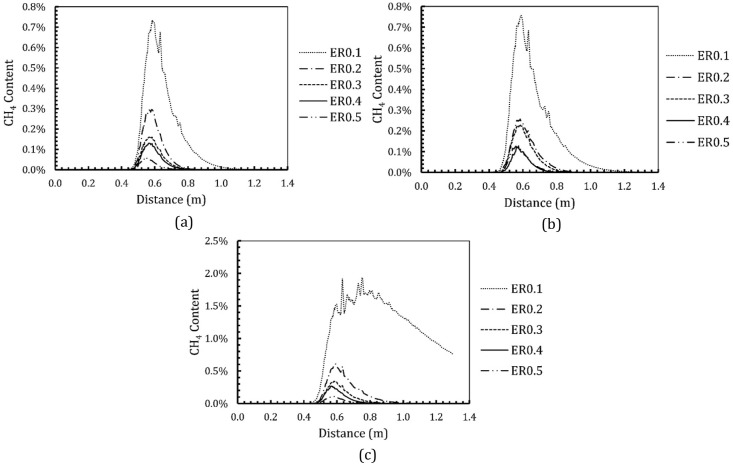
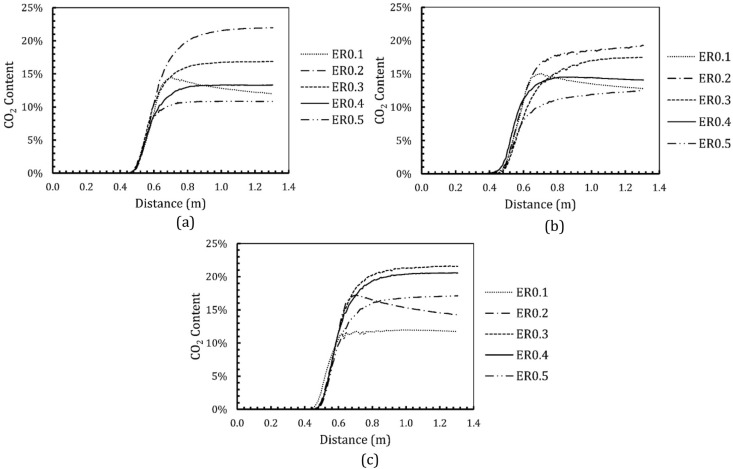
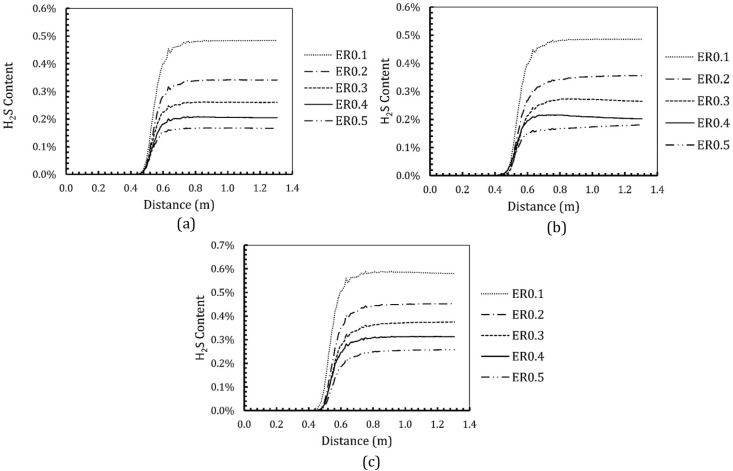
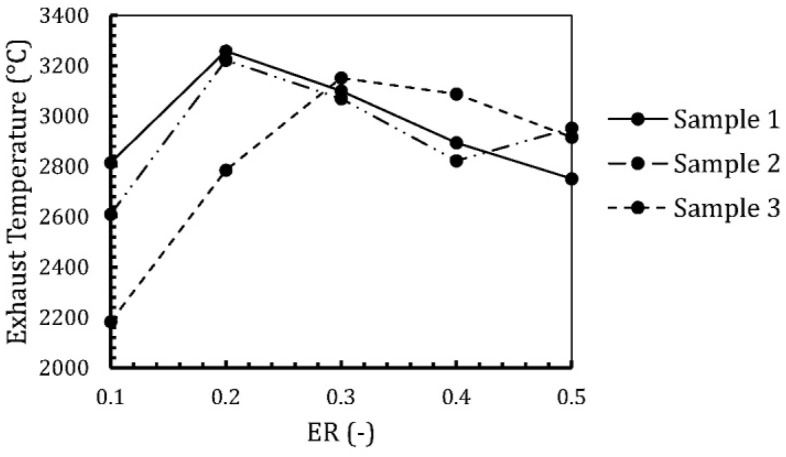
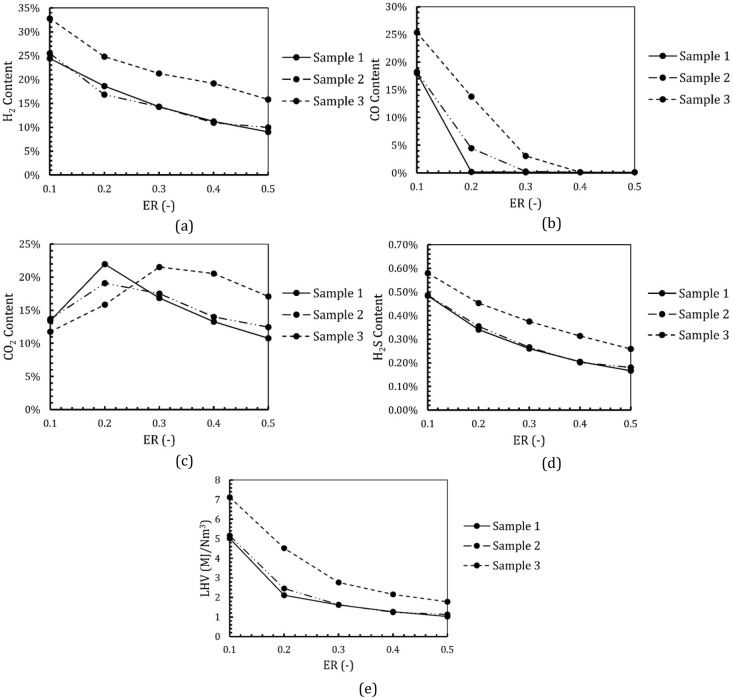
In terms of infection control in hospitals, especially the Covid-19 pandemic that we are living in, it has revealed the necessity of proper disposal of medical waste. The increasing amount of medical waste with the pandemic is straining the capacity of incineration facilities or storage areas. Converting this waste to energy with gasification technologies instead of incineration is also important for sustainability. This study investigates the gasification characteristics of the medical waste in a novel updraft plasma gasifier with numerical simulations in the presence of the plasma reactions. Three different medical waste samples, chosen according to the carbon content and five different equivalence ratios (ER) ranging from 0.1 to 0.5 are considered in the simulations to compare the effects of different chemical compositions and waste feeding rates on hydrogen (H) content and syngas production. The outlet properties of a 10 kW microwave air plasma generator are used to define the plasma inlet in the numerical model and the air flow rate is held constant for all cases. Results showed that the maximum H production can be obtained with ER = 0.1 for all waste samples.
在医院感染控制方面,尤其是在我们所处的新冠疫情期间,这凸显了妥善处理医疗废物的必要性。随着疫情的发展,医疗废物数量不断增加,给焚烧设施或储存区域的容量带来了压力。采用气化技术而非焚烧将这种废物转化为能源,对可持续发展也很重要。本研究通过数值模拟,在存在等离子体反应的情况下,研究了新型上吸式等离子体气化炉中医疗废物的气化特性。在模拟中考虑了根据碳含量选择的三种不同医疗废物样品以及范围从0.1到0.5的五个不同当量比(ER),以比较不同化学成分和废物进料速率对氢气(H)含量和合成气产量的影响。数值模型中使用10千瓦微波空气等离子体发生器的出口特性来定义等离子体入口,并且在所有情况下空气流速保持恒定。结果表明,对于所有废物样品,当量比为0.1时可获得最大氢气产量。