Chavva Hasitha, Brazeau Daniel A, Denvir James, Primerano Donald A, Fan Jun, Seeley Sarah L, Rorabaugh Boyd R
Department of Pharmaceutical Science, Marshall University School of Pharmacy, 1 John Marshall Drive, Huntington, WV, 25755, USA.
Department of Pharmacy Practice, Administration, and Research, Marshall University School of Pharmacy, 1 John Marshall Drive, Huntington, WV, 25755, USA.
BMC Genomics. 2021 Apr 12;22(1):259. doi: 10.1186/s12864-021-07561-x.
Prior work demonstrated that female rats (but not their male littermates) exposed to methamphetamine become hypersensitive to myocardial ischemic injury. Importantly, this sex-dependent effect persists following 30 days of subsequent abstinence from the drug, suggesting that it may be mediated by long term changes in gene expression that are not rapidly reversed following discontinuation of methamphetamine use. The goal of the present study was to determine whether methamphetamine induces sex-dependent changes in myocardial gene expression and whether these changes persist following subsequent abstinence from methamphetamine.
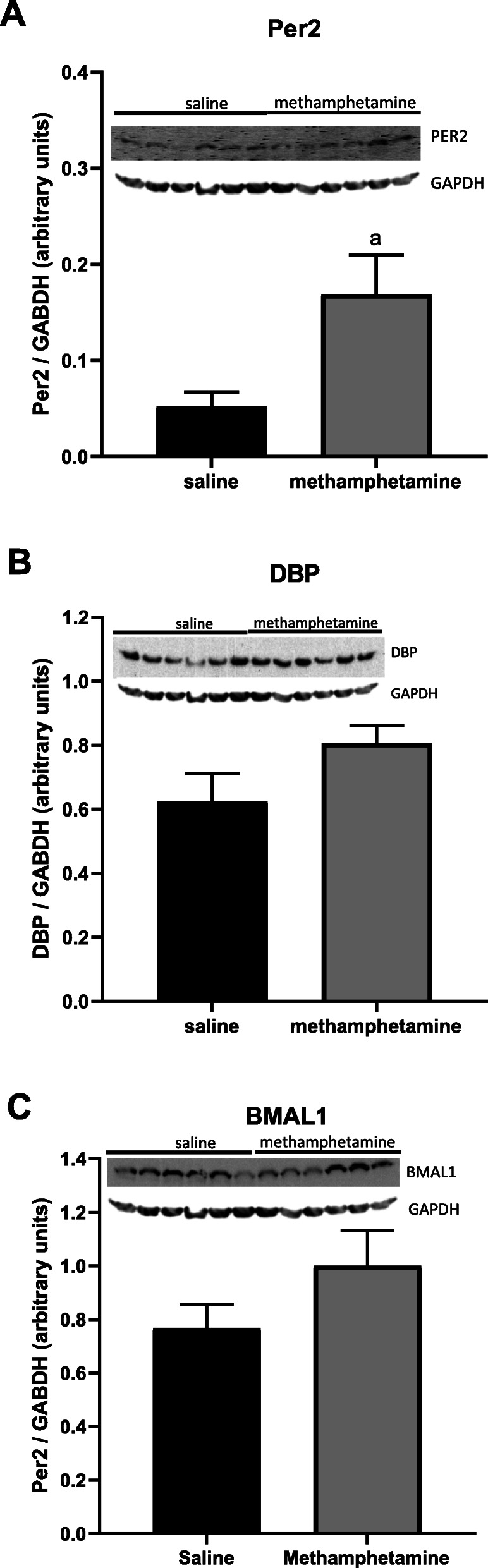
Methamphetamine induced changes in the myocardial transcriptome were significantly greater in female hearts than male hearts both in terms of the number of genes affected and the magnitude of the changes. The largest changes in female hearts involved genes that regulate the circadian clock (Dbp, Per3, Per2, BMal1, and Npas2) which are known to impact myocardial ischemic injury. These genes were unaffected by methamphetamine in male hearts. All changes in gene expression identified at day 11 returned to baseline by day 30.
These data demonstrate that female rats are more sensitive than males to methamphetamine-induced changes in the myocardial transcriptome and that methamphetamine does not induce changes in myocardial transcription that persist long term after exposure to the drug has been discontinued.
先前的研究表明,暴露于甲基苯丙胺的雌性大鼠(而非其雄性同窝仔鼠)对心肌缺血损伤变得高度敏感。重要的是,在随后停药30天后,这种性别依赖性效应仍然存在,这表明它可能是由基因表达的长期变化介导的,而这种变化在停止使用甲基苯丙胺后不会迅速逆转。本研究的目的是确定甲基苯丙胺是否会引起心肌基因表达的性别依赖性变化,以及这些变化在随后停用甲基苯丙胺后是否仍然存在。
就受影响的基因数量和变化幅度而言,甲基苯丙胺诱导的心肌转录组变化在雌性心脏中比雄性心脏中显著更大。雌性心脏中最大的变化涉及调节昼夜节律钟的基因(Dbp、Per3、Per2、BMal1和Npas2),已知这些基因会影响心肌缺血损伤。这些基因在雄性心脏中不受甲基苯丙胺影响。在第11天确定的所有基因表达变化在第30天恢复到基线水平。
这些数据表明,雌性大鼠比雄性大鼠对甲基苯丙胺诱导的心肌转录组变化更敏感,并且甲基苯丙胺不会在停药后长期诱导心肌转录变化。