Kusuluri Deva K, Güler Baran E, Knapp Barbara, Horn Nicola, Boldt Karsten, Ueffing Marius, Aust Gabriela, Wolfrum Uwe
Institute of Molecular Physiology, Molecular Cell Biology, Johannes Gutenberg University, Hanns-Dieter-Hüsch-Weg 17, 55099 Mainz, Germany.
Medical Proteome Center, Institute for Ophthalmic Research, Eberhard Karls University of Tuebingen, 72074 Tuebingen, Germany.
iScience. 2021 Mar 8;24(4):102283. doi: 10.1016/j.isci.2021.102283. eCollection 2021 Apr 23.
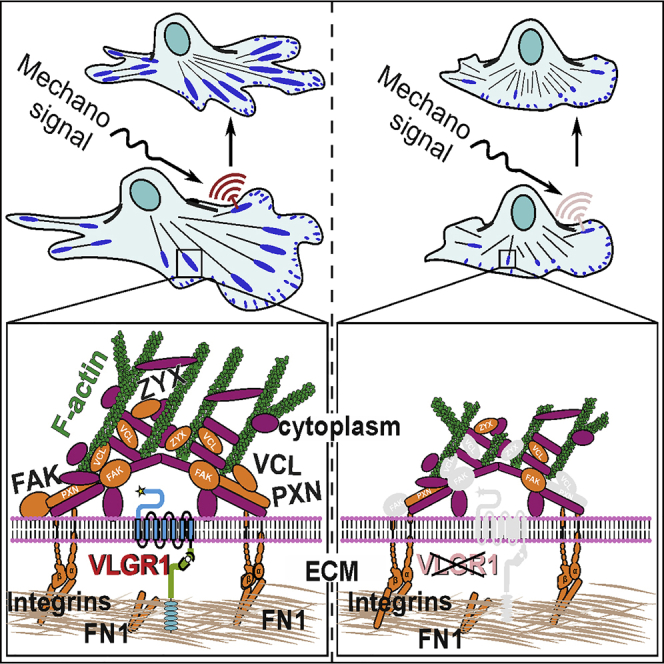
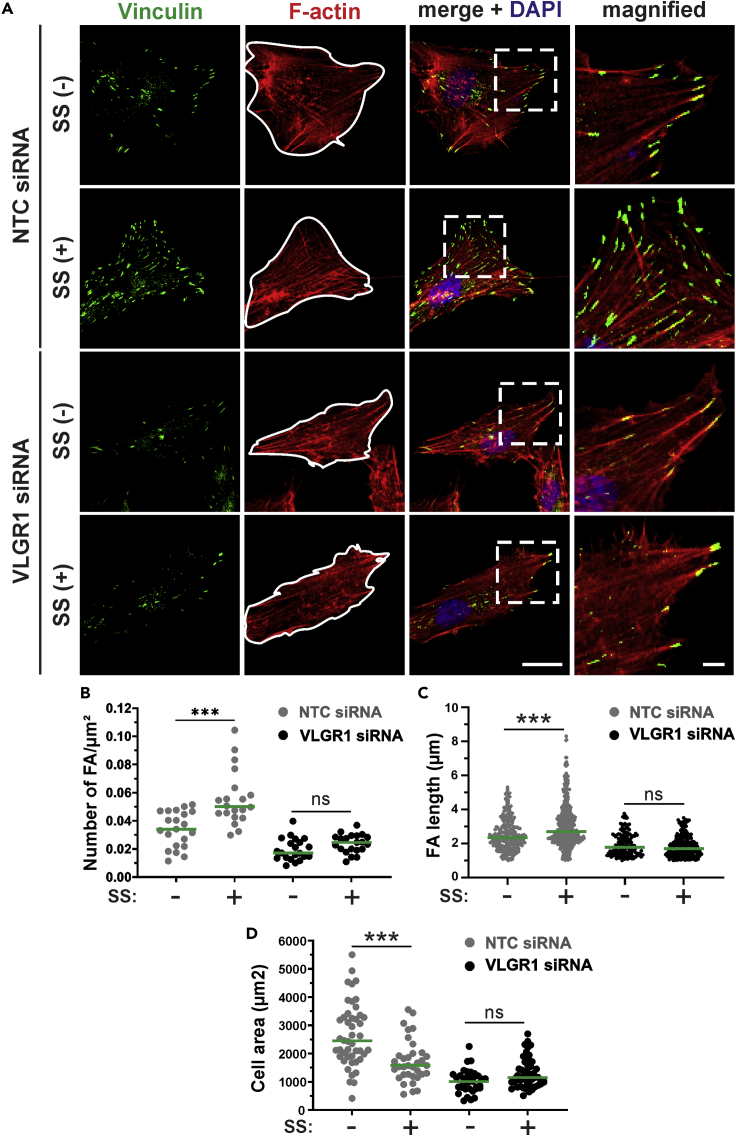
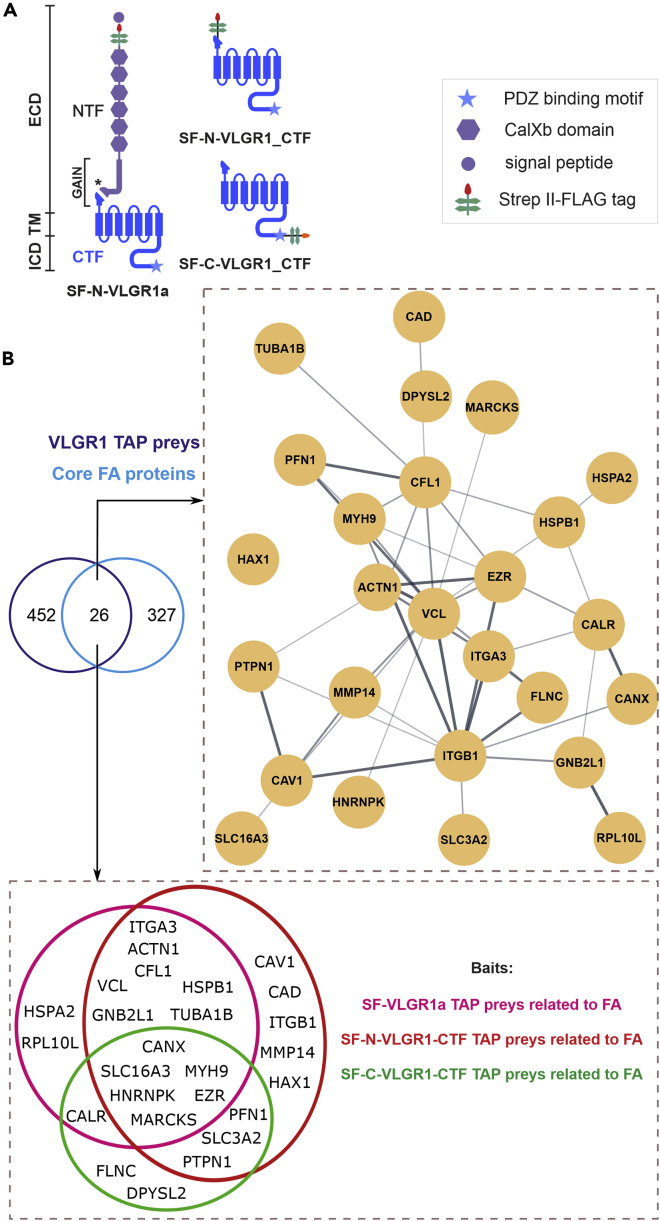
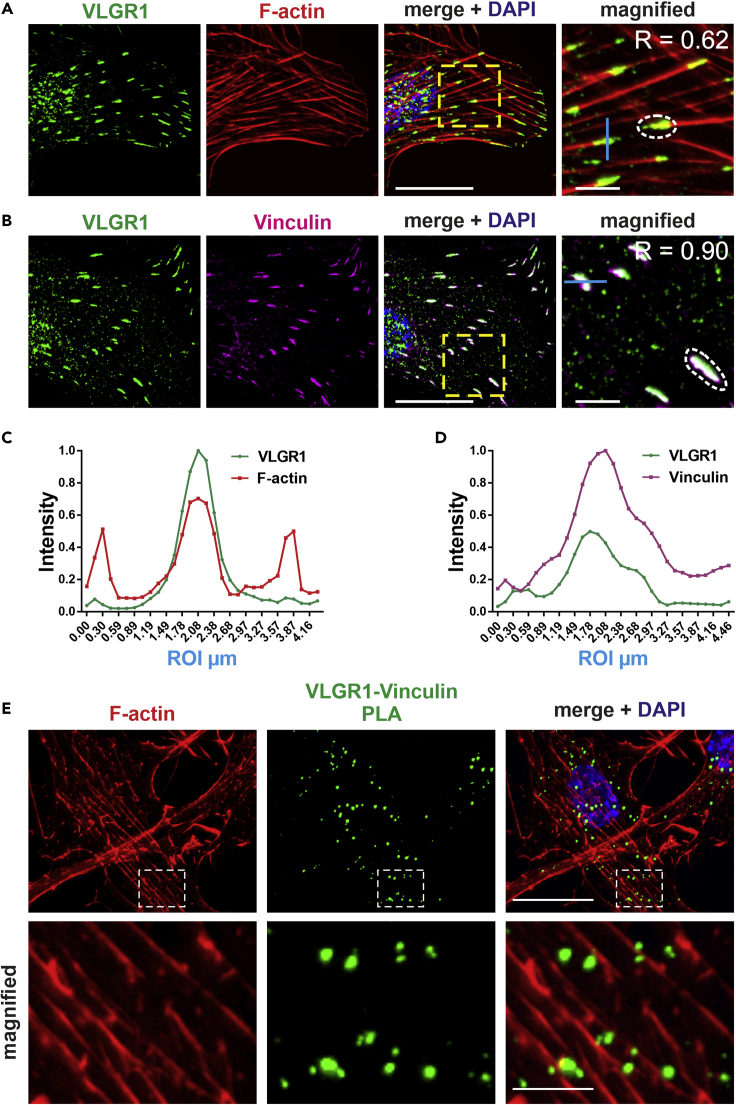
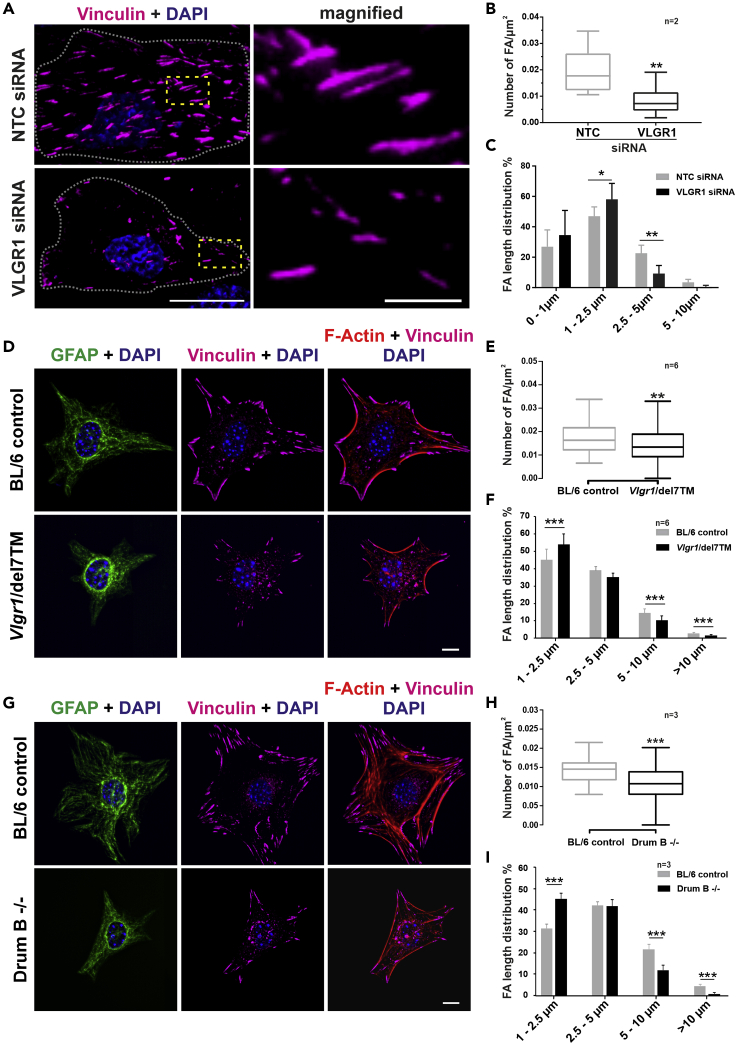
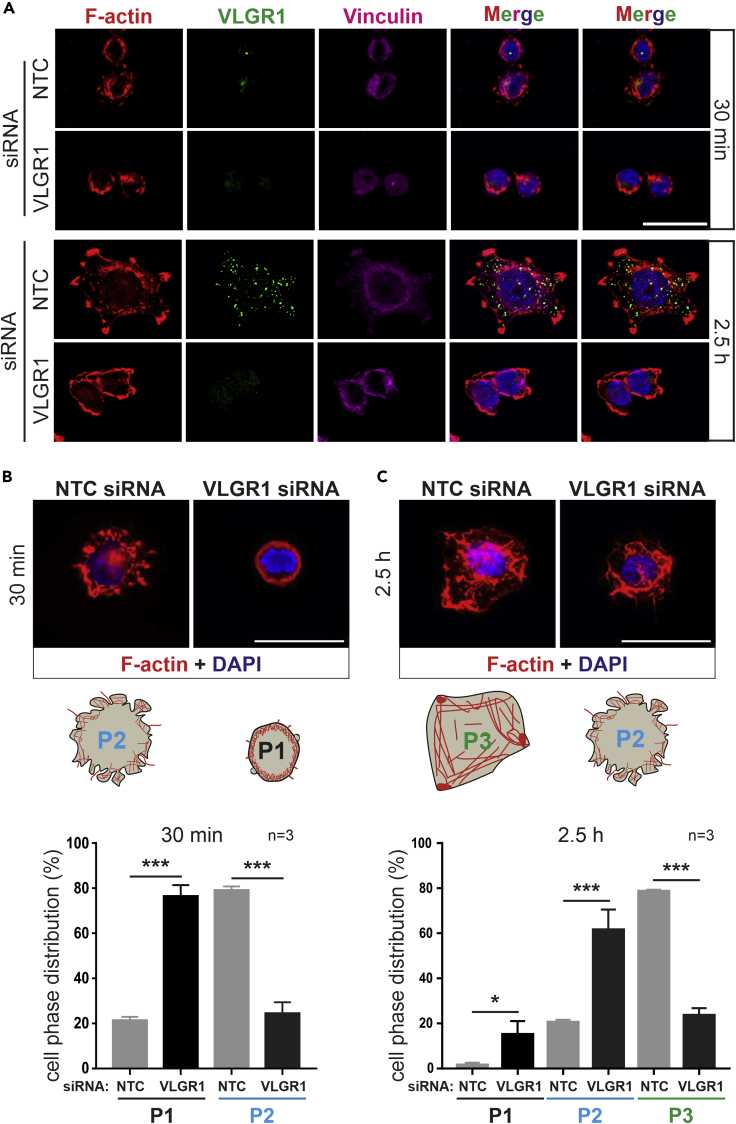
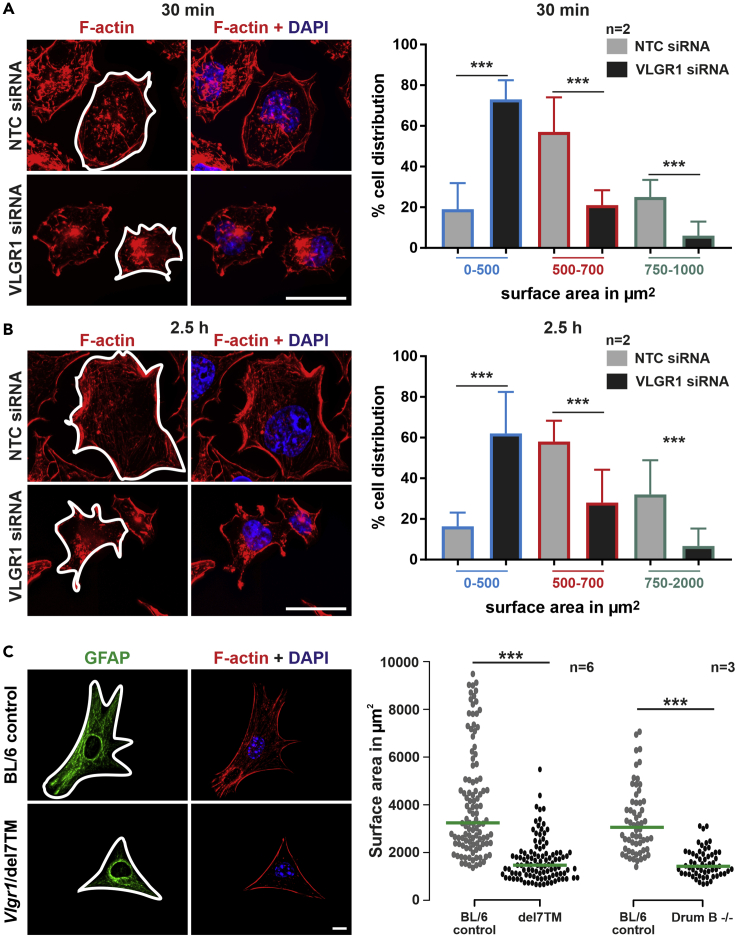
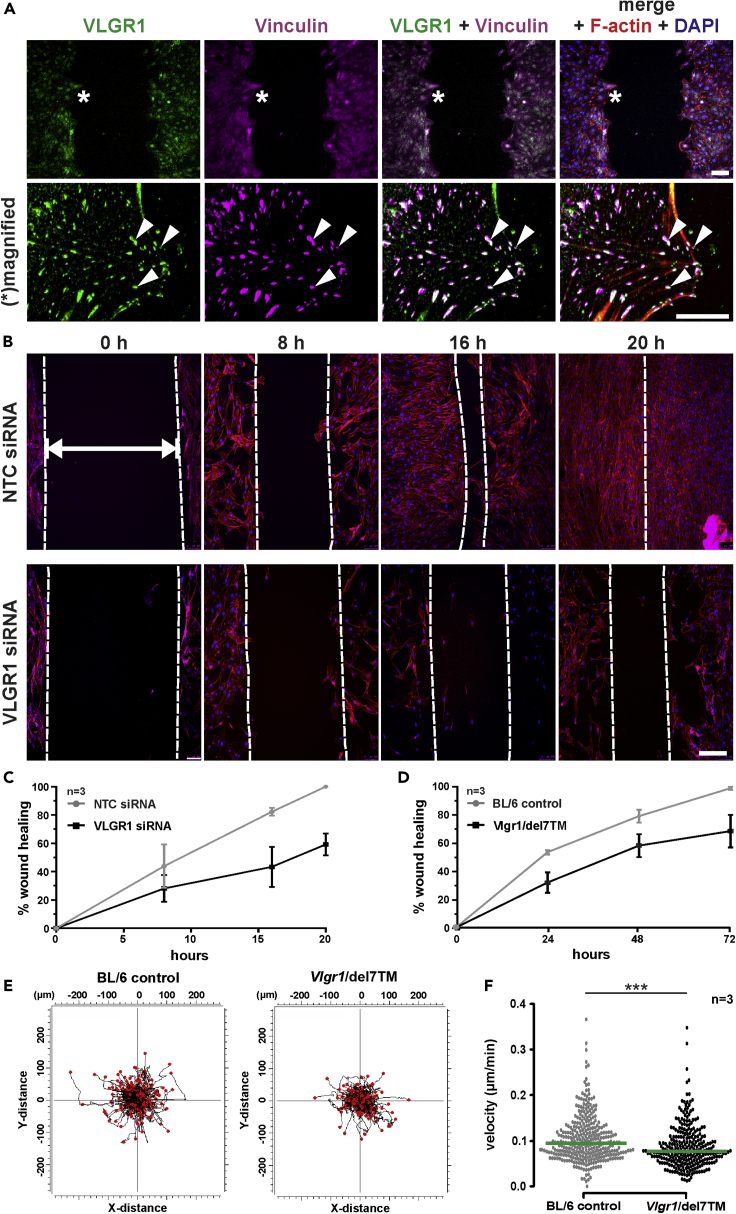
VLGR1 (very large G protein-coupled receptor-1) is by far the largest adhesion G protein-coupled receptor in humans. Homozygous pathologic variants of cause hereditary deaf blindness in Usher syndrome 2C and haploinsufficiency of is associated with epilepsy. However, its molecular function remains elusive. Herein, we used affinity proteomics to identify many components of focal adhesions (FAs) in the VLGR1 interactome. VLGR1 is localized in FAs and assembles in FA protein complexes . Depletion or loss of VLGR1 decreases the number and length of FAs in hTERT-RPE1 cells and in astrocytes of mutant mice. VLGR1 depletion reduces cell spread and migration kinetics as well as the response to mechanical stretch characterizing VLGR1 as a metabotropic mechanosensor in FAs. Our data reveal a critical role of VLGR1 in the FA function and enlighten potential pathomechanisms in diseases related to VLGR1.
VLGR1(超大G蛋白偶联受体1)是目前人类中最大的粘附性G蛋白偶联受体。其纯合病理变体导致2C型Usher综合征中的遗传性失聪失明,而其单倍剂量不足与癫痫有关。然而,其分子功能仍然难以捉摸。在此,我们使用亲和蛋白质组学来鉴定VLGR1相互作用组中许多粘着斑(FAs)的成分。VLGR1定位于粘着斑,并组装在粘着斑蛋白复合物中。VLGR1的缺失或丧失会减少hTERT-RPE1细胞和突变小鼠星形胶质细胞中粘着斑的数量和长度。VLGR1的缺失会降低细胞铺展和迁移动力学,以及对机械拉伸的反应,这表明VLGR1是粘着斑中的代谢型机械传感器。我们的数据揭示了VLGR1在粘着斑功能中的关键作用,并阐明了与VLGR1相关疾病的潜在发病机制。