Primary Care Unit, Department of Public Health and Primary Care, University of Cambridge, Cambridge, CB1 8RN, UK.
School of Clinical Medicine, Addenbrooke's Hospital, University of Cambridge, Cambridge, UK.
Adv Ther. 2021 May;38(5):2732-2746. doi: 10.1007/s12325-021-01726-6. Epub 2021 Apr 17.
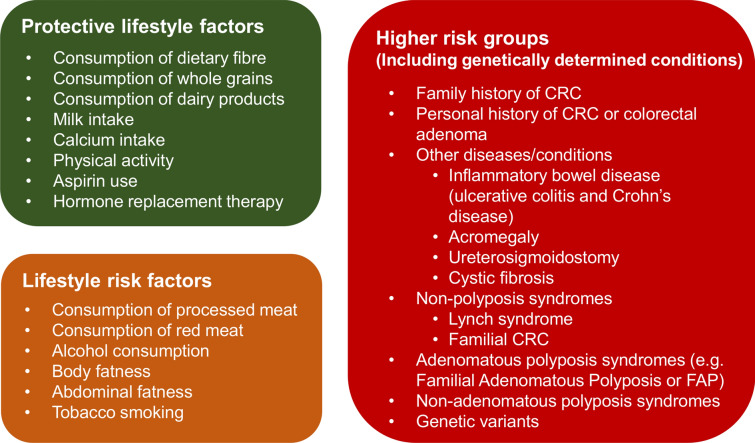
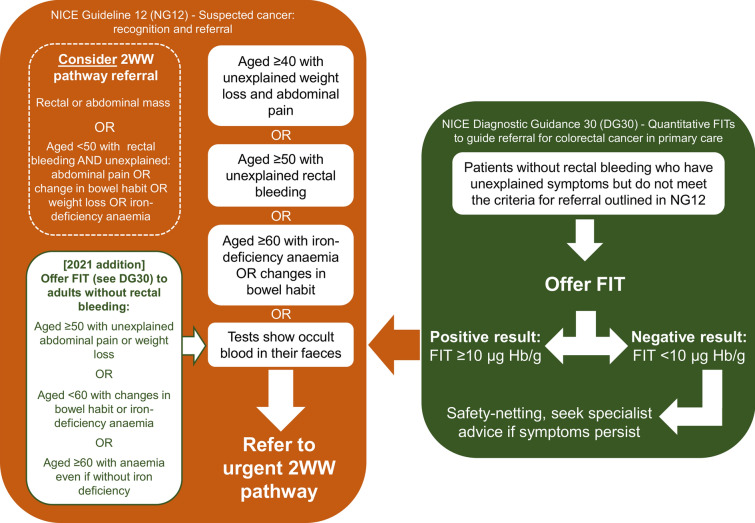
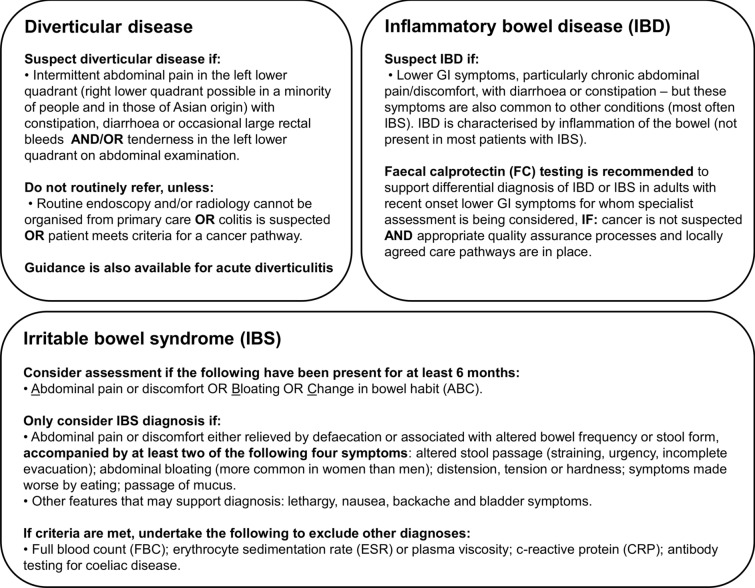
Colorectal cancer (CRC) is the third most common cancer worldwide. Primary care professionals can play an important role in both prevention and early detection of CRC. Most CRCs are attributed to modifiable lifestyle factors, which can be addressed within primary care, and promotion of population-based screening programmes can aid early cancer detection in asymptomatic patients. Primary care professionals have a vital role in clinically assessing patients presenting with symptoms that may indicate cancer, as most patients with CRC first present with symptoms. These assessments are often challenging-many of the symptoms of CRC are non-specific and commonly occur in patients presenting with non-malignant disease. The range of options for investigating symptomatic patients in primary care is rapidly growing. Simple tests, such as faecal immunochemical testing (FIT), are now being used to guide decisions around referral for more invasive tests, such as colonoscopy, while direct access to specialist investigations is also becoming more common. Clinical decision support tools (CDSTs) which calculate cancer risk based on symptomatology, patient characteristics and test results can provide an additional resource to guide decisions on further investigation. This article explores the challenges of CRC prevention and detection from the primary care perspective, discusses current evidence-based approaches for CRC detection used in primary care (with examples from UK guidelines), and highlights emerging research which may likely alter practice in the future.
结直肠癌(CRC)是全球第三大常见癌症。初级保健专业人员在 CRC 的预防和早期发现方面可以发挥重要作用。大多数 CRC 归因于可改变的生活方式因素,这些因素可以在初级保健中解决,并且促进基于人群的筛查计划可以帮助无症状患者早期发现癌症。初级保健专业人员在对出现可能表明癌症的症状的患者进行临床评估方面发挥着至关重要的作用,因为大多数 CRC 患者首先出现症状。这些评估往往具有挑战性——CRC 的许多症状是非特异性的,并且经常发生在患有非恶性疾病的患者中。用于在初级保健中对有症状的患者进行调查的选择范围正在迅速扩大。现在,诸如粪便免疫化学测试(FIT)等简单的测试被用于指导有关转介进行更具侵入性测试(如结肠镜检查)的决策,而直接获得专家调查的机会也越来越普遍。基于症状、患者特征和测试结果计算癌症风险的临床决策支持工具(CDST)可以为进一步调查的决策提供额外的资源。本文从初级保健的角度探讨了 CRC 的预防和检测的挑战,讨论了目前在初级保健中用于 CRC 检测的基于证据的方法(来自英国指南的示例),并强调了可能在未来改变实践的新兴研究。