Translational Medicine Centre, Jiangxi University of Traditional Chinese Medicine, Nanchang, China.
Jiangsu Key Laboratory for Functional Substance of Chinese Medicine, Stake Key Laboratory Cultivation Base for TCM Quality and Efficacy, School of Pharmacy, Nanjing University of Chinese Medicine, Nanjing, China.
Front Immunol. 2021 Mar 31;12:649463. doi: 10.3389/fimmu.2021.649463. eCollection 2021.
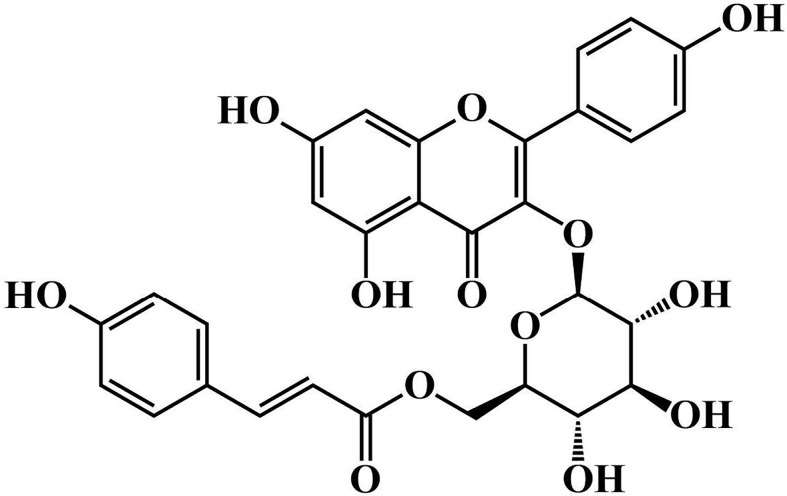
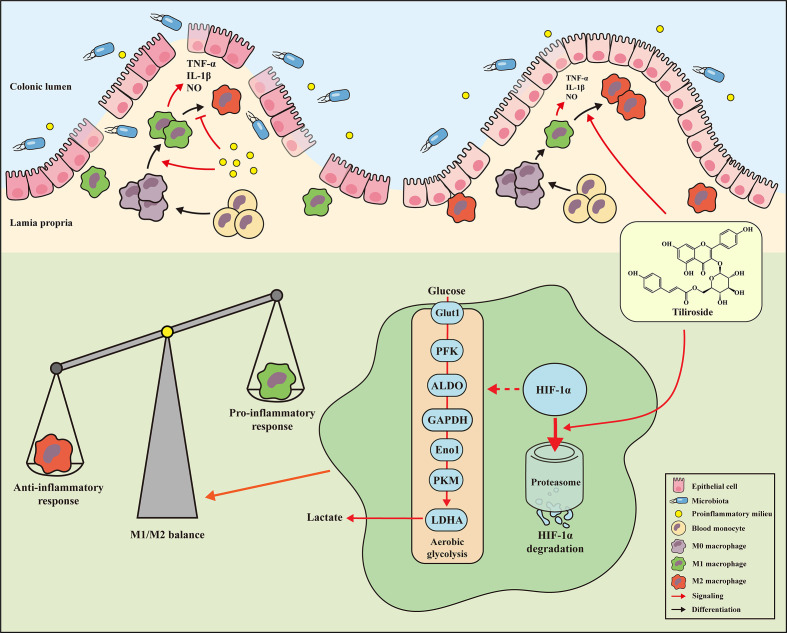
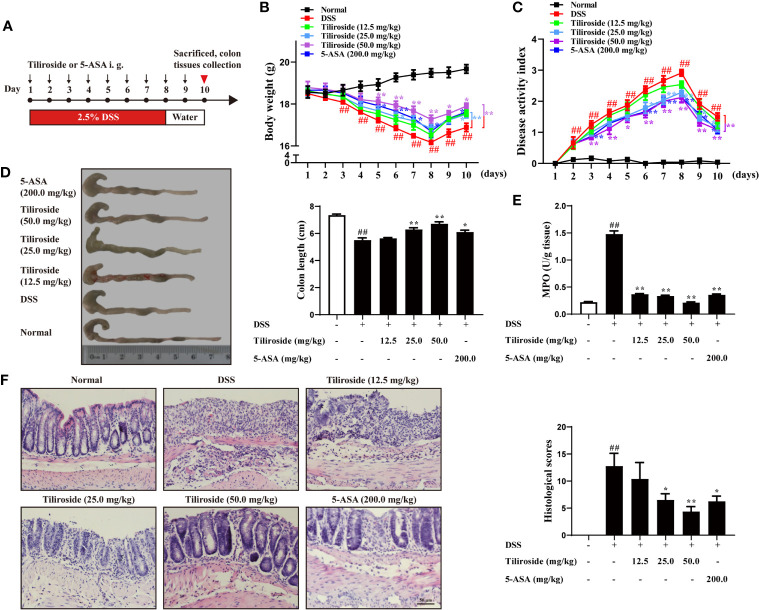
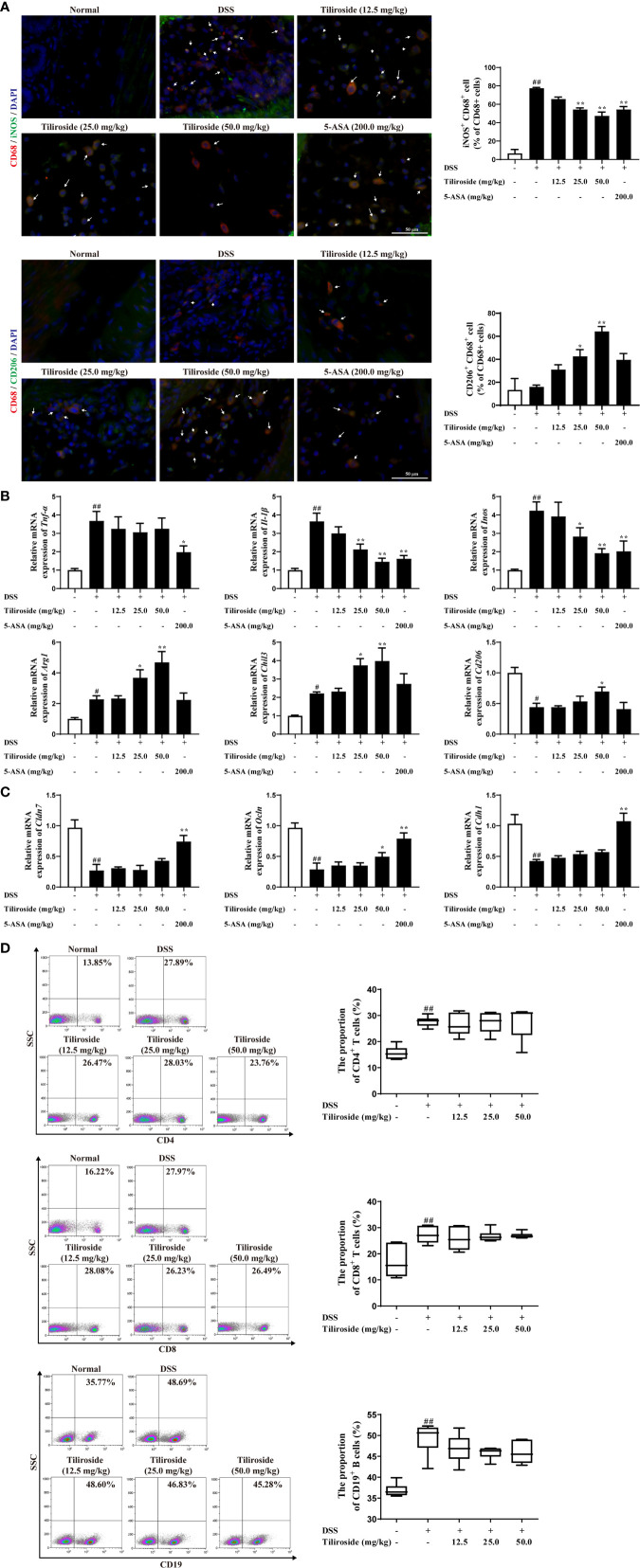
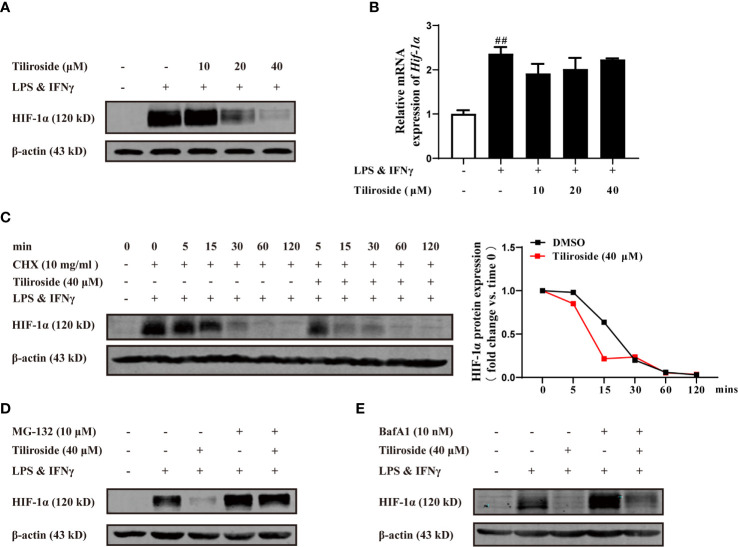
Macrophages polarized to different phenotypes critically contribute to colitis development by coordinating inflammatory and anti-inflammatory processes. Herein, targeting the balance between the pro-inflammatory M1 and the anti-inflammatory M2 macrophage phenotypes can be a novel therapeutic approach for colitis. In the present study, we firstly demonstrated that tiliroside possessed the ability to alleviate the clinical symptoms of colitis as evidenced by decreased disease activity index (DAI) scores, longer colon length, reduced myeloperoxidase (MPO) activity, and improvement of colonic pathological damage . Furthermore, we showed that tiliroside modulated the balance between M1 and M2 macrophages toward a more anti-inflammatory status in colonic lamina propria but has little effect on the T cell population and epithelial barrier function in colitis mice. The macrophage depletion study further showed the protective effect of tiliroside was macrophage dependent . Mechanistically, our study demonstrated that tiliroside regulated cellular metabolism by inhibiting aerobic glycolysis in LPS and IFNγ stimulated macrophages. At the molecular level, tiliroside facilitated the proteasomal degradation of HIF-1α and downregulated mRNA expressions of HIF-1α dependent glycolytic enzymes in macrophages. Collectively, our data highlight the aberrant M1/M2 macrophage polarization in the initiation and development of ulcerative colitis and put forth the stage for considering tiliroside as a metabolic regulator in reprogramming macrophage polarization, which may serve as a promising therapeutic approach for treatment of inflammation-associated and metabolic disorders.
极化到不同表型的巨噬细胞通过协调炎症和抗炎过程对结肠炎的发展起着至关重要的作用。因此,靶向促炎 M1 和抗炎 M2 巨噬细胞表型之间的平衡可能是结肠炎的一种新的治疗方法。在本研究中,我们首先证明了獐牙菜苦苷具有缓解结肠炎临床症状的能力,表现在疾病活动指数 (DAI) 评分降低、结肠长度延长、髓过氧化物酶 (MPO) 活性降低以及结肠病理损伤改善。此外,我们表明獐牙菜苦苷调节了结肠固有层中 M1 和 M2 巨噬细胞之间的平衡,使其向更抗炎的状态转变,但对结肠炎小鼠中的 T 细胞群体和上皮屏障功能影响不大。巨噬细胞耗竭研究进一步表明獐牙菜苦苷的保护作用依赖于巨噬细胞。在机制上,我们的研究表明獐牙菜苦苷通过抑制 LPS 和 IFNγ 刺激的巨噬细胞中的有氧糖酵解来调节细胞代谢。在分子水平上,獐牙菜苦苷促进了 HIF-1α 的蛋白酶体降解,并下调了巨噬细胞中 HIF-1α 依赖性糖酵解酶的 mRNA 表达。总之,我们的数据强调了异常的 M1/M2 巨噬细胞极化在溃疡性结肠炎的发生和发展中的作用,并提出了将獐牙菜苦苷作为代谢调节剂来重新编程巨噬细胞极化的观点,这可能为炎症相关和代谢紊乱的治疗提供一种有前途的治疗方法。