Cardio Metabolic Diseases Research, Boehringer Ingelheim Pharma GmbH & Co KG, Biberach, Germany.
Department of Endocrinology, Diabetes and Metabolism, University Hospital Basel, Basel, Switzerland.
Mol Metab. 2021 Sep;51:101237. doi: 10.1016/j.molmet.2021.101237. Epub 2021 Apr 18.
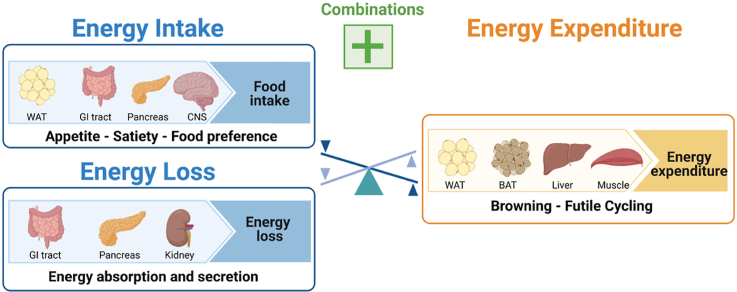
A chronic imbalance of energy intake and energy expenditure results in excess fat storage. The obesity often caused by this overweight is detrimental to the health of millions of people. Understanding both sides of the energy balance equation and their counter-regulatory mechanisms is critical to the development of effective therapies to treat this epidemic.
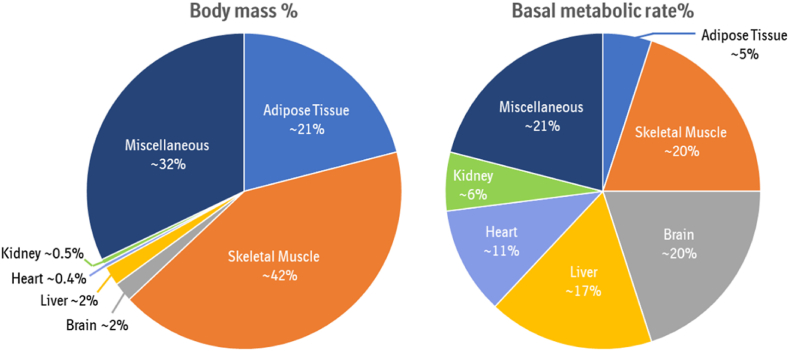
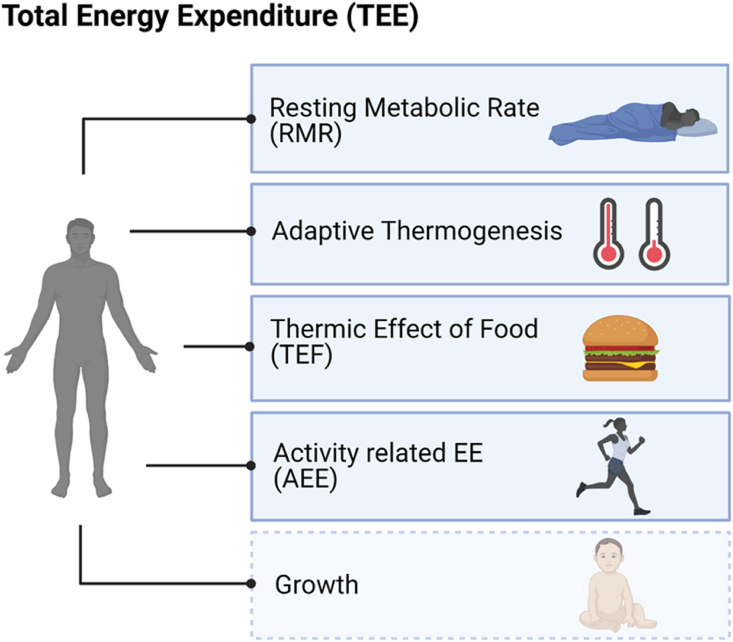
Behaviors surrounding ingestion have been reviewed extensively. This review focuses more specifically on energy expenditure regarding bodyweight control, with a particular emphasis on the organs and attractive metabolic processes known to reduce bodyweight. Moreover, previous and current attempts at anti-obesity strategies focusing on energy expenditure are highlighted. Precise measurements of energy expenditure, which consist of cellular, animal, and human models, as well as measurements of their translatability, are required to provide the most effective therapies.
A precise understanding of the components surrounding energy expenditure, including tailored approaches based on genetic, biomarker, or physical characteristics, must be integrated into future anti-obesity treatments. Further comprehensive investigations are required to define suitable treatments, especially because the complex nature of the human perspective remains poorly understood.
能量摄入和消耗的长期失衡会导致脂肪储存过多。这种超重引起的肥胖对数百万人的健康造成了危害。了解能量平衡方程的两面及其反调节机制对于开发治疗这种流行病的有效疗法至关重要。
摄入周围的行为已被广泛研究。本篇综述更具体地关注与体重控制有关的能量消耗,特别强调已知可减轻体重的器官和有吸引力的代谢过程。此外,还强调了以前和当前针对能量消耗的抗肥胖策略。需要精确测量能量消耗,包括细胞、动物和人体模型,以及对其可转化性的测量,以提供最有效的治疗方法。
必须将对能量消耗周围成分的精确理解,包括基于遗传、生物标志物或身体特征的定制方法,纳入未来的抗肥胖治疗中。需要进一步进行全面的研究来确定合适的治疗方法,特别是因为人类视角的复杂性仍未得到很好的理解。