Nouadi Badreddine, Ezaouine Abdelkarim, El Messal Mariame, Blaghen Mohamed, Bennis Faiza, Chegdani Fatima
Laboratory of Health and Environment, Faculty of Sciences Aïn Chock, Hassan II University of Casablanca, Casablanca, Morocco.
Laboratory of Plant Biotechnology, Ecology and Ecosystem Valorization, Faculty of Sciences El Jadida, Chouaïb Doukkali University, El Jadida, Morocco.
Bioinform Biol Insights. 2021 Apr 8;15:11779322211009199. doi: 10.1177/11779322211009199. eCollection 2021.
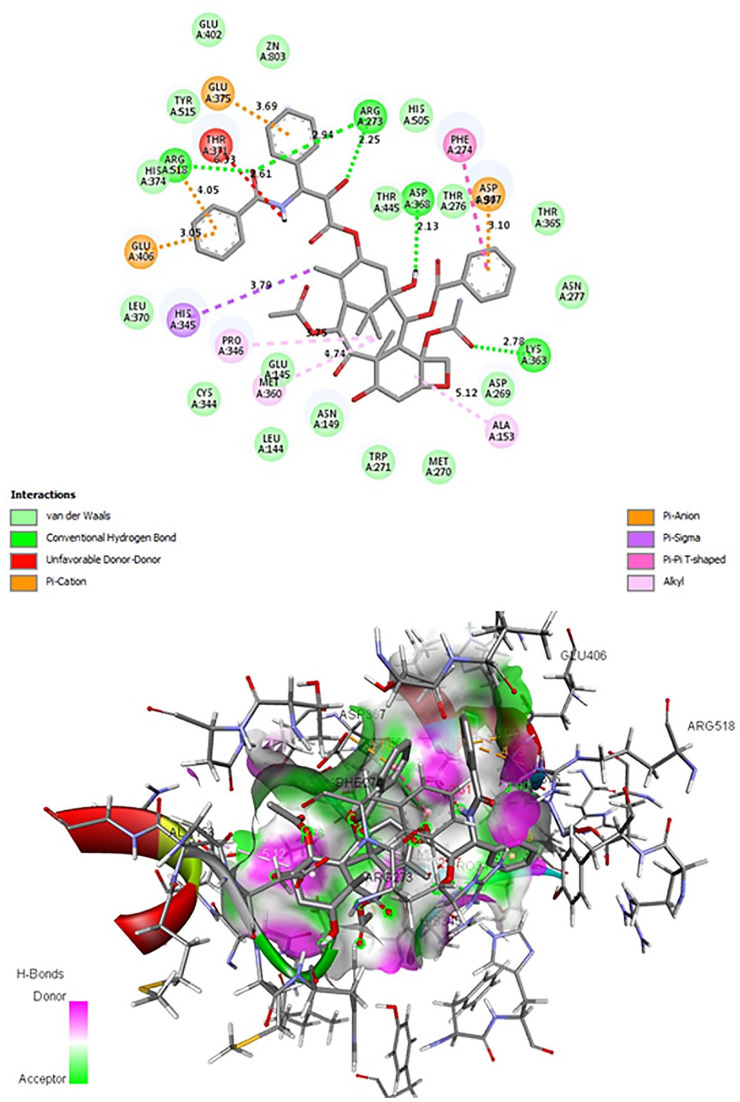
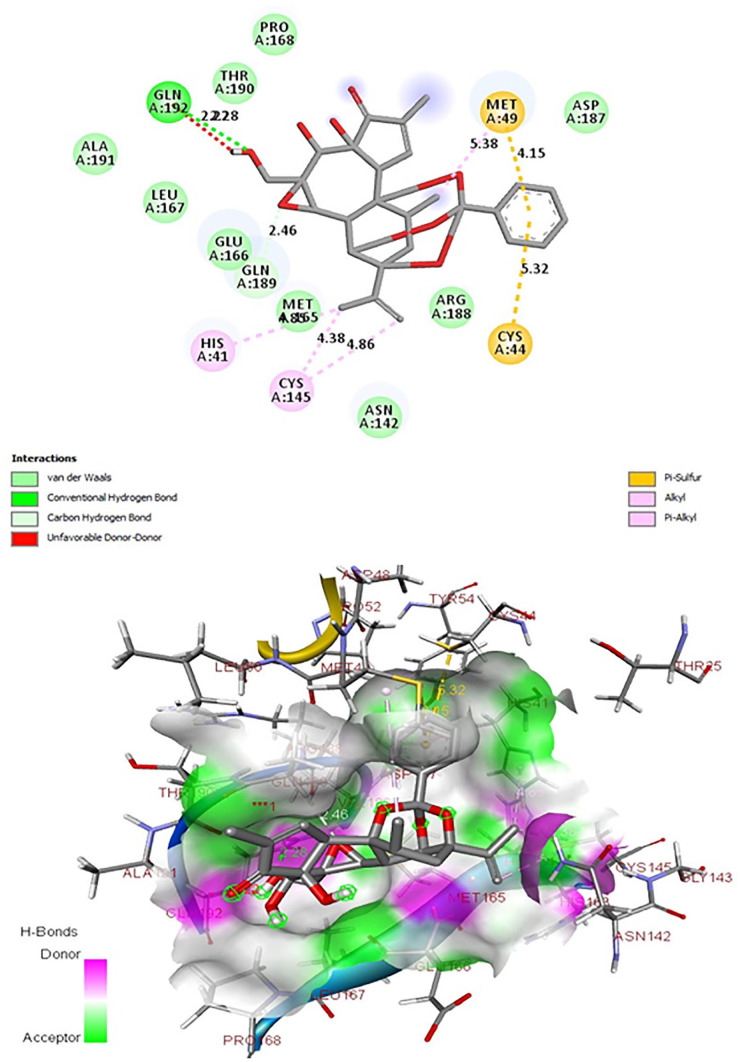
The emerging pathogen SARS-CoV2 causing coronavirus disease 2019 (COVID-19) is a global public health challenge. To the present day, COVID-19 had affected more than 40 million people worldwide. The exploration and the development of new bioactive compounds with cost-effective and specific anti-COVID 19 therapeutic power is the prime focus of the current medical research. Thus, the exploitation of the molecular docking technique has become essential in the discovery and development of new drugs, to better understand drug-target interactions in their original environment. This work consists of studying the binding affinity and the type of interactions, through molecular docking, between 54 compounds from Moroccan medicinal plants, dextran sulfate and heparin (compounds not derived from medicinal plants), and 3CLpro-SARS-CoV-2, ACE2, and the post fusion core of 2019-nCoV S2 subunit. The PDB files of the target proteins and prepared herbal compounds (ligands) were subjected for docking to AutoDock Vina using UCSF Chimera, which provides a list of potential complexes based on the criteria of form complementarity of the natural compound with their binding affinities. The results of molecular docking revealed that Taxol, Rutin, Genkwanine, and Luteolin-glucoside have a high affinity with ACE2 and 3CLpro. Therefore, these natural compounds can have 2 effects at once, inhibiting 3CLpro and preventing recognition between the virus and ACE2. These compounds may have a potential therapeutic effect against SARS-CoV2, and therefore natural anti-COVID-19 compounds.
引发2019冠状病毒病(COVID-19)的新型病原体严重急性呼吸综合征冠状病毒2(SARS-CoV2)是一项全球性公共卫生挑战。截至目前,COVID-19已在全球感染了超过4000万人。探索和开发具有经济高效且特异性抗COVID-19治疗能力的新型生物活性化合物是当前医学研究的首要重点。因此,利用分子对接技术在新药发现和开发中变得至关重要,以便在其原始环境中更好地理解药物与靶点的相互作用。这项工作包括通过分子对接研究来自摩洛哥药用植物的54种化合物、硫酸葡聚糖和肝素(非源自药用植物的化合物)与3CLpro-SARS-CoV-2、血管紧张素转换酶2(ACE2)以及2019-nCoV S2亚基的融合后核心之间的结合亲和力和相互作用类型。使用UCSF Chimera将目标蛋白和制备好的草药化合物(配体)的PDB文件与AutoDock Vina进行对接,它根据天然化合物与其结合亲和力的形式互补性标准提供潜在复合物列表。分子对接结果显示,紫杉醇、芦丁、芫花素和木犀草素-葡萄糖苷与ACE2和3CLpro具有高亲和力。因此,这些天然化合物可同时产生两种作用,抑制3CLpro并阻止病毒与ACE2之间的识别。这些化合物可能对SARS-CoV2具有潜在治疗作用,因此是天然抗COVID-19化合物。