Translational Neuroscience Initiative, Sanford Burnham Prebys Medical Discovery Institute, La Jolla, CA 92037.
Translational Neuroscience Initiative, Sanford Burnham Prebys Medical Discovery Institute, La Jolla, CA 92037
eNeuro. 2021 Jul 16;8(4). doi: 10.1523/ENEURO.0040-21.2021. Print 2021 Jul-Aug.
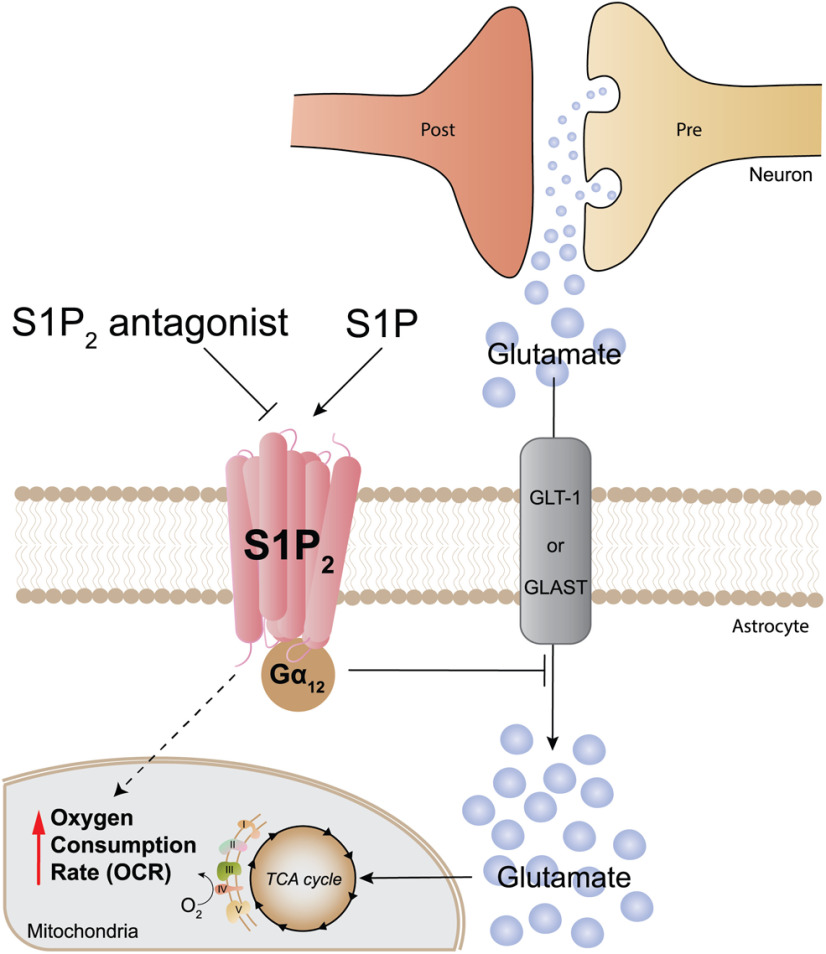
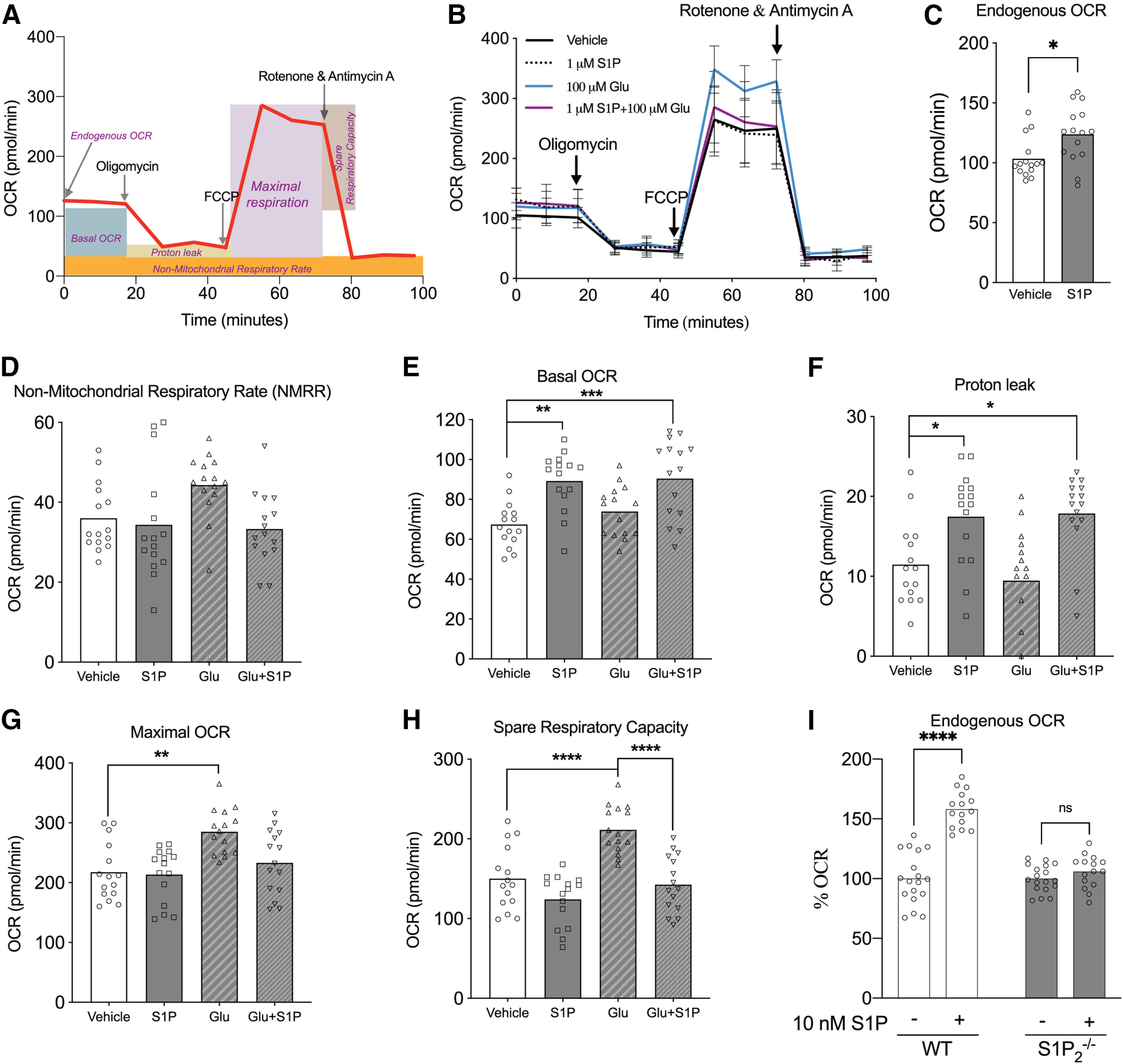
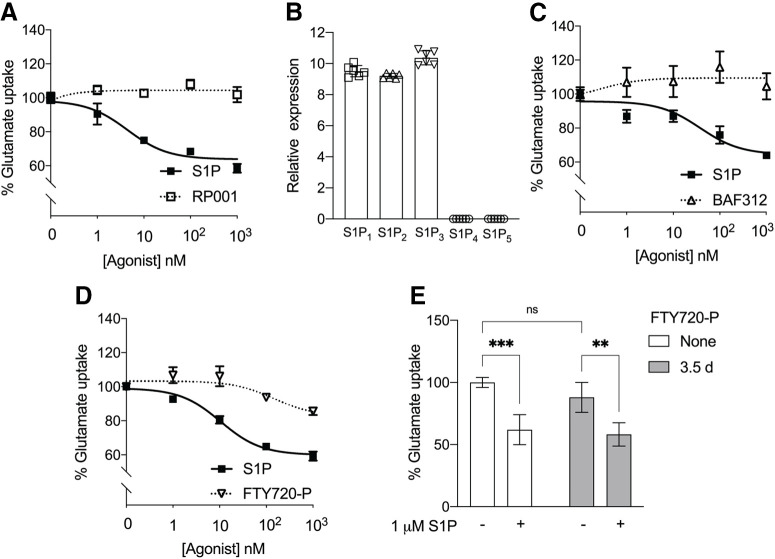
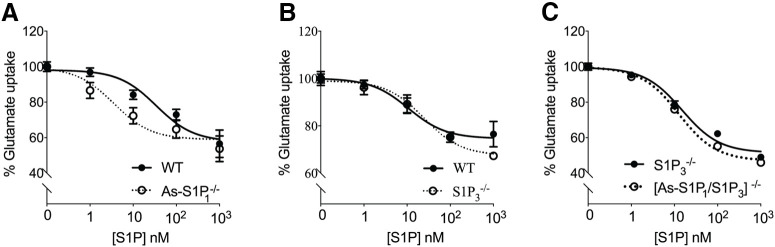
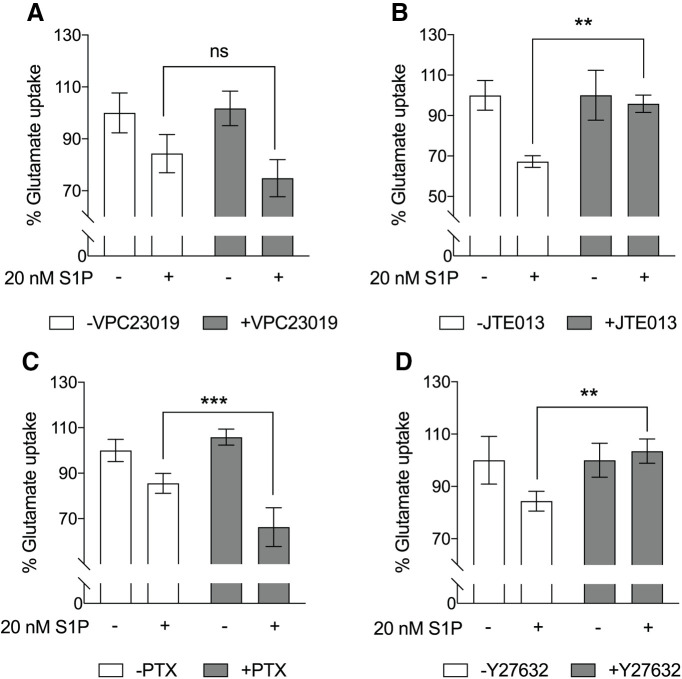
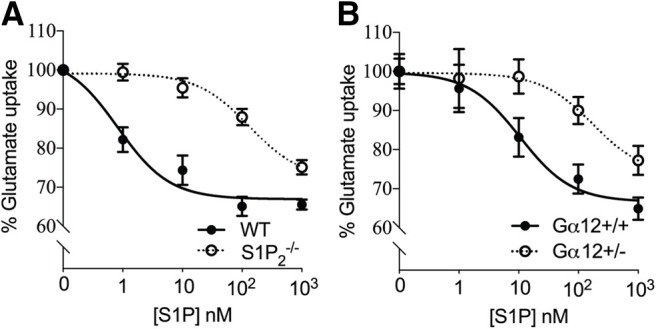
Glutamate is the principal excitatory neurotransmitter in the human brain. Following neurotransmission, astrocytes remove excess extracellular glutamate to prevent neurotoxicity. Glutamate neurotoxicity has been reported in multiple neurologic diseases including multiple sclerosis (MS), representing a shared neurodegenerative mechanism. A potential modulator of glutamate neurotoxicity is the bioactive lysophospholipid sphingosine 1-phosphate (S1P) that signals through five cognate G-protein-coupled receptors, S1P-S1P; however, a clear link between glutamate homeostasis and S1P signaling has not been established. Here, S1P receptor knock-out mice, primary astrocyte cultures, and receptor-selective chemical tools were used to examine the effects of S1P on glutamate uptake. S1P inhibited astrocytic glutamate uptake in a dose-dependent manner and increased mitochondrial oxygen consumption, primarily through S1P Primary cultures of wild-type mouse astrocytes expressed S1P transcripts, and selective deletion of S1P and/or S1P in cerebral cortical astrocytes, did not alter S1P-mediated, dose-dependent inhibition of glutamate uptake. Pharmacological antagonists, S1P-null astrocytes, and Gα hemizygous-null astrocytes indicated that S1P-Gα-Rho/ROCK signaling was primarily responsible for the S1P-dependent inhibition of glutamate uptake. In addition, S1P exposure increased mitochondrial oxygen consumption rates (OCRs) in wild-type astrocytes and reduced OCRs in S1P-null astrocytes, implicating receptor selective metabolic consequences of S1P-mediated glutamate uptake inhibition. Astrocytic S1P-S1P signaling increased extracellular glutamate, which could contribute to neurotoxicity. This effect was not observed with the FDA-approved S1P receptor modulators, siponimod and fingolimod. Development and use of S1P-selective antagonists may provide a new approach to reduce glutamate neurotoxicity in neurologic diseases.
谷氨酸是人类大脑中主要的兴奋性神经递质。神经递质传递后,星形胶质细胞会清除多余的细胞外谷氨酸,以防止神经毒性。谷氨酸神经毒性已在多种神经疾病中得到报道,包括多发性硬化症 (MS),这代表了一种共同的神经退行性机制。生物活性溶血磷脂酰胆碱 1-磷酸(S1P)是谷氨酸神经毒性的潜在调节剂,它通过五个同源 G 蛋白偶联受体 S1P-S1P 发出信号;然而,尚未建立谷氨酸稳态和 S1P 信号之间的明确联系。在这里,使用 S1P 受体敲除小鼠、原代星形胶质细胞培养物和受体选择性化学工具来研究 S1P 对谷氨酸摄取的影响。S1P 以剂量依赖的方式抑制星形胶质细胞的谷氨酸摄取,并增加线粒体耗氧量,主要通过 S1P 实现。野生型小鼠星形胶质细胞的原代培养物表达 S1P 转录物,并且大脑皮质星形胶质细胞中 S1P 和/或 S1P 的选择性缺失不会改变 S1P 介导的、剂量依赖性的谷氨酸摄取抑制。药理学拮抗剂、S1P 缺失型星形胶质细胞和 Gα 半合缺失型星形胶质细胞表明,S1P-Gα-Rho/ROCK 信号主要负责 S1P 依赖性抑制谷氨酸摄取。此外,S1P 暴露增加了野生型星形胶质细胞的线粒体耗氧率 (OCR),并降低了 S1P 缺失型星形胶质细胞的 OCR,表明 S1P 介导的谷氨酸摄取抑制存在受体选择性代谢后果。星形胶质细胞的 S1P-S1P 信号增加了细胞外谷氨酸,这可能导致神经毒性。这一效应在 FDA 批准的 S1P 受体调节剂 siponimod 和 fingolimod 中并未观察到。S1P 选择性拮抗剂的开发和使用可能为减少神经疾病中的谷氨酸神经毒性提供一种新方法。