He Mingyan, Hu Jing, Fang Tingting, Tang Wenqing, Lv Bei, Yang Biwei, Xia Jinglin
Department of Gastroenterology, the First Affiliated Hospital of Nanchang University, Nanchang 330006, China.
Liver Cancer Institute, Zhongshan Hospital, Fudan University, Shanghai 200032, China.
Cancer Biol Med. 2021 Apr 24;19(1):90-103. doi: 10.20892/j.issn.2095-3941.2020.0313.
Protein convertase subtilisin/Kexin type 9 (PCSK9) has been found to be closely associated with the occurrence and development of numerous tumors. However, the precise role of PCSK9 and its relationship to the development of hepatocellular carcinoma (HCC) remain largely unknown. This study aimed to clarify these issues.
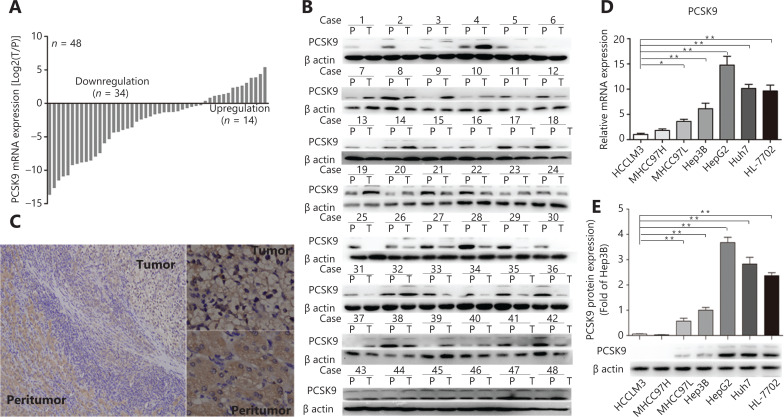
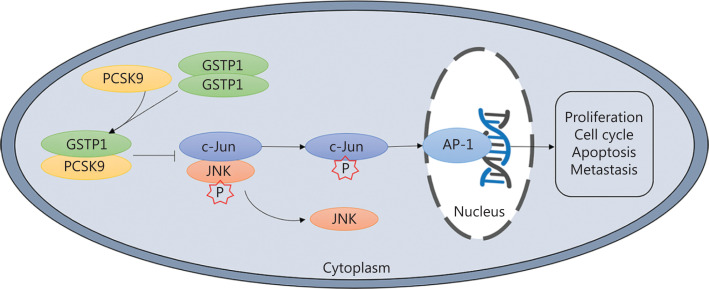
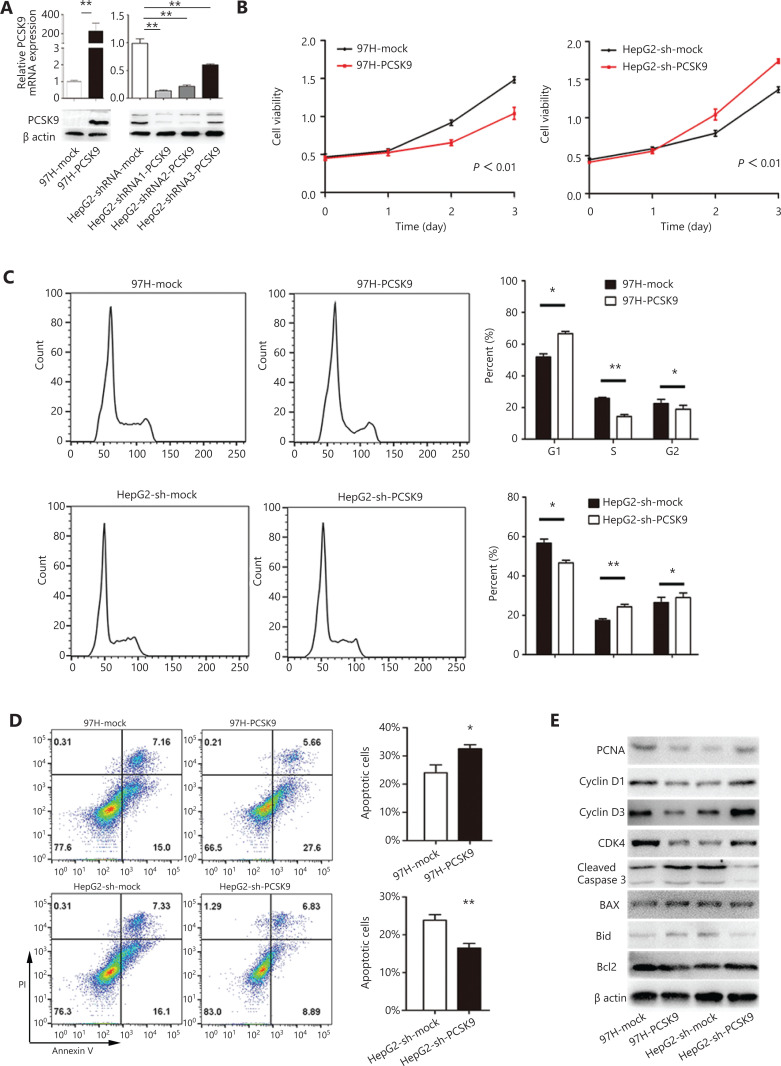
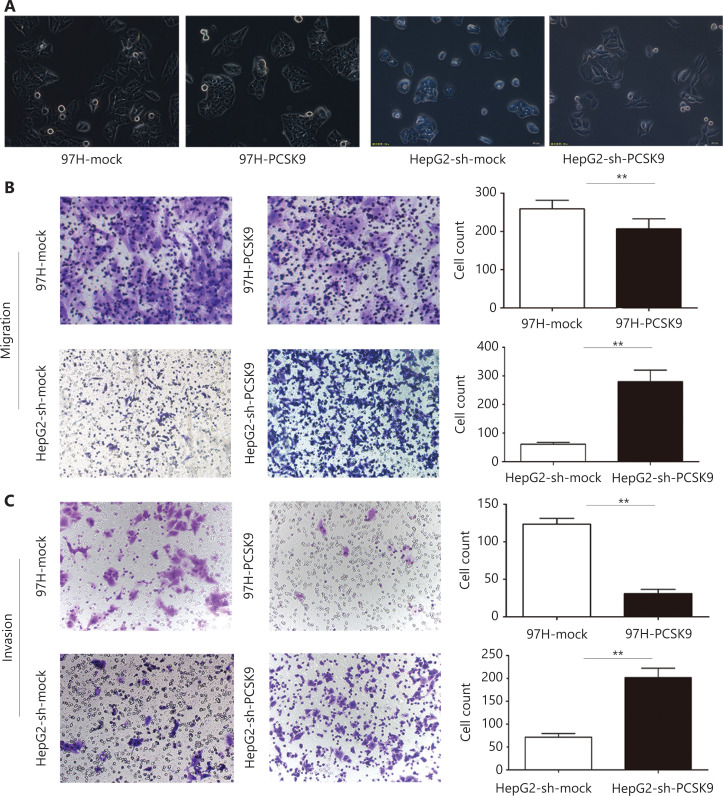
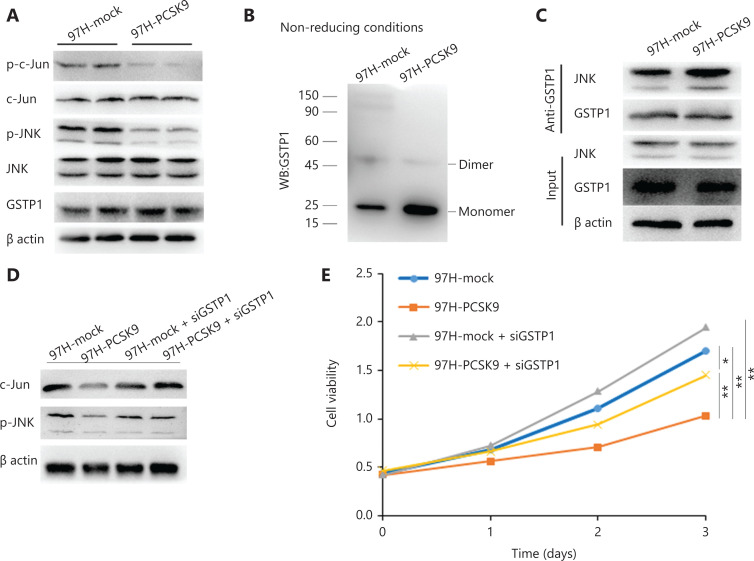
The expression levels of PCSK9 in HCC tissues and HCC cell lines were determined by the quantitative reverse transcription polymerase chain reaction, Western blot, and immunohistochemical analyses, and the effects of PCSK9 expression on HCC cell biological traits were investigated by overexpressing and downregulating PCSK9 expression and . Additionally, the mechanism by which PCSK9 mediated dissociation of glutathione S-transferase Pi 1 (GSTP1) dimers and phosphorylation of the Jun N-terminal kinase (JNK) pathway components were investigated.
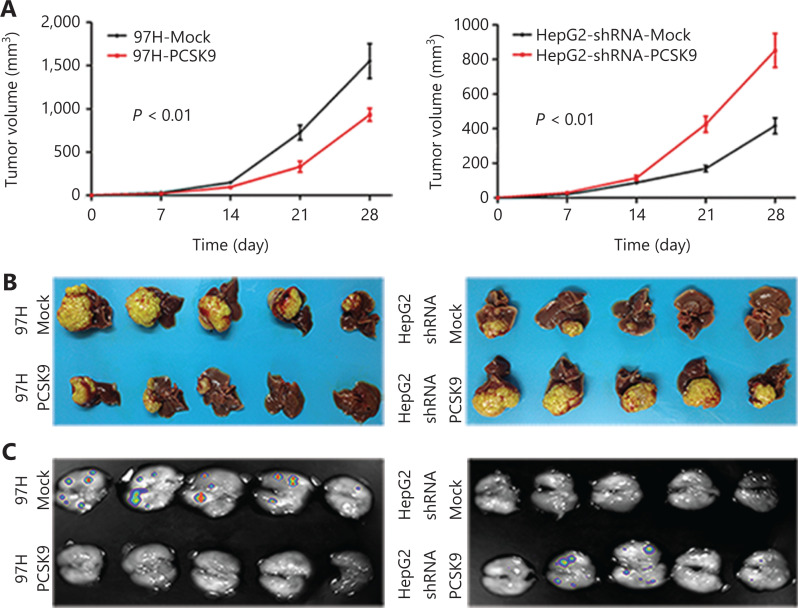
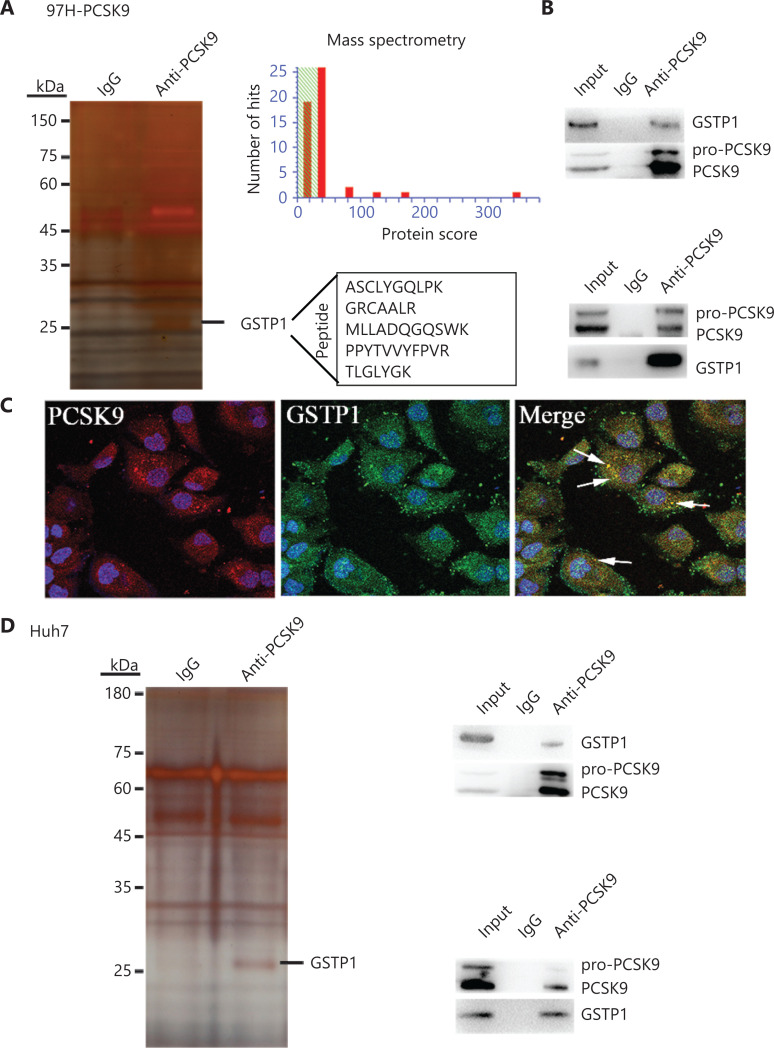
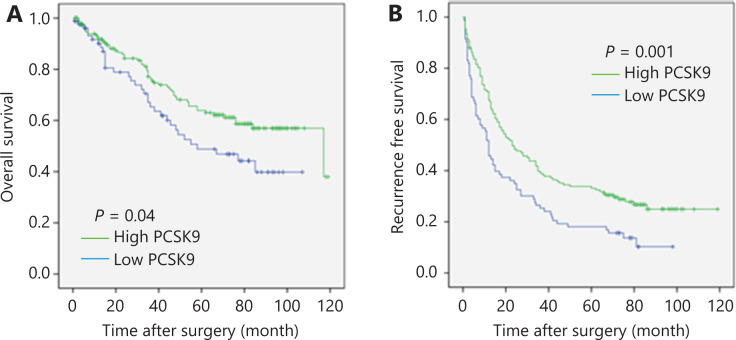
PCSK9 expression levels were significantly lower in HCC tissues than in adjacent non-tumor samples. and experiments suggested that PCSK9 inhibited HCC cell proliferation and metastasis. Further analysis showed that PCSK9 interacted with GSTP1 and promoted GSTP1 dimer dissociation and JNK signaling pathway inactivation in HCC cells. Moreover, the relationships between PCSK9 protein expressions and clinical outcomes were investigated. The PCSK9-lo group displayed a significantly shorter overall survival (OS; median OS: 64.2 months 83.2 months; log-rank statistic: 4.237; = 0.04) and recurrence-free survival (RFS; median RFS: 26.5 months 46.6 months; log-rank statistic: 10.498; = 0.001) time than the PCSK9-hi group.
PCSK9 inhibited HCC cell proliferation, cell cycle progression, and apoptosis by interacting with GSTP1 and suppressing JNK signaling, suggesting that PCSK9 might act as a tumor suppressor and be a therapeutic target in HCC patients.
已发现蛋白酶枯草杆菌蛋白酶/kexin 9型(PCSK9)与多种肿瘤的发生发展密切相关。然而,PCSK9的确切作用及其与肝细胞癌(HCC)发展的关系在很大程度上仍不清楚。本研究旨在阐明这些问题。
通过定量逆转录聚合酶链反应、蛋白质印迹法和免疫组织化学分析测定PCSK9在HCC组织和HCC细胞系中的表达水平,并通过过表达和下调PCSK9表达来研究PCSK9表达对HCC细胞生物学特性的影响。此外,还研究了PCSK9介导谷胱甘肽S-转移酶Pi 1(GSTP1)二聚体解离和Jun N端激酶(JNK)信号通路成分磷酸化的机制。
HCC组织中PCSK9表达水平显著低于相邻非肿瘤样本。实验表明PCSK9抑制HCC细胞增殖和转移。进一步分析表明,PCSK9与GSTP1相互作用,促进HCC细胞中GSTP1二聚体解离和JNK信号通路失活。此外,还研究了PCSK9蛋白表达与临床结局之间的关系。PCSK9低表达组的总生存期(OS;中位OS:64.2个月对83.2个月;对数秩统计量:4.237;P = 0.04)和无复发生存期(RFS;中位RFS:26.5个月对46.6个月;对数秩统计量:10.498;P = 0.001)时间显著短于PCSK9高表达组。
PCSK9通过与GSTP1相互作用并抑制JNK信号传导来抑制HCC细胞增殖、细胞周期进程和凋亡,提示PCSK9可能作为一种肿瘤抑制因子,是HCC患者的治疗靶点。