School of Life Sciences, Institute for Immunology, Ministry of Education Key Laboratory of Protein Sciences, Beijing Advanced Innovation Center for Structural Biology, Collaborative Innovation Center for Diagnosis and Treatment of Infectious Diseases, Beijing Key Lab for Immunological Research on Chronic Diseases, Tsinghua University, Beijing, China.
Neuroscience Research Institute and Department of Neurobiology, School of Basic Medical Sciences, Peking University, Key Laboratory for Neuroscience, Ministry of Education/National Health Commission of People's Republic of China, IDG/McGovern Institute for Brain Research at Peking University, Beijing, China.
PLoS Biol. 2021 Apr 26;19(4):e3001134. doi: 10.1371/journal.pbio.3001134. eCollection 2021 Apr.
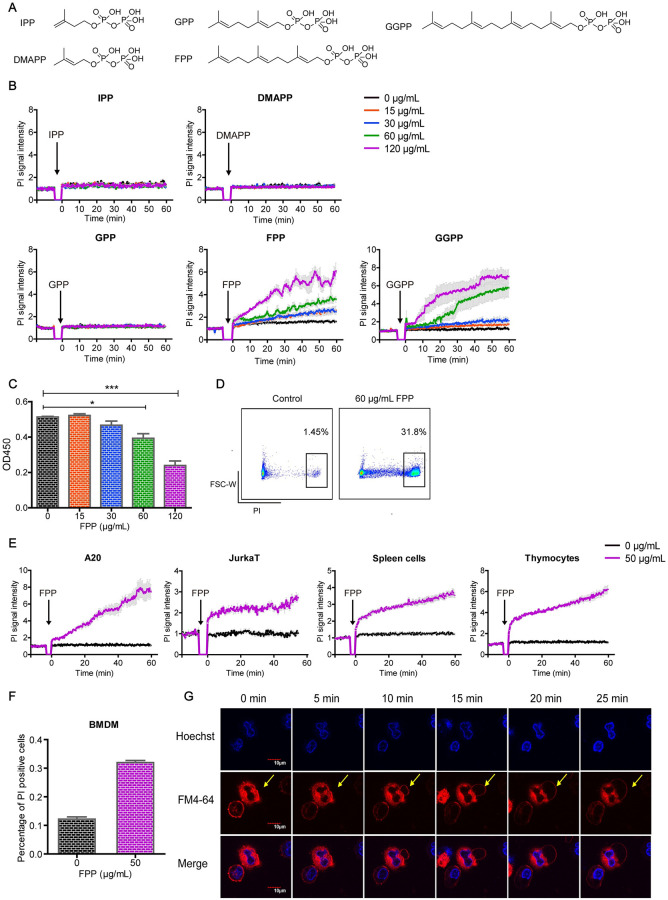
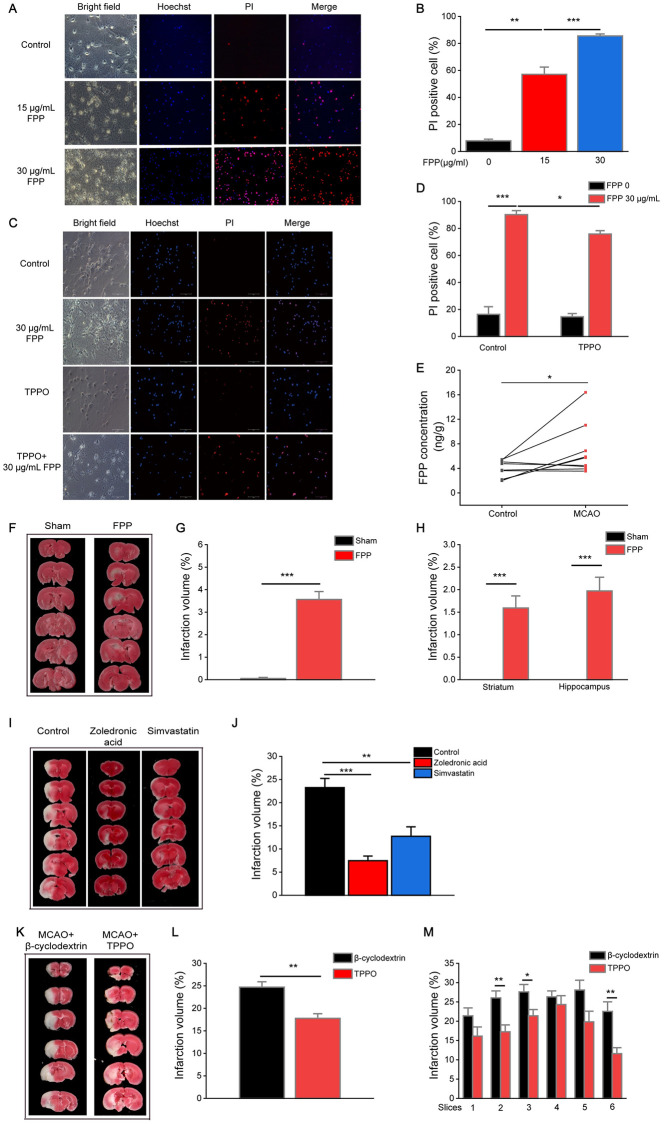
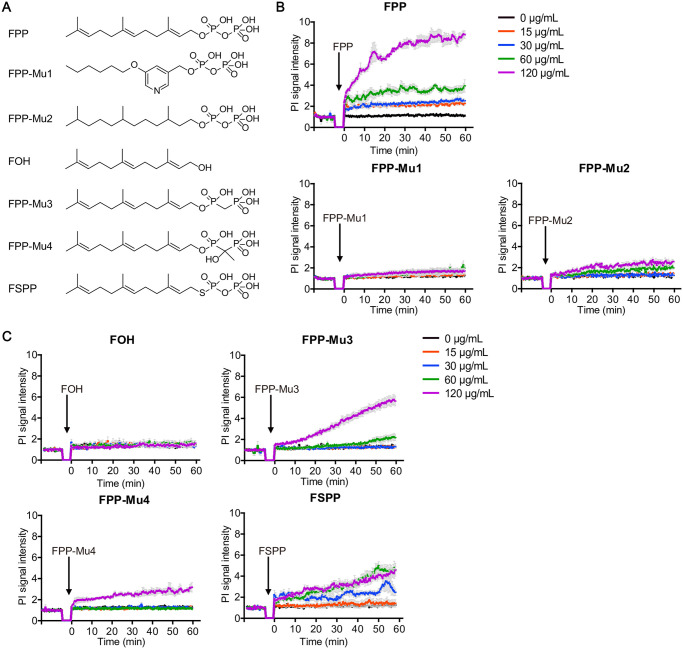
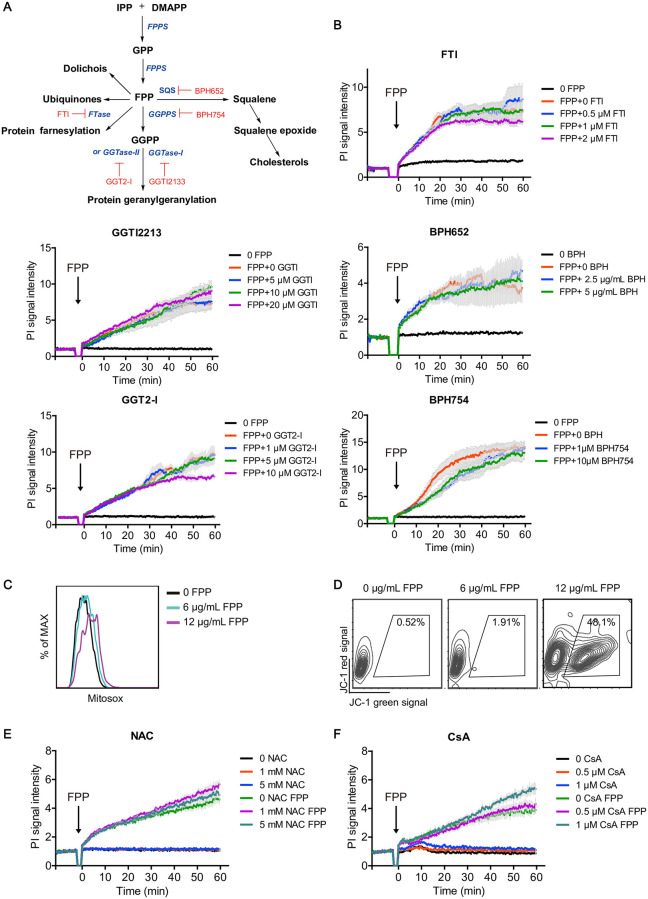
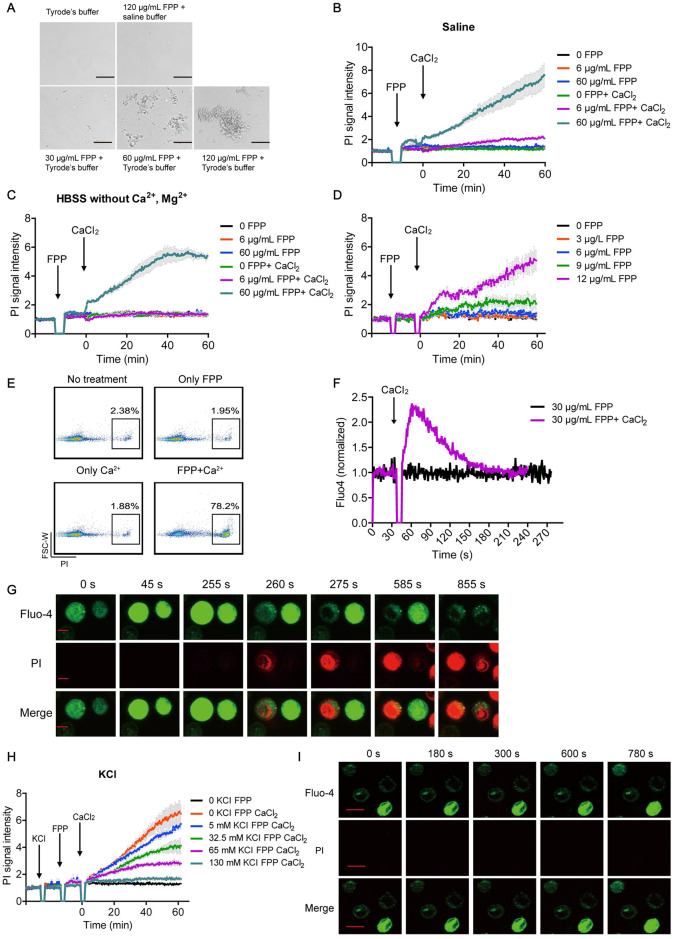
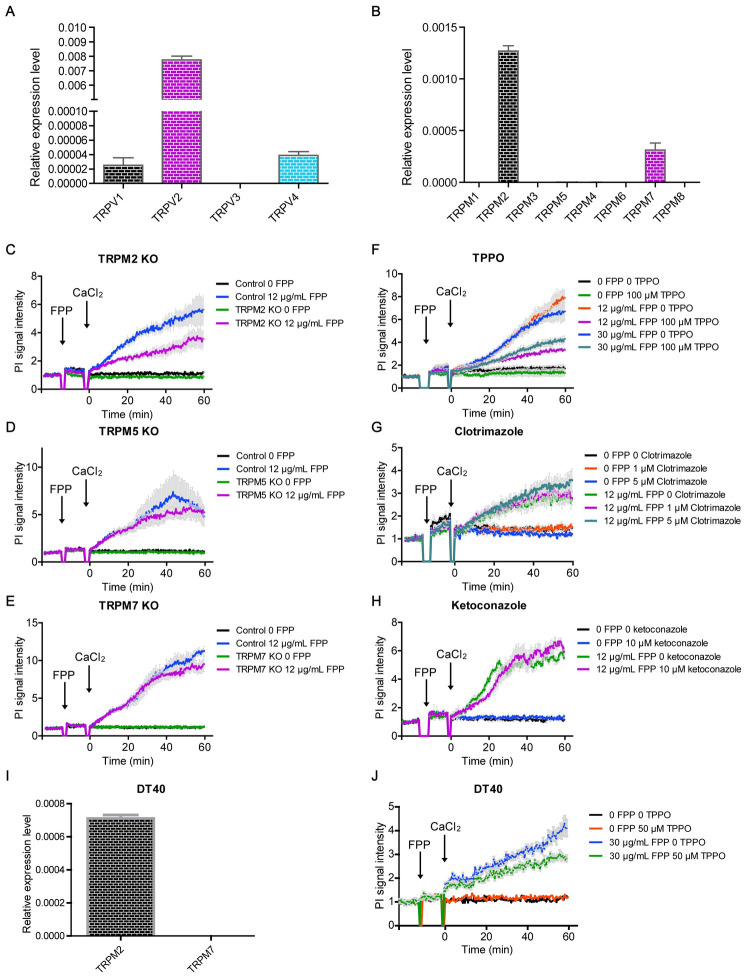
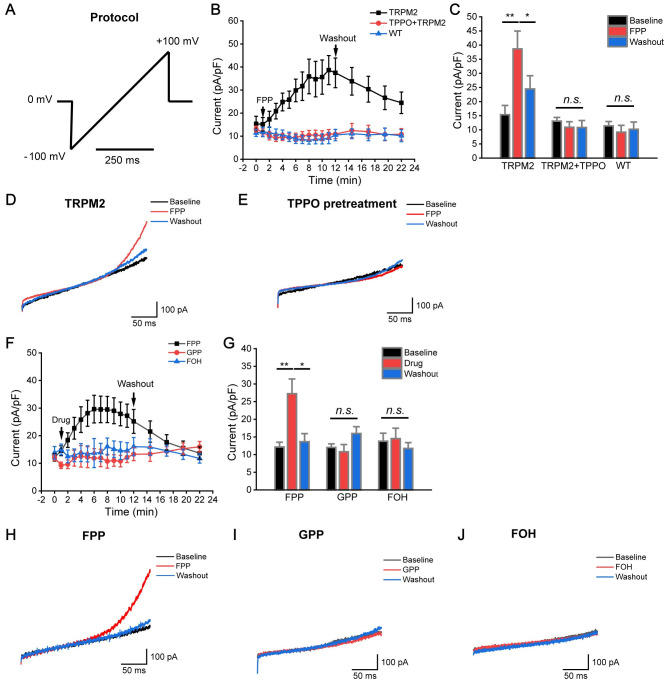
Cell death is a vital event in life. Infections and injuries cause lytic cell death, which gives rise to danger signals that can further induce cell death, inflammation, and tissue damage. The mevalonate (MVA) pathway is an essential, highly conserved and dynamic metabolic pathway. Here, we discover that farnesyl pyrophosphate (FPP), a metabolic intermediate of the MVA pathway, functions as a newly identified danger signal to trigger acute cell death leading to neuron loss in stroke. Harboring both a hydrophobic 15-carbon isoprenyl chain and a heavily charged pyrophosphate head, FPP leads to acute cell death independent of its downstream metabolic pathways. Mechanistically, extracellular calcium influx and the cation channel transient receptor potential melastatin 2 (TRPM2) exhibit essential roles in FPP-induced cell death. FPP activates TRPM2 opening for ion influx. Furthermore, in terms of a mouse model constructing by middle cerebral artery occlusion (MCAO), FPP accumulates in the brain, which indicates the function of the FPP and TRPM2 danger signal axis in ischemic injury. Overall, our data have revealed a novel function of the MVA pathway intermediate metabolite FPP as a danger signal via transient receptor potential cation channels.
细胞死亡是生命中的一个重要事件。感染和损伤会导致细胞裂解死亡,从而产生危险信号,进一步诱导细胞死亡、炎症和组织损伤。甲羟戊酸(MVA)途径是一种重要的、高度保守和动态的代谢途径。在这里,我们发现法呢基焦磷酸(FPP),MVA 途径的一种代谢中间产物,作为一种新发现的危险信号,可引发急性细胞死亡,导致中风时神经元丢失。FPP 既具有疏水性的 15 碳异戊烯基链,又具有带大量电荷的焦磷酸基团,它可导致急性细胞死亡,而不依赖其下游代谢途径。在机制上,细胞外钙内流和阳离子通道瞬时受体电位 melastatin 2(TRPM2)在 FPP 诱导的细胞死亡中发挥重要作用。FPP 通过激活 TRPM2 打开通道,使离子内流。此外,在通过大脑中动脉闭塞(MCAO)构建的小鼠模型中,FPP 在大脑中积累,这表明 FPP 和 TRPM2 危险信号轴在缺血性损伤中的功能。总的来说,我们的数据揭示了 MVA 途径中间代谢产物 FPP 通过瞬时受体电位阳离子通道作为一种危险信号的新功能。