Reina J
Jordi Reina, Unidad de Virología, Hospital Universitario Son Espases. Facultad de Medicina UIB. Carretera de Valldemossa 79, 07120 Palma de Mallorca. Spain.
Rev Esp Quimioter. 2021 Oct;34(5):402-407. doi: 10.37201/req/042.2021. Epub 2021 Apr 27.
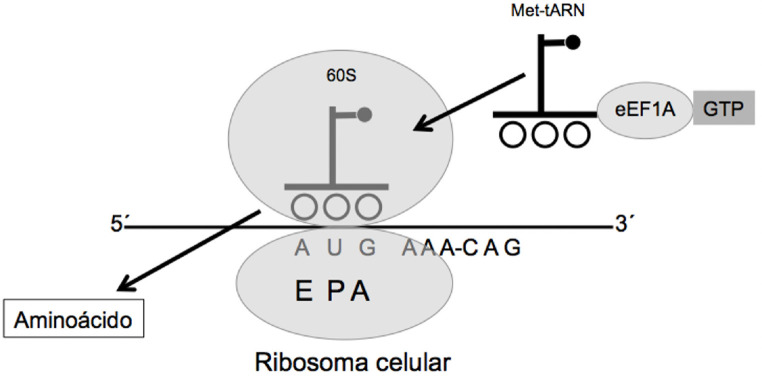
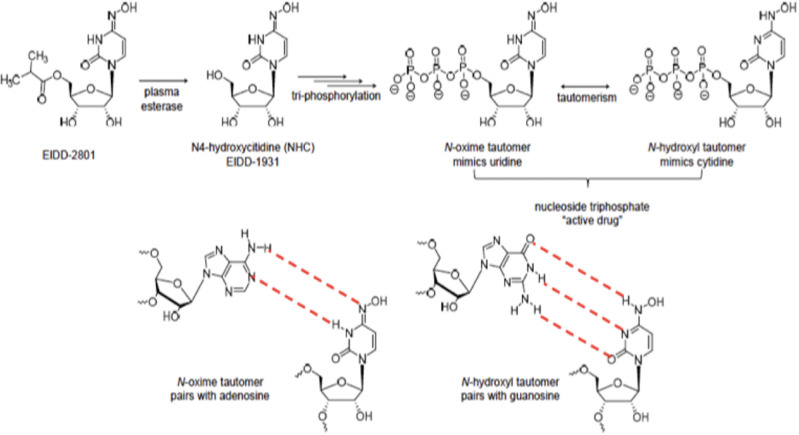
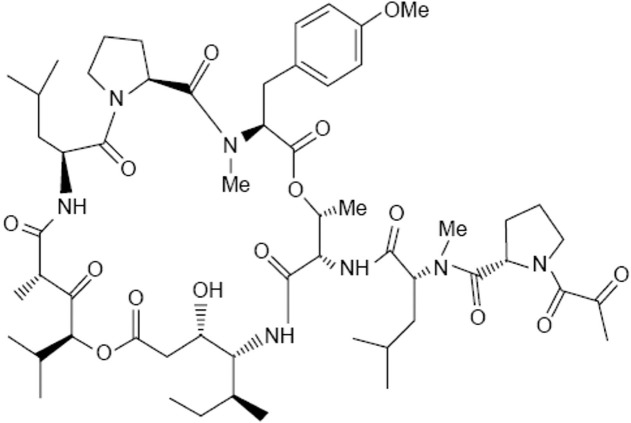
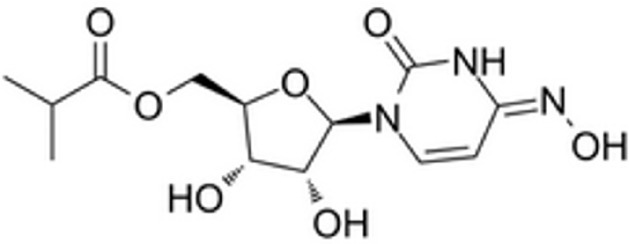
The knowledge of the replicative cycle of SARS-CoV-2 and its interactions with cellular proteins has opened a new therapeutic possibility based on blocking those essential for the virus. The cellular protein elongation factor eEF1A could be a good target. Among its natural inhibitors are didemnins and their related chemical compounds such as plitidepsin. In human cell culture, this compound is capable of inhibiting the virus with a potency 27,5 times that of remdesivir. It must be administered intravenously. Of the ribonucleoside analogues, molnupiravir (MK-4483/EIDD-2801) (hydroxy-cytidine) determines a lethal mutagenesis on SARS-CoV-2. In animals, after oral administration, the pulmonary viral load decreases 25,000 times and when administered as prophylaxis, approximately 100,000 times. It prevents the transmission of the virus and eliminates its presence in the oropharynx. Both chemicals have started Phase I / II human clinical trials.
对严重急性呼吸综合征冠状病毒2(SARS-CoV-2)复制周期及其与细胞蛋白相互作用的了解,开启了基于阻断病毒必需蛋白的新治疗可能性。细胞蛋白延伸因子eEF1A可能是一个良好的靶点。其天然抑制剂包括didemnins及其相关化合物,如plitidepsin。在人类细胞培养中,该化合物抑制病毒的效力是瑞德西韦的27.5倍。它必须通过静脉注射给药。在核糖核苷类似物中,莫努匹拉韦(MK-4483/EIDD-2801)(羟基胞苷)可导致SARS-CoV-2发生致死性诱变。在动物中,口服给药后,肺部病毒载量降低25000倍,预防性给药时降低约100000倍。它可防止病毒传播并消除其在口咽中的存在。这两种化学物质均已开始I/II期人体临床试验。