Environmental Health and Ecological Sciences, Ifakara Health Institute, Ifakara, Tanzania.
School of Public Health, University of the Witwatersrand, Johannesburg, Republic of South Africa.
J Infect Dis. 2021 Apr 27;223(12 Suppl 2):S143-S154. doi: 10.1093/infdis/jiaa653.
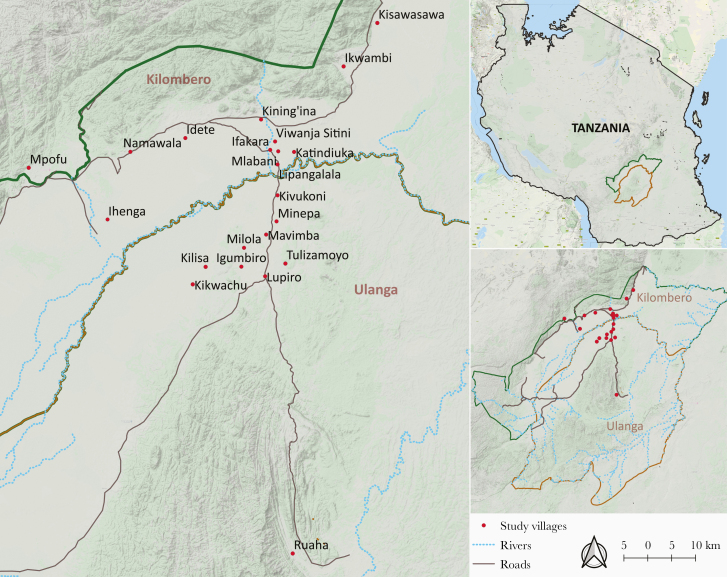
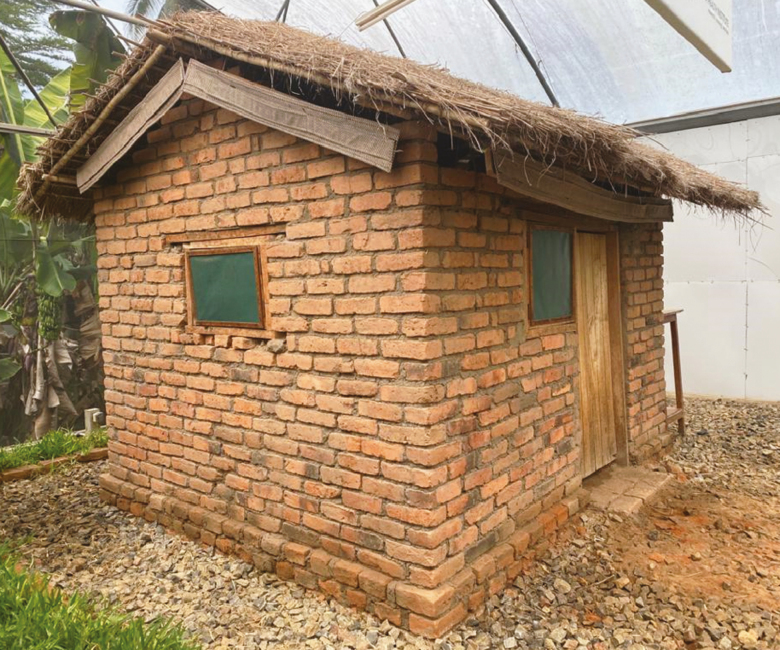
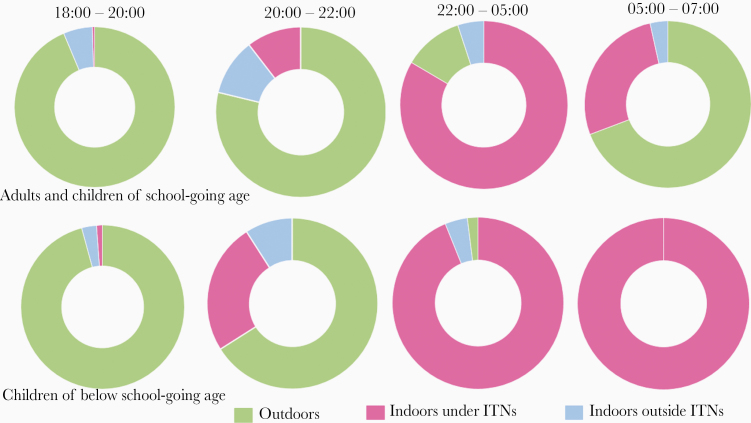
After 2 decades of using insecticide-treated nets (ITNs) and improved case management, malaria burden in the historically-holoendemic Kilombero valley in Tanzania has significantly declined. We review key characteristics of the residual transmission and recommend options for improvement. Transmission has declined by >10-fold since 2000 but remains heterogeneous over small distances. Following the crash of Anopheles gambiae, which coincided with ITN scale-up around 2005-2012, Anopheles funestus now dominates malaria transmission. While most infections still occur indoors, substantial biting happens outdoors and before bed-time. There is widespread resistance to pyrethroids and carbamates; An. funestus being particularly strongly-resistant. In short and medium-term, these challenges could be addressed using high-quality indoor residual spraying with nonpyrethroids, or ITNs incorporating synergists. Supplementary tools, eg, spatial-repellents may expand protection outdoors. However, sustainable control requires resilience-building approaches, particularly improved housing and larval-source management to suppress mosquitoes, stronger health systems guaranteeing case-detection and treatment, greater community-engagement and expanded health education.
经过 20 年的使用杀虫剂处理过的蚊帐(ITN)和改进的病例管理,坦桑尼亚历史上全疫区基洛姆贝罗山谷的疟疾负担显著下降。我们回顾了残留传播的关键特征,并为改进提出了一些建议。自 2000 年以来,传播已经减少了 10 多倍,但在小范围内仍然存在异质性。随着 2005-2012 年期间与 ITN 推广同时发生的冈比亚按蚊的崩溃,现在恶性疟原虫主导了疟疾的传播。虽然大多数感染仍然发生在室内,但大量的叮咬发生在室外和睡前。已经广泛存在对拟除虫菊酯和氨基甲酸酯的抗药性;恶性疟原虫尤其具有很强的抗药性。在短期和中期内,这些挑战可以通过使用非拟除虫菊酯的高质量室内残留喷雾或含有增效剂的 ITN 来解决。补充工具,例如空间驱避剂,可能会扩大户外的保护范围。然而,可持续控制需要建立弹性的方法,特别是改善住房和幼虫源管理以抑制蚊子,加强卫生系统以保证病例发现和治疗,增强社区参与和扩大健康教育。