Malik Yogender, Singh Kulwant, Yadav Sarita, Vashist Yogesh Kumar, Garg Anil, Kumar Sunil, Sharma Gaurav
Department of Forensic Medicine, BPS Government Medical College for Women, Sonipat, Haryana, India.
Department of Pathology, BPS Government Medical College for Women, Sonipat, Haryana, India.
Int J Appl Basic Med Res. 2021 Apr-Jun;11(2):120-124. doi: 10.4103/ijabmr.IJABMR_579_20. Epub 2021 Apr 8.
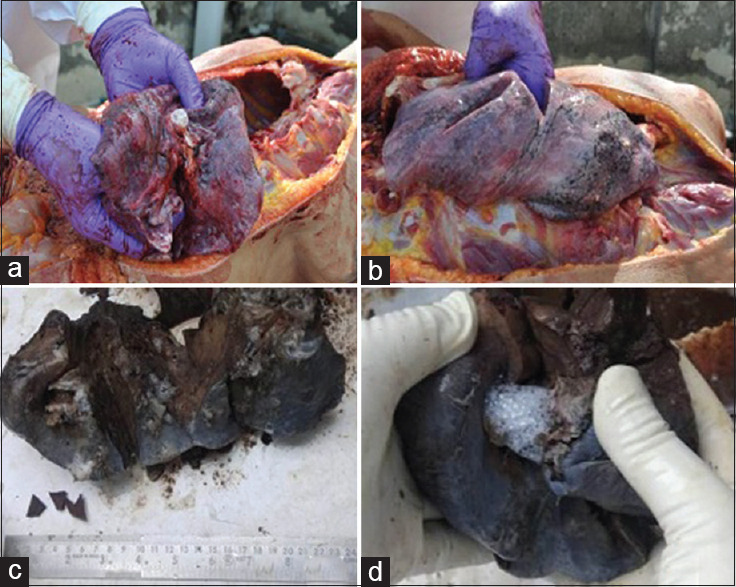
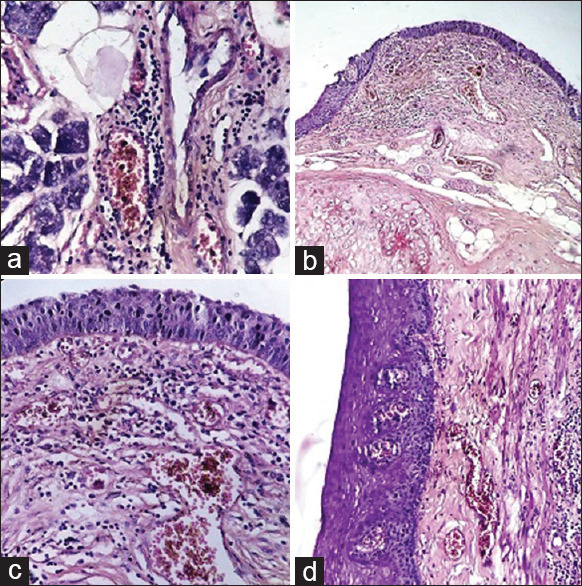
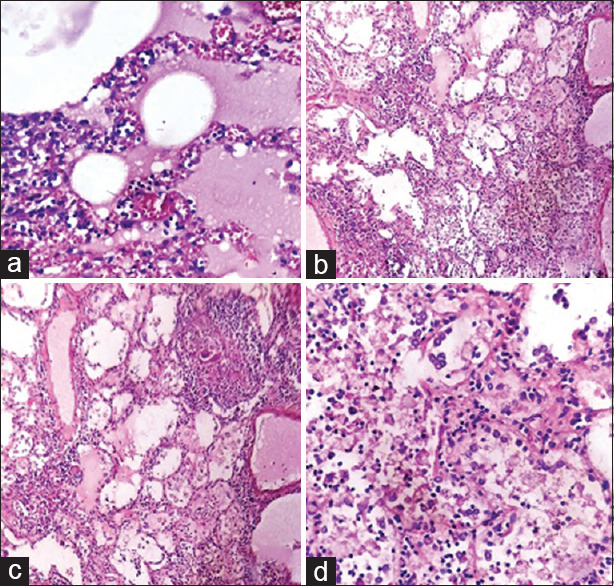
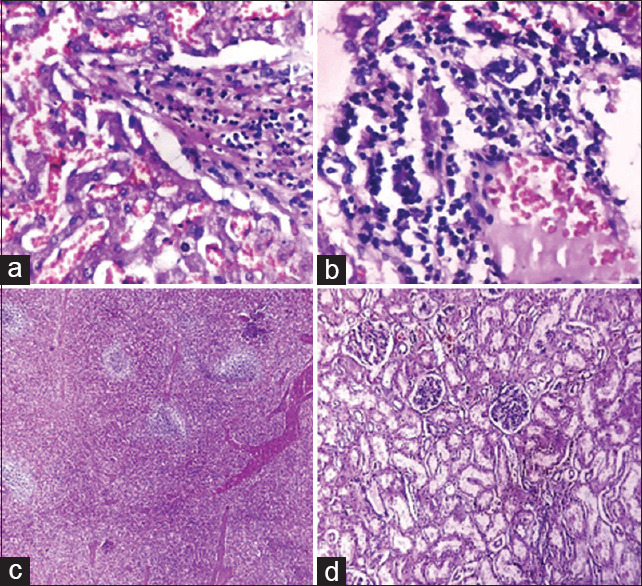
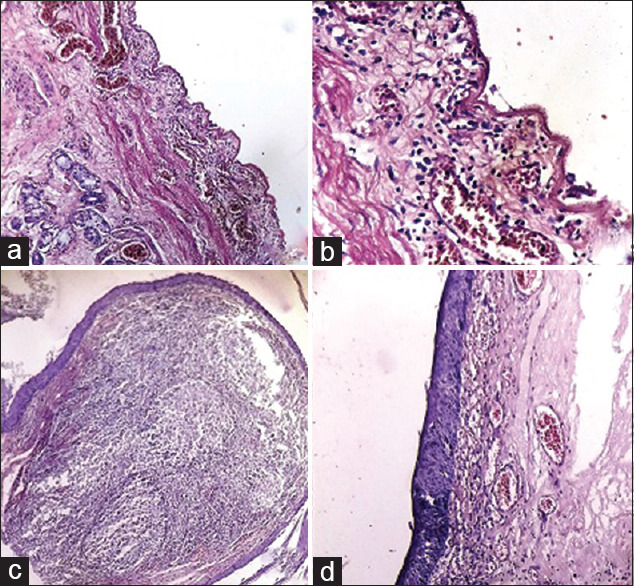
The severe acute respiratory syndrome (SARS)-coronavirus- 2 (CoV-2) outbreak in Wuhan, China has now spread to many countries across the world including the India with an increasing death toll. On March 11, 2020, the new clinical condition COVID-19 (Corona-Virus-Disease-19) was declared a pandemic by the World Health Organization (WHO). Owing to its infectivity, high risk of transmission, and limited handling of dead bodies, published data on the course of diseases has been limited. Most patients with COVID-19 have a mild disease course and remain as asymptomatic carrier; however, few patients of older age and with co-morbidites develop severe disease leading on to fatality. If due to COVID-19 infection death occurs, an autopsy is unlikely. However in unnatural deaths the legal duty impels the proper performance of a full autopsy, to find out the cause and manner of death. The detailed autopsy examination along with histo-pathological findings in the organs of asymptomatic patient of COVID-19 and its comparison with microscopic findings in Aluminium Phosphide poisoning are discussed below. This will summarizes the research status for COVID-19 deaths, which will be important for evaluation of cause of death, prevention, control and clinical strategies of COVID-19.
中国武汉爆发的严重急性呼吸综合征冠状病毒2(SARS-CoV-2)疫情现已蔓延至包括印度在内的世界许多国家,死亡人数不断增加。2020年3月11日,世界卫生组织(WHO)宣布新型临床病症2019冠状病毒病(COVID-19)为大流行病。由于其传染性、高传播风险以及尸体处理受限,关于疾病病程的已发表数据有限。大多数COVID-19患者病程较轻,仍为无症状携带者;然而,少数老年患者和有合并症的患者会发展为重症甚至死亡。如果因COVID-19感染导致死亡,不太可能进行尸检。然而,在非自然死亡的情况下,法律责任促使进行全面尸检以查明死因和死亡方式。下文将讨论COVID-19无症状患者器官的详细尸检检查及组织病理学发现,并将其与磷化铝中毒的微观发现进行比较。这将总结COVID-19死亡病例的研究现状,这对于评估COVID-19的死因、预防、控制和临床策略具有重要意义。