Department of Biomedical Sciences, University of South Carolina School of Medicine Greenville, Greenville, SC, United States.
Department of Biology, Middle Tennessee State University, Murfreesboro, TN, United States.
Front Cell Infect Microbiol. 2021 Apr 12;11:635673. doi: 10.3389/fcimb.2021.635673. eCollection 2021.
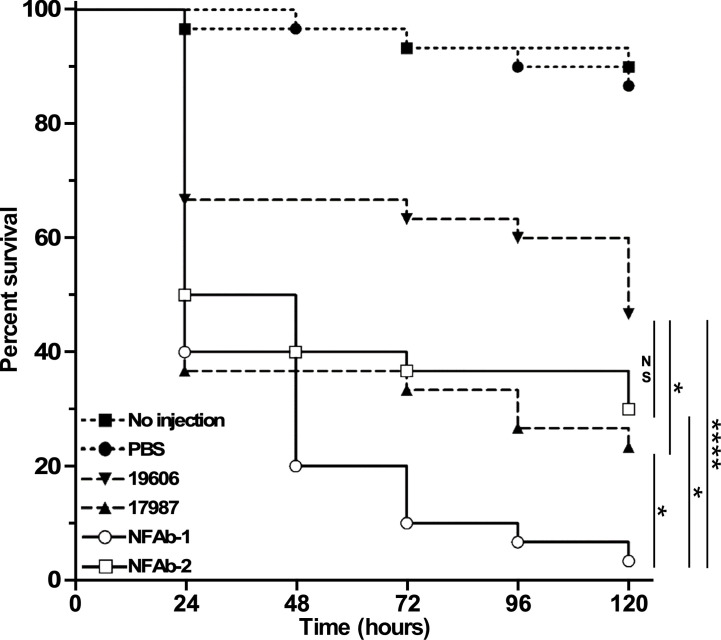
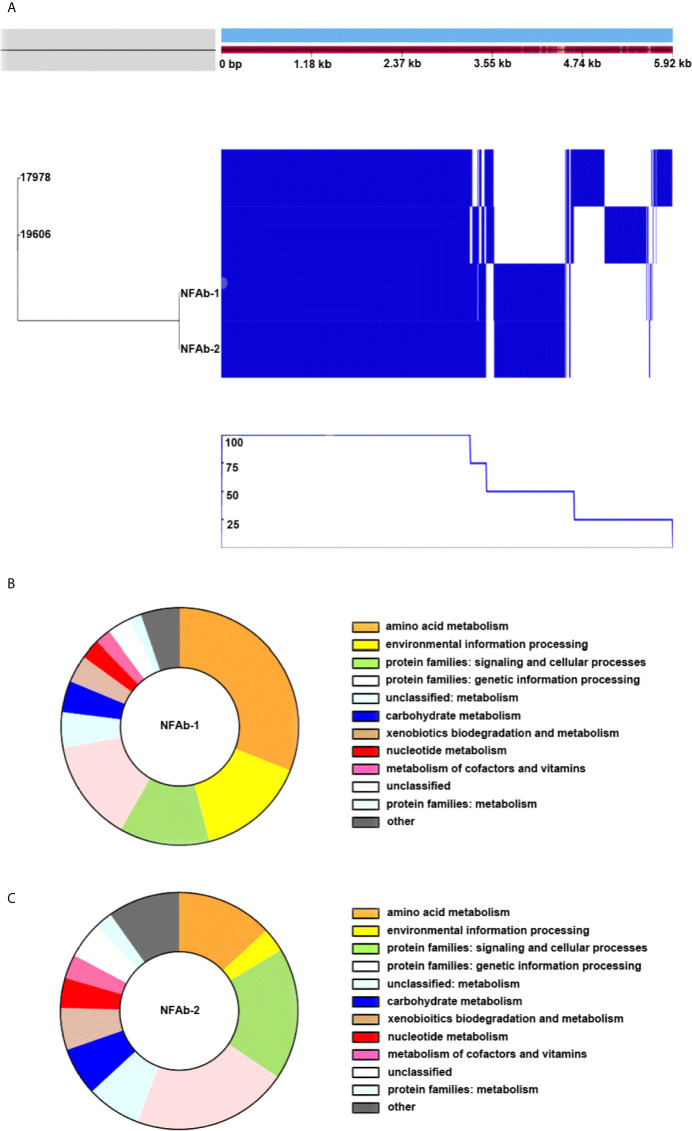
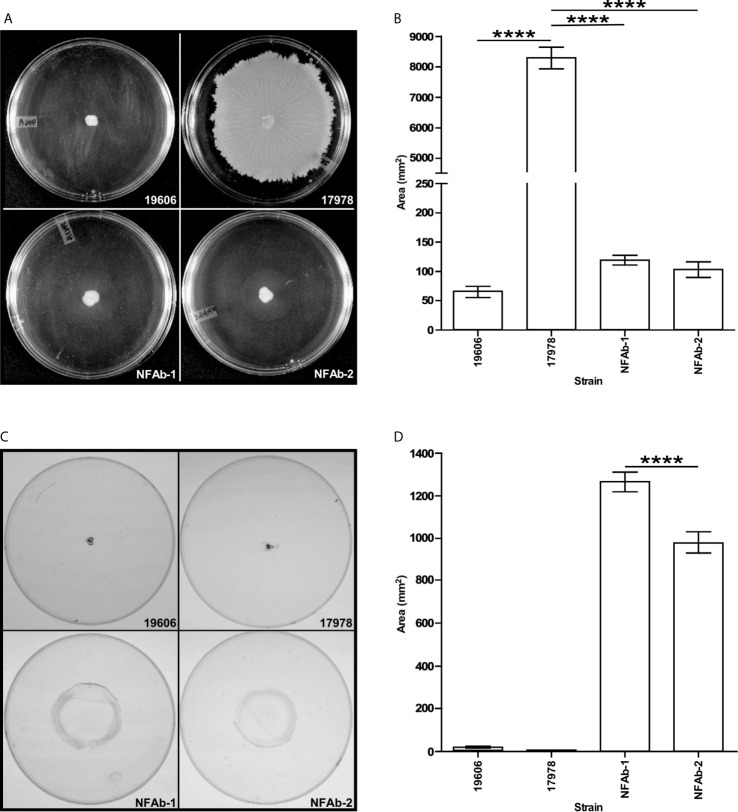
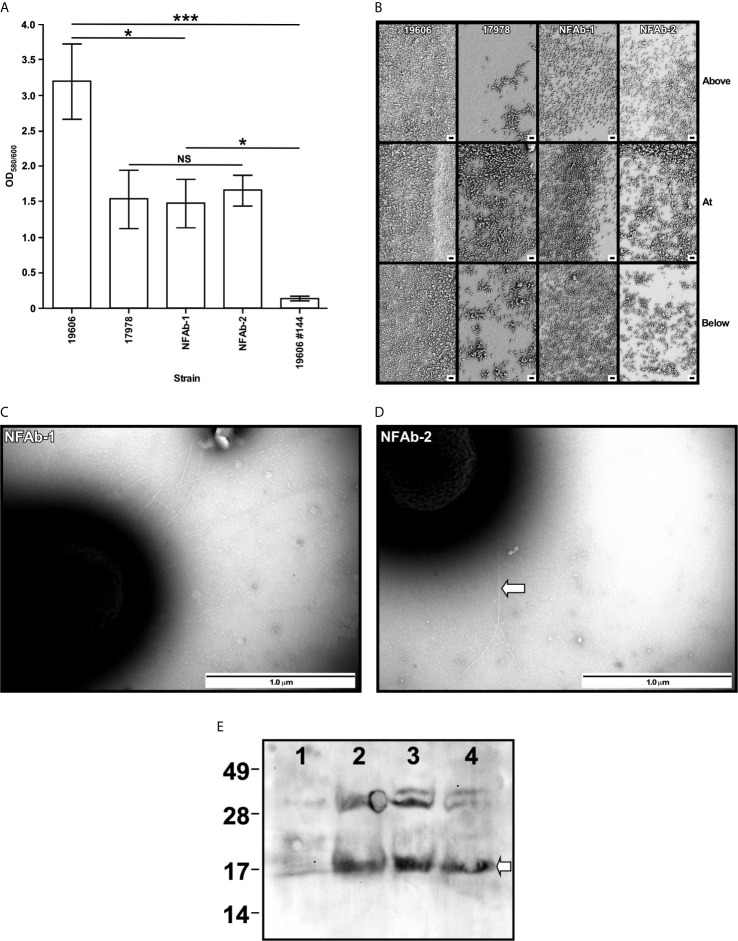
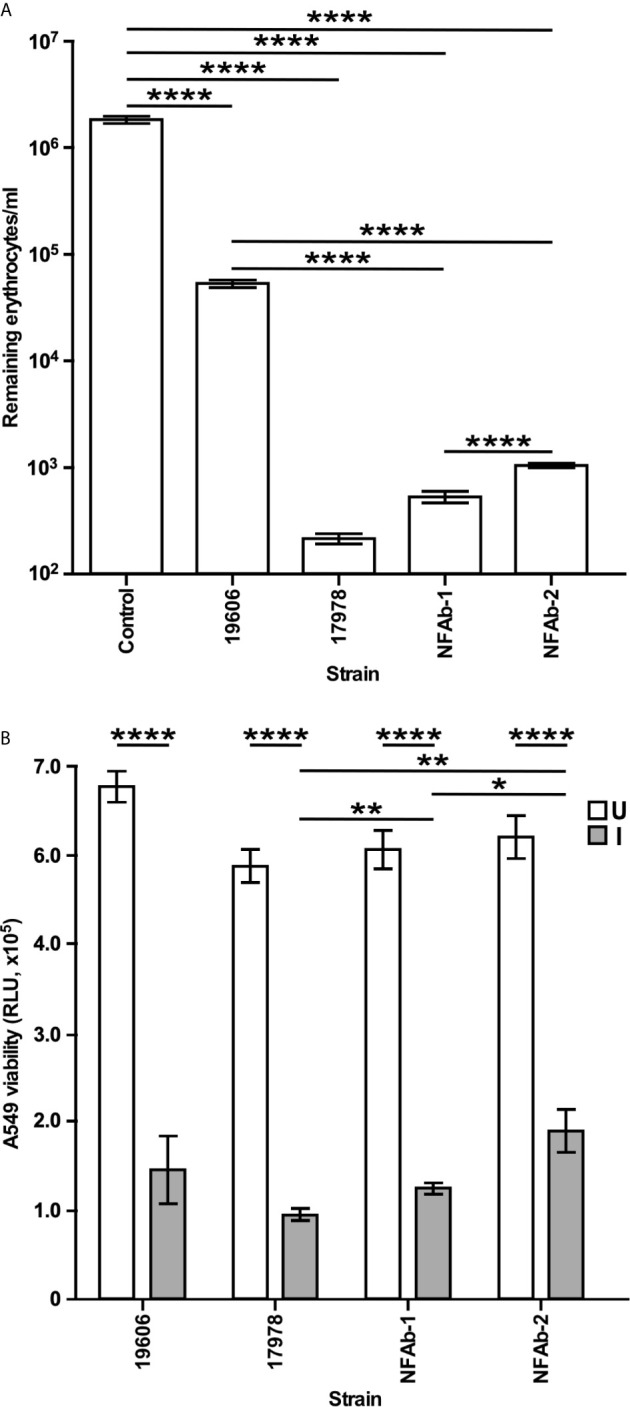
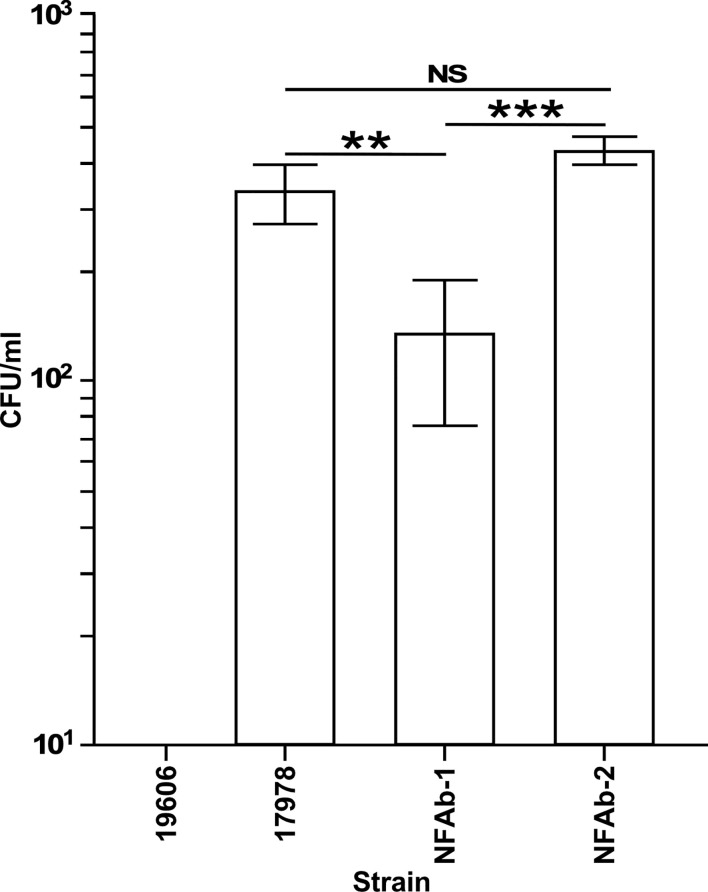
has been recognized as a critical pathogen that causes severe infections worldwide not only because of the emergence of extensively drug-resistant (XDR) derivatives, but also because of its ability to persist in medical environments and colonize compromised patients. While there are numerous reports describing the mechanisms by which this pathogen acquires resistance genes, little is known regarding 's virulence functions associated with rare manifestations of infection such as necrotizing fasciitis, making the determination and implementation of alternative therapeutic targets problematic. To address this knowledge gap, this report describes the analysis of the NFAb-1 and NFAb-2 XDR isolates, which were obtained at two time points during a fatal case of necrotizing fasciitis, at the genomic and functional levels. The comparative genomic analysis of these isolates with the ATCC 19606 and ATCC 17978 strains showed that the NFAb-1 and NFAb-2 isolates are genetically different from each other as well as different from the ATCC 19606 and ATCC 17978 clinical isolates. These genomic differences could be reflected in phenotypic differences observed in these NFAb isolates. Biofilm, cell viability and flow cytometry assays indicate that all tested strains caused significant decreases in A549 human alveolar epithelial cell viability with ATCC 17978, NFAb-1 and NFAb-2 producing significantly less biofilm and significantly more hemolysis and capacity for intracellular invasion than ATCC 19606. NFAb-1 and NFAb-2 also demonstrated negligible surface motility but significant twitching motility compared to ATCC 19606 and ATCC 17978, likely due to the presence of pili exceeding 2 µm in length, which are significantly longer and different from those previously described in the ATCC 19606 and ATCC 17978 strains. Interestingly, infection with cells of the NFAb-1 isolate, which were obtained from a premortem blood sample, lead to significantly higher mortality rates than NFAb-2 bacteria, which were obtained from postmortem tissue samples, when tested using the infection model. These observations suggest potential changes in the virulence phenotype of the necrotizing fasciitis isolates over the course of infection by mechanisms and cell processes that remain to be identified.
已经被认为是一种重要的病原体,它会导致世界各地的严重感染,不仅因为出现了广泛耐药(XDR)衍生物,还因为它能够在医疗环境中存活并定植于受损的患者身上。虽然有许多报道描述了这种病原体获得耐药基因的机制,但对于其与坏死性筋膜炎等罕见感染表现相关的毒力功能知之甚少,这使得确定和实施替代治疗靶点成为一个问题。为了填补这一知识空白,本报告描述了对 NFAb-1 和 NFAb-2 XDR 分离株的分析,这些分离株是在一例致命性坏死性筋膜炎病例的两个时间点获得的,从基因组和功能水平进行了分析。对这些分离株与 ATCC 19606 和 ATCC 17978 株的比较基因组分析表明,NFAb-1 和 NFAb-2 分离株在遗传上彼此不同,与 ATCC 19606 和 ATCC 17978 临床分离株也不同。这些基因组差异可能反映在这些 NFAb 分离株中观察到的表型差异。生物膜、细胞活力和流式细胞术分析表明,所有测试的菌株都会导致 A549 人肺泡上皮细胞活力显著下降,其中 ATCC 17978、NFAb-1 和 NFAb-2 产生的生物膜显著减少,溶血和细胞内入侵能力显著增强,而 ATCC 19606 则显著减少。NFAb-1 和 NFAb-2 也表现出几乎没有表面迁移能力,但与 ATCC 19606 和 ATCC 17978 相比,具有显著的抽动迁移能力,这可能是由于存在超过 2 µm 长的菌毛,与之前在 ATCC 19606 和 ATCC 17978 株中描述的菌毛显著不同。有趣的是,与 NFAb-2 细菌相比,从生前血样中获得的 NFAb-1 分离株感染细胞导致的死亡率明显更高,而 NFAb-2 细菌是从死后组织样本中获得的,当使用 感染模型进行测试时。这些观察结果表明,在感染过程中,坏死性筋膜炎分离株的毒力表型可能发生了潜在变化,其机制和细胞过程仍有待确定。