Khansaritoreh Elmira, Salmaki Yasaman, Akbari Azirani Tayebeh, Henareh Farnood, Alizadeh Kamaleddin, Ramezani Elias, Zarre Shahin, Beckh Gudrun, Behling Hermann
University of Goettingen, Department of Palynology and Climate Dynamics, Untere Karspüle 2, 37073, Goettingen, Germany.
Department of Plant Science, Center of Excellence in Phylogeny of Living Organisms, School of Biology, College of Science, University of Tehran, P.O. Box 14155-6455, Tehran, Iran.
Heliyon. 2021 Apr 10;7(4):e06651. doi: 10.1016/j.heliyon.2021.e06651. eCollection 2021 Apr.
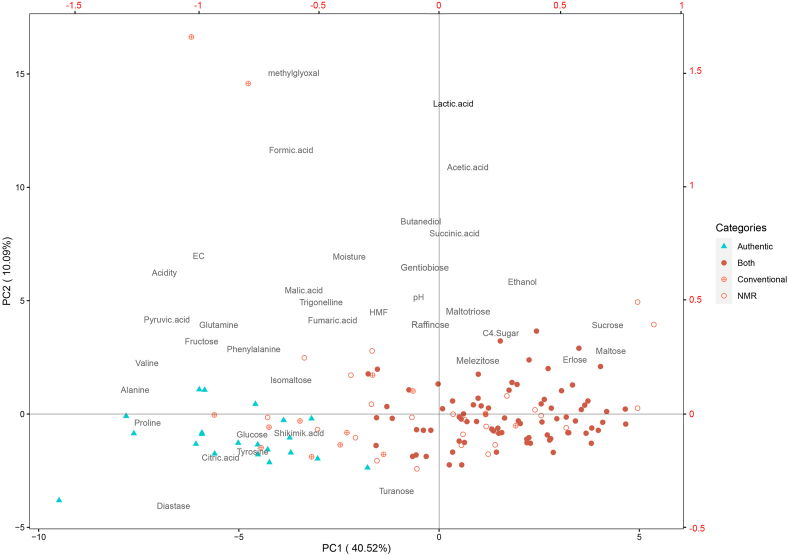
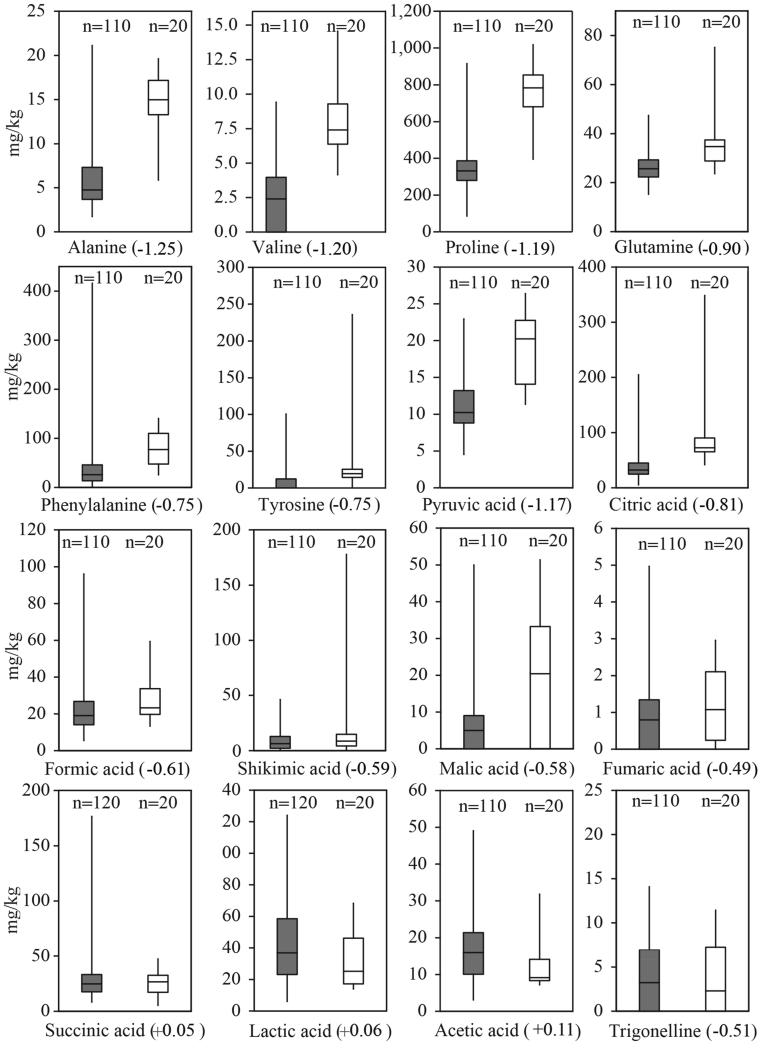
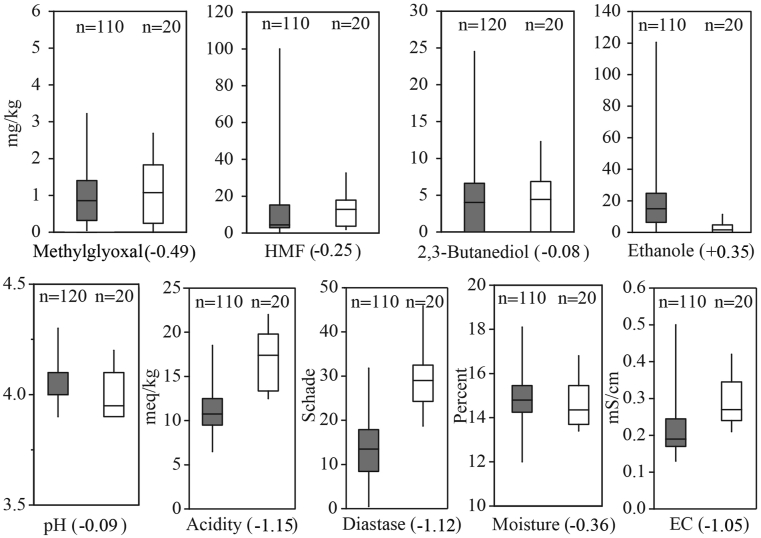
Iran is one of the largest honey-producing countries worldwide and is considered as an important source of honey for international markets. However, since Iran is not registered for honey export to Europe, the quality of Iranian honey remains unknown to European traders. As the first step in filling this gap, we analyzed 225 honey samples using palynology, sensory, nuclear magnetic resonance (NMR) and conventional physicochemical analyses as outlined by the European Union coordinated control plan. The results show that while various types of genuine unifloral honey can be harvested in Iran, 85% of collected samples were adulterated. Performing principal component analysis on physicochemical parameters reveals that feeding tablet sugar and syrup of C4 origin to bees during the foraging season is a common mode of fraud. Replacement of natural nectar with sugar syrup together with presence of intensive aftertaste from and affect the taste of unifloral honeys produced in Iran.
伊朗是全球最大的蜂蜜生产国之一,被视为国际市场蜂蜜的重要来源。然而,由于伊朗未注册向欧洲出口蜂蜜,欧洲贸易商对伊朗蜂蜜的质量仍不了解。作为填补这一空白的第一步,我们按照欧盟协调控制计划,采用孢粉学、感官分析、核磁共振(NMR)和常规理化分析方法,对225份蜂蜜样本进行了分析。结果表明,虽然伊朗能收获各类纯正的单花蜂蜜,但所采集样本中有85%被掺假。对理化参数进行主成分分析显示,在觅食季节给蜜蜂喂食片状糖和C4来源的糖浆是一种常见的掺假方式。用糖浆替代天然花蜜以及存在来自[此处原文缺失相关内容]的强烈余味,影响了伊朗生产的单花蜂蜜的口感。