Department of Biochemistry and Molecular Genetics, University of Colorado Anschutz Medical Campus, Aurora, CO.
Integrated Department of Immunology, University of Colorado Anschutz Medical Campus, Aurora, CO.
J Exp Med. 2021 Jun 7;218(6). doi: 10.1084/jem.20200560.
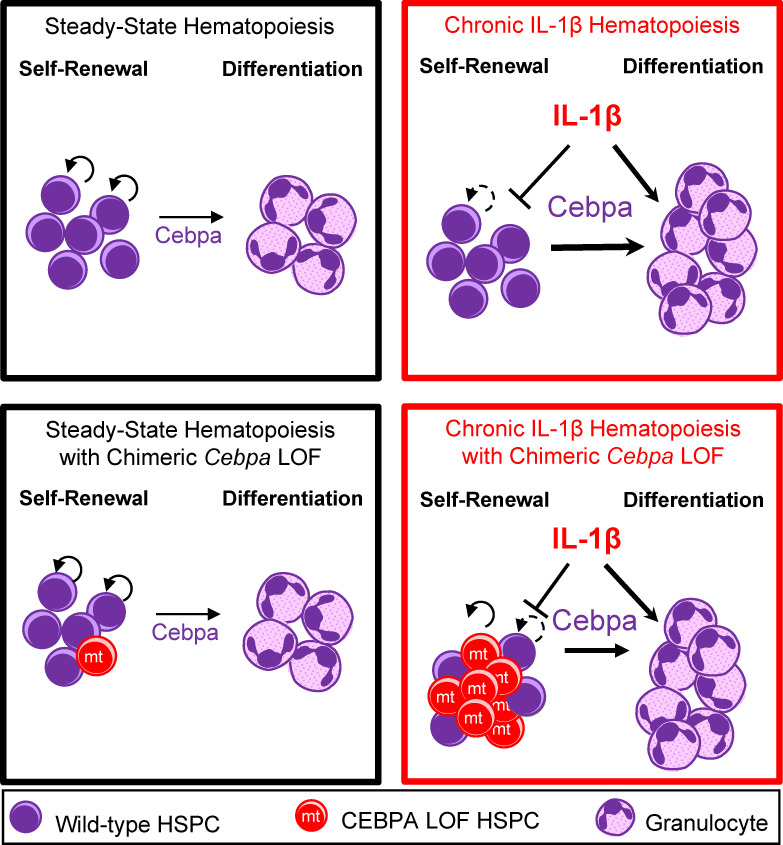
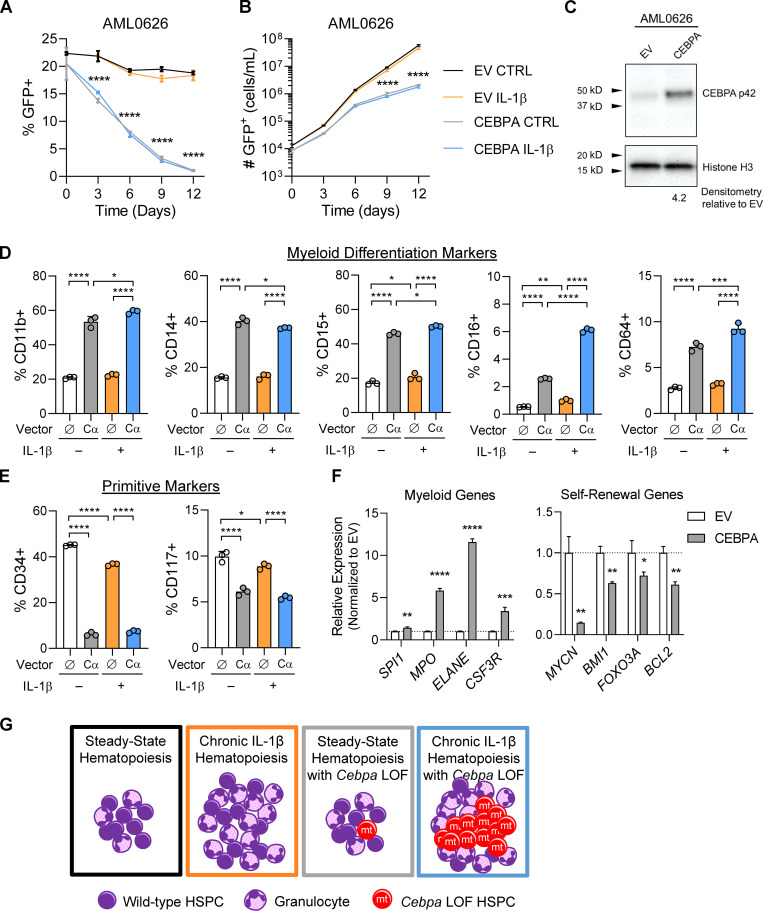
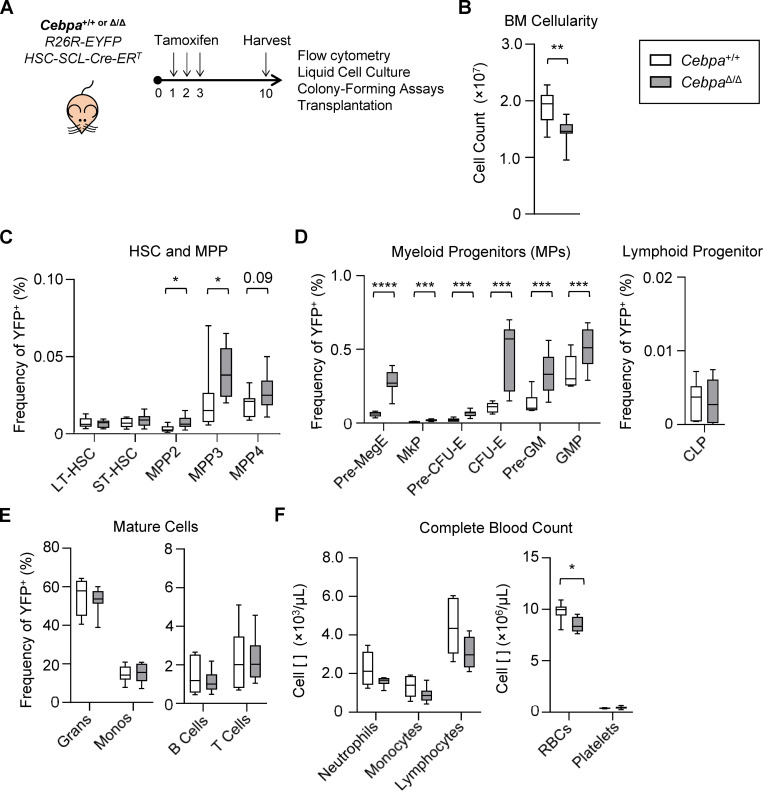
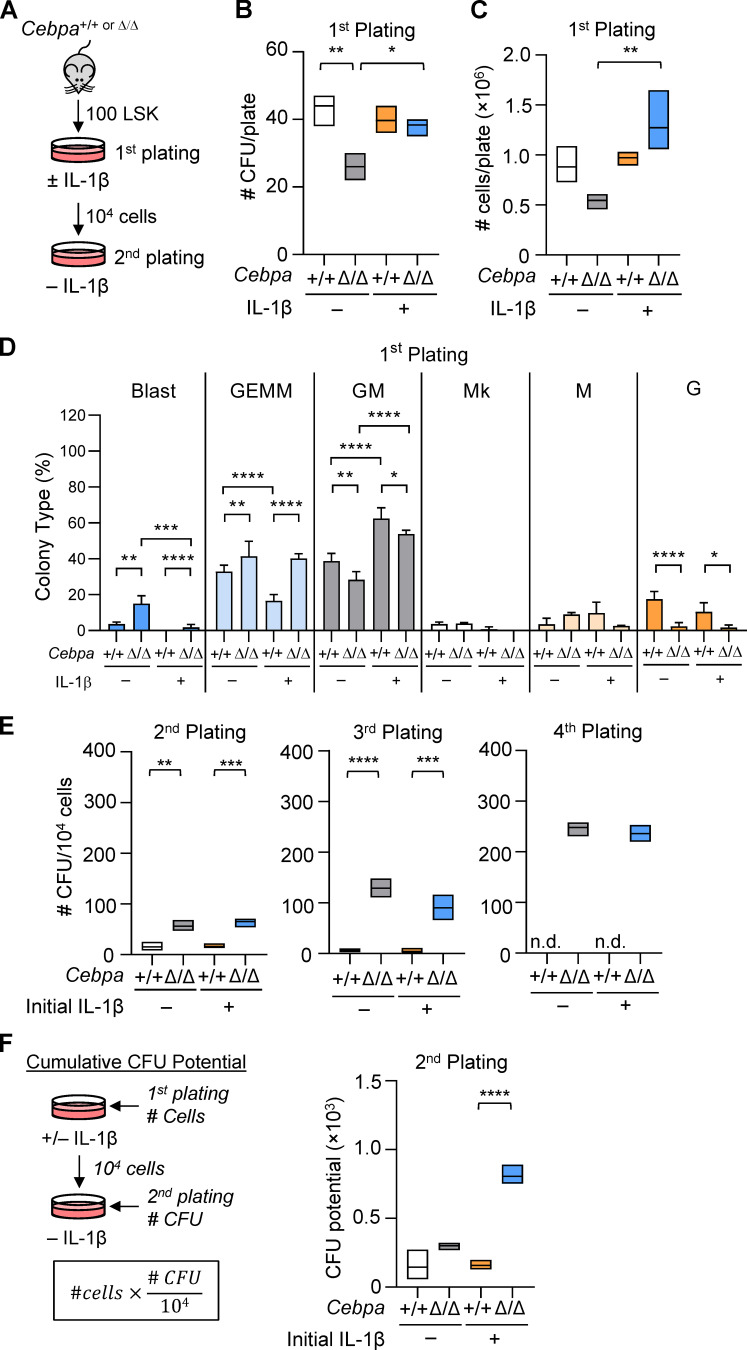
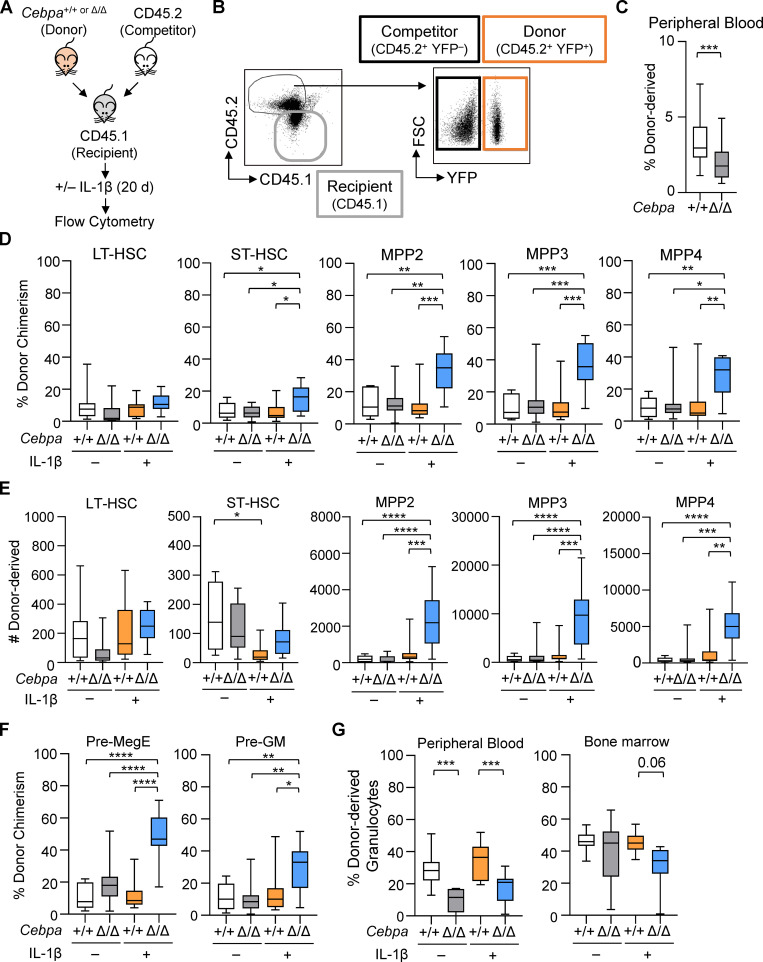
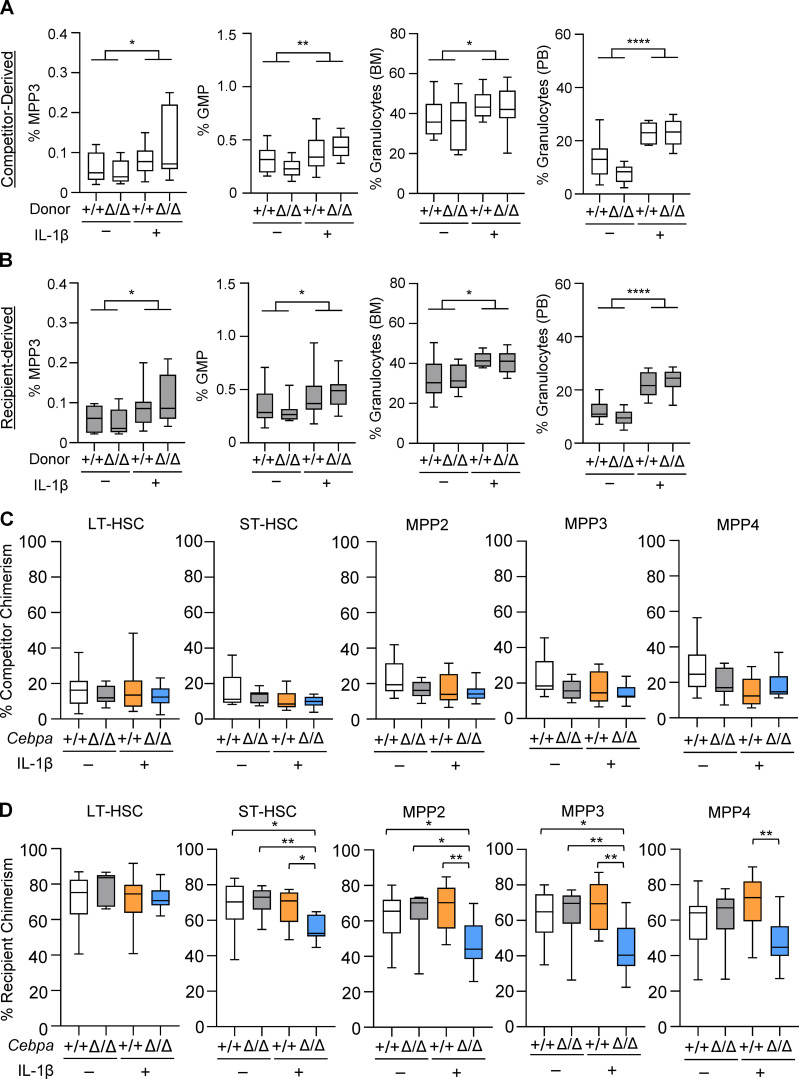
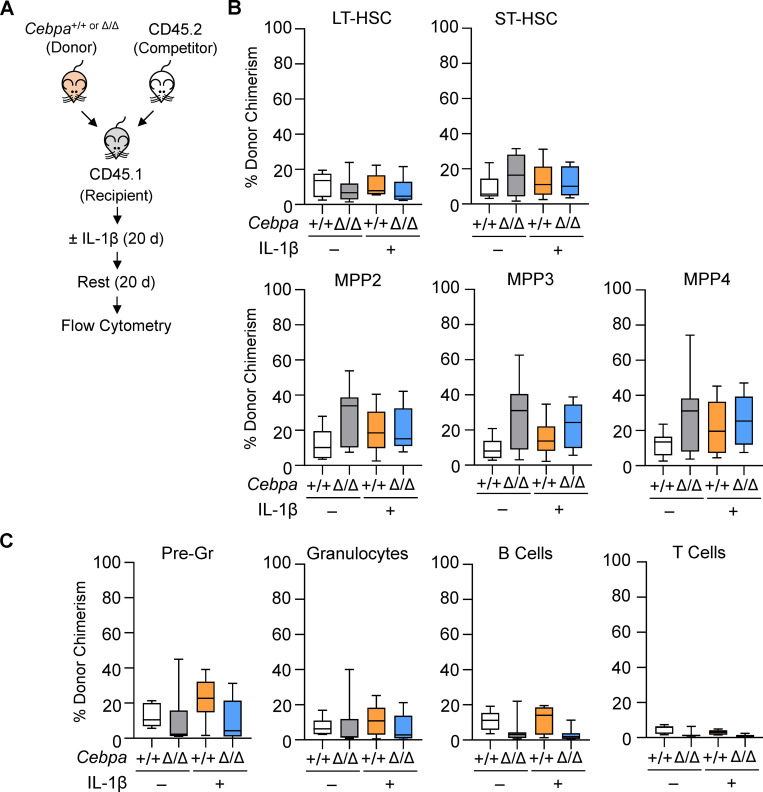
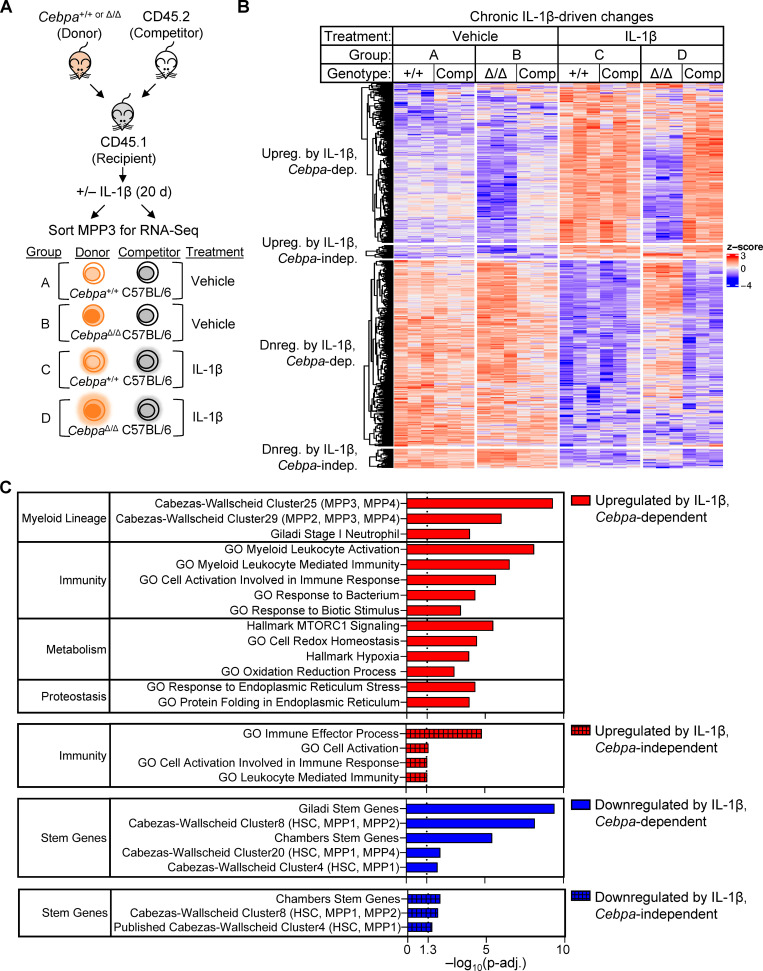
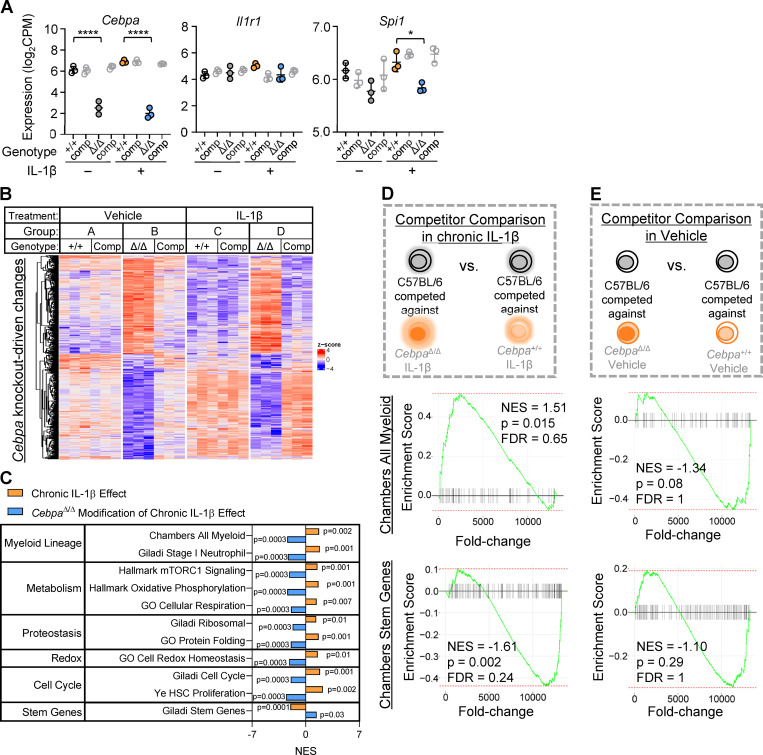
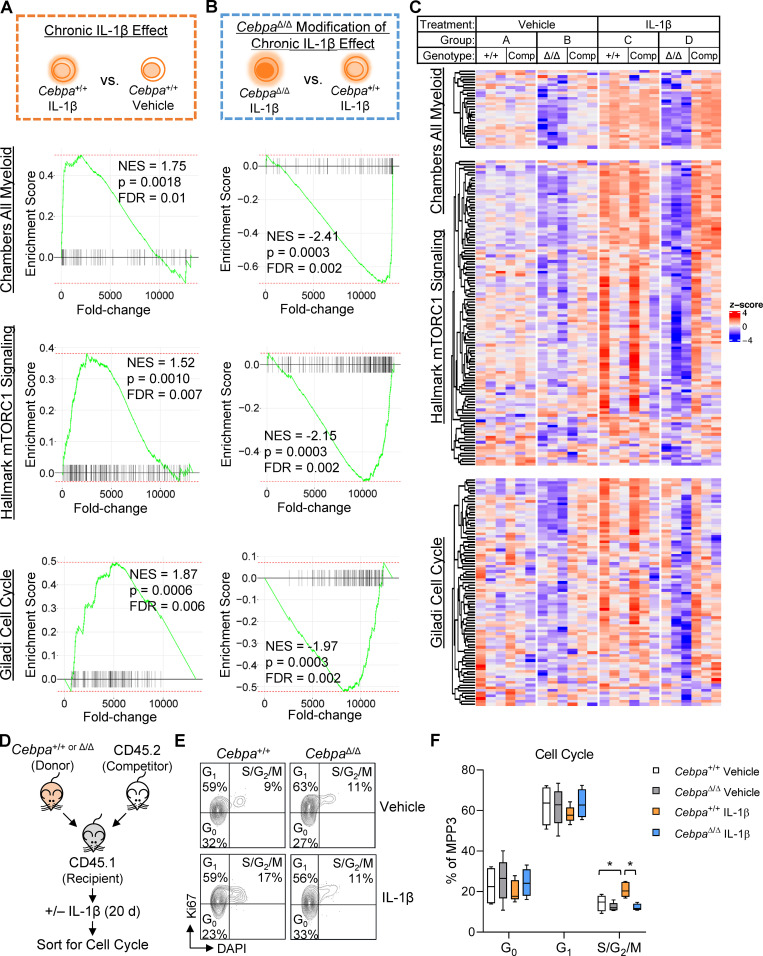
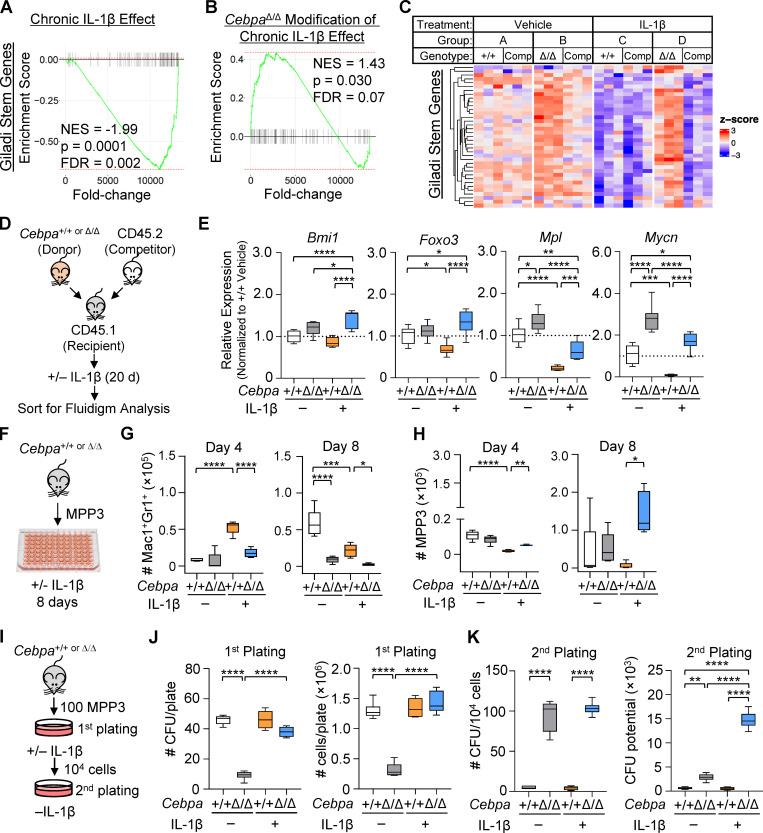
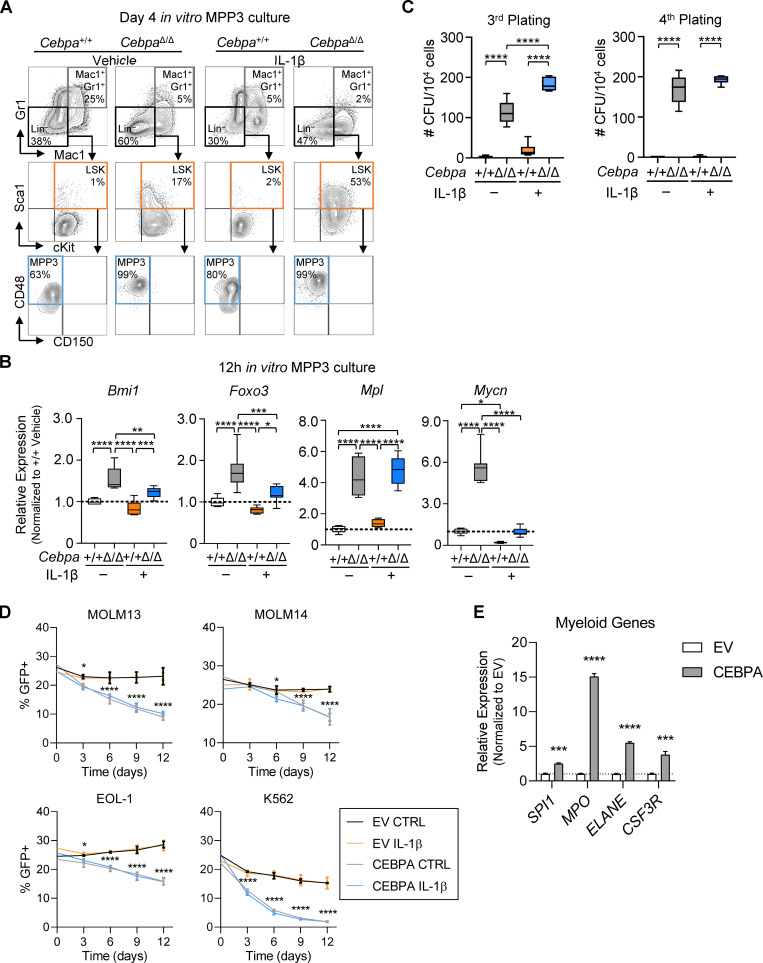
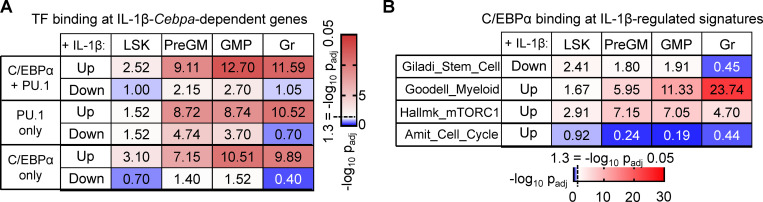
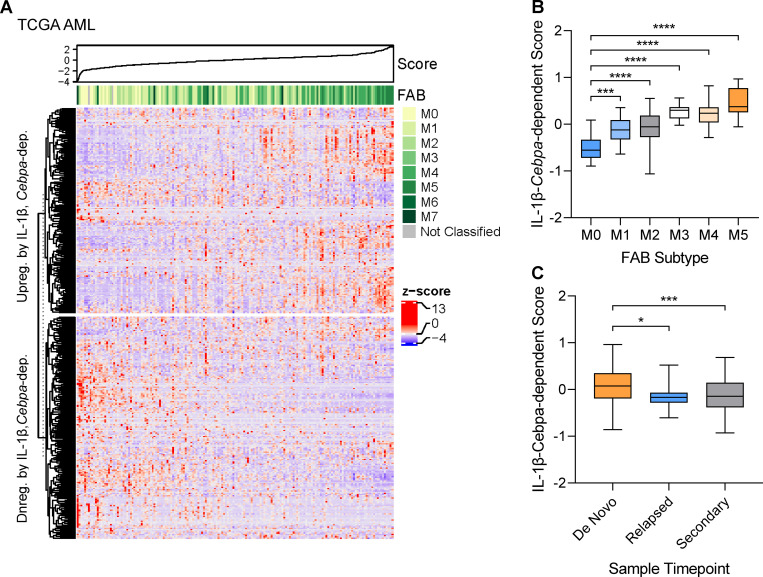
The early events that drive myeloid oncogenesis are not well understood. Most studies focus on the cell-intrinsic genetic changes and how they impact cell fate decisions. We consider how chronic exposure to the proinflammatory cytokine, interleukin-1β (IL-1β), impacts Cebpa-knockout hematopoietic stem and progenitor cells (HSPCs) in competitive settings. Surprisingly, we found that Cebpa loss did not confer a hematopoietic cell-intrinsic competitive advantage; rather chronic IL-1β exposure engendered potent selection for Cebpa loss. Chronic IL-1β augments myeloid lineage output by activating differentiation and repressing stem cell gene expression programs in a Cebpa-dependent manner. As a result, Cebpa-knockout HSPCs are resistant to the prodifferentiative effects of chronic IL-1β, and competitively expand. We further show that ectopic CEBPA expression reduces the fitness of established human acute myeloid leukemias, coinciding with increased differentiation. These findings have important implications for the earliest events that drive hematologic disorders, suggesting that chronic inflammation could be an important driver of leukemogenesis and a potential target for intervention.
导致髓系肿瘤发生的早期事件尚不清楚。大多数研究都集中在细胞内在的遗传变化及其对细胞命运决定的影响。我们考虑了慢性暴露于促炎细胞因子白细胞介素 1β(IL-1β)如何影响竞争环境中的 Cebpa 敲除造血干细胞和祖细胞(HSPC)。令人惊讶的是,我们发现 Cebpa 缺失并没有赋予造血细胞内在的竞争优势;相反,慢性 IL-1β 暴露强烈选择 Cebpa 缺失。慢性 IL-1β 通过激活分化并以 Cebpa 依赖性方式抑制干细胞基因表达程序,增加髓系谱系产物。结果,Cebpa 敲除 HSPC 对慢性 IL-1β 的促分化作用具有抗性,并进行竞争扩展。我们进一步表明,异位 CEBPA 表达降低了已建立的人类急性髓系白血病的适应性,同时伴随着分化增加。这些发现对驱动血液疾病的最早事件具有重要意义,表明慢性炎症可能是白血病发生的重要驱动因素,也是干预的潜在目标。