Al Rihani Sweilem B, Darakjian Lucy I, Deodhar Malavika, Dow Pamela, Turgeon Jacques, Michaud Veronique
Tabula Rasa HealthCare, Precision Pharmacotherapy Research and Development Institute, Orlando, FL 32827, USA.
Faculty of Pharmacy, Université de Montréal, Montreal, QC H3C 3J7, Canada.
Int J Mol Sci. 2021 Apr 3;22(7):3742. doi: 10.3390/ijms22073742.
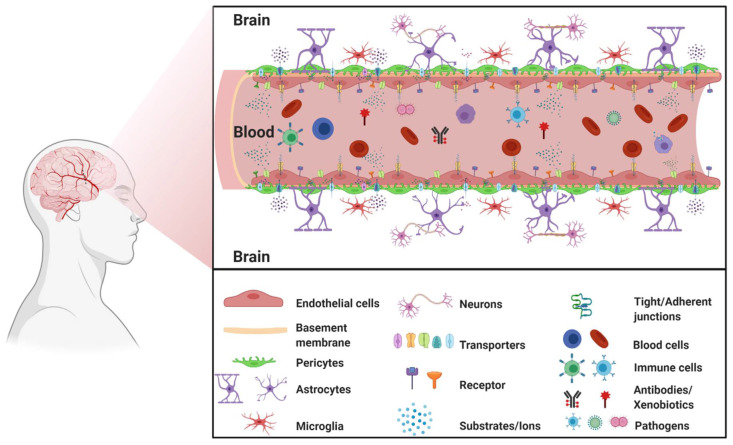
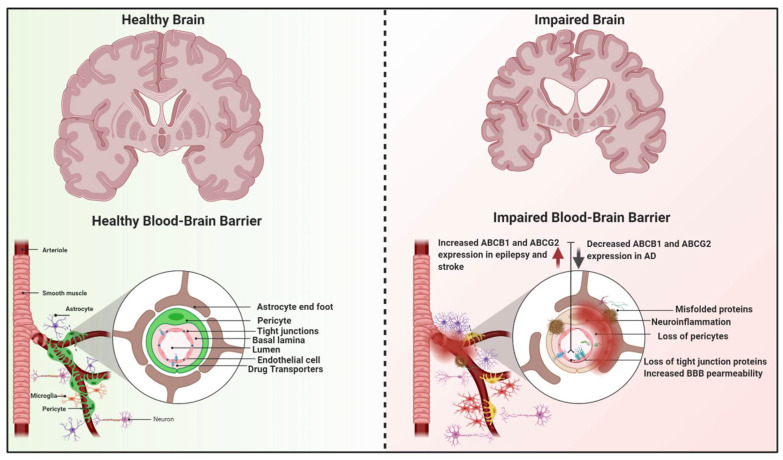
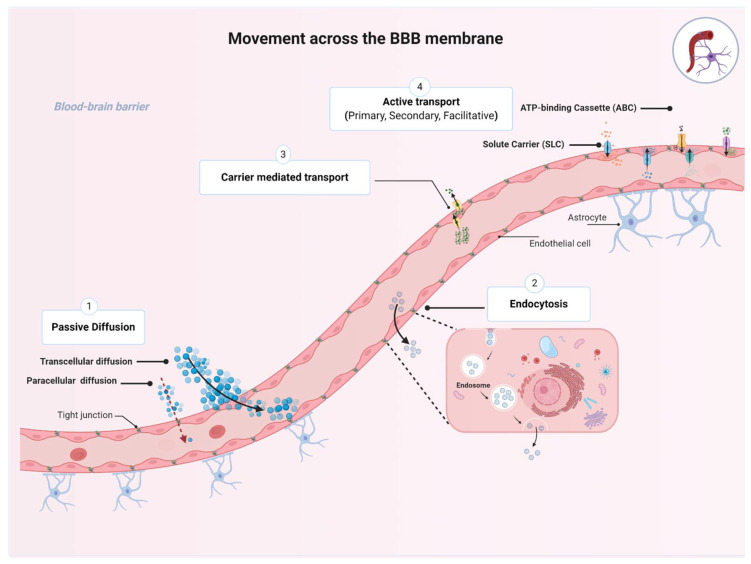
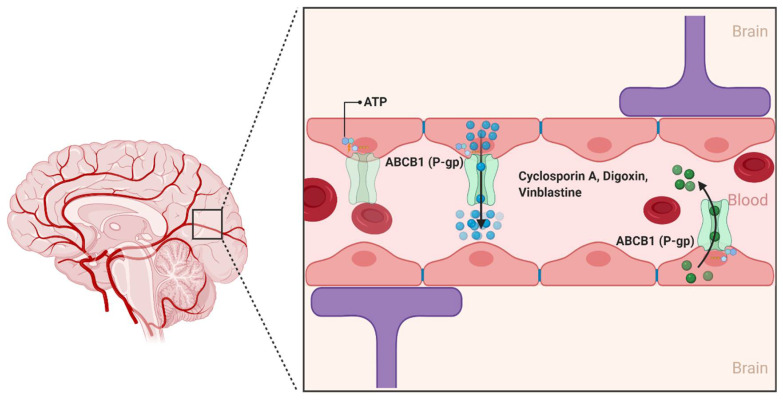
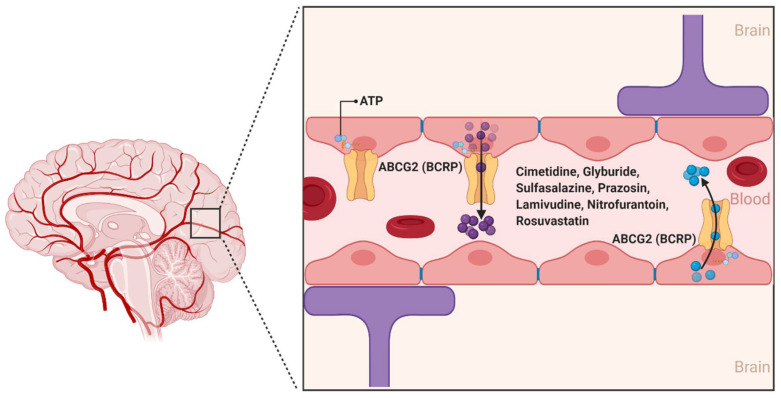
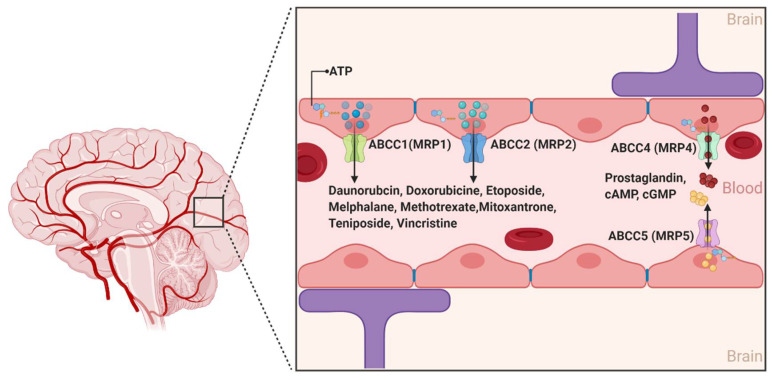
The blood-brain barrier (BBB) is a highly selective and restrictive semipermeable network of cells and blood vessel constituents. All components of the neurovascular unit give to the BBB its crucial and protective function, i.e., to regulate homeostasis in the central nervous system (CNS) by removing substances from the endothelial compartment and supplying the brain with nutrients and other endogenous compounds. Many transporters have been identified that play a role in maintaining BBB integrity and homeostasis. As such, the restrictive nature of the BBB provides an obstacle for drug delivery to the CNS. Nevertheless, according to their physicochemical or pharmacological properties, drugs may reach the CNS by passive diffusion or be subjected to putative influx and/or efflux through BBB membrane transporters, allowing or limiting their distribution to the CNS. Drug transporters functionally expressed on various compartments of the BBB involve numerous proteins from either the ATP-binding cassette (ABC) or the solute carrier (SLC) superfamilies. Pathophysiological stressors, age, and age-associated disorders may alter the expression level and functionality of transporter protein elements that modulate drug distribution and accumulation into the brain, namely, drug efficacy and toxicity. This review focuses and sheds light on the influence of inflammatory conditions and diseases such as Alzheimer's disease, epilepsy, and stroke on the expression and functionality of the BBB drug transporters, the consequential modulation of drug distribution to the brain, and their impact on drug efficacy and toxicity.
血脑屏障(BBB)是一个由细胞和血管成分构成的具有高度选择性和限制性的半透网络。神经血管单元的所有组成部分赋予血脑屏障至关重要的保护功能,即通过从内皮间隙清除物质并为大脑提供营养及其他内源性化合物来调节中枢神经系统(CNS)的内环境稳态。已鉴定出许多在维持血脑屏障完整性和内环境稳态中发挥作用的转运体。因此,血脑屏障的限制性为药物向中枢神经系统的递送造成了障碍。然而,根据其理化性质或药理特性,药物可能通过被动扩散进入中枢神经系统,或通过血脑屏障膜转运体进行假定的流入和/或流出,从而允许或限制其在中枢神经系统中的分布。在血脑屏障各个部分功能性表达的药物转运体涉及ATP结合盒(ABC)或溶质载体(SLC)超家族中的众多蛋白质。病理生理应激源、年龄及与年龄相关的疾病可能会改变转运体蛋白元件的表达水平和功能,这些元件可调节药物在脑内的分布和蓄积,即药物疗效和毒性。本综述聚焦并阐明炎症性疾病以及诸如阿尔茨海默病、癫痫和中风等疾病对血脑屏障药物转运体表达和功能的影响、药物向脑内分布的相应调节及其对药物疗效和毒性的影响。