Schvarcz Csaba András, Danics Lea, Krenács Tibor, Viana Pedro, Béres Rita, Vancsik Tamás, Nagy Ákos, Gyenesei Attila, Kun József, Fonović Marko, Vidmar Robert, Benyó Zoltán, Kaucsár Tamás, Hamar Péter
Institute of Translational Medicine, Semmelweis University, 1094 Budapest, Hungary.
1st Department of Pathology and Experimental Cancer Research, Semmelweis University, 1085 Budapest, Hungary.
Cancers (Basel). 2021 Apr 6;13(7):1744. doi: 10.3390/cancers13071744.
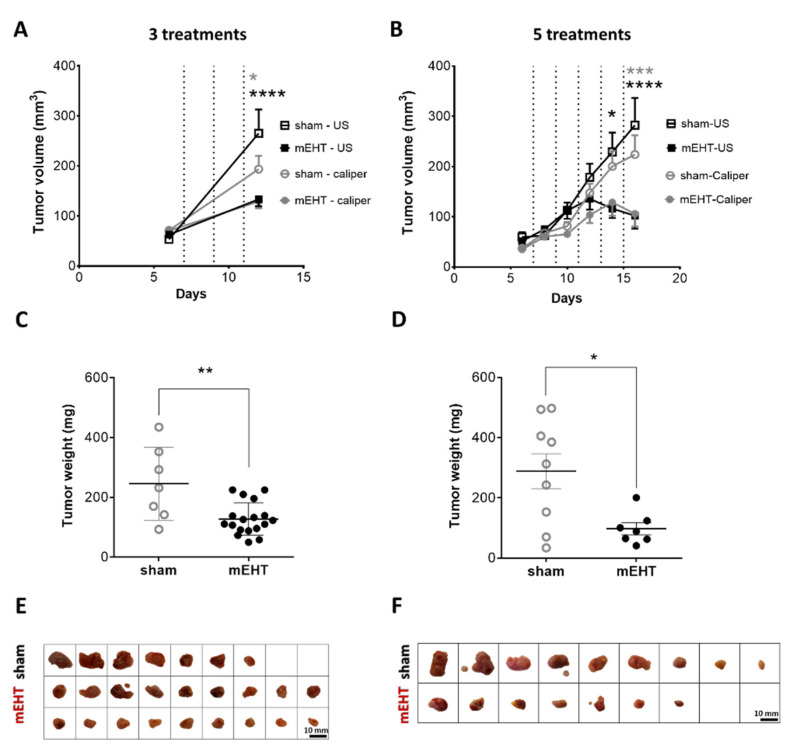
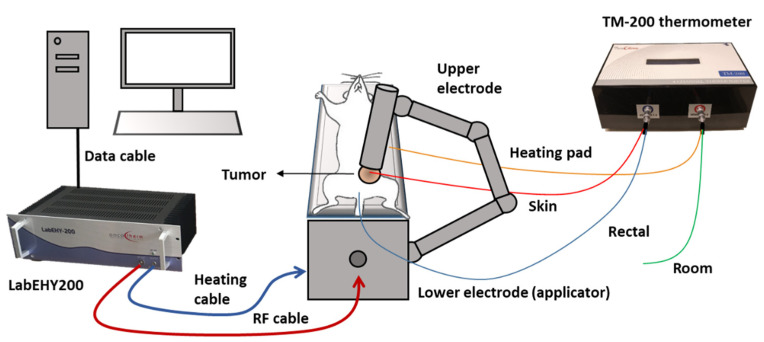
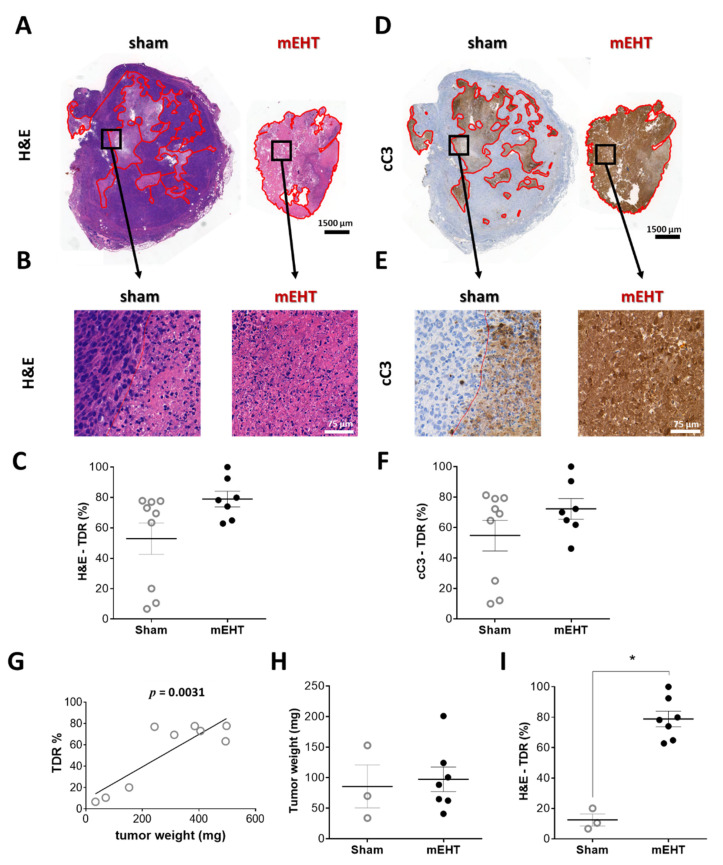
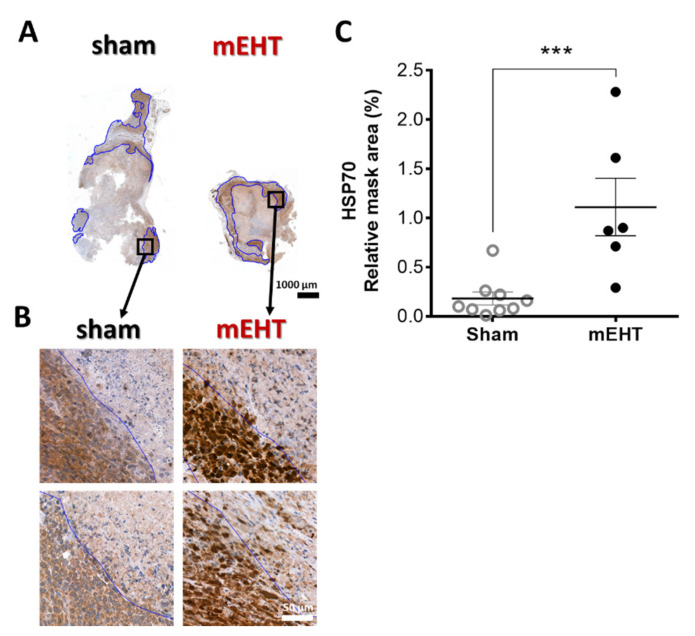
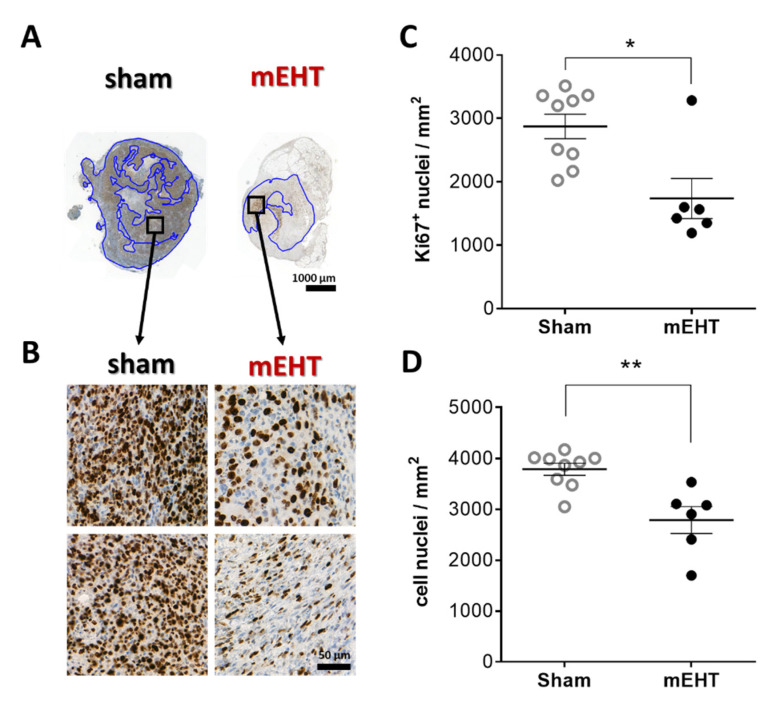
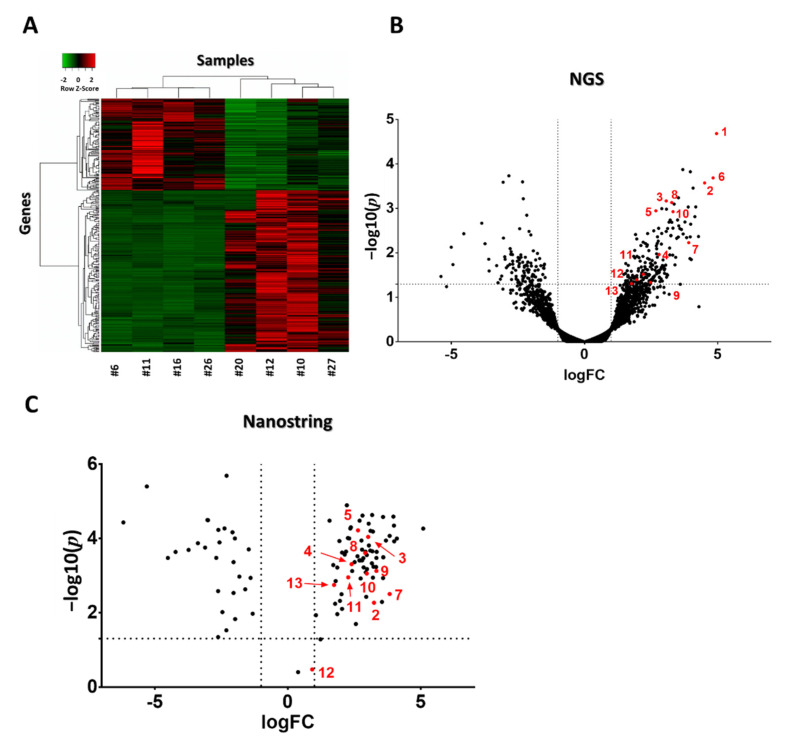
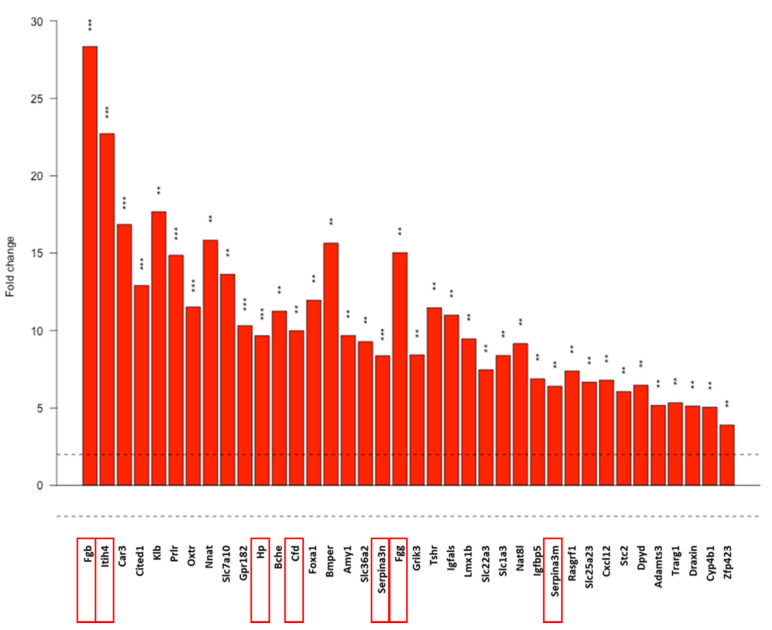
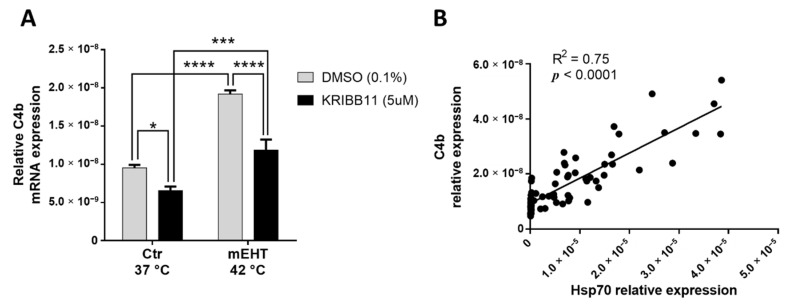
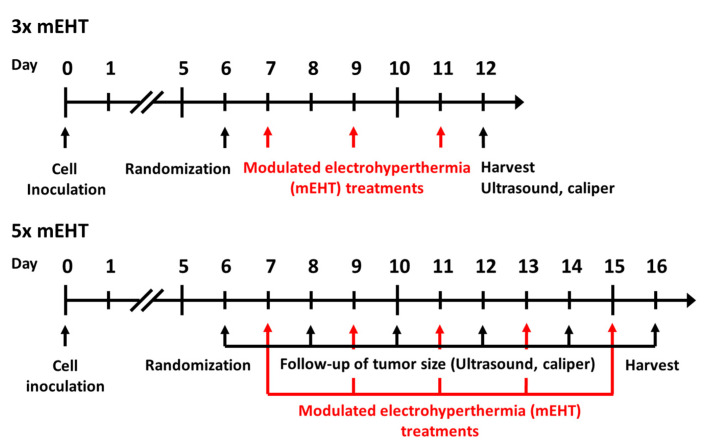
Modulated electro-hyperthermia (mEHT) is a selective cancer treatment used in human oncology complementing other therapies. During mEHT, a focused electromagnetic field (EMF) is generated within the tumor inducing cell death by thermal and nonthermal effects. Here we investigated molecular changes elicited by mEHT using multiplex methods in an aggressive, therapy-resistant triple negative breast cancer (TNBC) model. 4T1/4T07 isografts inoculated orthotopically into female BALB/c mice were treated with mEHT three to five times. mEHT induced the upregulation of the stress-related Hsp70 and cleaved caspase-3 proteins, resulting in effective inhibition of tumor growth and proliferation. Several acute stress response proteins, including protease inhibitors, coagulation and heat shock factors, and complement family members, were among the most upregulated treatment-related genes/proteins as revealed by next-generation sequencing (NGS), Nanostring and mass spectrometry (MS). pathway analysis demonstrated that several of these proteins belong to the response to stimulus pathway. Cell culture treatments confirmed that the source of these proteins was the tumor cells. The heat-shock factor inhibitor KRIBB11 reduced mEHT-induced complement factor 4 (C4) mRNA increase. In conclusion, mEHT monotherapy induced tumor growth inhibition and a complex stress response. Inhibition of this stress response is likely to enhance the effectiveness of mEHT and other cancer treatments.
调制式电热疗(mEHT)是一种用于人类肿瘤学的选择性癌症治疗方法,可作为其他疗法的补充。在mEHT过程中,肿瘤内部会产生一个聚焦电磁场(EMF),通过热效应和非热效应诱导细胞死亡。在此,我们在一种侵袭性、对治疗耐药的三阴性乳腺癌(TNBC)模型中,使用多重方法研究了mEHT引发的分子变化。将4T1/4T07同基因移植瘤原位接种到雌性BALB/c小鼠体内,用mEHT治疗三到五次。mEHT诱导了应激相关的Hsp70和裂解的caspase-3蛋白上调,从而有效抑制了肿瘤生长和增殖。下一代测序(NGS)、纳米串技术和质谱(MS)结果显示,包括蛋白酶抑制剂、凝血因子和热休克因子以及补体家族成员在内的几种急性应激反应蛋白,是上调最为明显的与治疗相关的基因/蛋白。通路分析表明,这些蛋白中有几种属于对刺激的反应通路。细胞培养处理证实这些蛋白的来源是肿瘤细胞。热休克因子抑制剂KRIBB11减少了mEHT诱导的补体因子4(C4)mRNA增加。总之,mEHT单一疗法可诱导肿瘤生长抑制和复杂的应激反应。抑制这种应激反应可能会提高mEHT和其他癌症治疗的效果。