Department of Biochemistry, Saveetha Institute of Medical and Technical Sciences, Saveetha Dental College and Hospitals, Saveetha University, Chennai, Tamil Nadu 600077, India.
Central Research Laboratory, Meenakshi Ammal Dental College, Meenakshi Academy of Higher Education and Research, Maduravoyal, Chennai, Tamil Nadu 600095, India.
Molecules. 2021 Apr 6;26(7):2101. doi: 10.3390/molecules26072101.
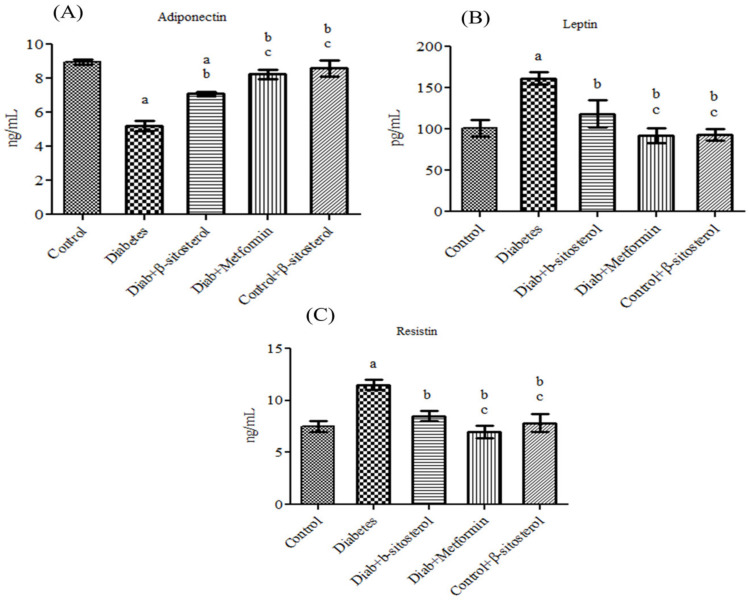
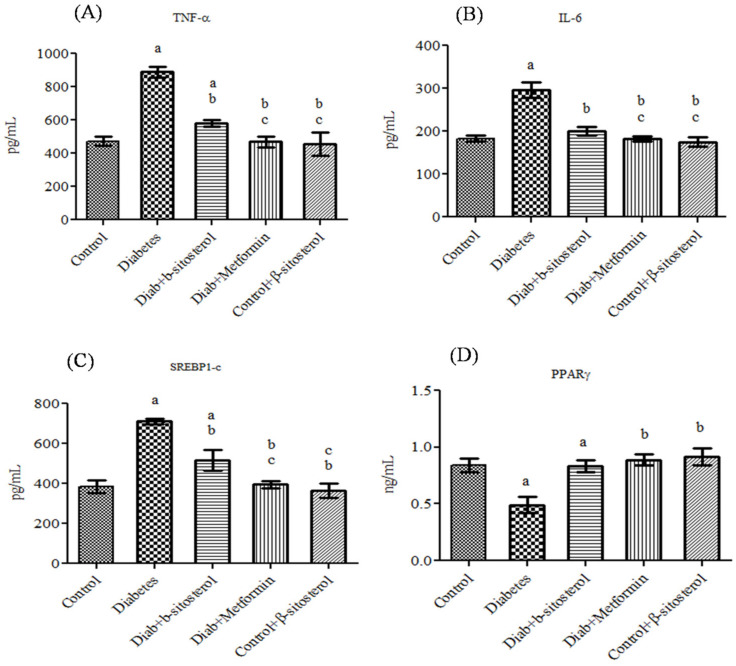
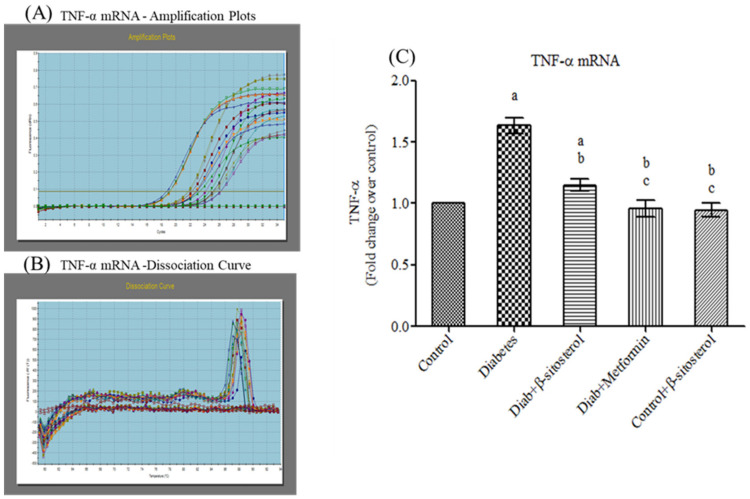
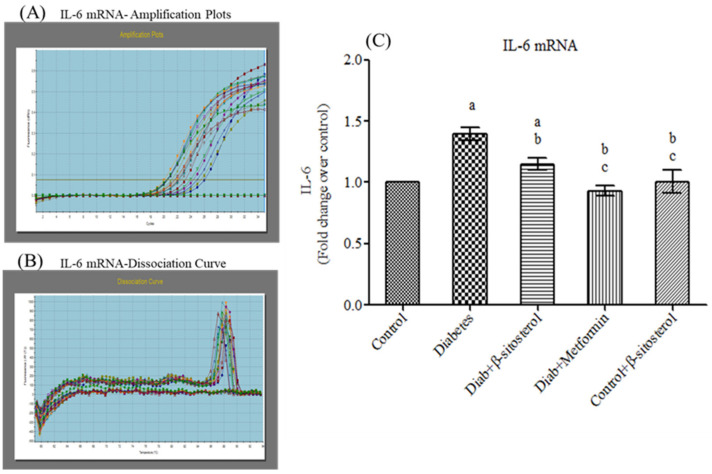
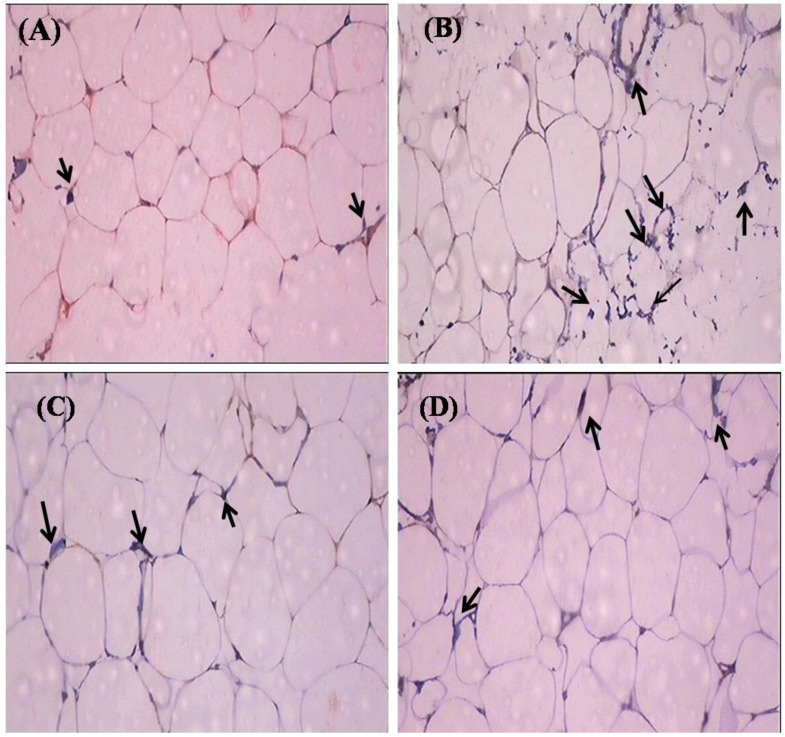
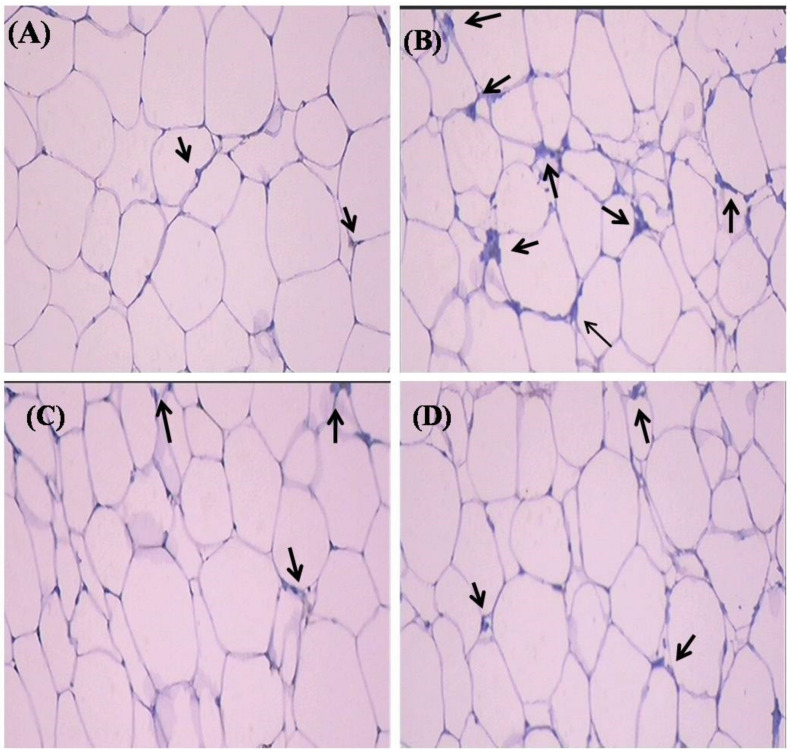
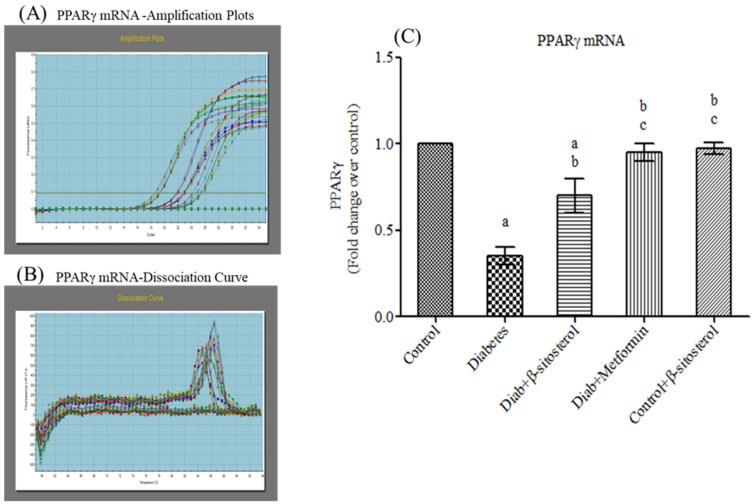
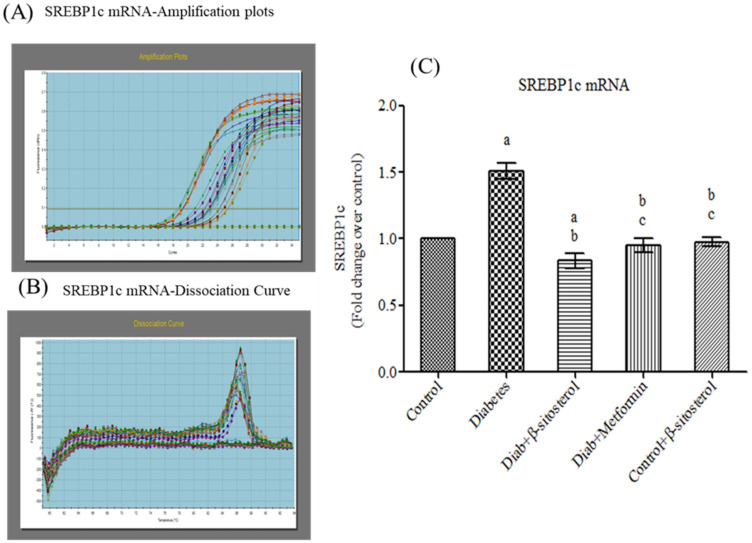
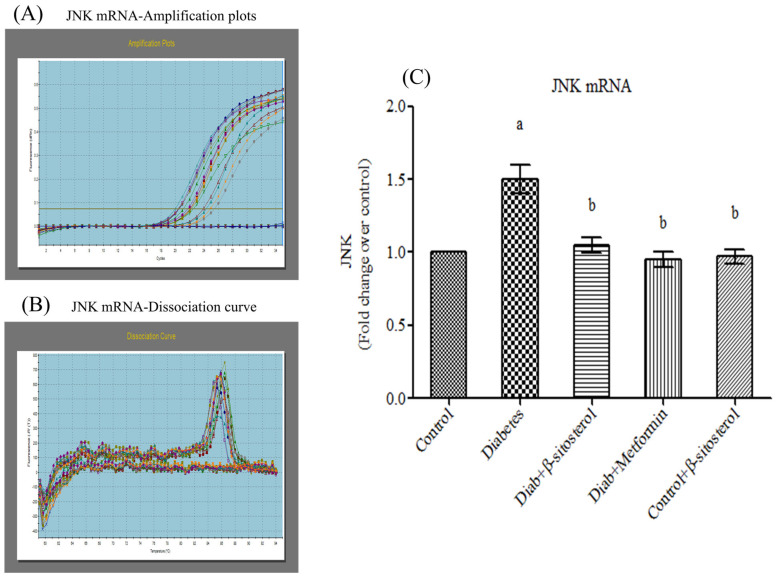
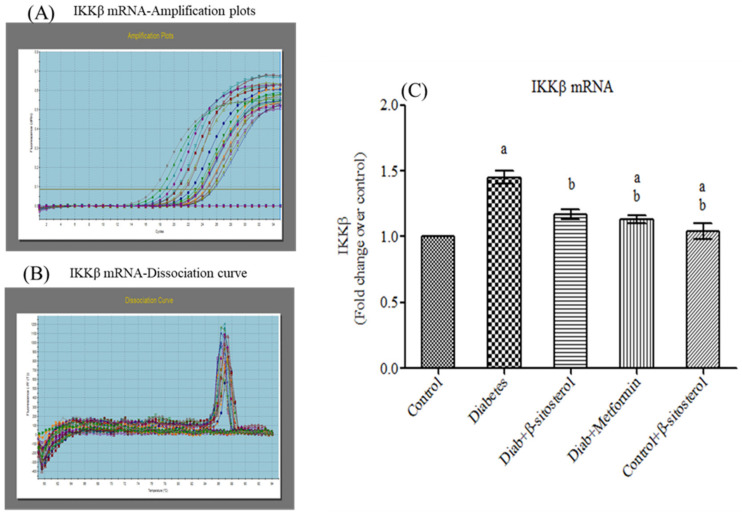
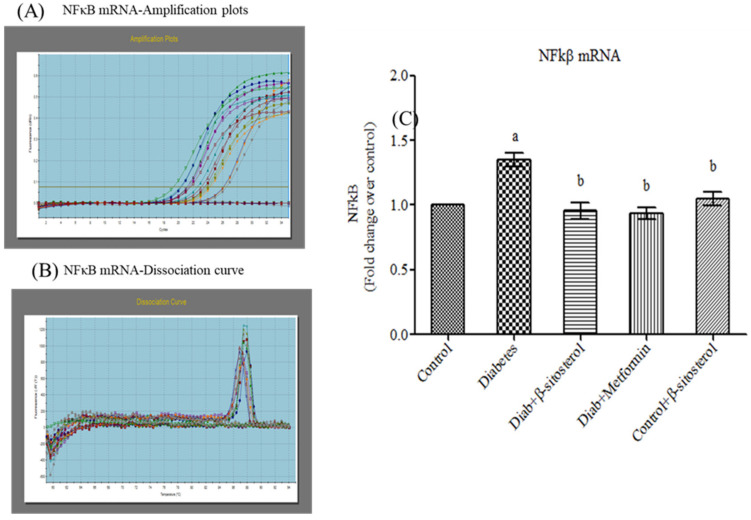
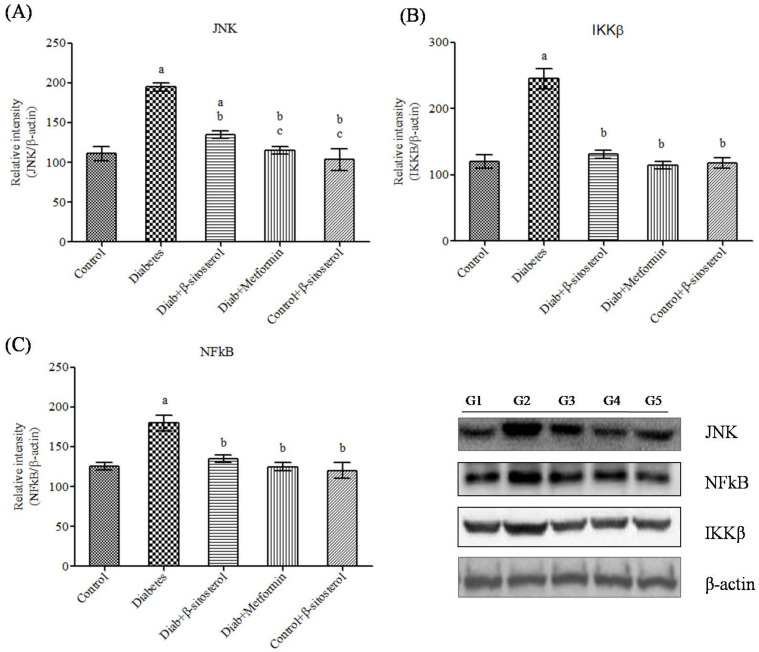
β-sitosterol (SIT), the most abundant bioactive component of vegetable oil and other plants, is a highly potent antidiabetic drug. Our previous studies show that SIT controls hyperglycemia and insulin resistance by activating insulin receptor and glucose transporter 4 (GLUT-4) in the adipocytes of obesity induced type 2 diabetic rats. The current research was undertaken to investigate if SIT could also exert its antidiabetic effects by circumventing adipocyte induced inflammation, a key driving factor for insulin resistance in obese individuals. Effective dose of SIT (20 mg/kg b.wt) was administered orally for 30 days to high fat diet and sucrose induced type-2 diabetic rats. Metformin, the conventionally used antidiabetic drug was used as a positive control. Interestingly, SIT treatment restores the elevated serum levels of proinflammatory cytokines including leptin, resistin, tumor necrosis factor-α (TNF-α) and interleukin-6 (IL-6) to normalcy and increases anti-inflammatory adipocytokines including adiponectin in type 2 diabetic rats. Furthermore, SIT decreases sterol regulatory element binding protein-1c (SREBP-1c) and enhances Peroxisome Proliferator-activated receptor-γ (PPAR-γ) gene expression in adipocytes of diabetic rats. The gene and protein expression of c-Jun-N-terminal kinase-1 (JNK1), inhibitor of nuclear factor kappa-B kinase subunit beta (IKKβ) and nuclear factor kappa B (NF-κB) were also significantly attenuated in SIT treated groups. More importantly, SIT acts very effectively as metformin to circumvent inflammation and insulin resistance in diabetic rats. Our results clearly show that SIT inhibits obesity induced insulin resistance by ameliorating the inflammatory events in the adipose tissue through the downregulation of IKKβ/NF-κB and c-Jun-N-terminal kinase (JNK) signaling pathway.
β-谷甾醇(SIT)是植物油和其他植物中含量最丰富的生物活性成分,是一种非常有效的抗糖尿病药物。我们之前的研究表明,SIT 通过激活肥胖诱导的 2 型糖尿病大鼠脂肪细胞中的胰岛素受体和葡萄糖转运蛋白 4(GLUT-4)来控制高血糖和胰岛素抵抗。目前的研究旨在探讨 SIT 是否也可以通过绕过脂肪细胞诱导的炎症来发挥其抗糖尿病作用,肥胖个体中胰岛素抵抗的一个关键驱动因素。SIT 的有效剂量(20mg/kg b.wt)经口给予高脂肪饮食和蔗糖诱导的 2 型糖尿病大鼠 30 天。二甲双胍,一种常用的抗糖尿病药物,用作阳性对照。有趣的是,SIT 治疗可使升高的血清促炎细胞因子水平(包括瘦素、抵抗素、肿瘤坏死因子-α(TNF-α)和白细胞介素-6(IL-6))恢复正常,并增加抗炎脂肪细胞因子(包括脂联素)在 2 型糖尿病大鼠中。此外,SIT 降低固醇调节元件结合蛋白-1c(SREBP-1c)并增强糖尿病大鼠脂肪细胞中过氧化物酶体增殖物激活受体-γ(PPAR-γ)基因表达。SIT 处理组 JNK1 的基因和蛋白表达、核因子κB 激酶亚单位β(IKKβ)和核因子κB(NF-κB)也明显减弱。更重要的是,SIT 像二甲双胍一样有效地在糖尿病大鼠中发挥作用,以规避炎症和胰岛素抵抗。我们的研究结果清楚地表明,SIT 通过下调 IKKβ/NF-κB 和 c-Jun-N-末端激酶(JNK)信号通路,改善脂肪组织中的炎症事件,抑制肥胖诱导的胰岛素抵抗。