Jung Patrick, D'Agostino Paul M, Büdel Burkhard, Lakatos Michael
Applied Logistics and Polymer Sciences, University of Applied Sciences Kaiserslautern, Carl-Schurz-Str. 10-16, 66953 Pirmasens, Germany.
Faculty of Chemistry and Food Chemistry, Technical University of Dresden, Chair of Technical Biochemistry, Bergstraße 66, 01069 Dresden, Germany.
Microorganisms. 2021 Apr 2;9(4):745. doi: 10.3390/microorganisms9040745.
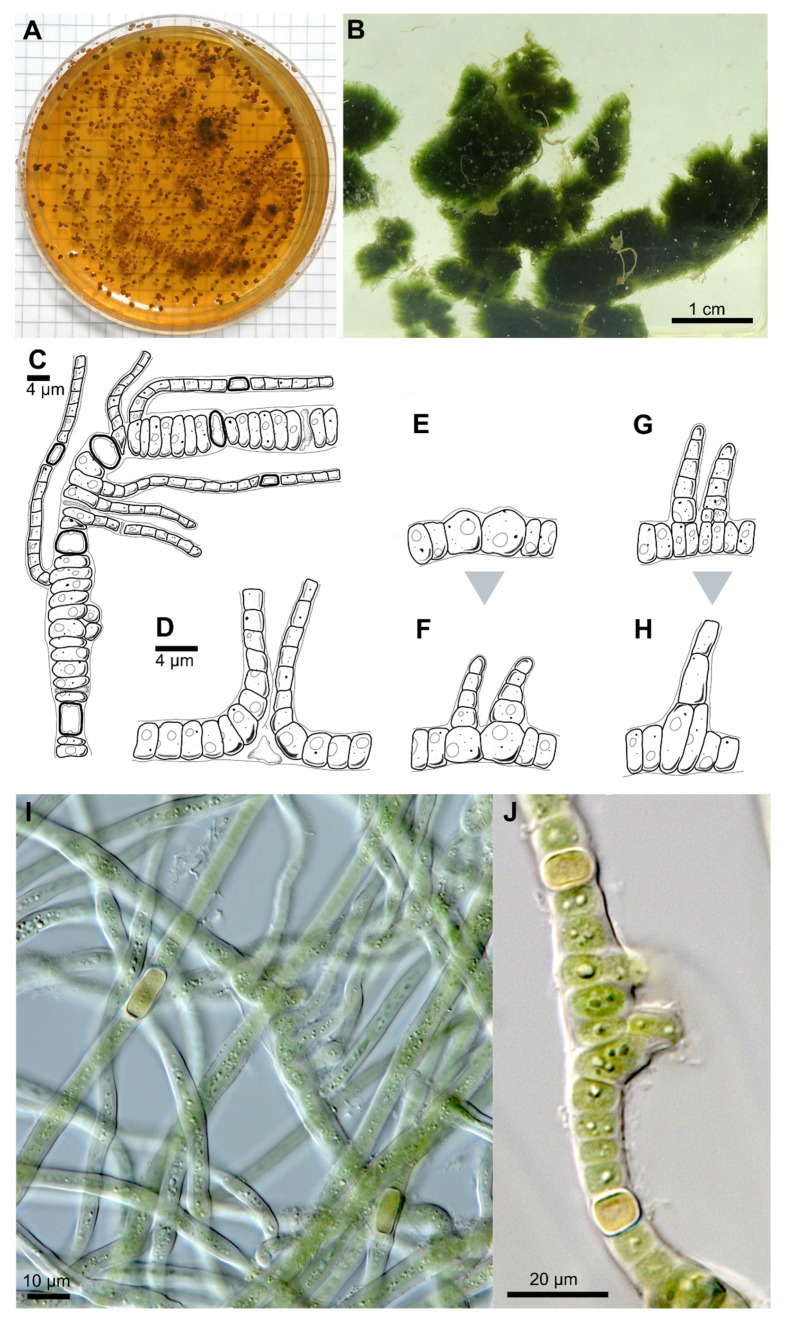
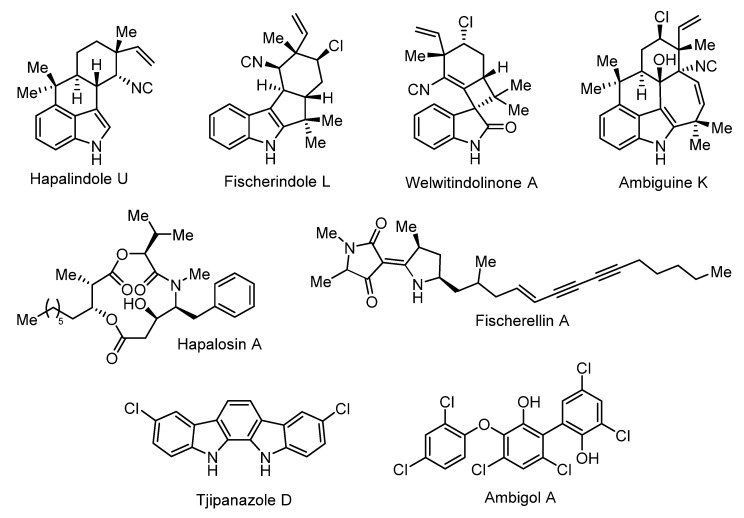
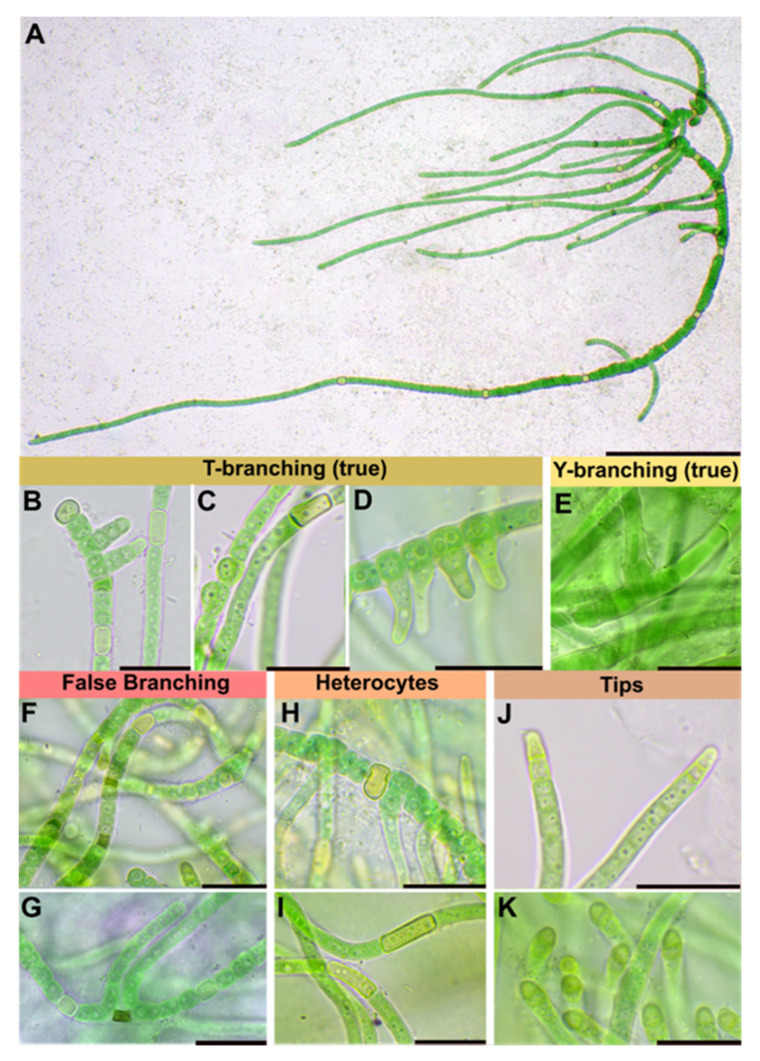
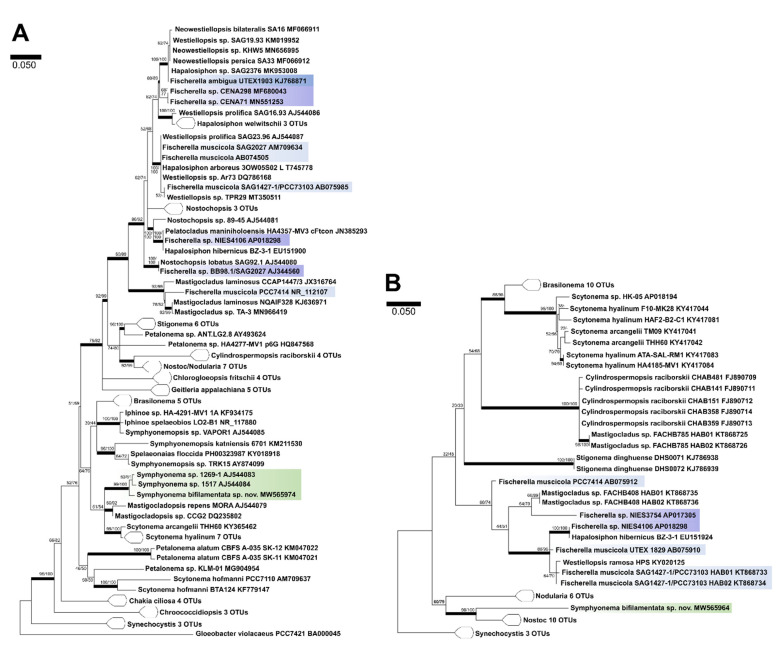
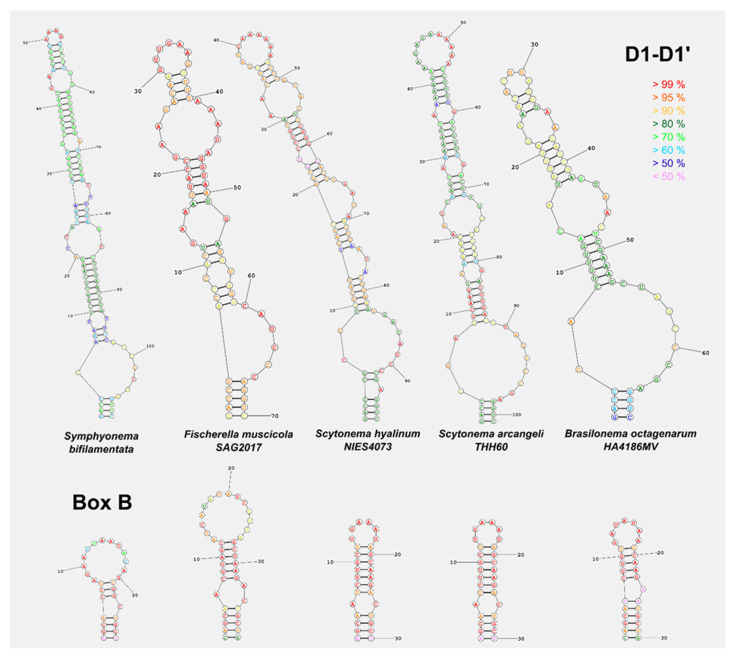
Since 1965 a cyanobacterial strain termed ' 108b' was the object of several studies investigating its potential as a resource for new bioactive compounds in several European institutes. Over decades these investigations uncovered several unique small molecules and their respective biosynthetic pathways, including the polychlorinated triphenyls of the ambigol family and the tjipanazoles. However, the true taxonomic character of the producing strain remained concealed until now. Applying a polyphasic approach considering the phylogenetic position based on the 16S rRNA and the protein coding gene , secondary structures and morphological features, we present the strain ' 108b' as sp. nov. 97.28. Although there is the type species (holotype) C.-C. Jao 1944 there is no authentic living strain or material for genetic analyses for the genus available. Thus we suggest and provide an epitypification of sp. nov. 97.28 as a valid reference for the genus . Its affiliation to the family Symphyonemataceae sheds not only new light on this rare taxon but also on the classes of bioactive metabolites of these heterocytous and true-branching cyanobacteria which we report here. We show conclusively that the literature on the isolation of bioactive products from this organism provides further support for a clear distinction between the secondary metabolism of sp. nov. 97.28 compared to related and other taxa, pointing to the assignment of this organism into a separate genus.
自1965年以来,一种名为“108b”的蓝藻菌株成为了几个欧洲研究所多项研究的对象,这些研究旨在探究其作为新生物活性化合物来源的潜力。几十年来,这些研究发现了几种独特的小分子及其各自的生物合成途径,包括ambigol家族的多氯代三苯和tjipanazoles。然而,该产生菌株的真正分类学特征至今仍未明确。通过采用一种多相方法,综合考虑基于16S rRNA和蛋白质编码基因的系统发育位置、二级结构和形态特征,我们将菌株“108b”鉴定为新物种sp. nov. 97.28。尽管存在模式种(全模式)C.-C. Jao 1944,但目前尚无该属的可靠活菌株或用于遗传分析的材料。因此,我们建议并提供了sp. nov. 97.28的后选模式指定,作为该属的有效参考。它隶属于Symphyonemataceae科,这不仅为这个稀有分类群带来了新的认识,也为我们在此报道的这些具有异形胞和真正分支的蓝藻的生物活性代谢产物类别提供了新的认识。我们确凿地表明,关于从该生物体中分离生物活性产物的文献进一步支持了sp. nov. 97.28与相关及其他分类群相比在次生代谢方面的明显差异,这表明应将该生物体归入一个单独的属。