Hamsan M H, Nofal Muaffaq M, Aziz Shujahadeen B, Brza M A, Dannoun Elham M A, Murad Ary R, Kadir M F Z, Muzakir S K
Centre for Foundation Studies in Science, University of Malaya, Kuala Lumpur 50603, Malaysia.
Department of Mathematics and General Sciences, Prince Sultan University, P. O. Box 66833, Riyadh 11586, Saudi Arabia.
Polymers (Basel). 2021 Apr 11;13(8):1233. doi: 10.3390/polym13081233.
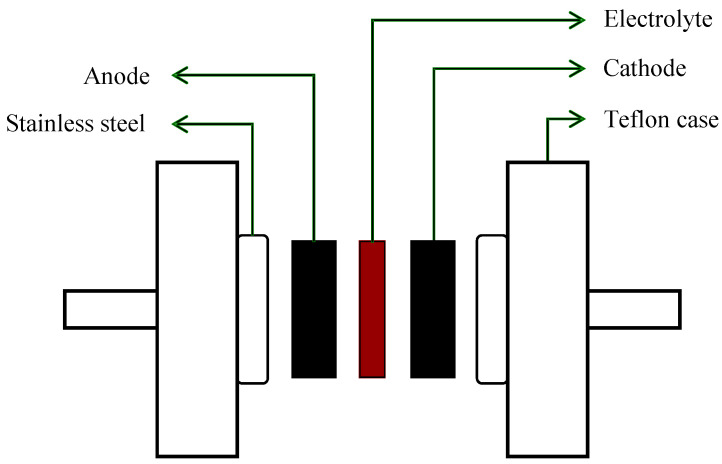
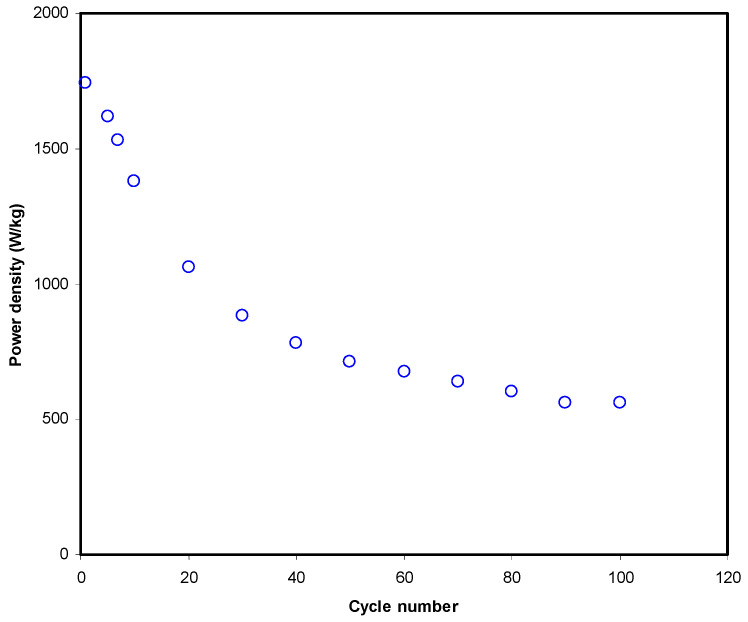
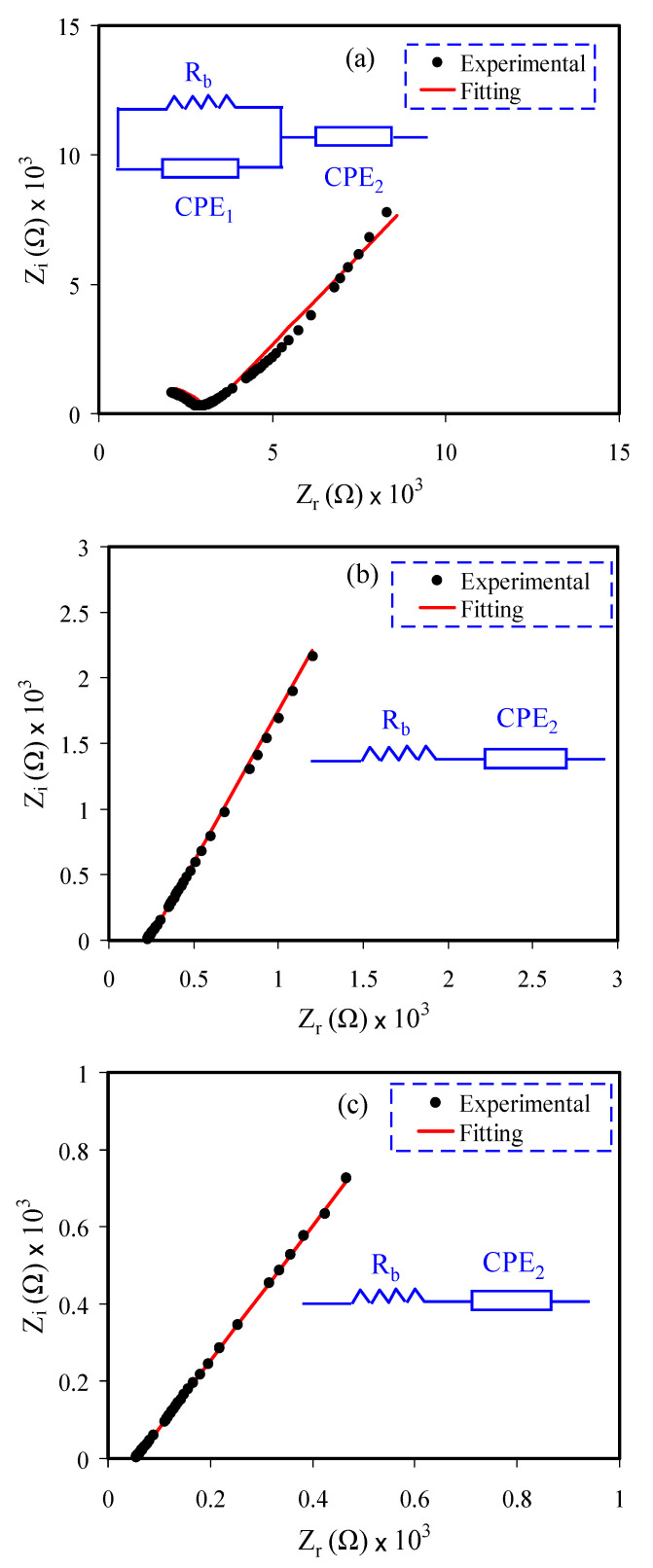
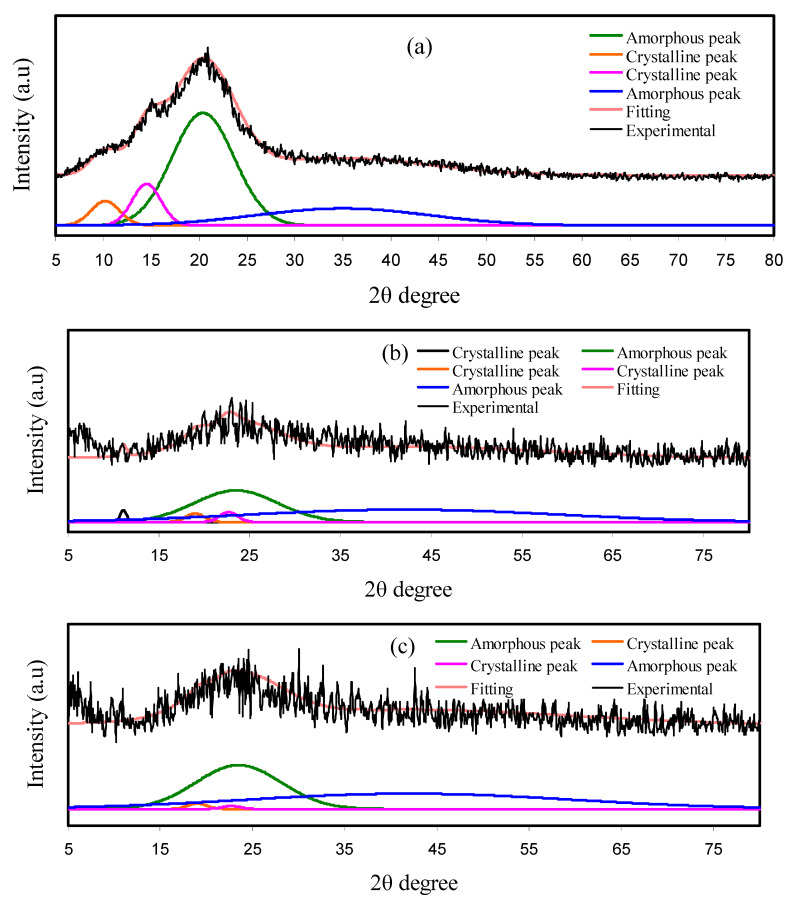
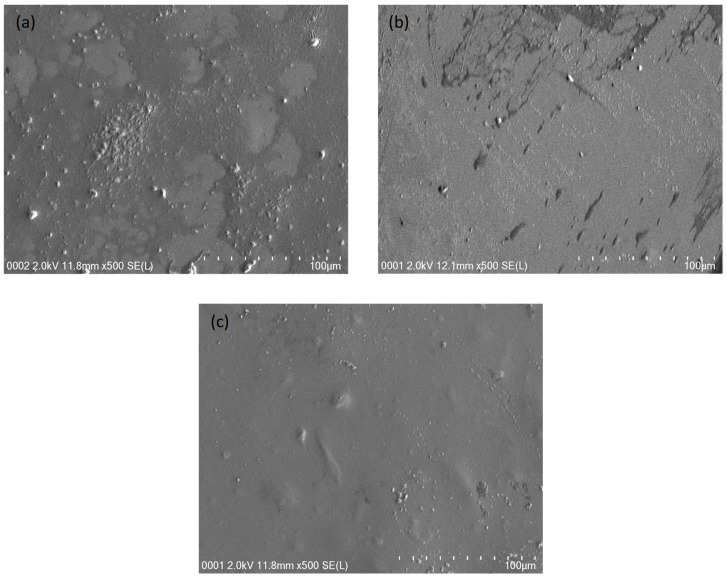
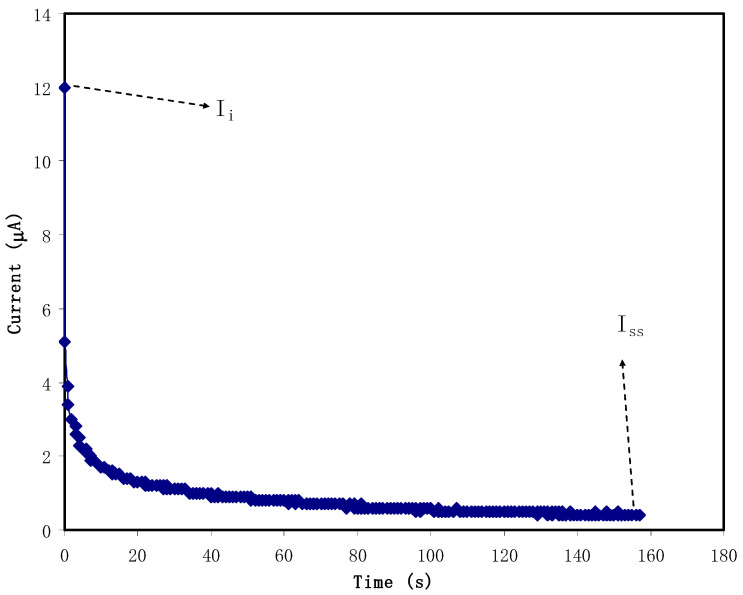
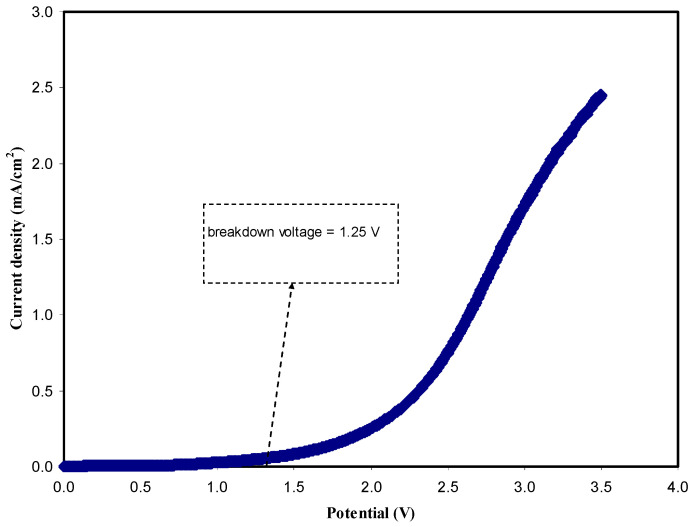
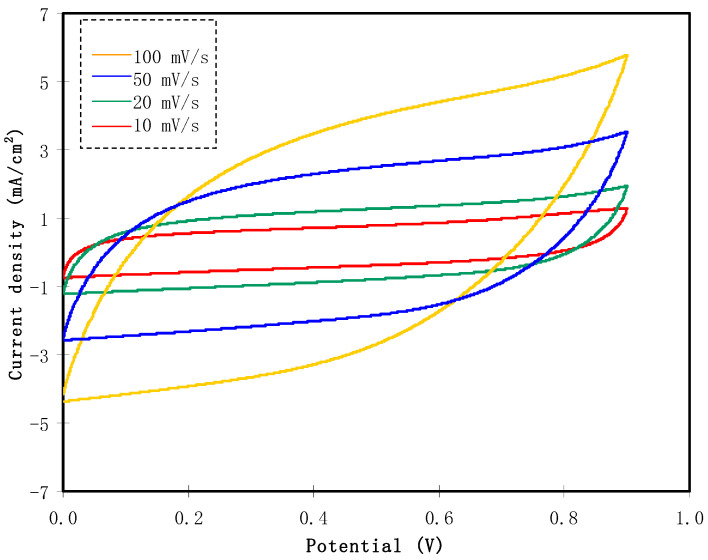
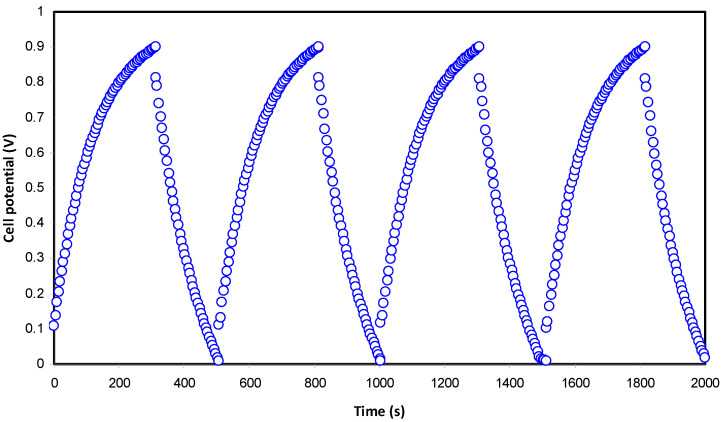
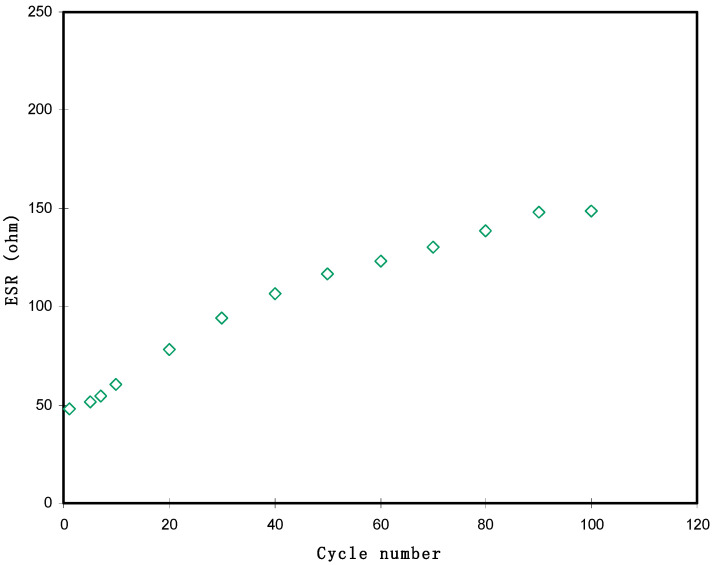
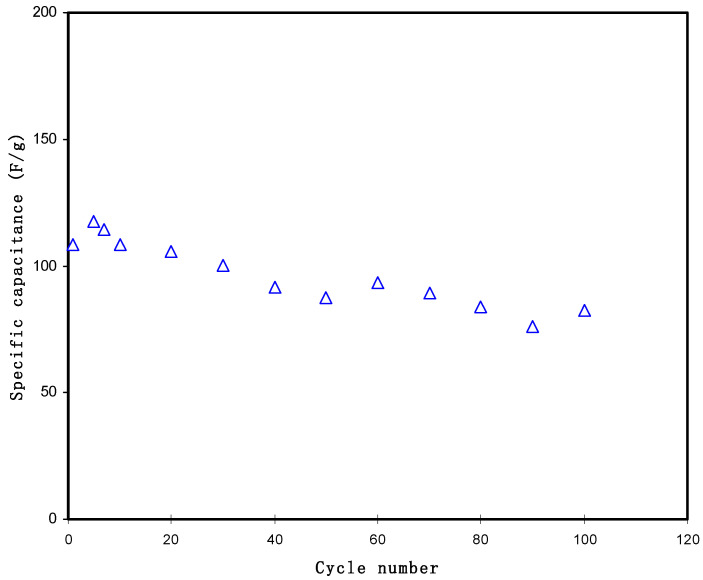
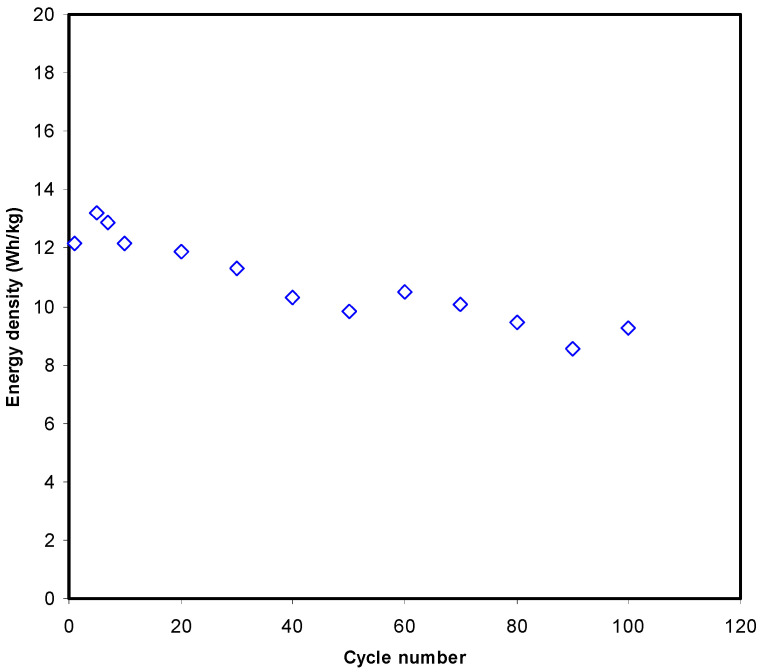
Chitosan (CS)-dextran (DN) biopolymer electrolytes doped with ammonium iodide (NHI) and plasticized with glycerol (GL), then dispersed with Zn(II)-metal complex were fabricated for energy device application. The CS:DN:NHI:Zn(II)-complex was plasticized with various amounts of GL and the impact of used metal complex and GL on the properties of the formed electrolyte were investigated.The electrochemical impedance spectroscopy (EIS) measurements have shown that the highest conductivity for the plasticized system was 3.44 × 10 S/cm. From the x-ray diffraction (XRD) measurements, the plasticized electrolyte with minimum degree of crystallinity has shown the maximum conductivity. The effect of (GL) plasticizer on the film morphology was studied using FESEM. It has been confirmed via transference number analysis (TNM) that the transport mechanism in the prepared electrolyte is predominantly ionic in nature with a high transference number of ion ()of 0.983. From a linear sweep voltammetry (LSV) study, the electrolyte was found to be electrochemically constant as the voltage sweeps linearly up to 1.25 V. The cyclic voltammetry (CV) curve covered most of the area of the current-potential plot with no redox peaks and the sweep rate was found to be affecting the capacitance. The electric double-layer capacitor (EDLC) has shown a great performance of specific capacitance (108.3 F/g), (47.8 ohm), energy density (12.2 W/kg) and power density (1743.4 W/kg) for complete 100 cycles at a current density of 0.5 mA cm.
制备了掺杂碘化铵(NHI)并用甘油(GL)增塑、然后与Zn(II)金属配合物分散的壳聚糖(CS)-葡聚糖(DN)生物聚合物电解质,用于能量装置应用。CS:DN:NHI:Zn(II)-配合物用不同量的GL增塑,并研究了所用金属配合物和GL对所形成电解质性能的影响。电化学阻抗谱(EIS)测量表明,增塑体系的最高电导率为3.44×10 S/cm。通过X射线衍射(XRD)测量,结晶度最低的增塑电解质显示出最高的电导率。使用场发射扫描电子显微镜(FESEM)研究了(GL)增塑剂对薄膜形态的影响。通过迁移数分析(TNM)证实,所制备电解质中的传输机制主要是离子性的,离子迁移数()高达0.983。通过线性扫描伏安法(LSV)研究发现,当电压线性扫描至1.25 V时,该电解质在电化学上是稳定的。循环伏安法(CV)曲线覆盖了电流-电位图的大部分区域,没有氧化还原峰,并且发现扫描速率会影响电容。在0.5 mA cm的电流密度下,双电层电容器(EDLC)在完整的100个循环中表现出了出色的比电容(108.3 F/g)、(47.8欧姆)、能量密度(12.2 W/kg)和功率密度(1743.4 W/kg)。