Cordovana Miriam, Mauder Norman, Kostrzewa Markus, Wille Andreas, Rojak Sandra, Hagen Ralf Matthias, Ambretti Simone, Pongolini Stefano, Soliani Laura, Justesen Ulrik S, Holt Hanne M, Join-Lambert Olivier, Hello Simon Le, Auzou Michel, Veloo Alida C, May Jürgen, Frickmann Hagen, Dekker Denise
Bruker Daltonik GmbH, 28359 Bremen, Germany.
Institute for Hygiene and Environment, 20539 Hamburg, Germany.
Microorganisms. 2021 Apr 15;9(4):853. doi: 10.3390/microorganisms9040853.
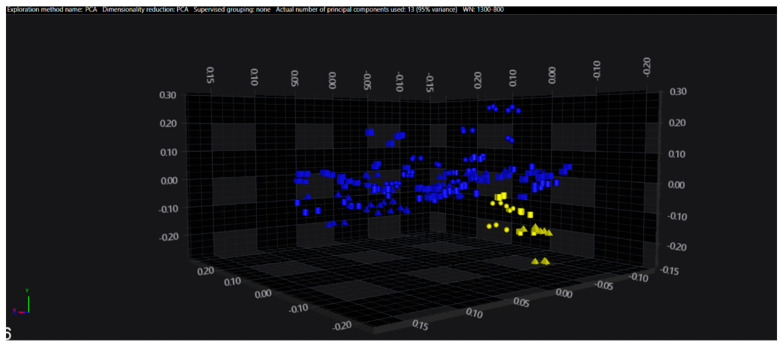
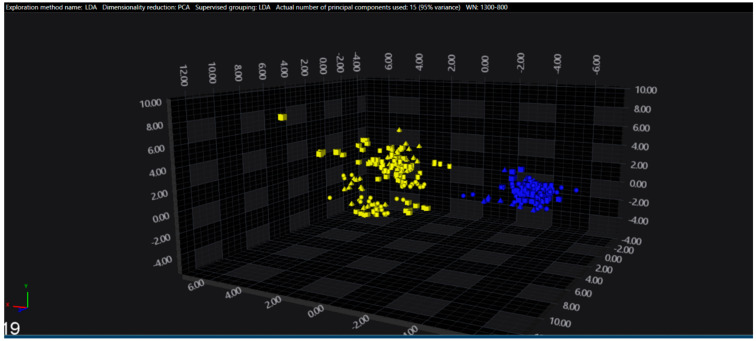
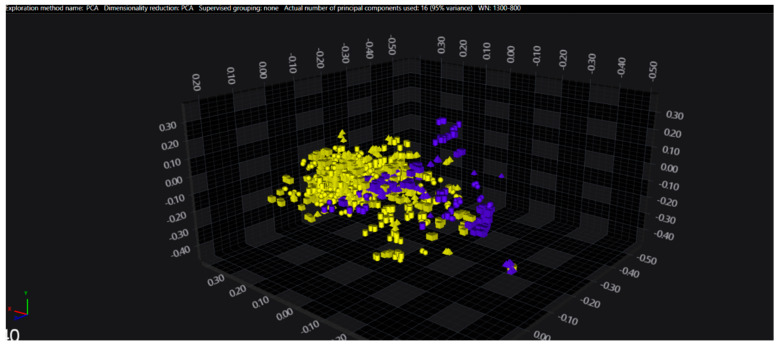
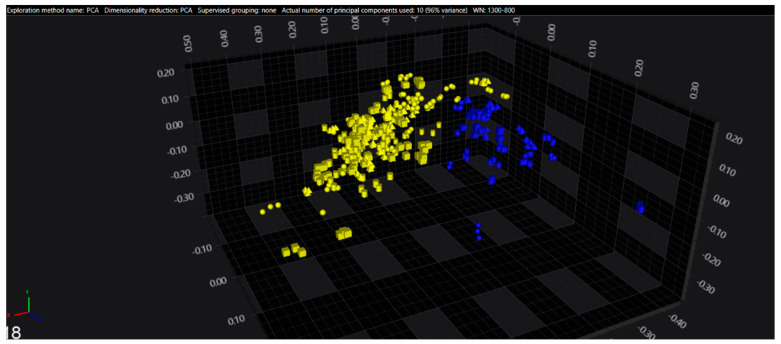
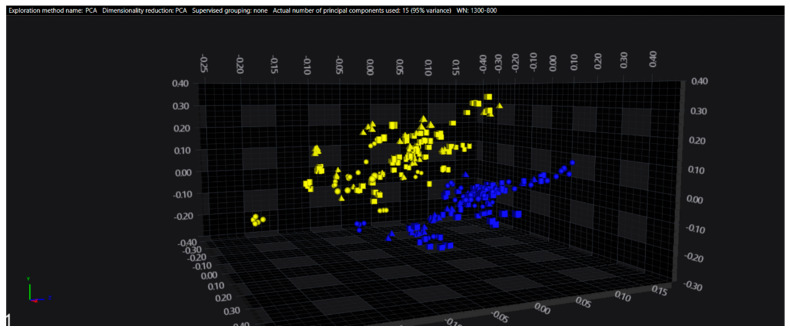
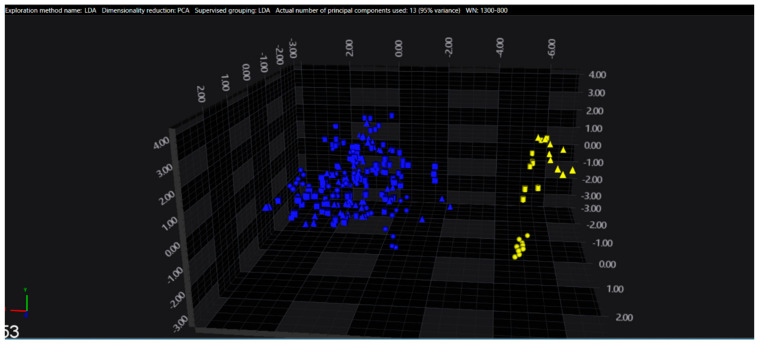
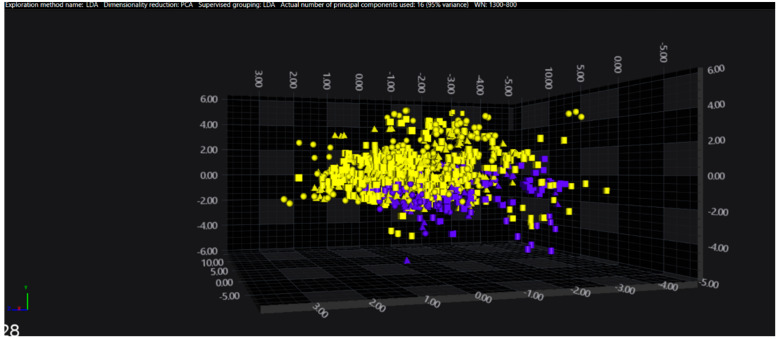
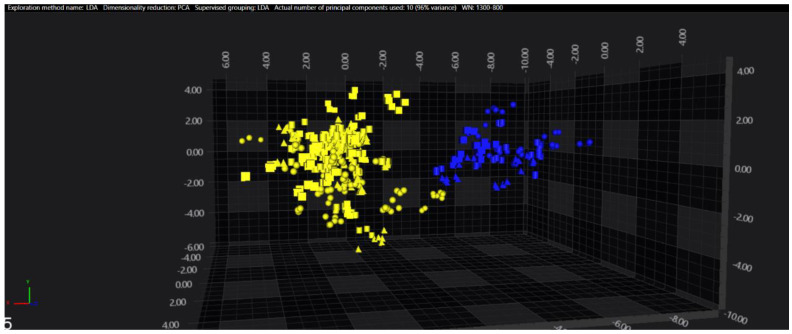
Typhoidal and para-typhoidal are major causes of bacteraemia in resource-limited countries. Diagnostic alternatives to laborious and resource-demanding serotyping are essential. Fourier transform infrared spectroscopy (FTIRS) is a rapidly developing and simple bacterial typing technology. In this study, we assessed the discriminatory power of the FTIRS-based IR Biotyper (Bruker Daltonik GmbH, Bremen, Germany), for the rapid and reliable identification of biochemically confirmed typhoid and paratyphoid fever-associated isolates. In total, 359 isolates, comprising 30 . Typhi, 23 . Paratyphi A, 23 . Paratyphi B, and 7 . Paratyphi C, respectively and other phylogenetically closely related serovars belonging to the serogroups O:2, O:4, O:7 and O:9 were tested. The strains were derived from clinical, environmental and food samples collected at different European sites. Applying artificial neural networks, specific automated classifiers were built to discriminate typhoidal serovars from non-typhoidal serovars within each of the four serogroups. The accuracy of the classifiers was 99.9%, 87.0%, 99.5% and 99.0% for Typhi, Paratyphi A, B and Paratyphi C, respectively. The IR Biotyper is a promising tool for fast and reliable detection of typhoidal . Hence, IR biotyping may serve as a suitable alternative to conventional approaches for surveillance and diagnostic purposes.
伤寒和副伤寒是资源有限国家菌血症的主要病因。对于耗时且资源需求大的血清分型而言,有必要采用其他诊断方法。傅里叶变换红外光谱法(FTIRS)是一种快速发展且简单的细菌分型技术。在本研究中,我们评估了基于FTIRS的红外生物分型仪(德国不来梅布鲁克道尔顿公司)对经生化确认的伤寒和副伤寒热相关分离株进行快速可靠鉴定的区分能力。总共测试了359株分离株,分别包括30株伤寒杆菌、23株甲型副伤寒杆菌、23株乙型副伤寒杆菌和7株丙型副伤寒杆菌,以及其他属于O:2、O:4、O:7和O:9血清群且系统发育密切相关的血清型。这些菌株来源于在欧洲不同地点采集的临床、环境和食品样本。应用人工神经网络构建了特定的自动分类器,以区分四个血清群中每一个血清群内的伤寒血清型和非伤寒血清型。对于伤寒杆菌、甲型副伤寒杆菌、乙型副伤寒杆菌和丙型副伤寒杆菌,分类器的准确率分别为99.9%、87.0%、99.5%和99.0%。红外生物分型仪是快速可靠检测伤寒病菌的一种有前景的工具。因此,红外生物分型可作为用于监测和诊断目的的传统方法的合适替代方法。