Chirio Daniela, Peira Elena, Sapino Simona, Chindamo Giulia, Oliaro-Bosso Simonetta, Adinolfi Salvatore, Dianzani Chiara, Baratta Francesca, Gallarate Marina
Department of Drug Science and Technology, University of Torino, Via P. Giuria 9, 10125 Torino, Italy.
Pharmaceutics. 2021 Apr 15;13(4):560. doi: 10.3390/pharmaceutics13040560.
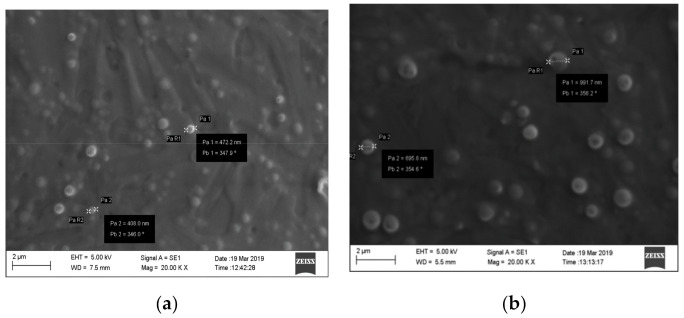
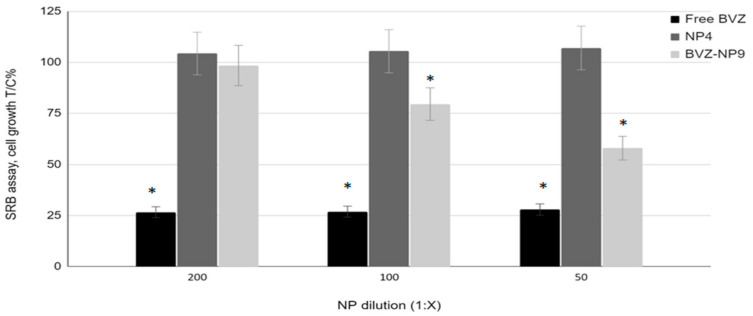
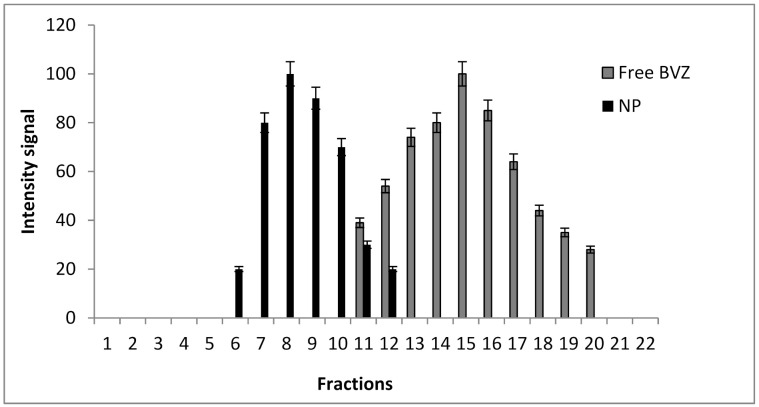
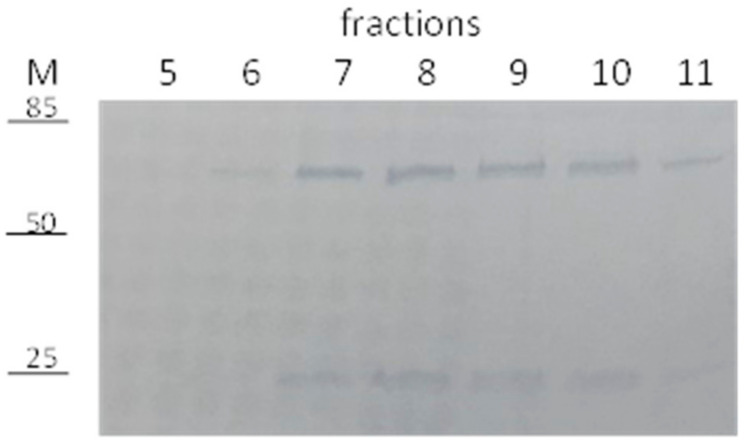
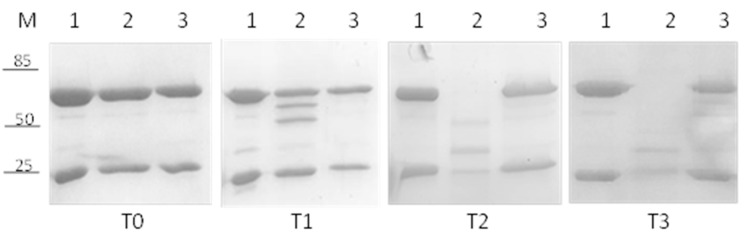
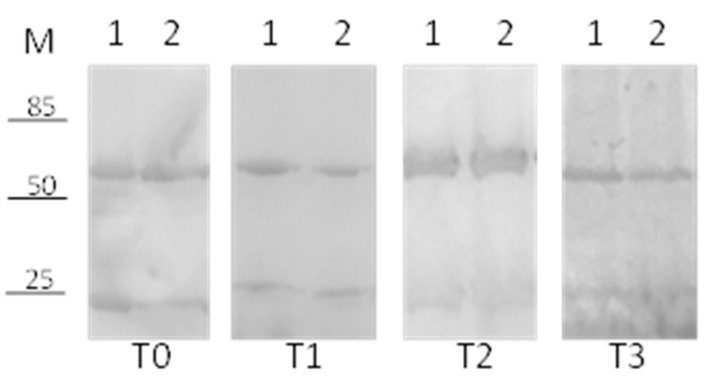
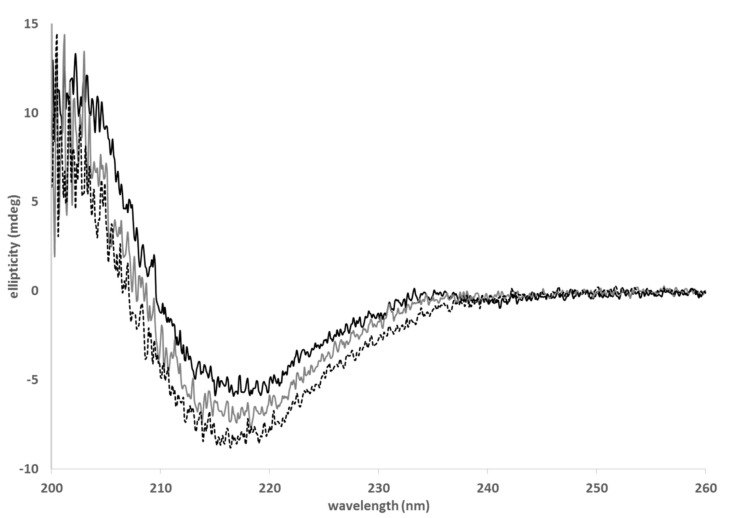
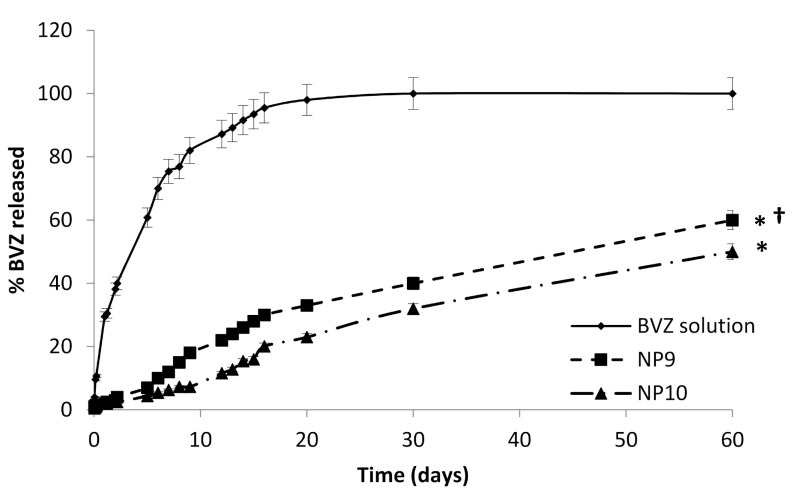
Bevacizumab (BVZ) is a monoclonal antibody that binds to human vascular endothelial growth factor A (VEGF-A) and inhibits the interaction between VEGF-A and VEGF receptors, thus blocking the angiogenesis. Repeated intravitreal injections of BVZ for the treatment of ocular pathologies that present an excessive proliferation results in a low patience compliance. BVZ is specially indicated for the treatment of diabetic and degenerative retinopathy. In the present study, we designed lipid nanoparticles (NPs) as a BVZ sustained drug delivery system for reducing the frequency of administration. We used a simple and highly efficient procedure, "Cold dilution of microemulsions", to obtain spherical NPs with mean diameters of 280-430 nm, Zeta potentials between -17 and -31 mV, and drug entrapment efficiencies between 50 to 90%. This study focused on the biochemical and biophysical stabilities of BVZ after entrapment in NPs. SDS-PAGE electrophoretic analysis and circular dichroism, dynamic light scattering, and scanning electron microscopy were used to characterize BVZ-loaded NPs. The biocompatibility was assessed by in vitro cell compatibility studies using the ARPE-19 cell line. Thus, in this work, a stable BVZ-loaded system was obtained. In addition, several studies have shown that BVZ is released slowly from the lipid matrix and that this system is biocompatible. The results are promising and the developed NPs could be exploited to create a new, potentially effective and minimally invasive treatment of intraocular diseases.
贝伐单抗(BVZ)是一种单克隆抗体,它与人血管内皮生长因子A(VEGF-A)结合并抑制VEGF-A与VEGF受体之间的相互作用,从而阻断血管生成。反复玻璃体内注射BVZ用于治疗呈现过度增殖的眼部疾病会导致患者依从性较低。BVZ特别适用于治疗糖尿病性视网膜病变和退行性视网膜病变。在本研究中,我们设计脂质纳米颗粒(NPs)作为BVZ的缓释给药系统,以减少给药频率。我们采用一种简单高效的方法“微乳液冷稀释法”来获得平均直径为280 - 430 nm、zeta电位在-17至-31 mV之间且药物包封率在50%至90%之间球状NPs。本研究聚焦于BVZ包封于NPs后的生化和生物物理稳定性。采用十二烷基硫酸钠 - 聚丙烯酰胺凝胶电泳(SDS - PAGE)分析、圆二色性、动态光散射和扫描电子显微镜来表征载有BVZ的NPs。通过使用ARPE - 19细胞系的体外细胞相容性研究来评估生物相容性。因此,在这项工作中,获得了一个稳定的载有BVZ的系统。此外,多项研究表明BVZ从脂质基质中缓慢释放,并且该系统具有生物相容性。这些结果很有前景,所开发的NPs可用于开创一种新的、潜在有效且微创的眼内疾病治疗方法。