Kumar Sanjeev, Prasad Lalta, Patel Vinay Kumar, Kumar Virendra, Kumar Anil, Yadav Anshul, Winczek Jerzy
Department of Mechanical Engineering, GB Pant Institute of Engineering and Technology, Pauri Garhwal 246194, India.
Department of Mechanical Engineering, National Institute of Technology Uttarakhand, Srinagar 246174, India.
Polymers (Basel). 2021 Apr 22;13(9):1369. doi: 10.3390/polym13091369.
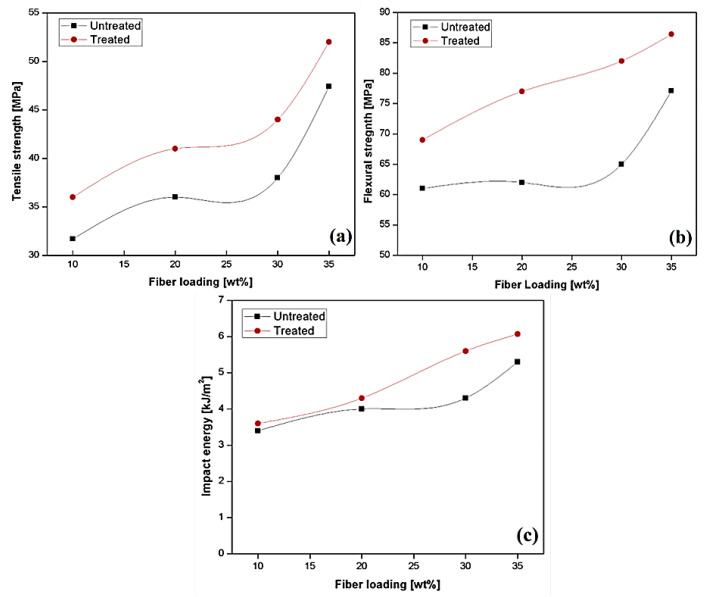
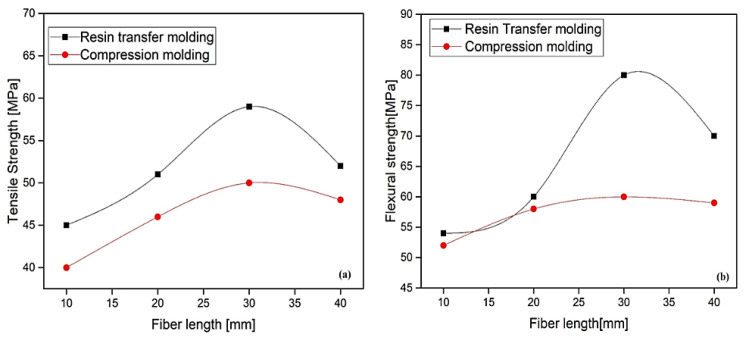
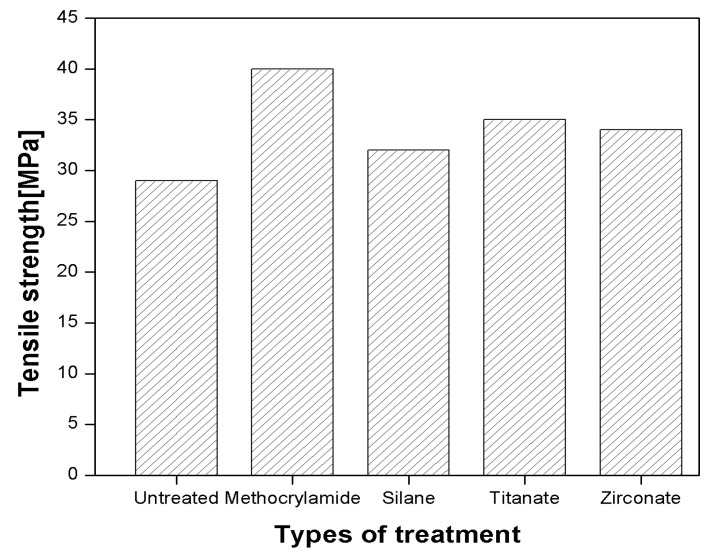
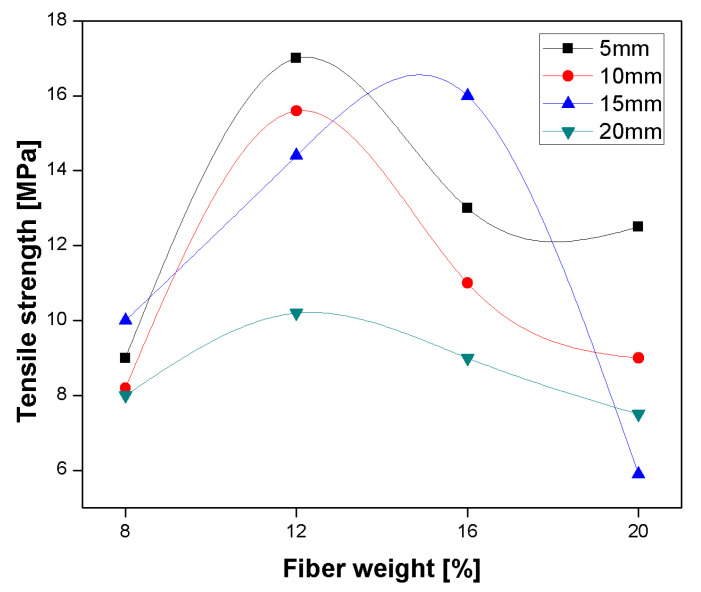
In recent times, demand for light weight and high strength materials fabricated from natural fibres has increased tremendously. The use of natural fibres has rapidly increased due to their high availability, low density, and renewable capability over synthetic fibre. Natural leaf fibres are easy to extract from the plant (retting process is easy), which offers high stiffness, less energy consumption, less health risk, environment friendly, and better insulation property than the synthetic fibre-based composite. Natural leaf fibre composites have low machining wear with low cost and excellent performance in engineering applications, and hence established as superior reinforcing materials compared to other plant fibres. In this review, the physical and mechanical properties of different natural leaf fibre-based composites are addressed. The influences of fibre loading and fibre length on mechanical properties are discussed for different matrices-based composite materials. The surface modifications of natural fibre also play a crucial role in improving physical and mechanical properties regarding composite materials due to improved fibre/matrix adhesion. Additionally, the present review also deals with the effect of silane-treated leaf fibre-reinforced thermoset composite, which play an important role in enhancing the mechanical and physical properties of the composites.
近年来,对由天然纤维制成的轻质高强度材料的需求急剧增加。天然纤维的使用迅速增加,这是由于其可用性高、密度低以及相对于合成纤维具有可再生能力。天然叶纤维易于从植物中提取(沤麻过程简单),与合成纤维基复合材料相比,它具有高刚度、低能耗、低健康风险、环保以及更好的绝缘性能。天然叶纤维复合材料加工磨损低、成本低且在工程应用中性能优异,因此与其他植物纤维相比被确立为优质增强材料。在本综述中,讨论了不同天然叶纤维基复合材料的物理和力学性能。针对不同基体的复合材料,探讨了纤维含量和纤维长度对力学性能的影响。天然纤维的表面改性由于改善了纤维/基体的粘附性,在改善复合材料的物理和力学性能方面也起着关键作用。此外,本综述还涉及硅烷处理的叶纤维增强热固性复合材料的作用,其在提高复合材料的力学和物理性能方面发挥着重要作用。