Yepes Manuel, Woo Yena, Martin-Jimenez Cynthia
Department of Neurology, Emory University, Atlanta, GA 30329, USA.
Neuropharmacology and Neurological Diseases Section, Yerkes National Primate Research Center, Atlanta, GA 30329, USA.
Int J Mol Sci. 2021 Apr 22;22(9):4380. doi: 10.3390/ijms22094380.
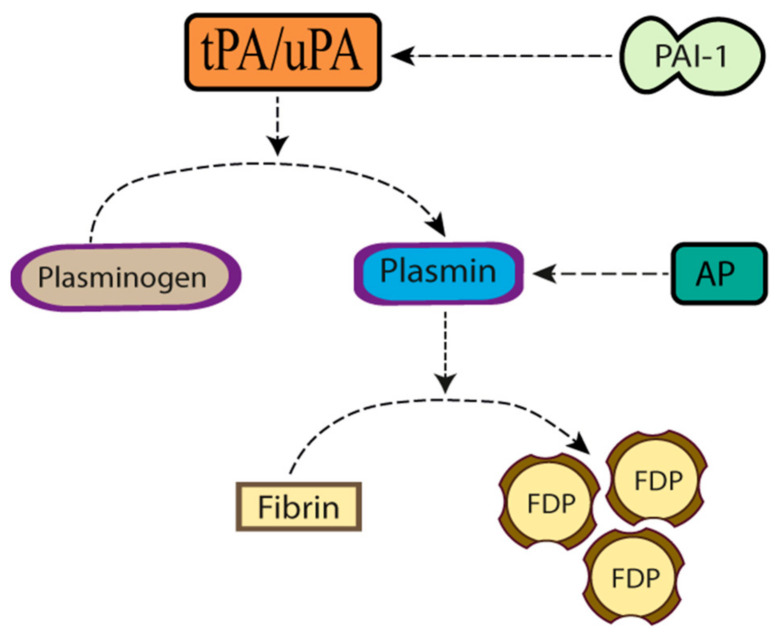
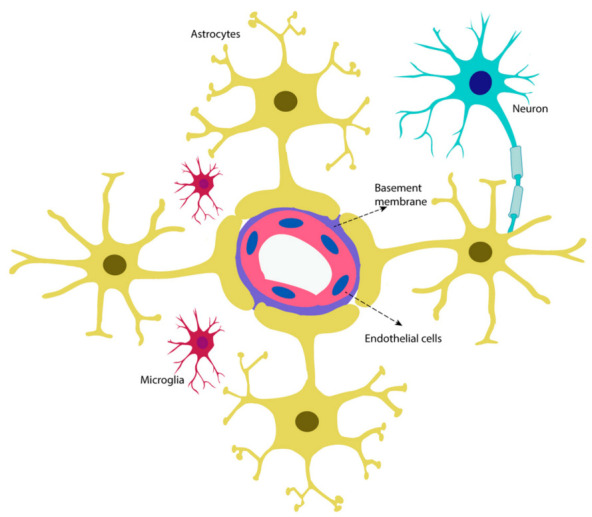
The neurovascular unit (NVU) is a dynamic structure assembled by endothelial cells surrounded by a basement membrane, pericytes, astrocytes, microglia and neurons. A carefully coordinated interplay between these cellular and non-cellular components is required to maintain normal neuronal function, and in line with these observations, a growing body of evidence has linked NVU dysfunction to neurodegeneration. Plasminogen activators catalyze the conversion of the zymogen plasminogen into the two-chain protease plasmin, which in turn triggers a plethora of physiological events including wound healing, angiogenesis, cell migration and inflammation. The last four decades of research have revealed that the two mammalian plasminogen activators, tissue-type plasminogen activator (tPA) and urokinase-type plasminogen activator (uPA), are pivotal regulators of NVU function during physiological and pathological conditions. Here, we will review the most relevant data on their expression and function in the NVU and their role in neurovascular and neurodegenerative disorders.
神经血管单元(NVU)是一种动态结构,由被基底膜包围的内皮细胞、周细胞、星形胶质细胞、小胶质细胞和神经元组装而成。这些细胞和非细胞成分之间需要精心协调的相互作用来维持正常的神经元功能,与此观察结果一致,越来越多的证据表明NVU功能障碍与神经退行性变有关。纤溶酶原激活剂催化酶原纤溶酶原转化为双链蛋白酶纤溶酶,进而引发大量生理事件,包括伤口愈合、血管生成、细胞迁移和炎症。过去四十年的研究表明,两种哺乳动物纤溶酶原激活剂,即组织型纤溶酶原激活剂(tPA)和尿激酶型纤溶酶原激活剂(uPA),是生理和病理条件下NVU功能的关键调节因子。在此,我们将综述关于它们在NVU中的表达和功能以及它们在神经血管和神经退行性疾病中的作用的最相关数据。