Ishikawa Taichi, Sasaki Daisuke, Aizawa Ryo, Shimoyama Yu, Yamamoto Matsuo, Irié Tarou, Sasaki Minoru
Division of Molecular Microbiology, Department of Microbiology, Iwate Medical University, 1-1-1 Idai-dori, Yahaba-Cho, Shiwa-Gun, Iwate 028-3694, Japan.
Division of Periodontology, Department of Conservative Dentistry, School of Dentistry, Iwate Medical University, 1-3-27 Chuo-dori, Morioka, Iwate 020-8505, Japan.
Dent J (Basel). 2021 Apr 16;9(4):44. doi: 10.3390/dj9040044.
To elucidate the effects of butyric acid (BA), a metabolite of bacteria involved in periodontitis, and a possible enhancer of the junctional epithelial cells.
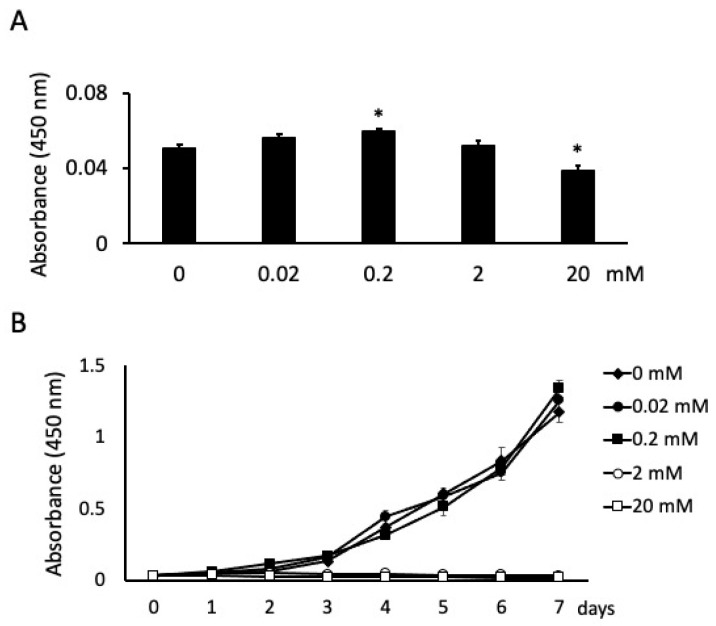
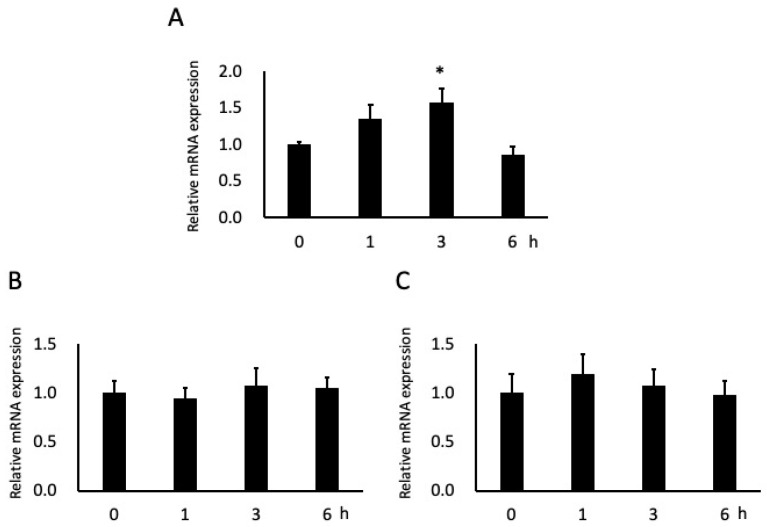
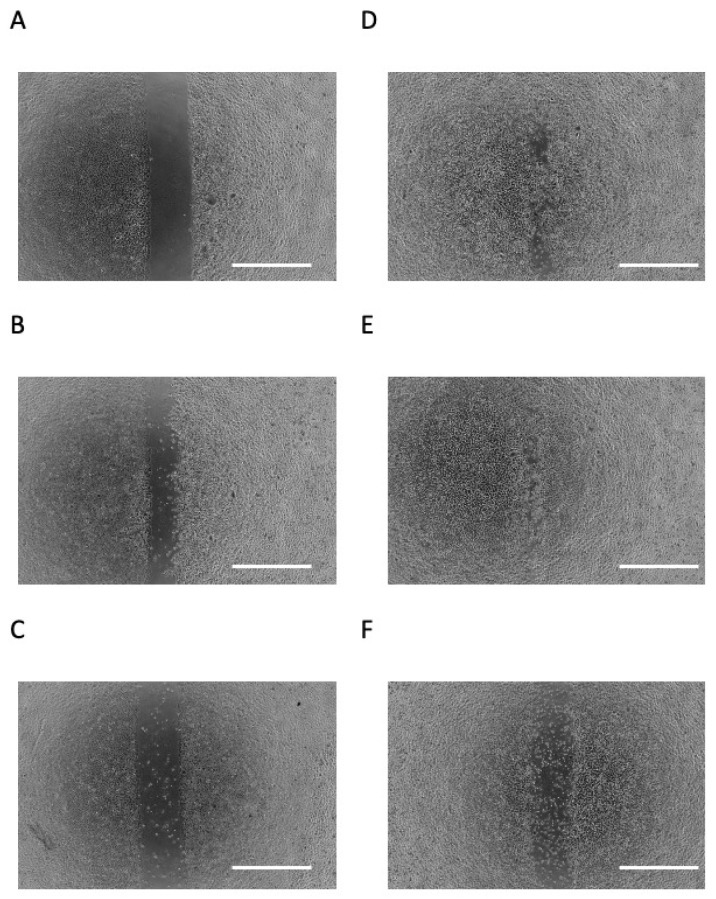
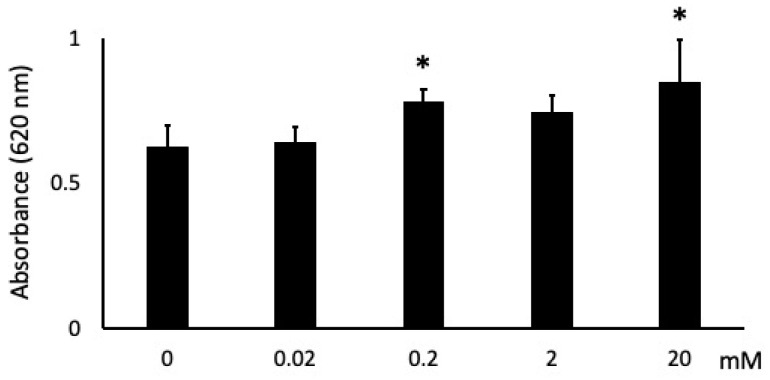
A murine junctional epithelial cell line, JE-1, was used to assess the effects of sodium butyrate (NaB) as BA. Cell proliferation, migration and attachment were analyzed. Additionally, gene and promoter expression analysis was performed, i.e., cap analysis of gene expression (CAGE) and gene ontology (GO) term enrichment analysis.
NaB affected junctional epithelial cell proliferation, migration and attachment. A high concentration of NaB caused cell death and a low concentration tended to promote migration and adhesion. CAGE analysis revealed 75 upregulated and 96 downregulated genes in the cells after 0.2 mM NaB stimulation for 3 h. Regarding GO term enrichment, the genes upregulated >4-fold participated predominantly in cell migration and proliferation. The results of this study suggest that BA produced from periodontopathic bacteria is involved in periodontal tissue destruction at high concentrations. Furthermore, at low concentrations, BA potentially participates in periodontal disease progression by increasing proliferation, migration and attachment of the junctional epithelium and thereby increasing epithelial down-growth.
阐明丁酸(BA)(一种参与牙周炎的细菌代谢产物,也是一种可能的结合上皮细胞增强剂)的作用。
使用小鼠结合上皮细胞系JE-1评估丁酸钠(NaB)作为BA的作用。分析细胞增殖、迁移和附着情况。此外,进行基因和启动子表达分析,即基因表达的帽分析(CAGE)和基因本体(GO)术语富集分析。
NaB影响结合上皮细胞的增殖、迁移和附着。高浓度的NaB导致细胞死亡,低浓度则倾向于促进迁移和黏附。CAGE分析显示,在0.2 mM NaB刺激3小时后,细胞中有75个基因上调,96个基因下调。关于GO术语富集,上调>4倍的基因主要参与细胞迁移和增殖。本研究结果表明,牙周病原菌产生的BA在高浓度时参与牙周组织破坏。此外,在低浓度时,BA可能通过增加结合上皮的增殖、迁移和附着,从而增加上皮向下生长,参与牙周疾病进展。