Paredes Ferran, Herrojo Cristian, Martín Ferran
CIMITEC, Departament d'Enginyeria Electrònica, Universitat Autònoma de Barcelona, 08193 Bellaterra, Spain.
Sensors (Basel). 2021 Apr 13;21(8):2738. doi: 10.3390/s21082738.
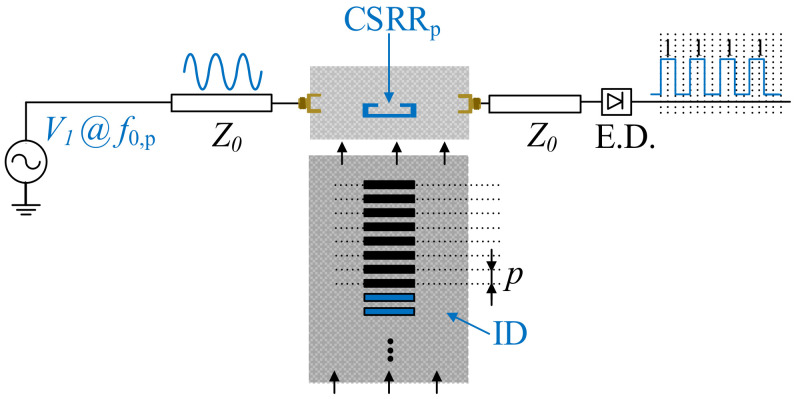
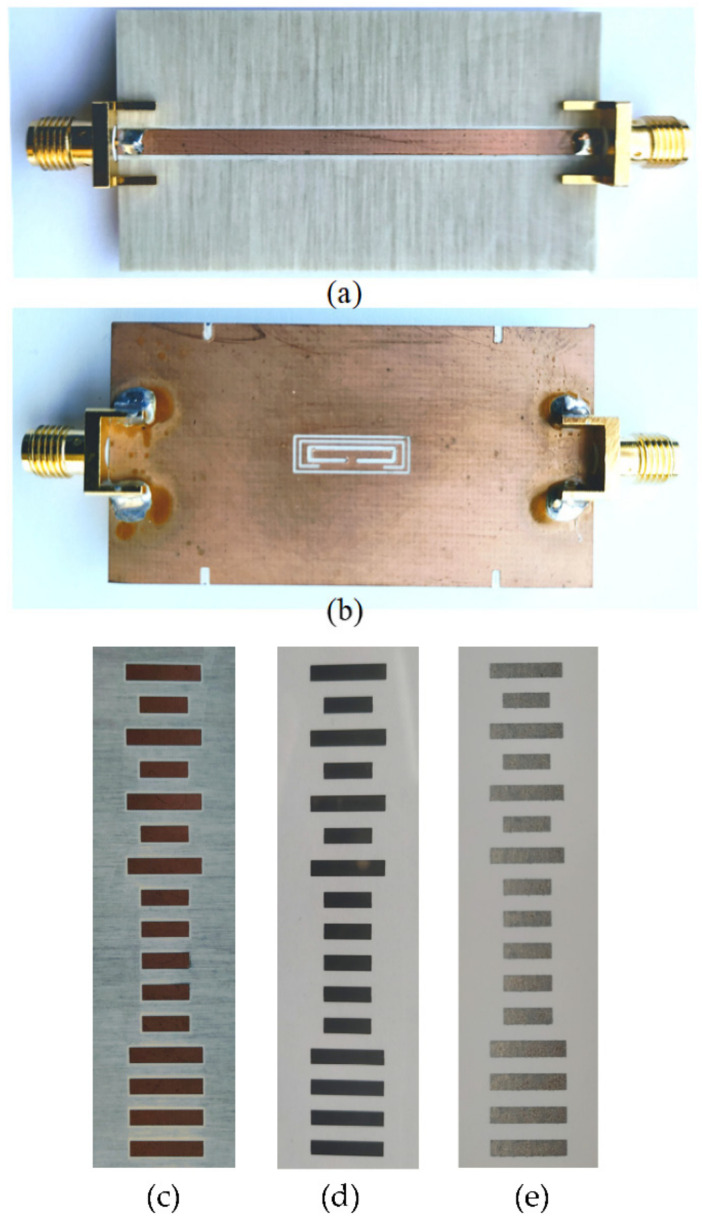
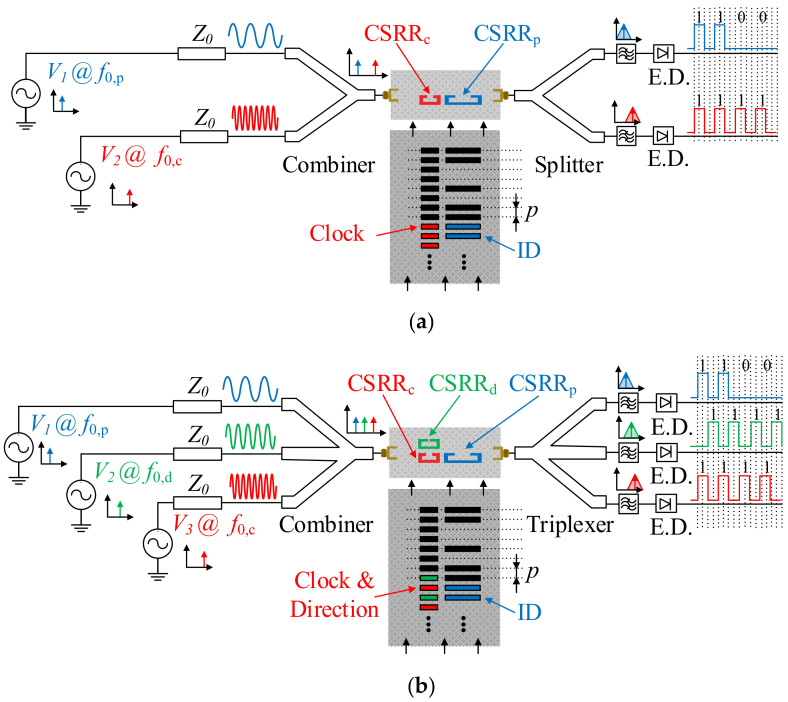
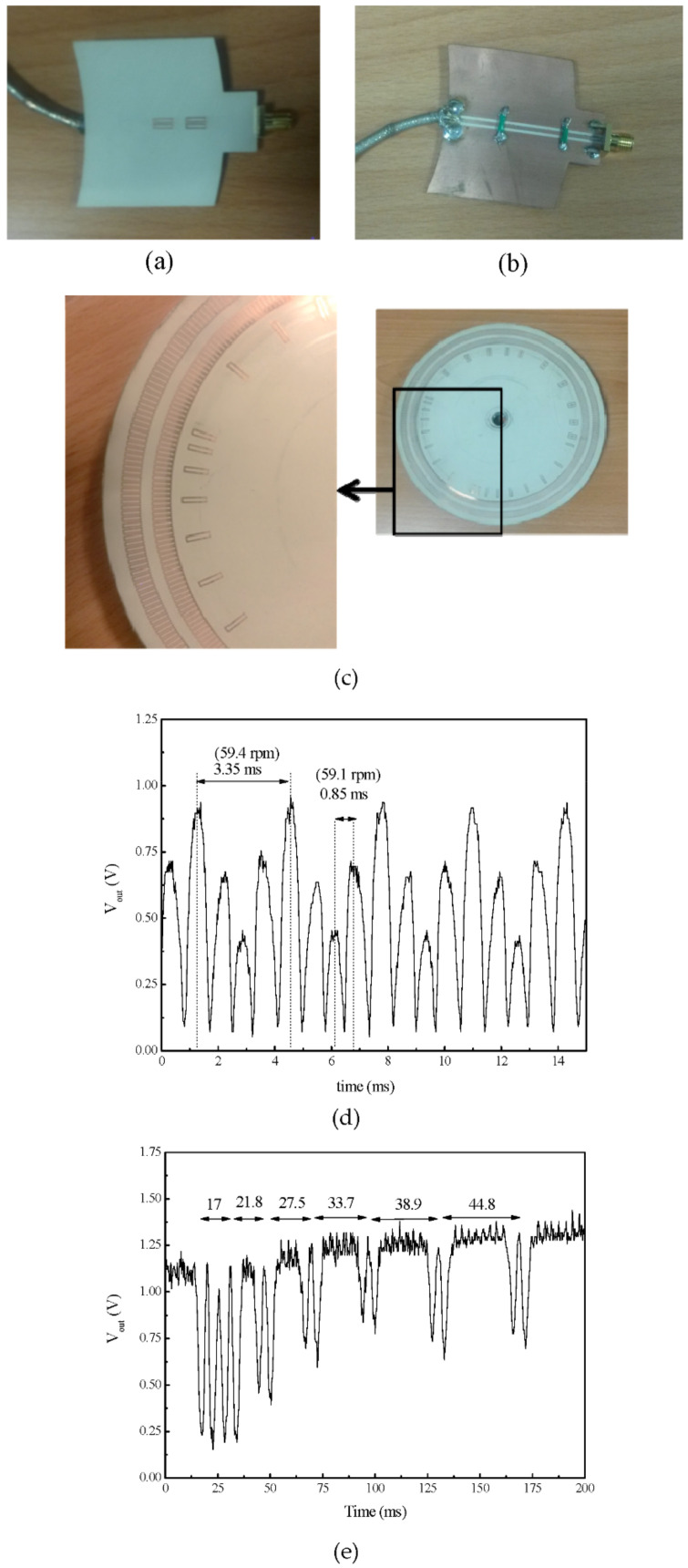
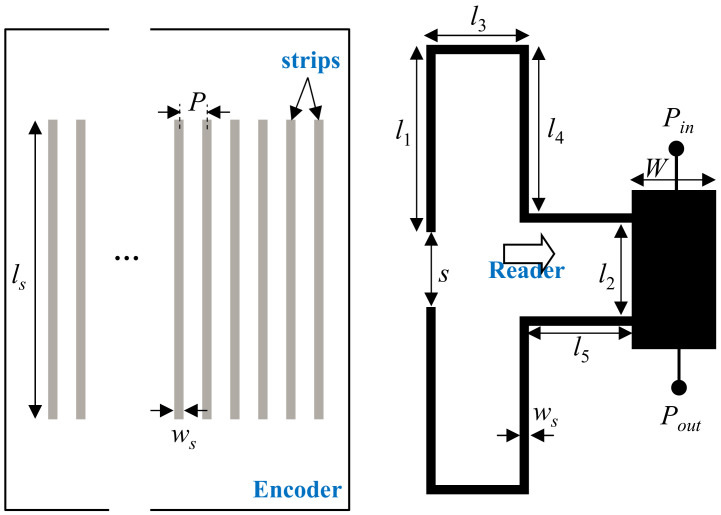
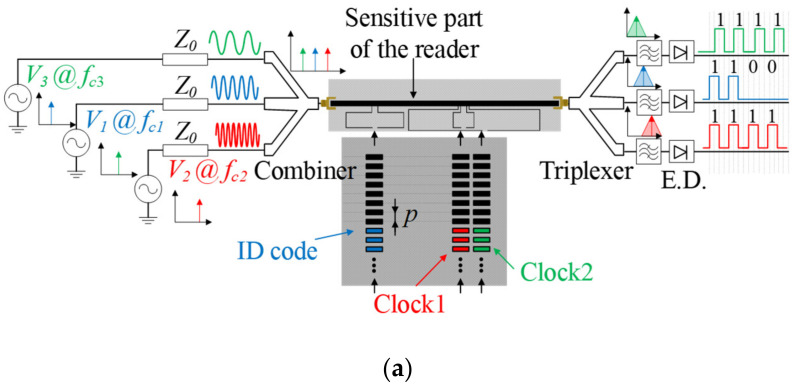
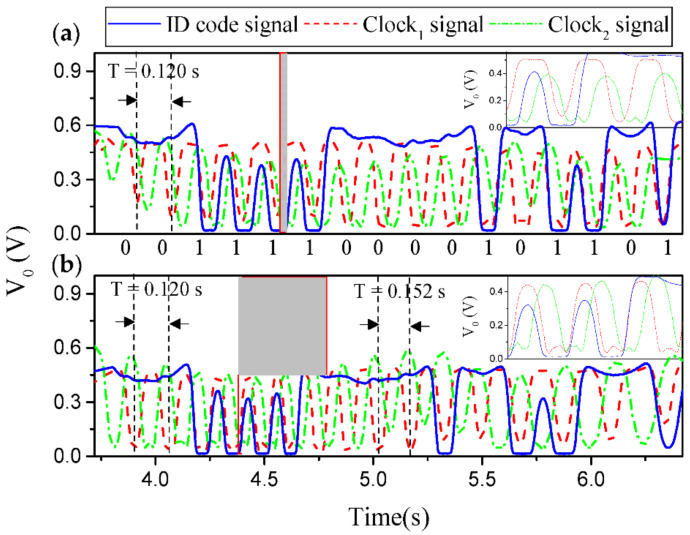
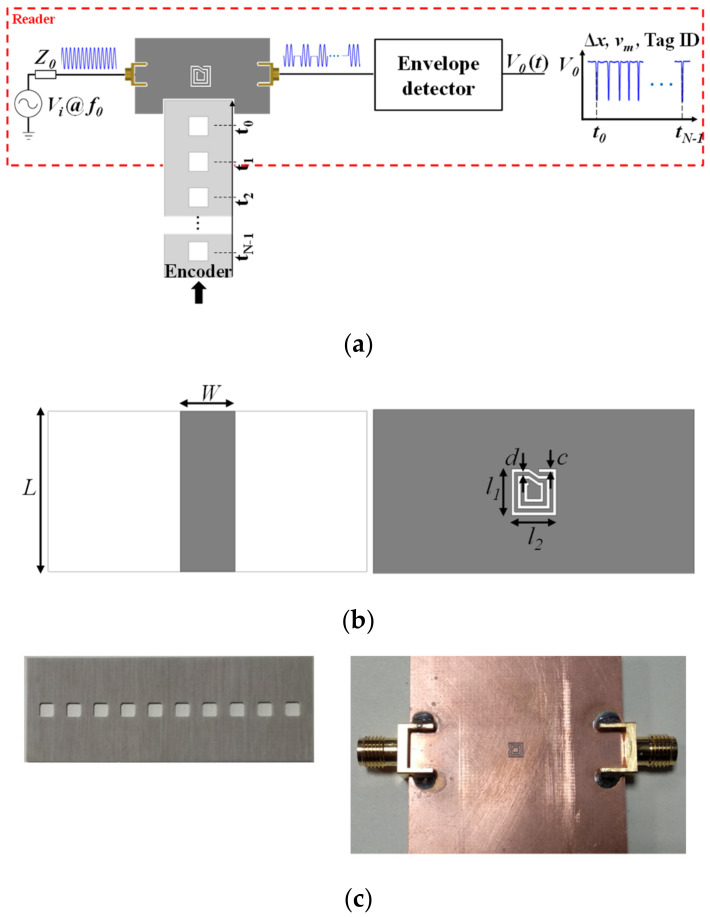
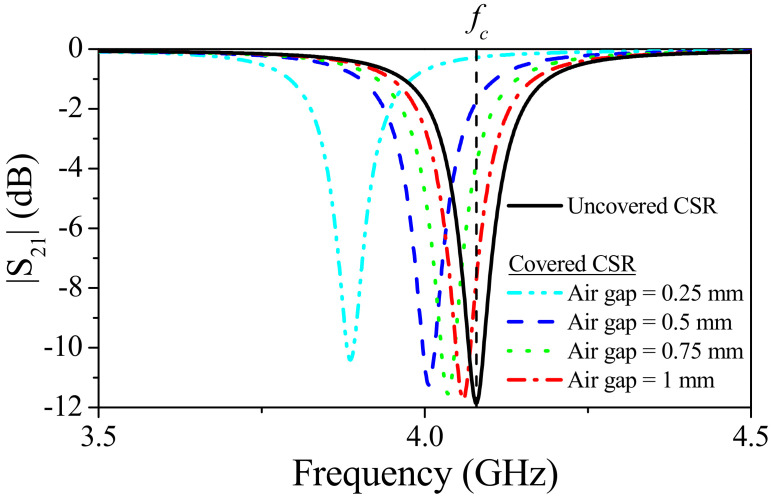
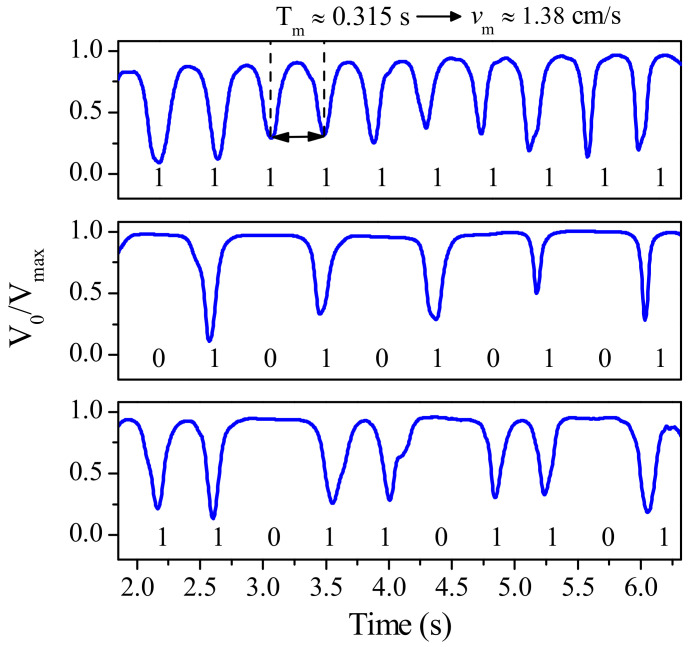
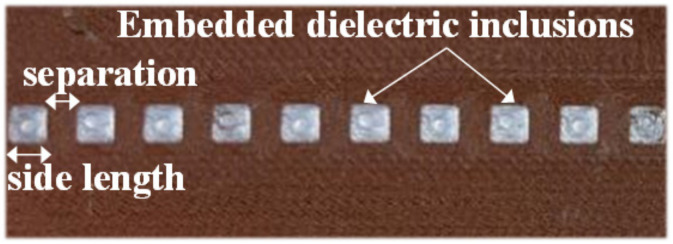
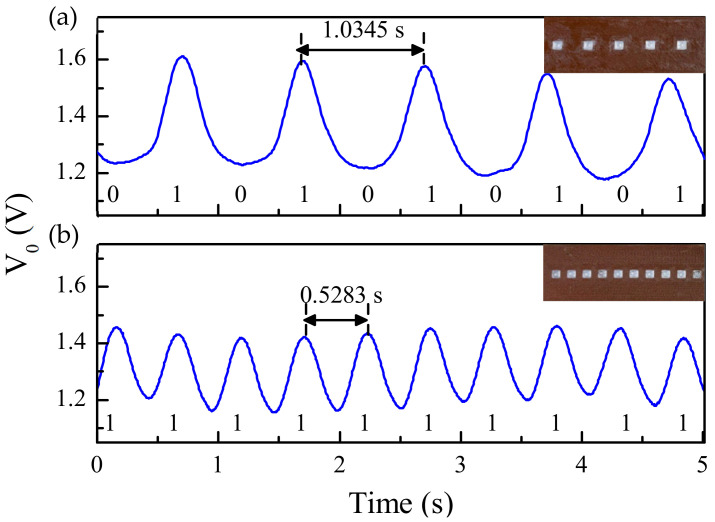
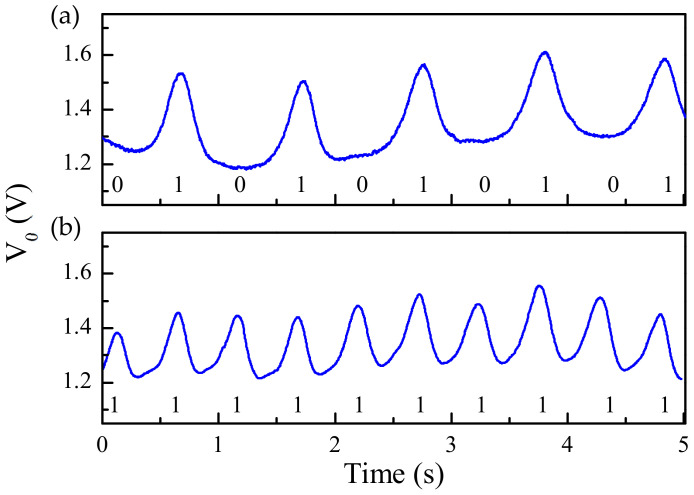
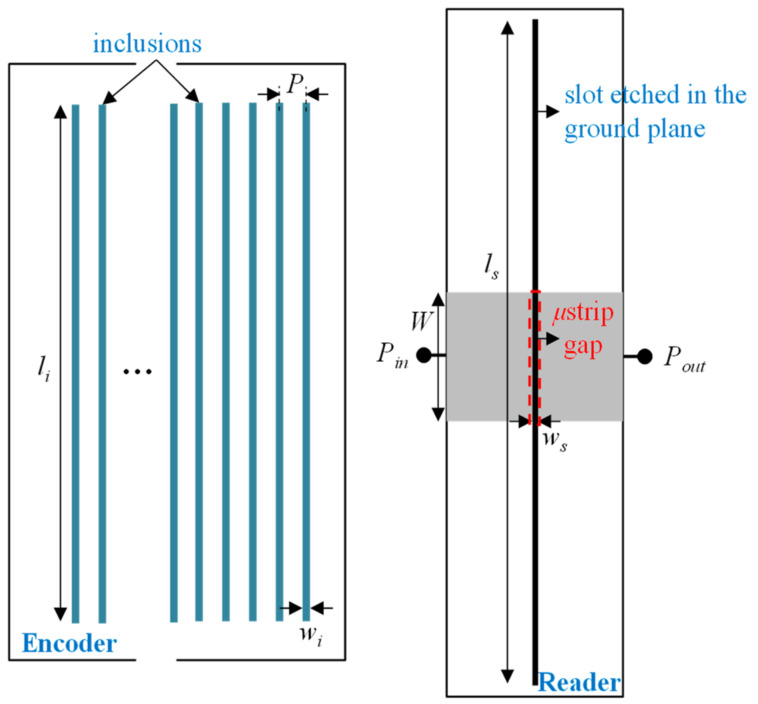
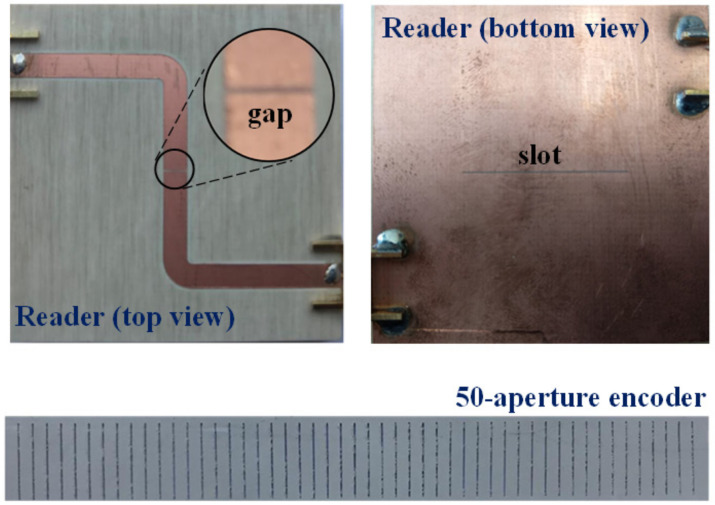
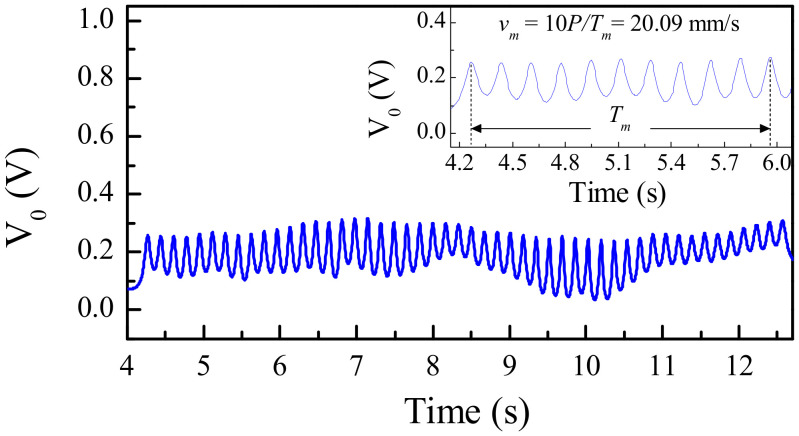
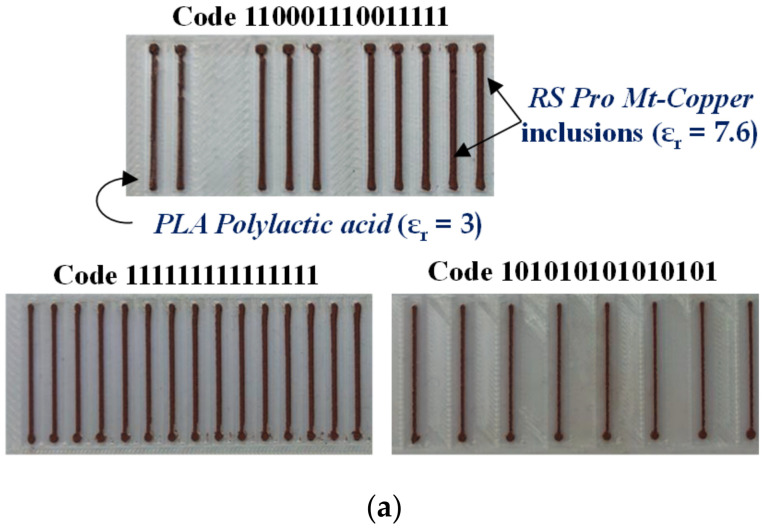
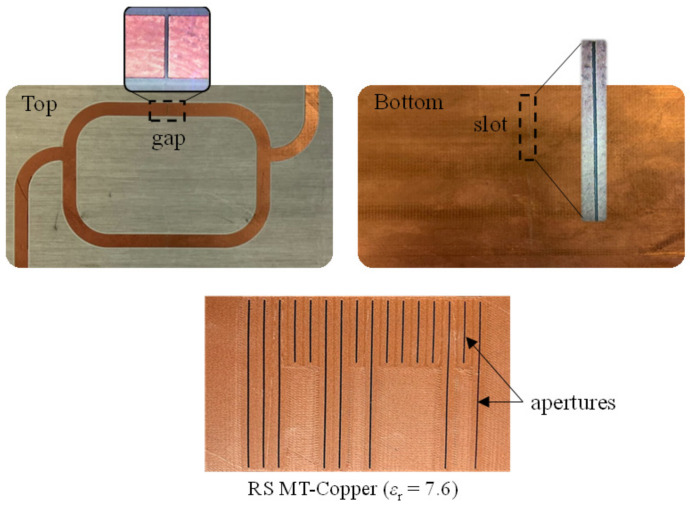
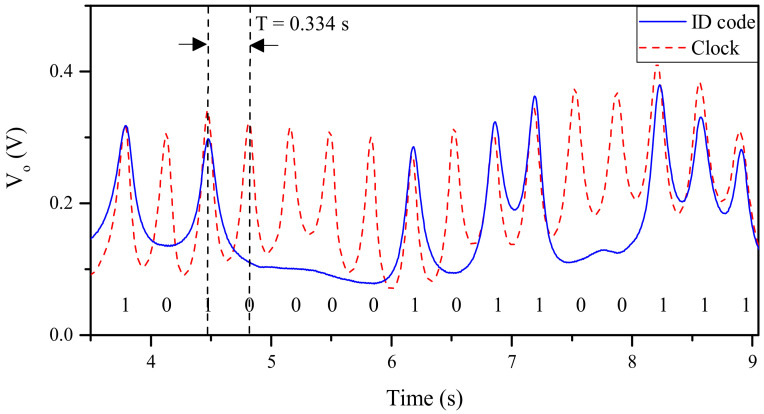
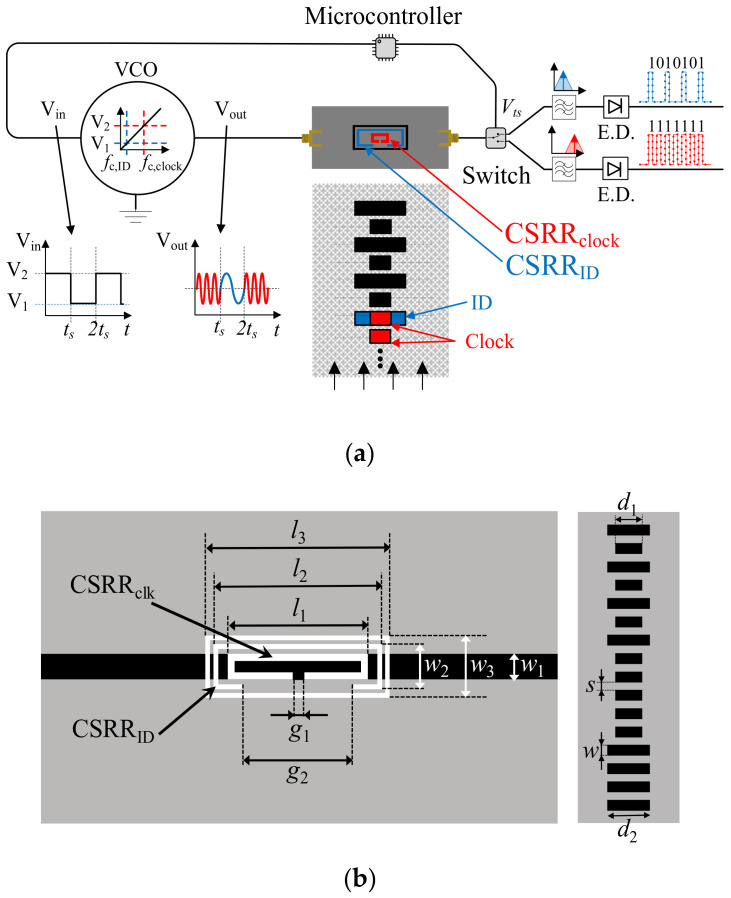
Optical and magnetic linear/rotary encoders are well-known systems traditionally used in industry for the accurate measurement of linear/angular displacements and velocities. Recently, a different approach for the implementation of linear/rotary encoders has been proposed. Such an approach uses electromagnetic signals, and the working principle of these electromagnetic encoders is very similar to the one of optical encoders, i.e., pulse counting. Specifically, a transmission line based structure fed by a harmonic signal tuned to a certain frequency, the stator, is perturbed by encoder motion. Such encoder consists in a linear or circular chain (or chains) of inclusions (metallic, dielectric, or apertures) on a dielectric substrate, rigid or flexible, and made of different materials, including plastics, organic materials, rubber, etc. The harmonic signal is amplitude modulated by the encoder chain, and the envelope function contains the information relative to the position and velocity. The paper mainly focuses on linear encoders based on metallic and dielectric inclusions. Moreover, it is shown that synchronous electromagnetic encoders, able to provide the quasi-absolute position (plus the velocity and direction of motion in some cases), can be implemented. Several prototype examples are reviewed in the paper, including encoders implemented by means of additive process, such as 3D printed and screen-printed encoders.
光学和磁性线性/旋转编码器是工业中传统上用于精确测量线性/角位移和速度的知名系统。最近,有人提出了一种实现线性/旋转编码器的不同方法。这种方法使用电磁信号,并且这些电磁编码器的工作原理与光学编码器的工作原理非常相似,即脉冲计数。具体而言,由调谐到特定频率的谐波信号馈电的基于传输线的结构(定子)会因编码器运动而受到扰动。这种编码器由刚性或柔性介电基板上的线性或圆形链(或多条链)的内含物(金属、电介质或孔)组成,这些内含物由包括塑料、有机材料、橡胶等不同材料制成。谐波信号由编码器链进行幅度调制,包络函数包含与位置和速度相关的信息。本文主要关注基于金属和电介质内含物的线性编码器。此外,还表明可以实现能够提供准绝对位置(在某些情况下还包括速度和运动方向)的同步电磁编码器。本文回顾了几个原型示例,包括通过增材制造工艺实现的编码器,如3D打印和丝网印刷编码器。