Grigorov Emil, Kirov Boris, Marinov Marin B, Galabov Vassil
Faculty of German Engineering Education and Industrial Management (FDIBA), Technical University of Sofia, 1756 Sofia, Bulgaria.
Department Industrial Automation, Technical University of Sofia, 1756 Sofia, Bulgaria.
Micromachines (Basel). 2021 Apr 28;12(5):498. doi: 10.3390/mi12050498.
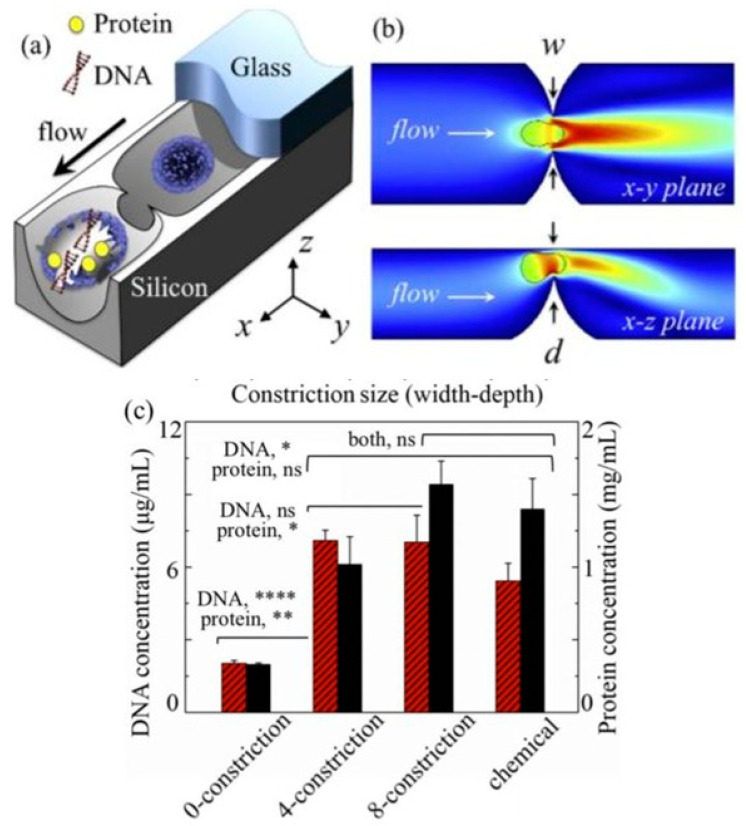
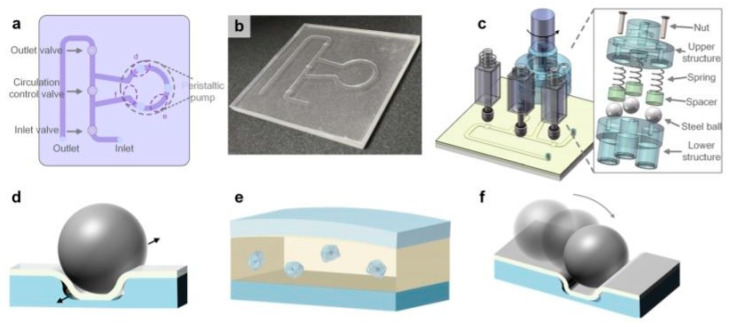
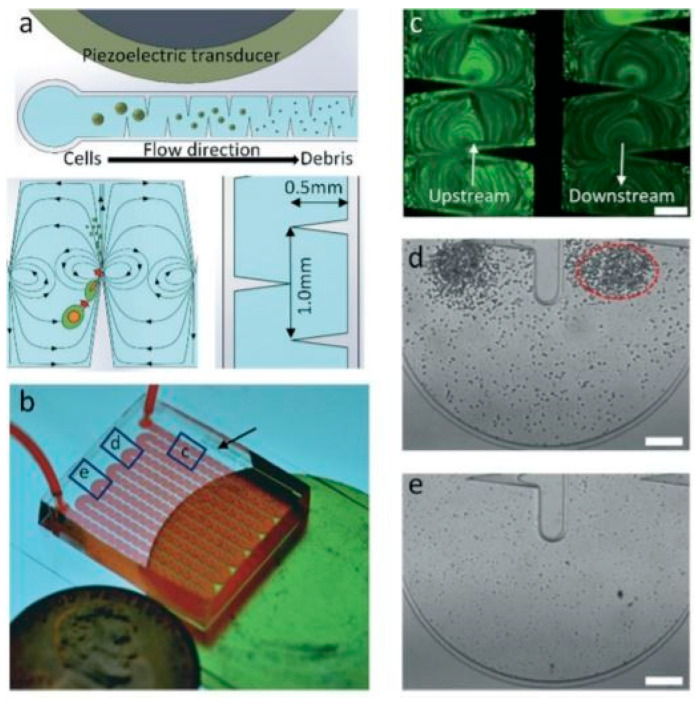
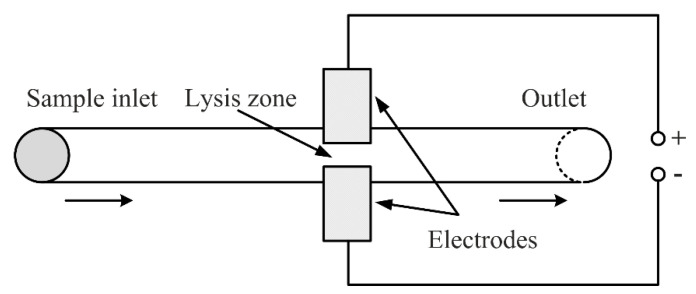
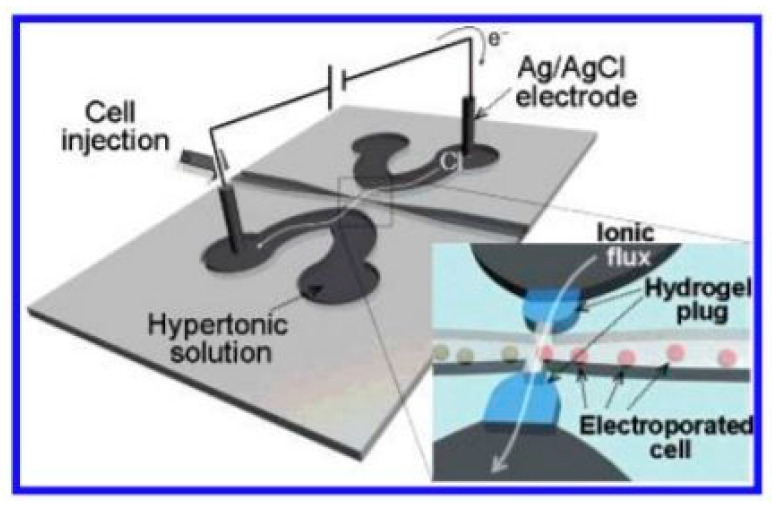
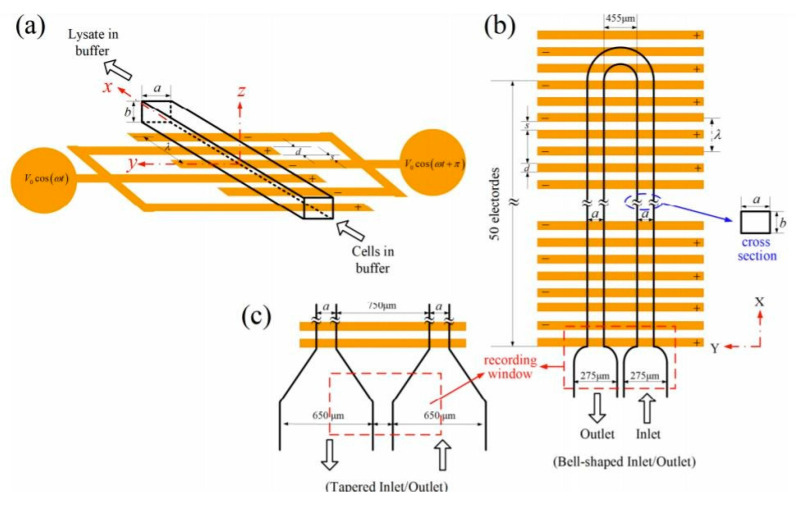
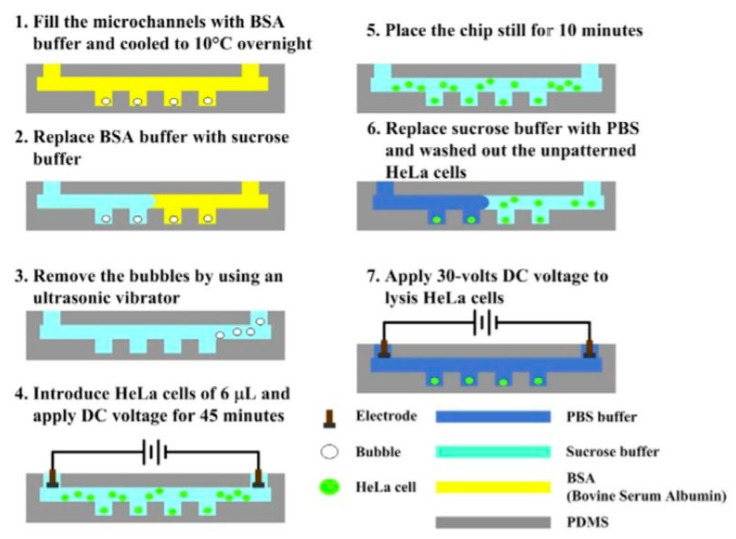
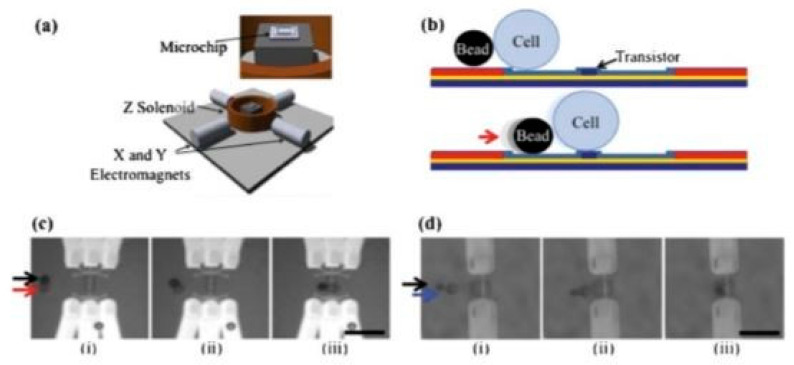
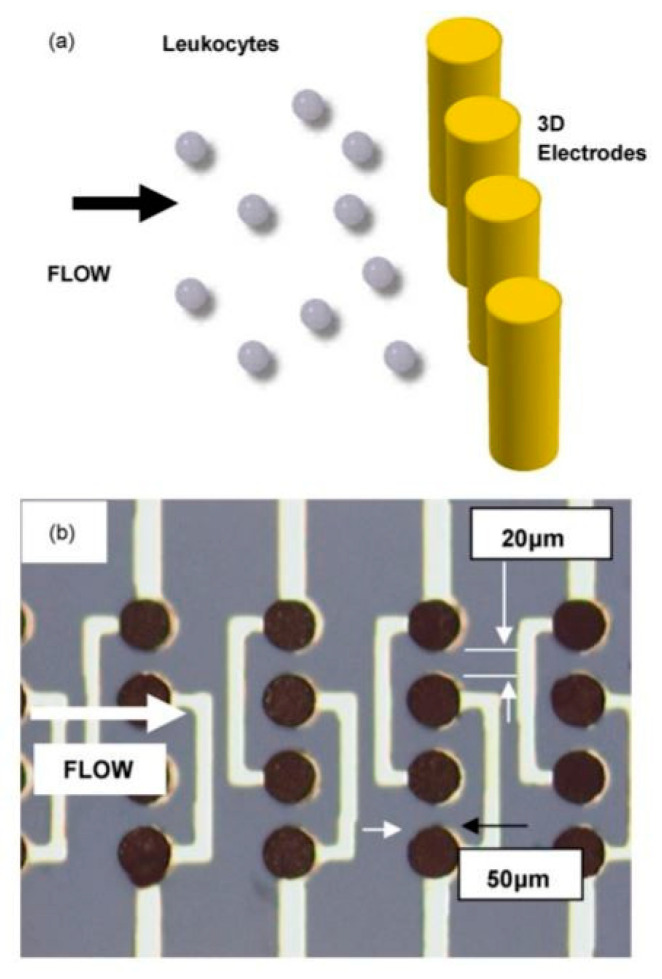
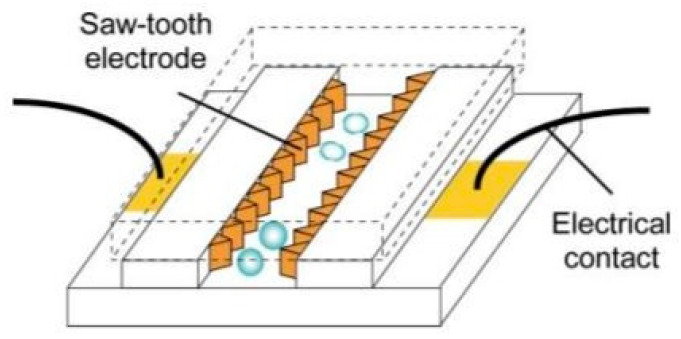
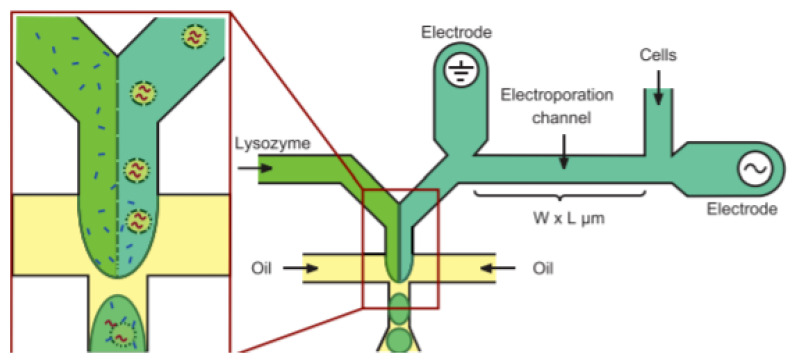
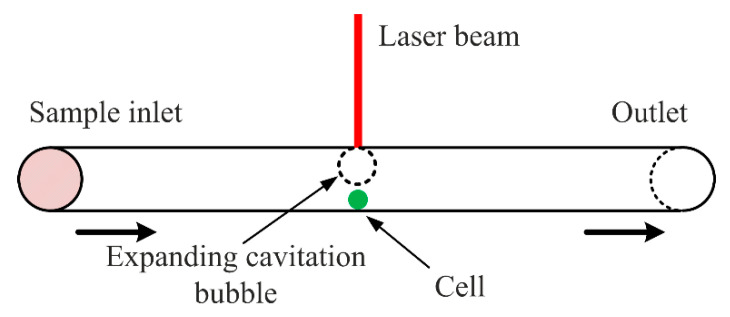
Cell lysis is a process in which the outer cell membrane is broken to release intracellular constituents in a way that important information about the DNA or RNA of an organism can be obtained. This article is a thorough review of reported methods for the achievement of effective cellular boundaries disintegration, together with their technological peculiarities and instrumental requirements. The different approaches are summarized in six categories: chemical, mechanical, electrical methods, thermal, laser, and other lysis methods. Based on the results derived from each of the investigated reports, we outline the advantages and disadvantages of those techniques. Although the choice of a suitable method is highly dependent on the particular requirements of the specific scientific problem, we conclude with a concise table where the benefits of every approach are compared, based on criteria such as cost, efficiency, and difficulty.
细胞裂解是一个过程,在此过程中,细胞外膜被破坏,以一种能够获取有关生物体DNA或RNA重要信息的方式释放细胞内成分。本文全面综述了已报道的实现有效细胞边界解体的方法,以及它们的技术特点和仪器要求。不同的方法可归纳为六类:化学、机械、电学方法、热、激光和其他裂解方法。基于每项研究报告得出的结果,我们概述了这些技术的优缺点。尽管合适方法的选择在很大程度上取决于特定科学问题的具体要求,但我们最后给出了一个简明的表格,根据成本、效率和难度等标准比较了每种方法的优点。