Key Laboratory of South China Agricultural Plant Molecular Analysis and Genetic Improvement & Guangdong Provincial Key Laboratory of Applied Botany, South China Botanical Garden, Chinese Academy of Sciences, Guangzhou 510650, China.
University of the Chinese Academy of Sciences, Beijing 100039, China.
Int J Mol Sci. 2021 Apr 27;22(9):4554. doi: 10.3390/ijms22094554.
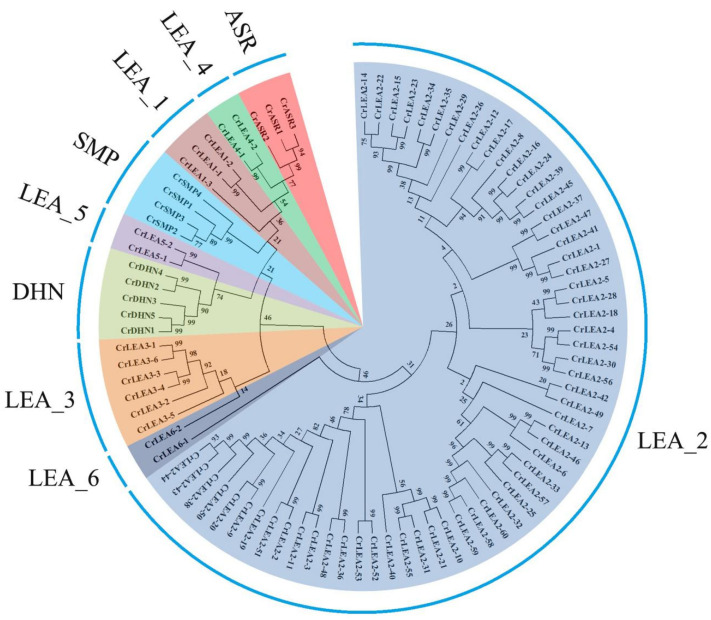
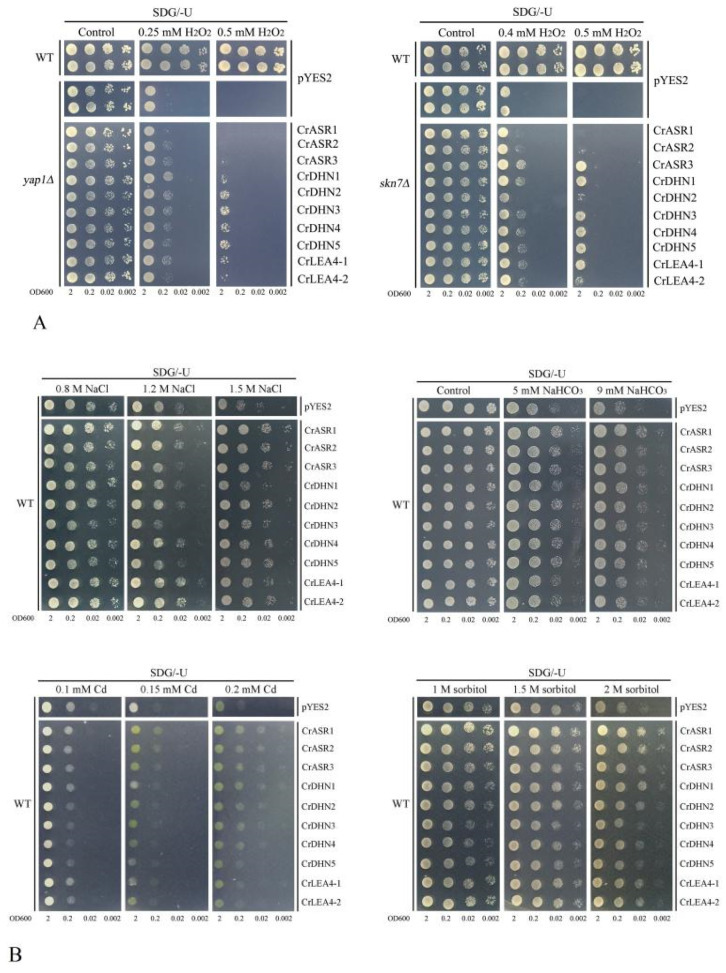
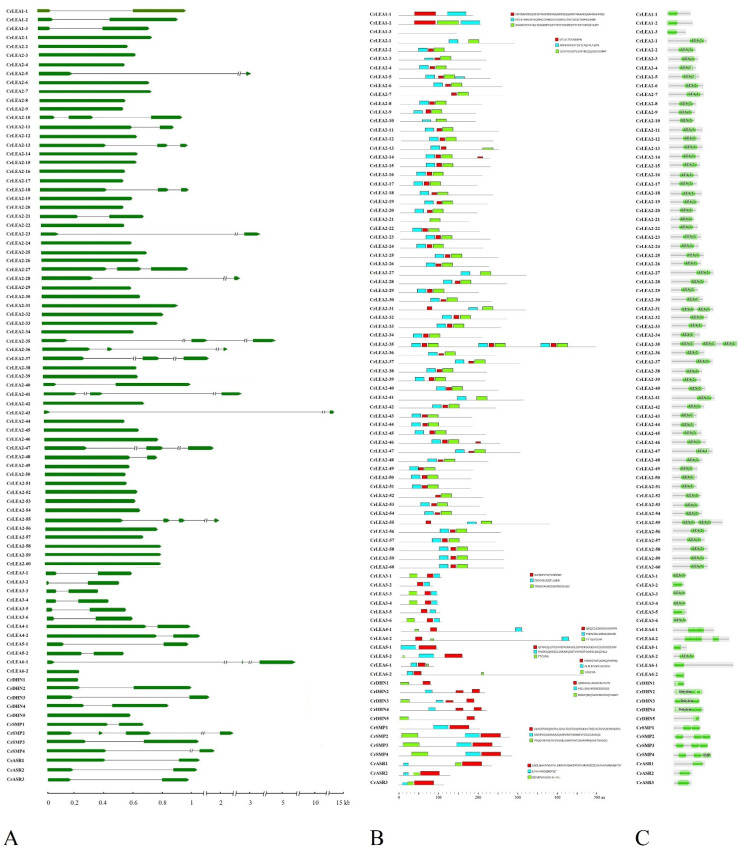
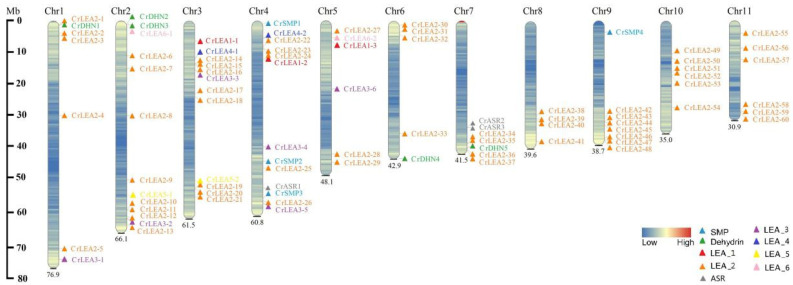
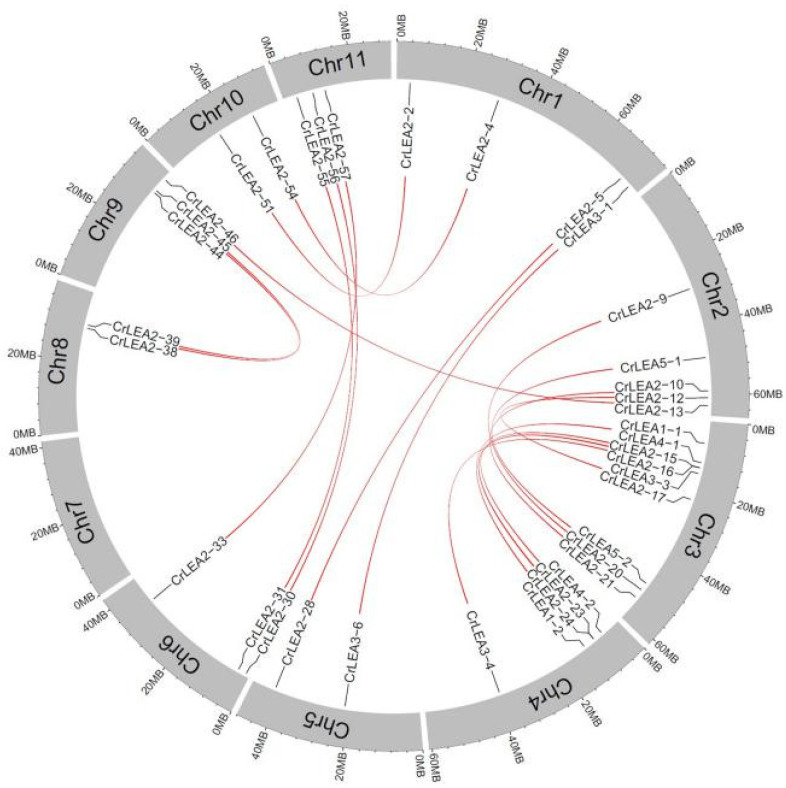
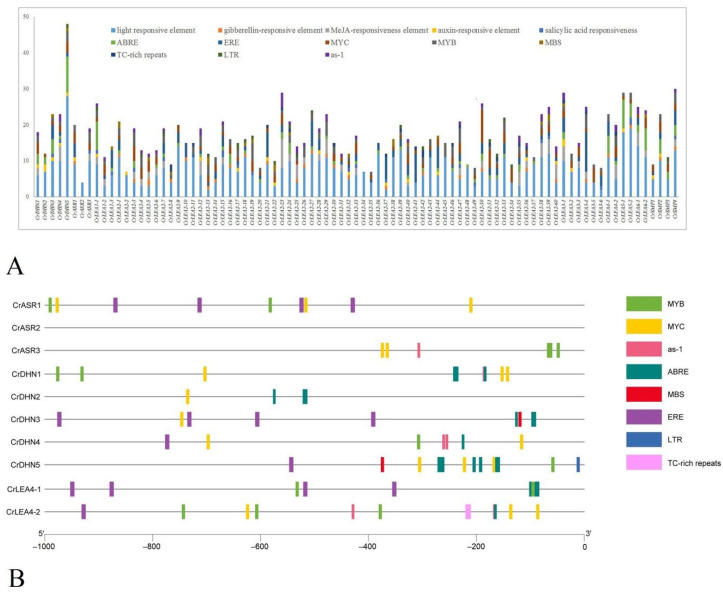
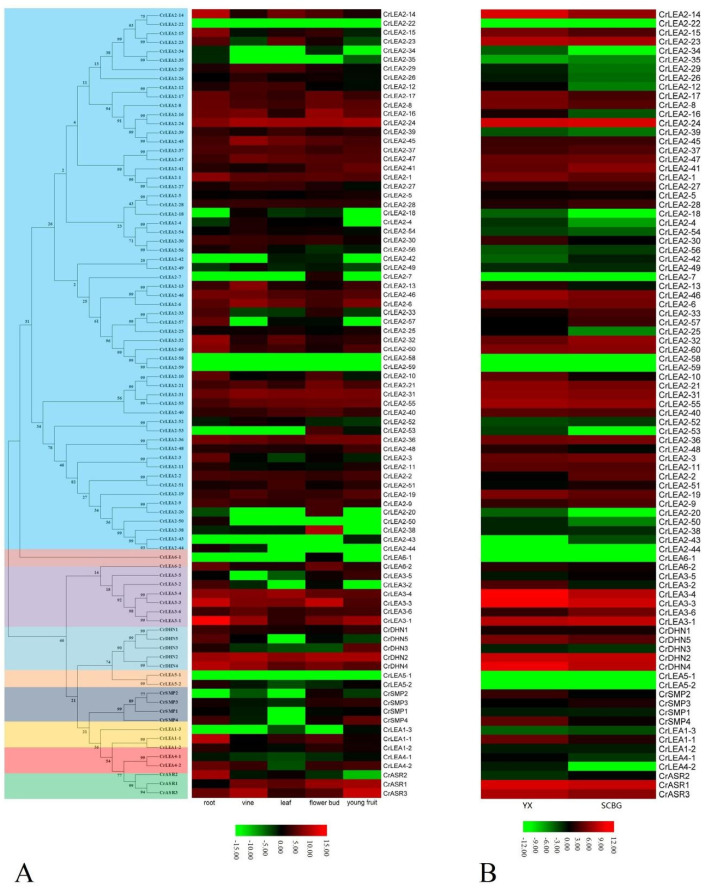
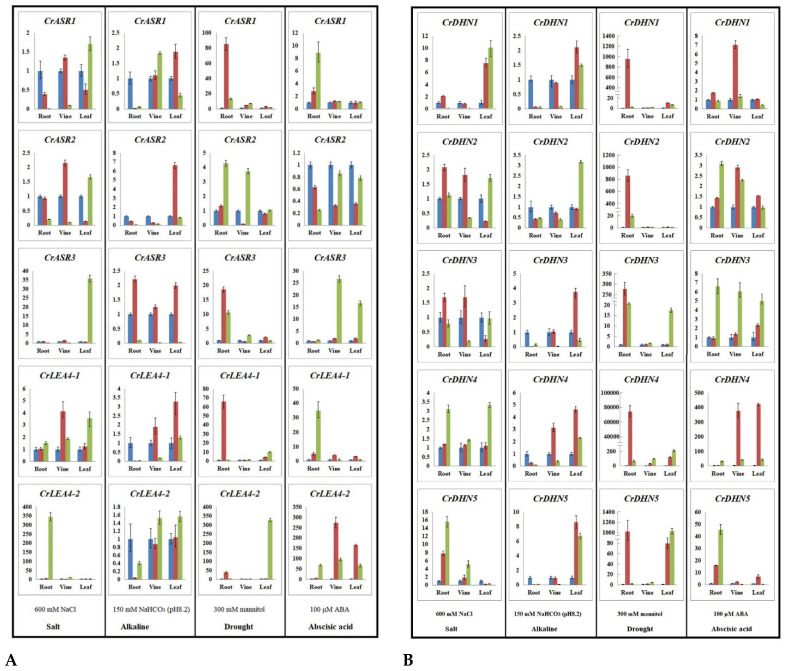
(bay bean), distributing in coastal areas or islands in tropical and subtropical regions, is an extremophile halophyte with good adaptability to seawater and drought. Late embryogenesis abundant (LEA) proteins typically accumulate in response to various abiotic stresses, including dehydration, salinity, high temperature, and cold, or during the late stage of seed development. Abscisic acid-, stress-, and ripening-induced (ASR) genes are stress and developmentally regulated plant-specific genes. In this study, we reported the first comprehensive survey of the LEA and ASR gene superfamily in . A total of 84 s and three s were identified in and classified into nine groups. All CrLEAs and CrASRs harbored the conserved motif for their family proteins. Our results revealed that the genes were widely distributed in different chromosomes, and all of the / genes showed wide expression features in different tissues in plants. Additionally, we introduced 10 genes from different groups into yeast to assess the functions of the s/s. These results contribute to our understanding of genes from halophytes and provide robust candidate genes for functional investigations in plant species adapted to extreme environments.
(巴豆), 分布在热带和亚热带沿海地区或岛屿上, 是一种对海水和干旱有良好适应性的极端嗜盐植物。晚期胚胎丰富蛋白 (LEA) 蛋白通常在应对各种非生物胁迫时积累, 包括脱水、盐度、高温和低温, 或在种子发育的晚期。脱落酸、胁迫和成熟诱导 (ASR) 基因是应激和发育调节的植物特异性基因。在这项研究中, 我们报告了在 中 LEA 和 ASR 基因超家族的首次全面调查。共鉴定出 84 个 s 和 3 个 s, 并分为 9 组。所有的 CrLEAs 和 CrASRs 都含有其家族蛋白的保守基序。我们的结果表明, 基因广泛分布在不同的染色体上, 所有的 / 基因在 植物的不同组织中都表现出广泛的表达特征。此外, 我们从不同的组引入了 10 个基因到酵母中, 以评估 s/s 的功能。这些结果有助于我们了解来自盐生植物的基因, 并为适应极端环境的植物物种的功能研究提供了强有力的候选基因。