Department of Emergency Medicine, Thomas Jefferson University, 1025 Walnut Street, Philadelphia, PA 19107, USA.
Department of Emergency Medicine, University of Maryland School of Medicine, 110 S. Paca Street, 6(th) Floor, Suite 200, Baltimore, MD 21205, USA.
Brain Res. 2021 Aug 15;1765:147507. doi: 10.1016/j.brainres.2021.147507. Epub 2021 Apr 28.
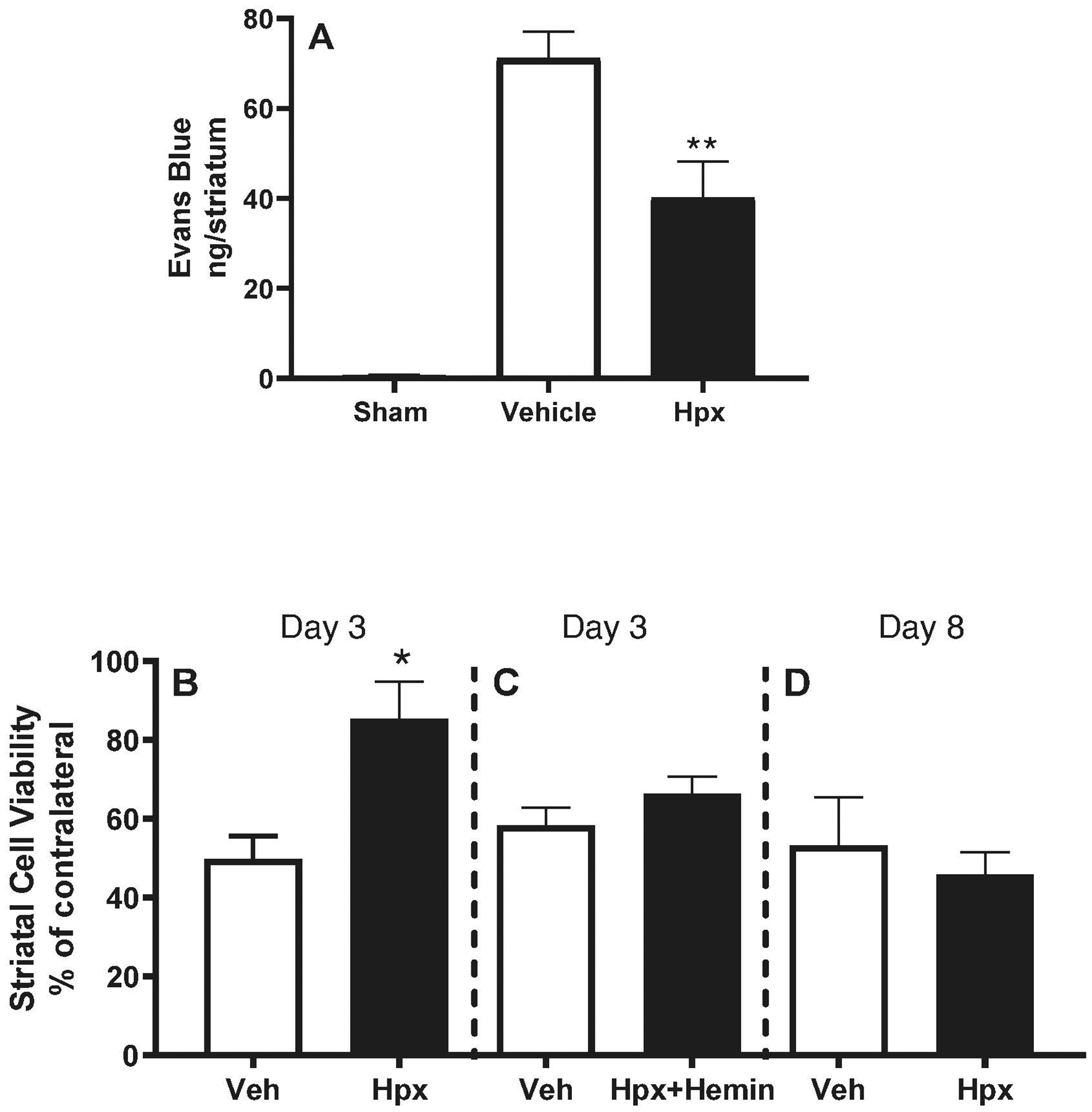
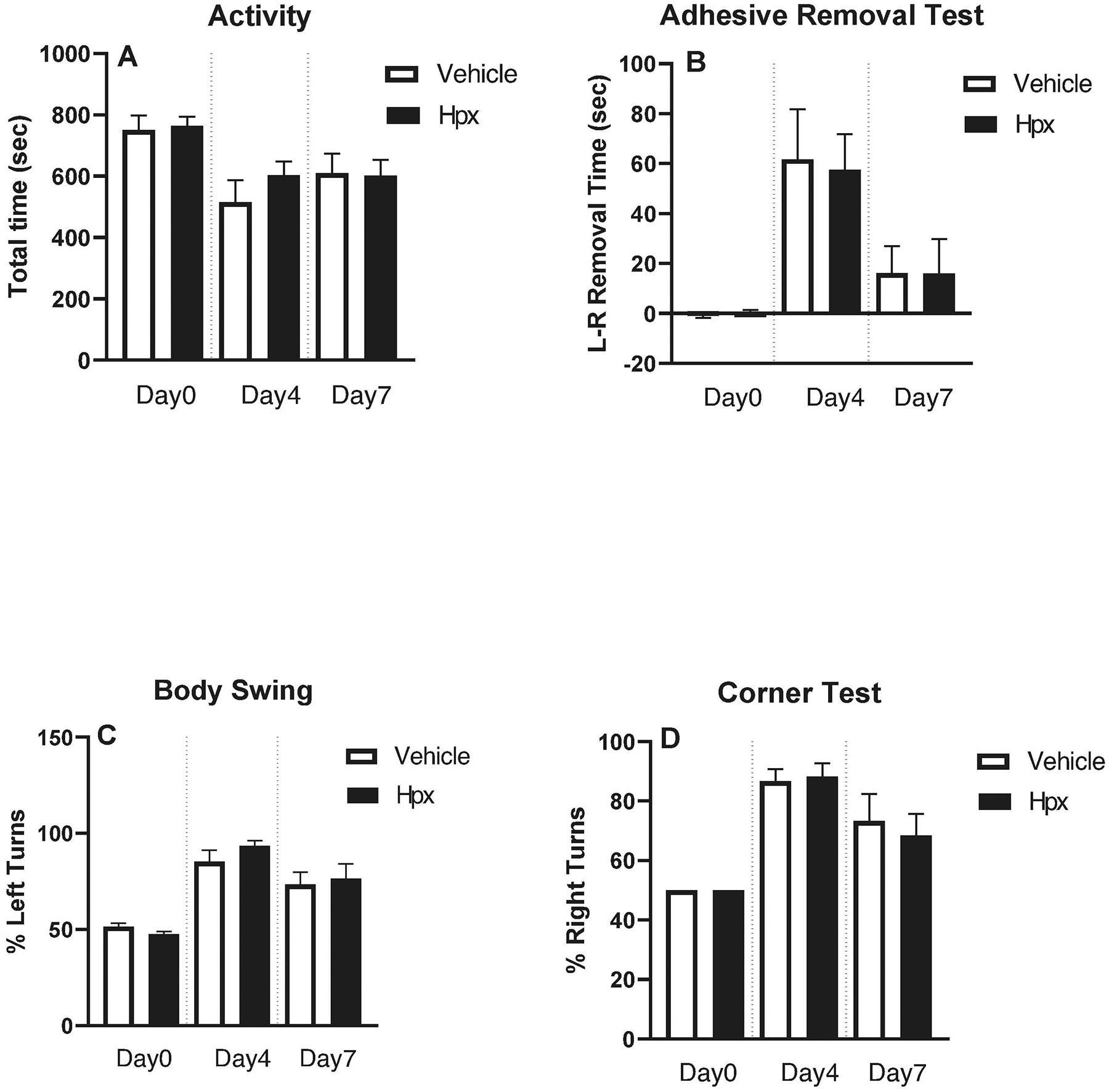
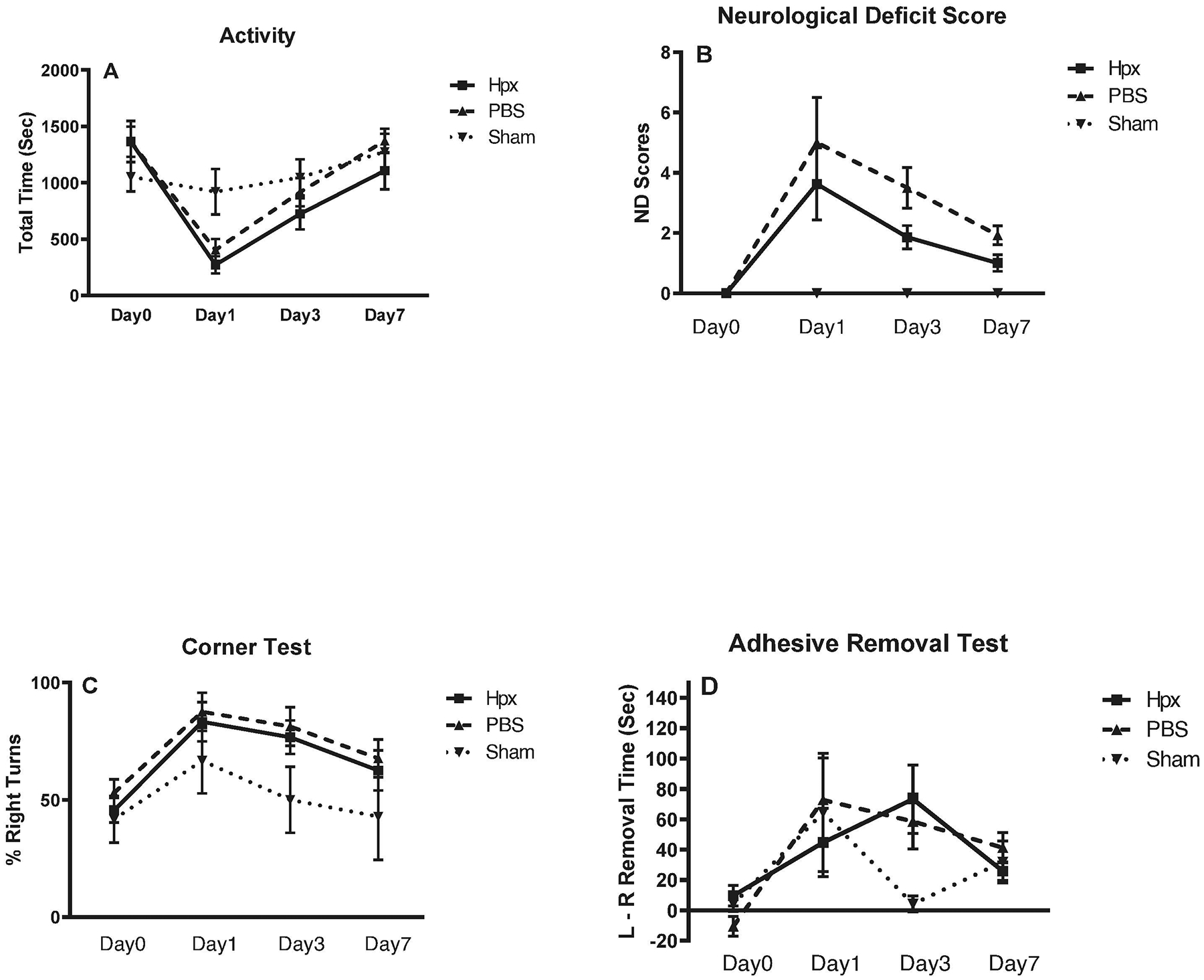
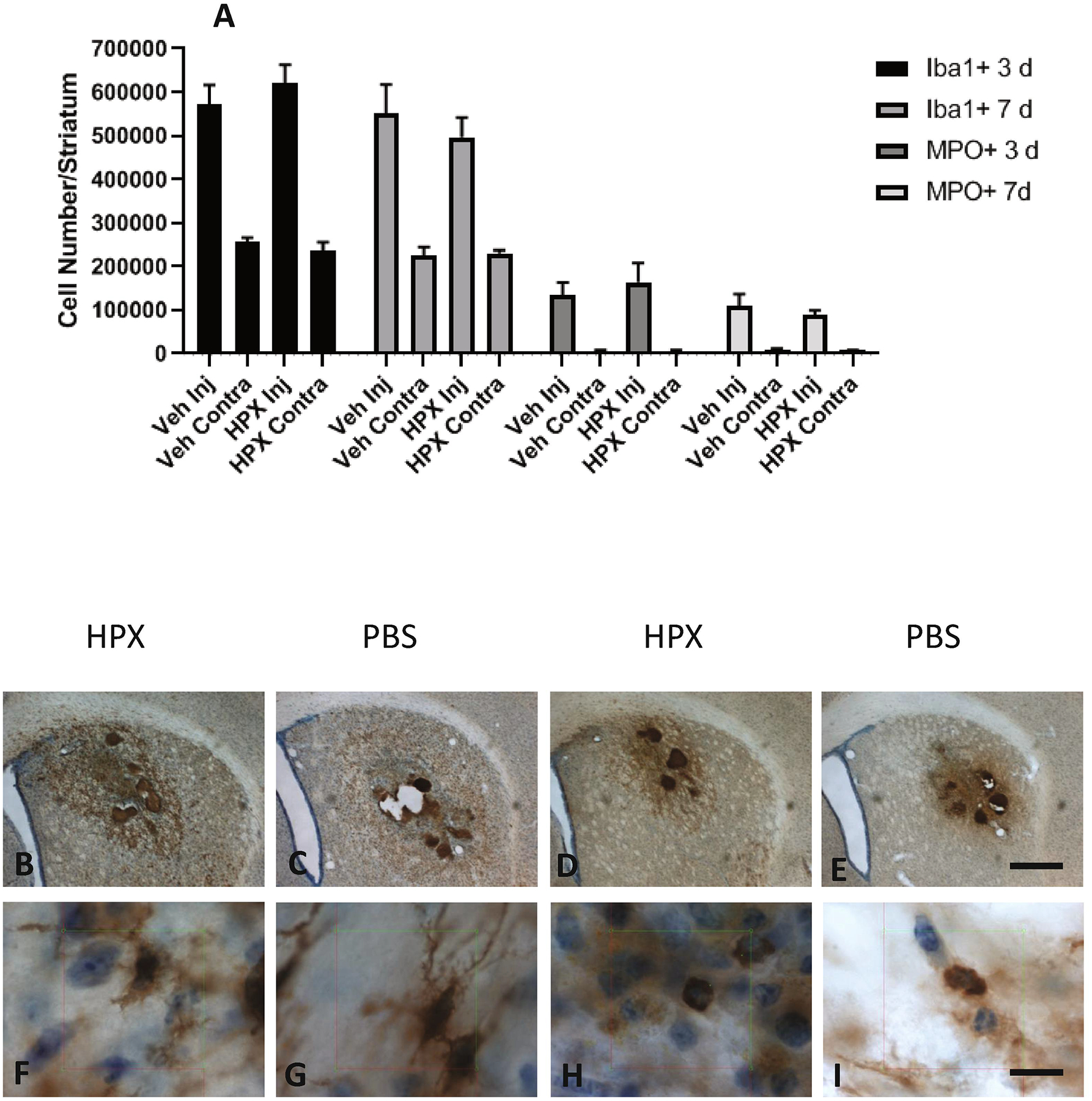
Heme release from hemoglobin may contribute to secondary injury after intracerebral hemorrhage (ICH). The primary endogenous defense against heme toxicity is hemopexin, a 57 kDa glycoprotein that is depleted in the CNS after hemorrhagic stroke. We hypothesized that systemic administration of exogenous hemopexin would reduce perihematomal injury and improve outcome after experimental ICH. Intraperitoneal treatment with purified human plasma hemopexin beginning 2 h after striatal ICH induction and repeated daily for the following two days reduced blood-brain barrier disruption and cell death at 3 days. However, it had no effect on neurological deficits at 4 or 7 days or striatal cell viability at 8 days. Continuous daily hemopexin administration had no effect on striatal heme content at 3 or 7 days, and did not attenuate neurological deficits, inflammatory cell infiltration, or perihematomal cell viability at 8 days. These results suggest that systemic hemopexin treatment reduces early injury after ICH, but this effect is not sustained, perhaps due to an imbalance between striatal tissue heme and hemopexin content at later time points. Future studies should investigate its effect when administered by methods that more efficiently target CNS delivery.
血红蛋白释放的血红素可能导致脑出血(ICH)后的继发性损伤。针对血红素毒性的主要内源性防御是血色素结合蛋白,一种 57kDa 的糖蛋白,在出血性中风后中枢神经系统耗竭。我们假设系统给予外源性血色素结合蛋白会减少血肿周围损伤并改善实验性 ICH 后的结果。脑出血诱导后 2 小时开始腹膜内给予纯化的人血浆血色素结合蛋白,并在接下来的两天内每天重复治疗,可减少 3 天时的血脑屏障破坏和细胞死亡。然而,它对 4 或 7 天时的神经功能缺损或 8 天时的纹状体细胞活力没有影响。连续每天给予血色素结合蛋白对 3 或 7 天时的纹状体血红素含量没有影响,也不能减轻 8 天时的神经功能缺损、炎症细胞浸润或血肿周围细胞活力。这些结果表明,全身血色素结合蛋白治疗可减轻 ICH 后的早期损伤,但这种作用不能持续,可能是由于后期纹状体组织血红素和血色素结合蛋白含量之间的不平衡所致。未来的研究应探讨在更有效地靶向中枢神经系统给药的方法下给予其的效果。