Department of Microbiology, School of Medicine, Iran University of Medical Sciences, Tehran, Iran.
Department of Medical Parasitology and Mycology, Arak University of Medical Sciences, Arak, Iran.
Orphanet J Rare Dis. 2021 Apr 30;16(1):192. doi: 10.1186/s13023-021-01821-5.
Hepatic Actinomycosis (HA) is one of the infections that causes disorders in patients when diagnosed untimely and inappropriately.
Case reports on HA in patients published between 2000 and April 2020 were gathered by carrying out a structured search through PubMed/Medline.
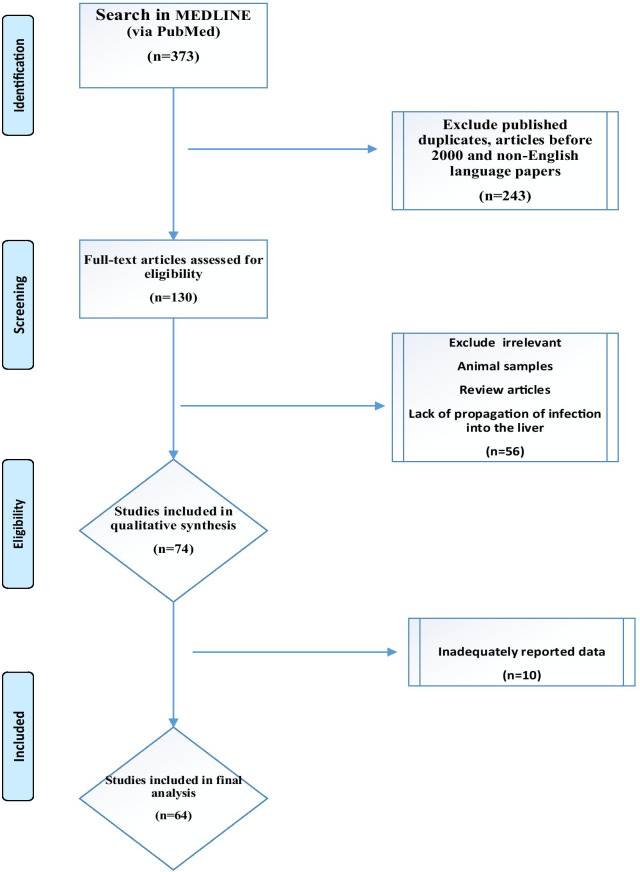
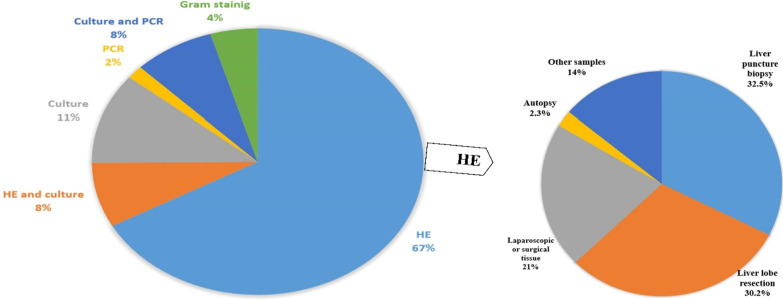
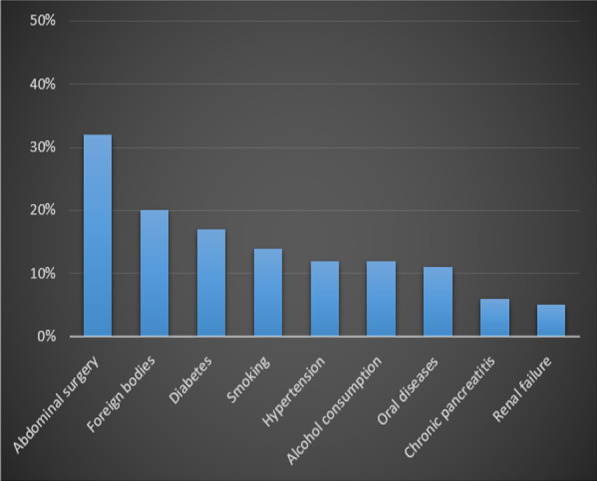
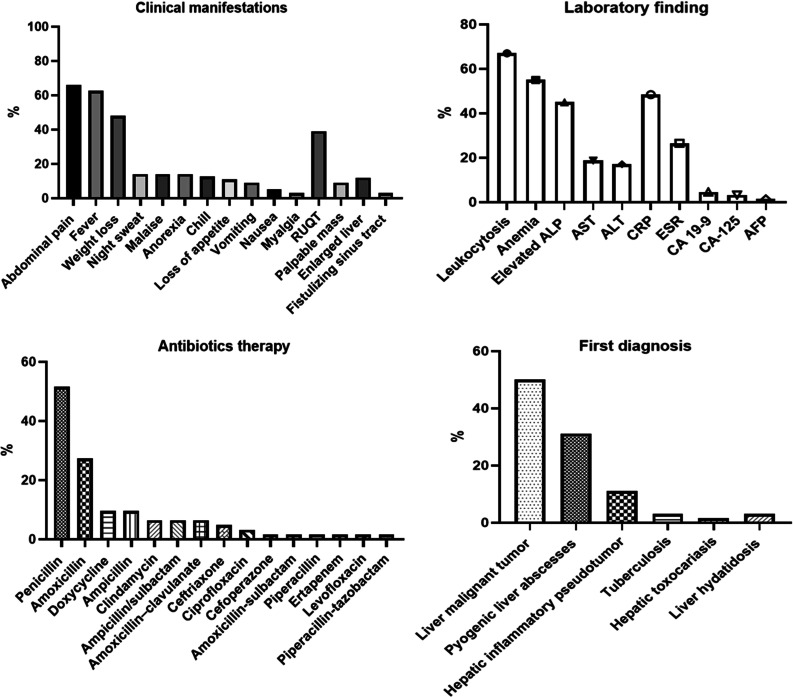
Through a survey of the Medline database, 130 studies were identified and then, 64 cases with HA were included in the final analysis. Asia had the largest share of cases with 37.5% (24 reports), followed by Europe and the Americas. Affected patients were predominantly males (64%) and the overall mortality rate was 1% with only one male patient in his 50 s dying. Nearly all patients (92%) were immunocompetent. However, in four patients, the use of immunosuppressive medication led to depression of the immune system. Most of the patients (80%) experienced complications. In terms of the complications, the most frequent ones were previous history of abdominal surgery (32%) and foreign bodies in the abdominopelvic region (20%). Actinomyces israelii was the most common pathogen isolated from patients. Abdominal pain (66%), fever (62%), weight loss (48%), night sweat, malaise, and anorexia (14%) over about 3.1 months were the most frequently reported clinical symptoms. Extension to one or more surrounding organs was evident in 18 patients (28%). Histopathologic examination confirmed infection in 67% of the patients and samples obtained from liver puncture biopsy (32%) were most frequently used in diagnosis. Surgery or puncture drainage + anti-infection was the most common method to treat patients and penicillin, Amoxicillin, Doxycycline, and ampicillin were the most frequently used drugs to control infection.
HA should be considered in patients with a subacute or chronic inflammatory process of the liver. With accurate and timely diagnosis of infection, extensive surgery can be prevented.
肝放线菌病(HA)是一种在诊断不及时和不恰当的情况下会导致患者出现疾病的感染之一。
通过在 PubMed/Medline 上进行结构化搜索,收集了 2000 年至 2020 年 4 月期间发表的关于 HA 患者的病例报告。
通过对 Medline 数据库的调查,共确定了 130 项研究,然后对其中的 64 例 HA 病例进行了最终分析。亚洲的病例数最多,占 37.5%(24 份报告),其次是欧洲和美洲。受影响的患者主要为男性(64%),总死亡率为 1%,仅一名 50 多岁的男性患者死亡。几乎所有患者(92%)均具有免疫能力。然而,在 4 名患者中,使用免疫抑制药物导致免疫系统受到抑制。大多数患者(80%)发生了并发症。在这些并发症中,最常见的是既往腹部手术史(32%)和腹盆腔异物(20%)。从患者中分离出的最常见病原体是衣氏放线菌。腹痛(66%)、发热(62%)、体重减轻(48%)、夜间出汗、不适和厌食(14%),这些症状持续约 3.1 个月,是最常报告的临床症状。18 名患者(28%)的病情向一个或多个周围器官扩展。组织病理学检查证实 67%的患者感染,最常使用肝穿刺活检获得的样本进行诊断(32%)。手术或穿刺引流+抗感染是治疗患者最常用的方法,青霉素、阿莫西林、强力霉素和氨苄西林是控制感染最常用的药物。
对于具有亚急性或慢性肝脏炎症过程的患者,应考虑 HA。通过准确和及时的感染诊断,可以预防广泛的手术。