Institute for Regenerative Medicine, Department of Molecular and Cellular Medicine, Texas A&M University College of Medicine, College Station, TX, USA.
Institute for Regenerative Medicine, Department of Molecular and Cellular Medicine, Texas A&M University College of Medicine, College Station, TX, USA.
Redox Biol. 2021 Jul;43:101973. doi: 10.1016/j.redox.2021.101973. Epub 2021 Apr 22.
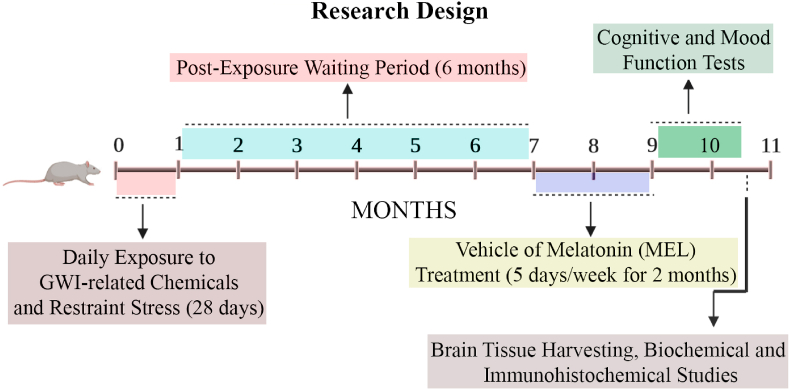
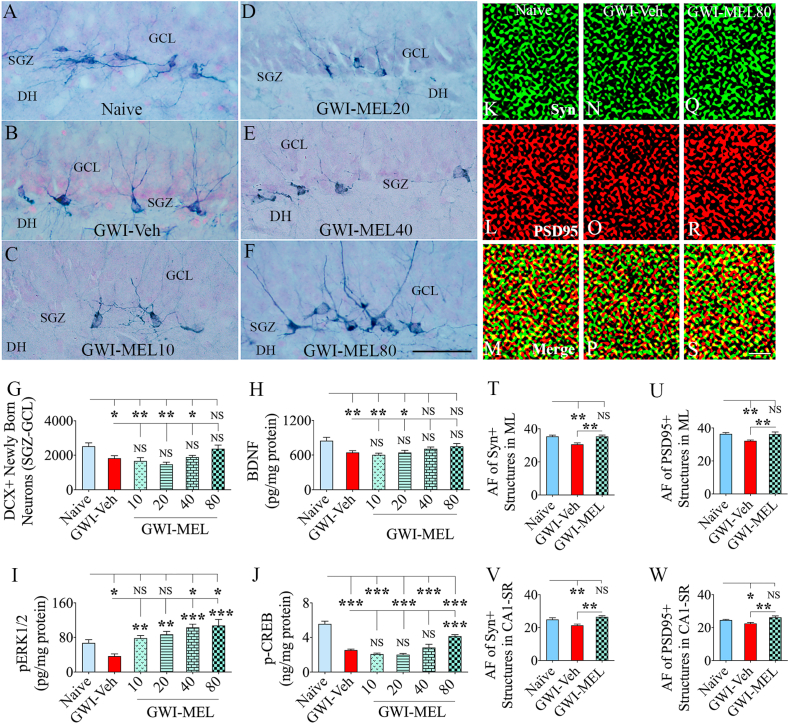
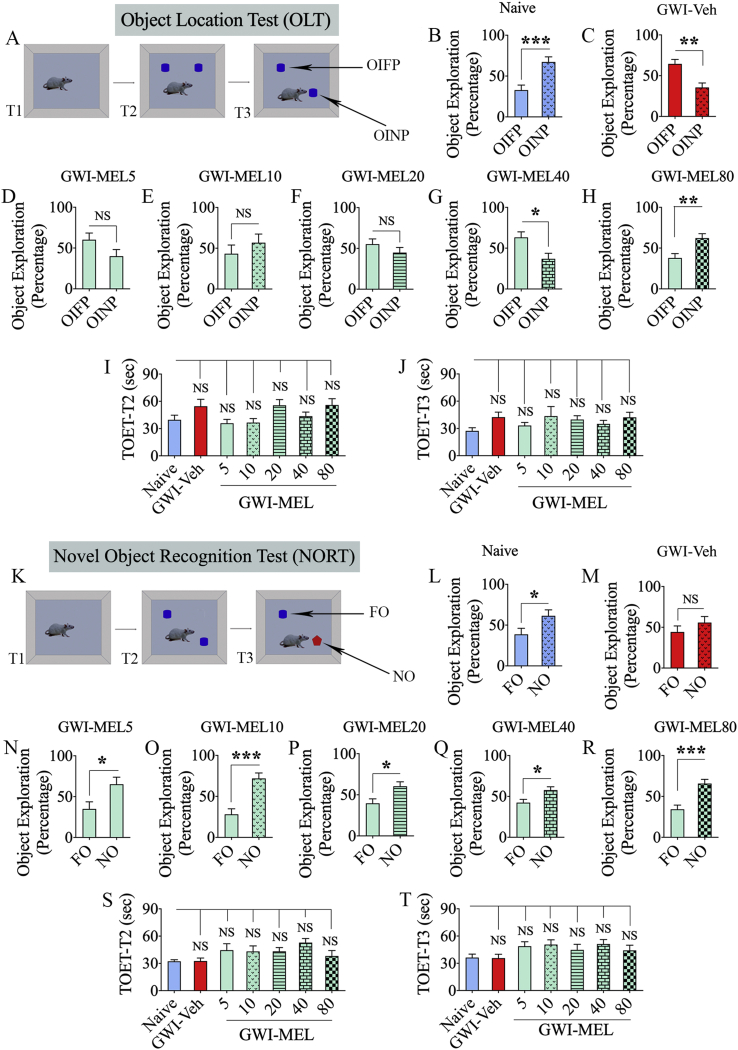
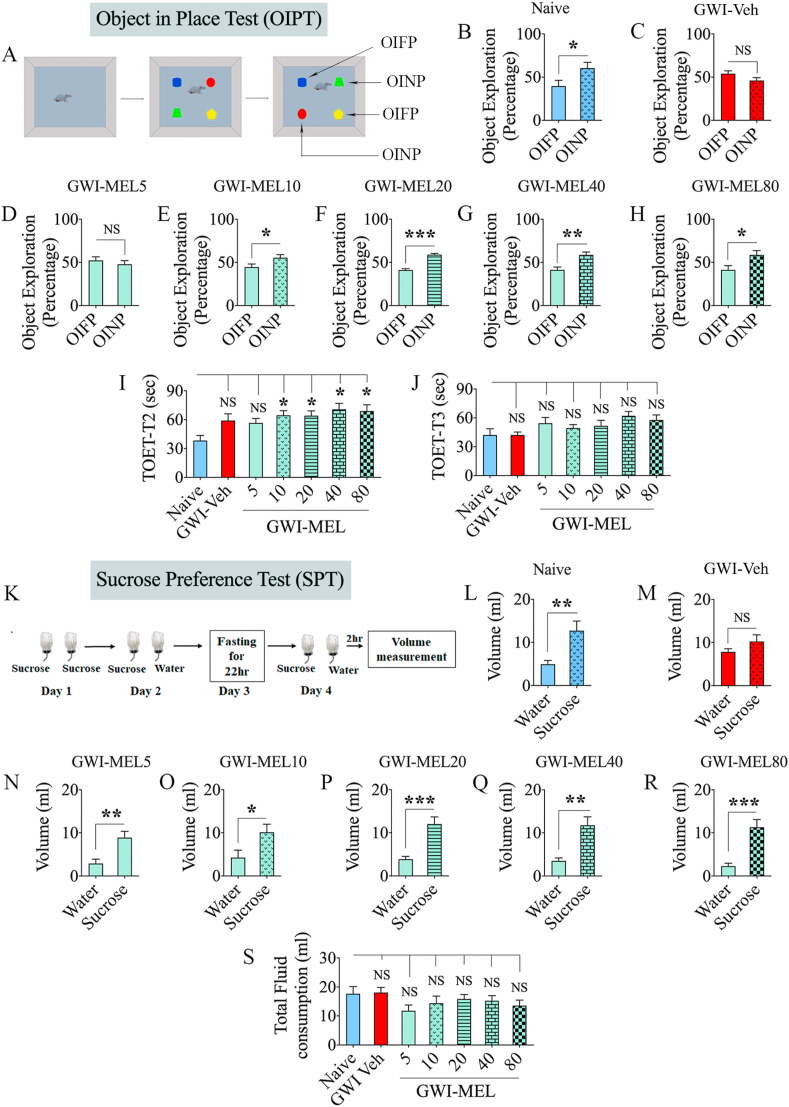
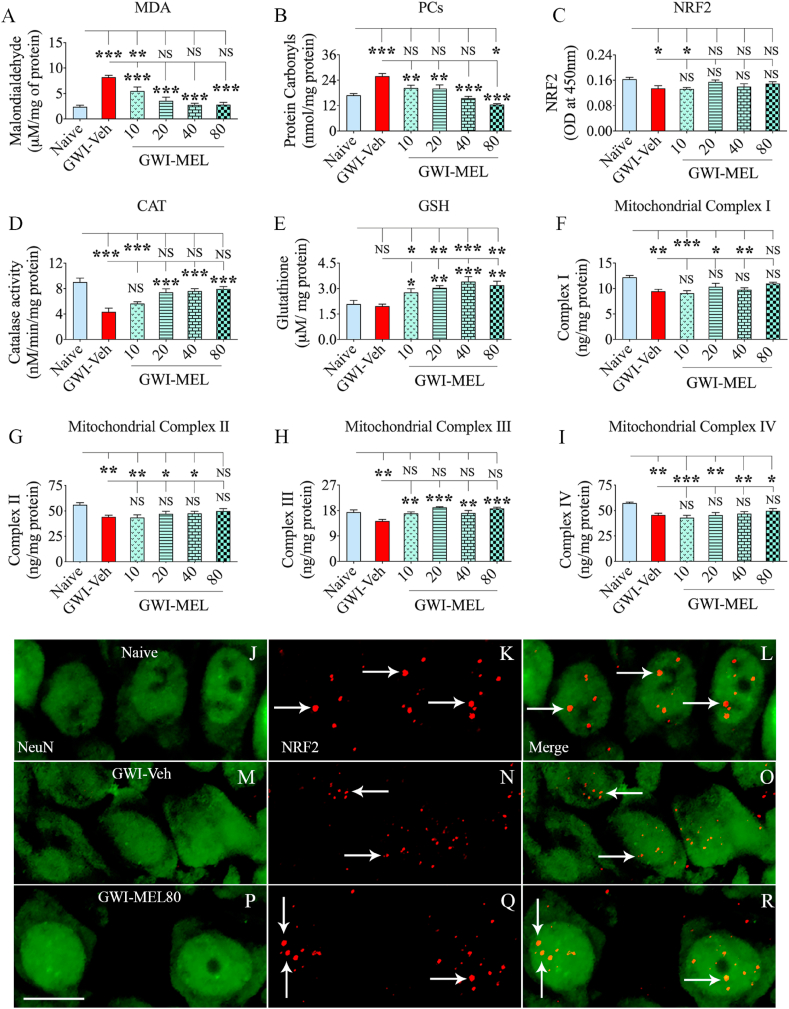
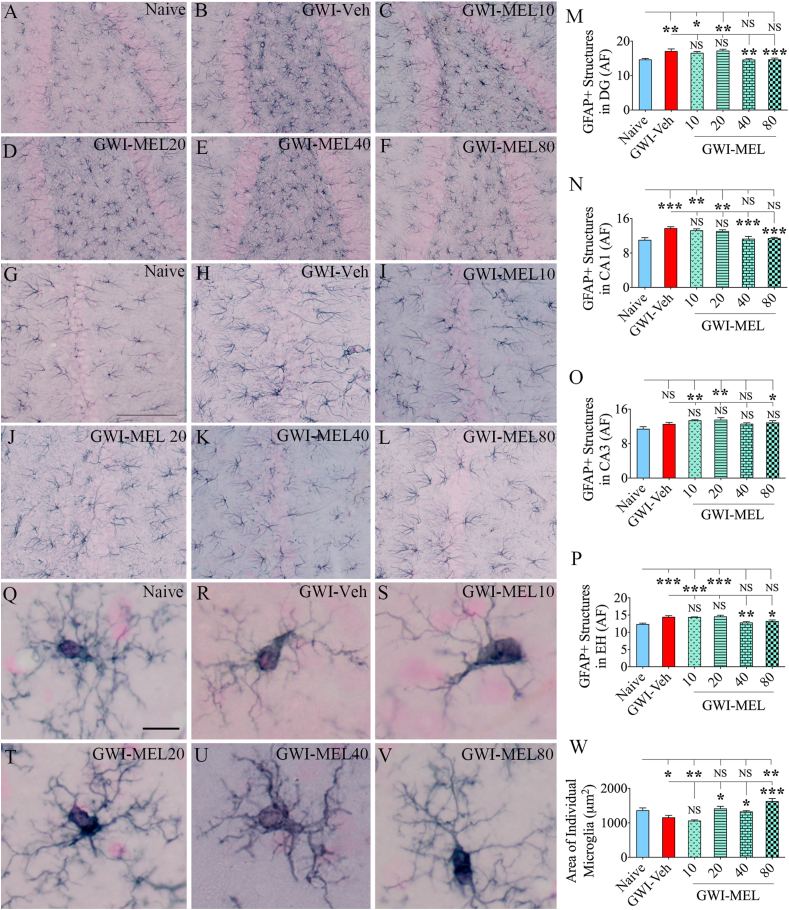
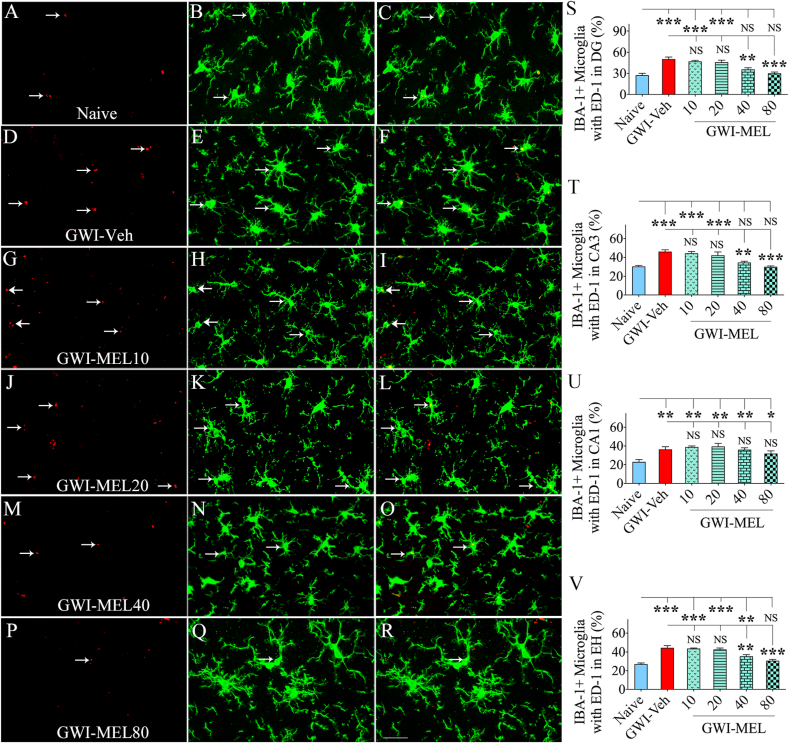
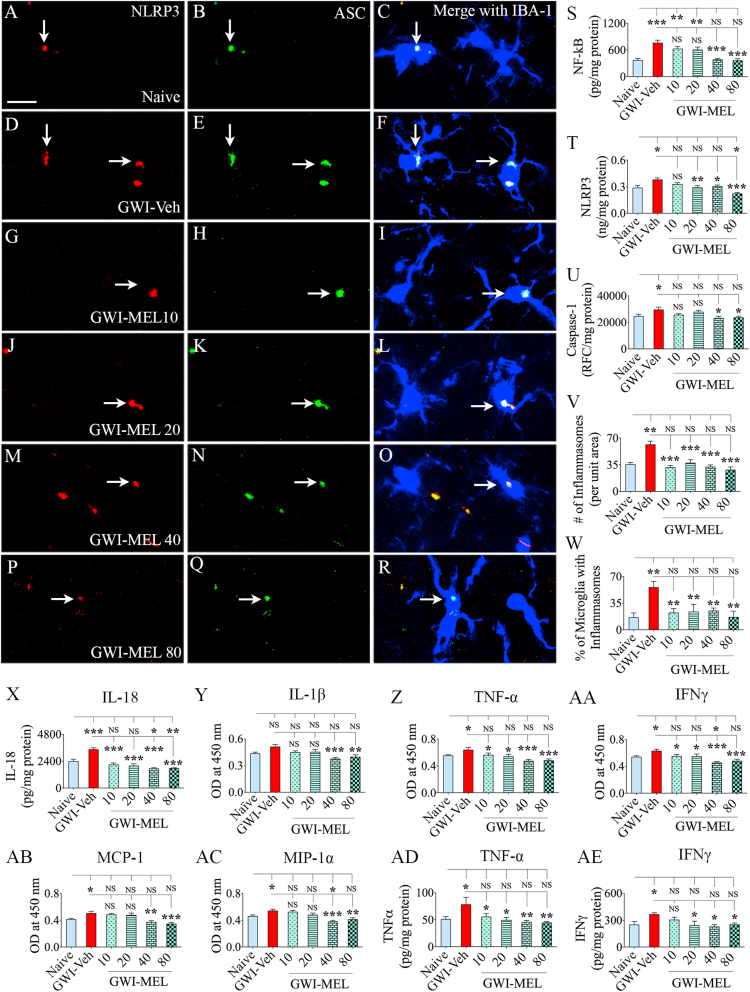
Persistent cognitive and mood dysfunction is the primary CNS symptom in veterans afflicted with Gulf War Illness (GWI). This study investigated the efficacy of melatonin (MEL) for improving cognitive and mood function with antioxidant, antiinflammatory, and pro-cognitive effects in a rat model of chronic GWI. Six months after exposure to GWI-related chemicals and stress, rats were treated with vehicle or MEL (5, 10, 20, 40, and 80 mg/kg) for eight weeks. Behavioral tests revealed cognitive and mood dysfunction in GWI rats receiving vehicle, which were associated with elevated oxidative stress, reduced NRF2, catalase and mitochondrial complex proteins, astrocyte hypertrophy, activated microglia with NLRP3 inflammasomes, elevated proinflammatory cytokines, waned neurogenesis, and synapse loss in the hippocampus. MEL at 10 mg/kg alleviated simple and associative recognition memory dysfunction and anhedonia, along with reduced oxidative stress, enhanced glutathione and complex III, and reduced NLRP3 inflammasomes, IL-18, TNF-α, and IFN-γ. MEL at 20 mg/kg also normalized NRF2 and catalase and increased microglial ramification. MEL at 40 mg/kg, in addition, reduced astrocyte hypertrophy, activated microglia, NF-kB-NLRP3-caspase-1 signaling, IL-1β, MCP-1, and MIP-1α. Moreover, MEL at 80 mg/kg activated the BDNF-ERK-CREB signaling pathway, enhanced neurogenesis and diminished synapse loss in the hippocampus, and improved a more complex hippocampus-dependent cognitive function. Thus, MEL therapy is efficacious for improving cognitive and mood function in a rat model of chronic GWI, and MEL's effect was dose-dependent. The study provides the first evidence of MEL's promise for alleviating neuroinflammation and cognitive and mood impairments in veterans with chronic GWI.
持续性认知和情绪功能障碍是患有海湾战争病(GWI)的退伍军人的主要中枢神经系统症状。本研究旨在探讨褪黑素(MEL)对慢性 GWI 大鼠模型的认知和情绪功能的影响,该模型具有抗氧化、抗炎和促进认知的作用。暴露于 GWI 相关化学物质和应激后 6 个月,大鼠接受 vehicle 或 MEL(5、10、20、40 和 80mg/kg)治疗 8 周。行为测试显示,接受 vehicle 治疗的 GWI 大鼠表现出认知和情绪功能障碍,这与氧化应激升高、NRF2、过氧化氢酶和线粒体复合物蛋白减少、星形胶质细胞肥大、小胶质细胞激活并伴有 NLRP3 炎性小体、促炎细胞因子升高、神经发生减少以及海马突触丢失有关。MEL(10mg/kg)可缓解简单和联想性识别记忆功能障碍和快感缺失,并降低氧化应激、增强谷胱甘肽和复合物 III,同时减少 NLRP3 炎性小体、IL-18、TNF-α 和 IFN-γ。MEL(20mg/kg)还可使 NRF2 和过氧化氢酶正常化,并增加小胶质细胞分支。MEL(40mg/kg)还可减少星形胶质细胞肥大、激活小胶质细胞、NF-κB-NLRP3-半胱天冬酶-1 信号、IL-1β、MCP-1 和 MIP-1α。此外,MEL(80mg/kg)可激活 BDNF-ERK-CREB 信号通路,增强海马体中的神经发生并减少突触丢失,并改善更复杂的海马体依赖性认知功能。综上所述,MEL 治疗对慢性 GWI 大鼠模型的认知和情绪功能有效,且 MEL 的疗效呈剂量依赖性。该研究首次证明 MEL 有希望缓解慢性 GWI 退伍军人的神经炎症以及认知和情绪障碍。