Pomacu Mihnea Marian, Trașcă Maria Diana, Pădureanu Vlad, Bugă Ana Maria, Andrei Ana Marina, Stănciulescu Elena Camelia, Baniță Ileana Monica, Rădulescu Dumitru, Pisoschi Cătălina Gabriela
Department of Biochemistry, University of Medicine and Pharmacy of Craiova, 200349 Craiova, Romania.
4th Department-Medical Specialties, First Clinic of Internal Medicine, Clinical City Hospital 'Filantropia', University of Medicine and Pharmacy of Craiova, 200349 Craiova, Romania.
Exp Ther Med. 2021 Jun;21(6):602. doi: 10.3892/etm.2021.10034. Epub 2021 Apr 14.
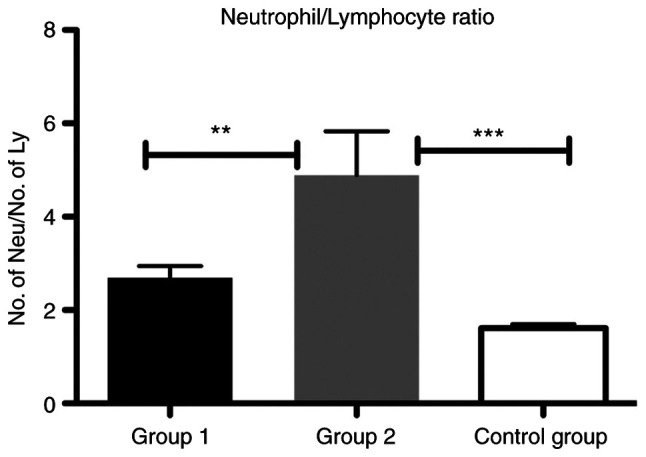
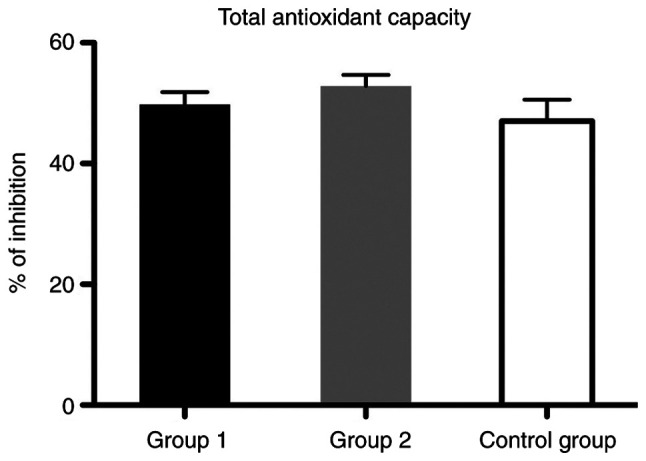
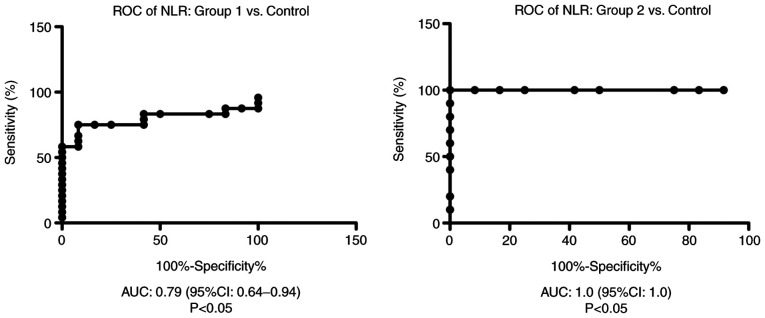
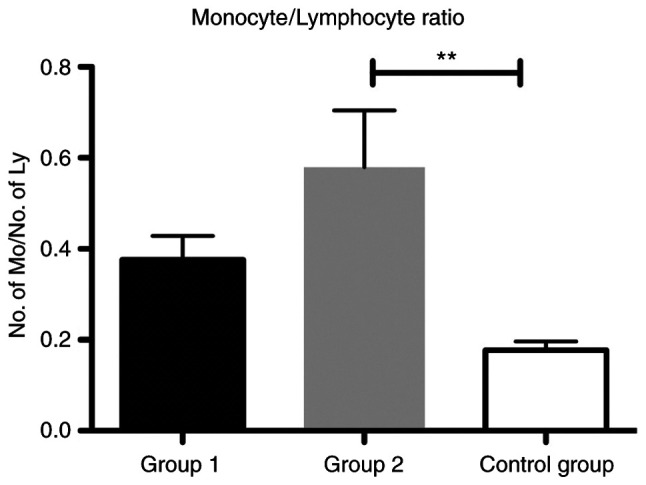
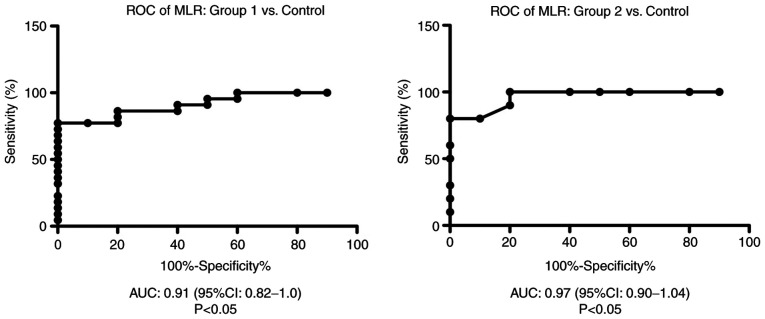
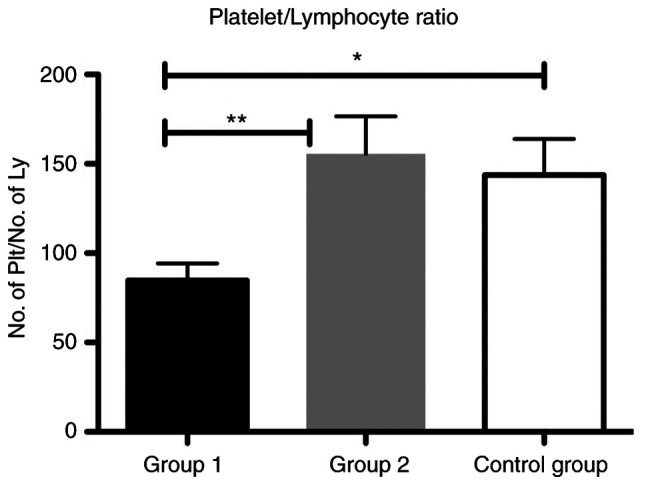
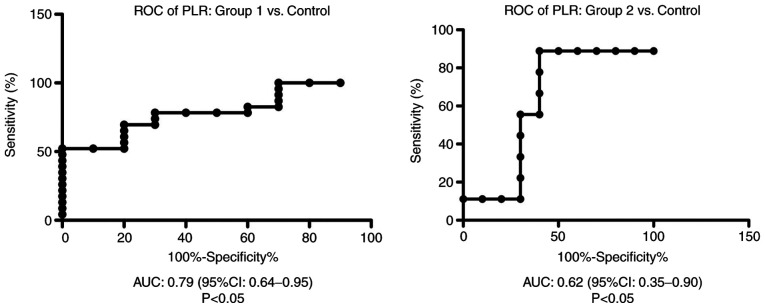
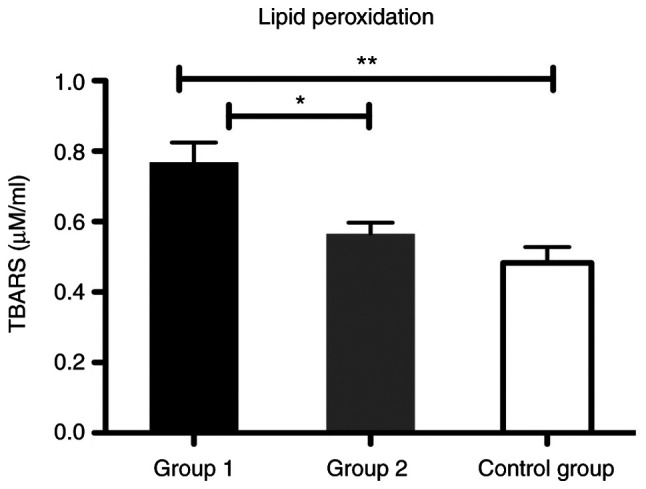
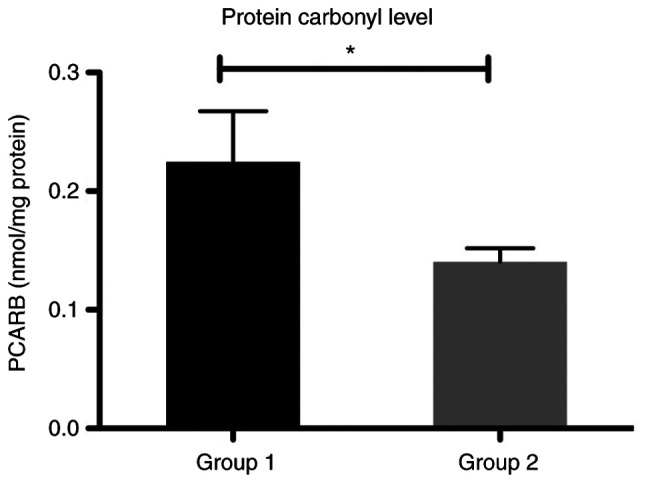
Recently, the trend of research has been focused on the role of hematological indicators in assessing the activities of various diseases. The aim of the present study was to determine the usefulness of such hematological indicators for assessment of the relationship between inflammation and oxidative stress in order to provide new predictive tools for a non-invasive investigation of disease outcome for liver cirrhosis patients. A total of 35 subjects with compensated or decompensated liver cirrhosis and 10 age-matched healthy volunteers were included in this study. The patients were divided into two groups: Group 1, patients with toxic metabolic cirrhosis due to ethanol consumption; group 2, patients with liver cirrhosis following hepatitis B virus (HBV) and hepatitis C virus (HCV) infection. Using hematological data obtained after the complete counting of peripheral blood cells, the monocyte/lymphocyte (MLR), neutrophil/lymphocyte (NLR) and platelet/lymphocyte (PLR) ratios as well as systemic immune inflammation biomarkers were determined. The erythrocyte sedimentation ratio (ESR), C-reactive protein (CRP), fibrinogen and biochemical parameters related to liver function were also registered. Thiobarbituric acid reactive substances (TBARS), protein carbonyl content (PCARB), and total antioxidant capacity (TAC) were also investigated in the peripheral blood samples of healthy subjects and liver cirrhosis patients. The results revealed that NLR, MLR and PLR were significantly increased in group 2. PLR was significantly increased in group 1 compared with that noted in the control group. TBARS and PCARB were increased in patients from group 1 compared to patients from group 2 and the control group. However, no difference in TAC was found between the liver cirrhosis groups and the control. We showed that the pro-inflammatory status of liver cirrhosis patients can be easily appreciated by NLR, MLR but not PLR. However, the increase in these ratios was not significantly associated with a decrease in the antioxidant capacity and an augmentation of oxidative stress markers for the patients diagnosed with cirrhosis included in the two groups of study.
最近,研究趋势一直聚焦于血液学指标在评估各种疾病活动中的作用。本研究的目的是确定此类血液学指标在评估炎症与氧化应激关系方面的有用性,以便为肝硬化患者疾病结局的非侵入性调查提供新的预测工具。本研究共纳入35例代偿期或失代偿期肝硬化患者以及10名年龄匹配的健康志愿者。患者分为两组:第1组,因饮酒导致的中毒代谢性肝硬化患者;第2组,乙型肝炎病毒(HBV)和丙型肝炎病毒(HCV)感染后肝硬化患者。利用外周血细胞全计数后获得的血液学数据,确定单核细胞/淋巴细胞(MLR)、中性粒细胞/淋巴细胞(NLR)和血小板/淋巴细胞(PLR)比值以及全身炎症生物标志物。还记录了红细胞沉降率(ESR)、C反应蛋白(CRP)、纤维蛋白原以及与肝功能相关的生化参数。在健康受试者和肝硬化患者的外周血样本中还检测了硫代巴比妥酸反应性物质(TBARS)、蛋白质羰基含量(PCARB)和总抗氧化能力(TAC)。结果显示,第2组的NLR、MLR和PLR显著升高。与对照组相比,第1组的PLR显著升高。与第2组患者和对照组相比,第1组患者的TBARS和PCARB升高。然而,肝硬化组与对照组之间未发现TAC存在差异。我们发现,肝硬化患者的促炎状态可通过NLR、MLR而非PLR轻易判断。然而,对于纳入两组研究的肝硬化患者,这些比值的升高与抗氧化能力降低以及氧化应激标志物增加无显著相关性。