Dollery Stephen J, Maldonado Tania D, Brenner Eric A, Berger Edward A
Laboratory of Viral Diseases, National Institute of Allergy and Infectious Diseases, National Institutes of Health, Bethesda, MD, United States.
Front Cell Infect Microbiol. 2021 Apr 14;11:654396. doi: 10.3389/fcimb.2021.654396. eCollection 2021.
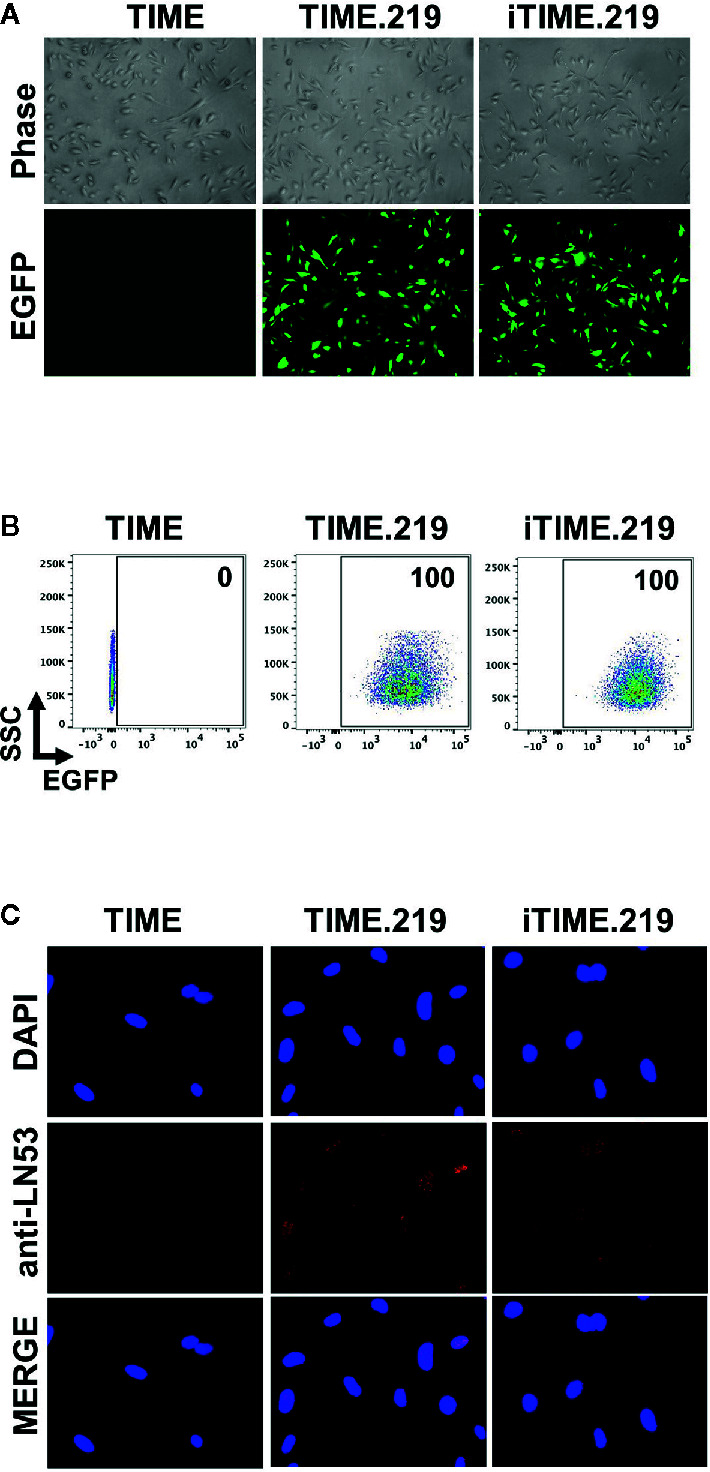
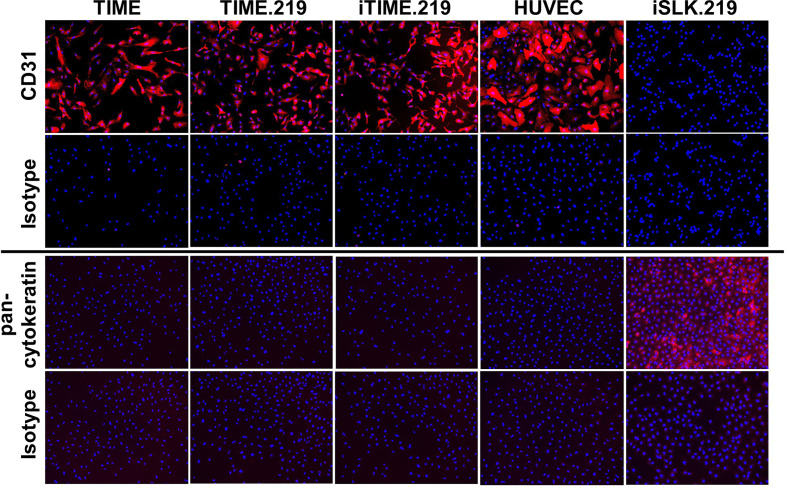
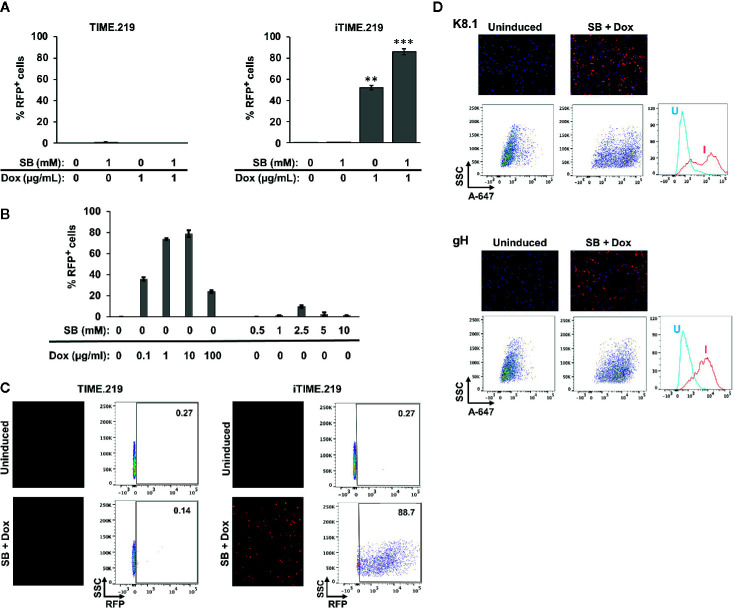
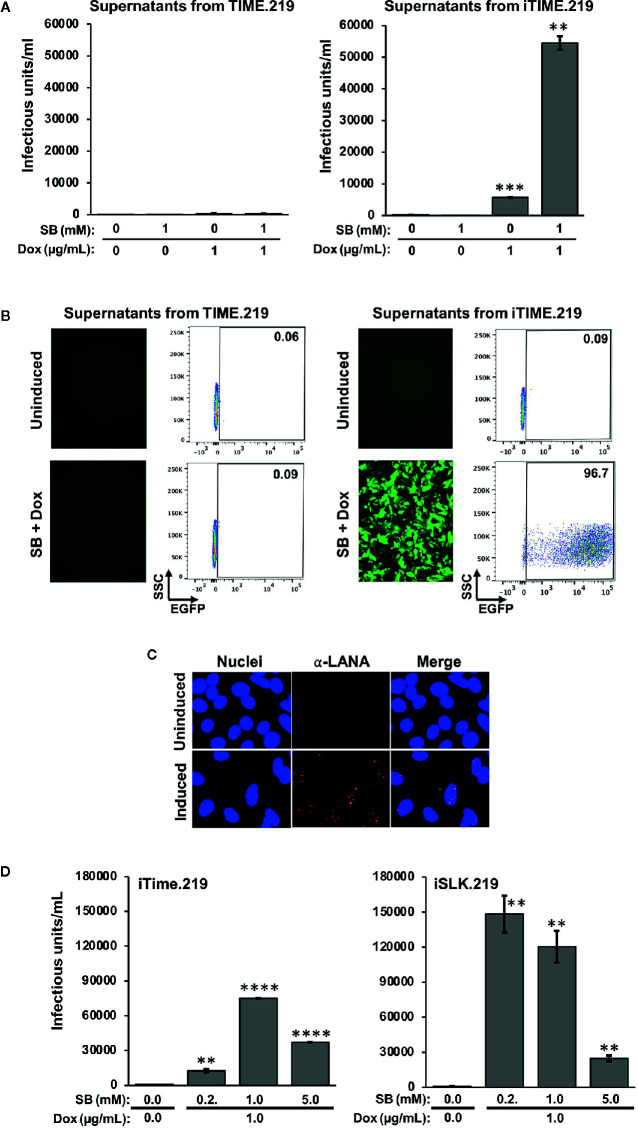
Kaposi's sarcoma-associated herpesvirus (KSHV/HHV-8) is the causative agent of Kaposi's sarcoma and two B cell lymphoproliferative disorders: primary effusion lymphoma and KSHV-associated multicentric Castleman's disease. These distinct pathologies involve different infected cell types. In Kaposi's sarcoma, the virus is harbored in spindle-like tumor cells of endothelial origin, in contrast with the two pathologies of B cells. These distinctions highlight the importance of elucidating potential differences in the mechanisms of infection for these alternate target cell types and in the properties of virus generated from each. To date there is no available chronically KSHV-infected cell line of endothelial phenotype that can be activated by the viral lytic switch protein to transition from latency to lytic replication and production of infectious virus. To advance these efforts, we engineered a novel KSHV chronically infected derivative of TIME (telomerase immortalized endothelial) cells harboring a previously reported recombinant virus (rKSHV.219) and the viral replication and transcription activator (RTA) gene under the control of a doxycycline-inducible system. The resulting cells (designated iTIME.219) maintained latent virus as indicated by expression of constitutively expressed (eGFP) but not a lytic phase (RFP) reporter gene and can be sustained under long term selection. When exposed to either sodium butyrate or doxycycline, the cells were activated to lytic replication as evidenced by the expression of RFP and KSHV lytic genes and release of large quantities of infectious virus. The identity of the iTIME.219 cells was confirmed both phenotypically (specific antigen expression) and genetically (short tandem repeat analysis), and cell stability was maintained following repeated serial passage. These results suggest the potential utility of the iTime.219 cells in future studies of the KSHV replication in endothelial cells, properties of virus generated from this biologically relevant cell type and mechanisms underlying KSHV tropism and pathogenesis.
卡波西肉瘤相关疱疹病毒(KSHV/HHV-8)是卡波西肉瘤以及两种B细胞淋巴增殖性疾病的病原体:原发性渗出性淋巴瘤和KSHV相关多中心Castleman病。这些不同的病理情况涉及不同的感染细胞类型。在卡波西肉瘤中,病毒存在于内皮来源的梭形肿瘤细胞中,这与两种B细胞相关病理情况不同。这些差异凸显了阐明这些替代靶细胞类型感染机制以及每种细胞产生的病毒特性潜在差异的重要性。迄今为止,尚无可用的具有内皮表型的慢性KSHV感染细胞系,该细胞系可被病毒裂解开关蛋白激活,从潜伏状态转变为裂解复制并产生感染性病毒。为推动这些研究工作,我们构建了一种新型的KSHV慢性感染的TIME(端粒酶永生化内皮细胞)细胞衍生物,其携带先前报道的重组病毒(rKSHV.219)以及在强力霉素诱导系统控制下的病毒复制和转录激活因子(RTA)基因。所得到的细胞(命名为iTIME.219)如组成性表达的(eGFP)而非裂解期(RFP)报告基因的表达所示,维持潜伏病毒状态,并且可以在长期选择下维持。当暴露于丁酸钠或强力霉素时,细胞被激活进行裂解复制,RFP和KSHV裂解基因的表达以及大量感染性病毒的释放证明了这一点。iTIME.219细胞的身份通过表型(特异性抗原表达)和基因(短串联重复分析)得到确认,并且在重复传代后细胞稳定性得以维持。这些结果表明iTime.219细胞在未来研究KSHV在内皮细胞中的复制、这种生物学相关细胞类型产生的病毒特性以及KSHV嗜性和发病机制的潜在用途。