Qian Hu, Lei Ting, Hu Yihe, Lei Pengfei
Department of Orthopeadic Surgery, Xiangya Hospital Central South University, Changsha, China.
Hunan Engineering Research Center of Biomedical Metal and Ceramic Implants, Changsha, China.
Front Cell Dev Biol. 2021 Apr 16;9:673827. doi: 10.3389/fcell.2021.673827. eCollection 2021.
Osteosarcoma was the most popular primary malignant tumor in children and adolescent, and the 5-year survival of osteosarcoma patients gained no substantial improvement over the past 35 years. This study aims to explore the role of lipid metabolism in the development and diagnosis of osteosarcoma.
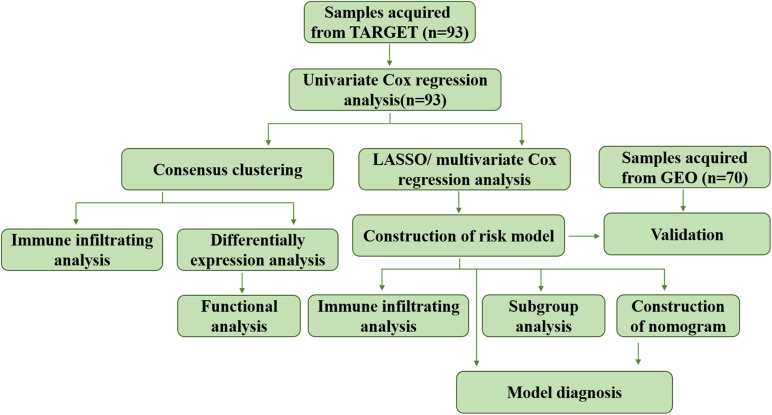
Clinical information and corresponding RNA data of osteosarcoma patients were downloaded from TRGET and GEO databases. Consensus clustering was performed to identify new molecular subgroups. ESTIMATE, TIMER and ssGSEA analyses were applied to determinate the tumor immune microenvironment (TIME) and immune status of the identified subgroups. Functional analyses including GO, KEGG, GSVA and GSEA analyses were conducted to elucidate the underlying mechanisms. Prognostic risk model was constructed using LASSO algorithm and multivariate Cox regression analysis.
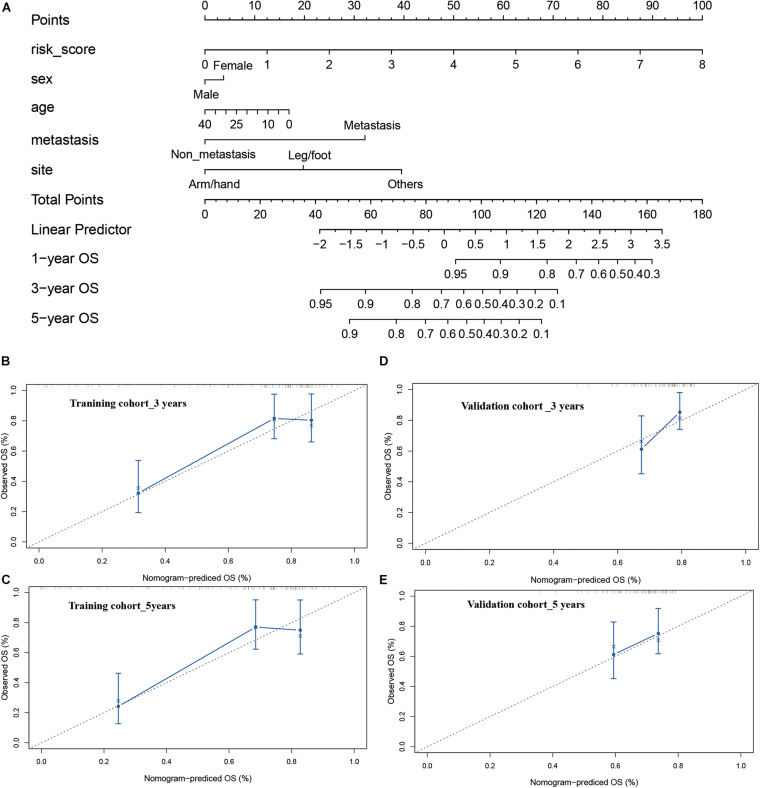
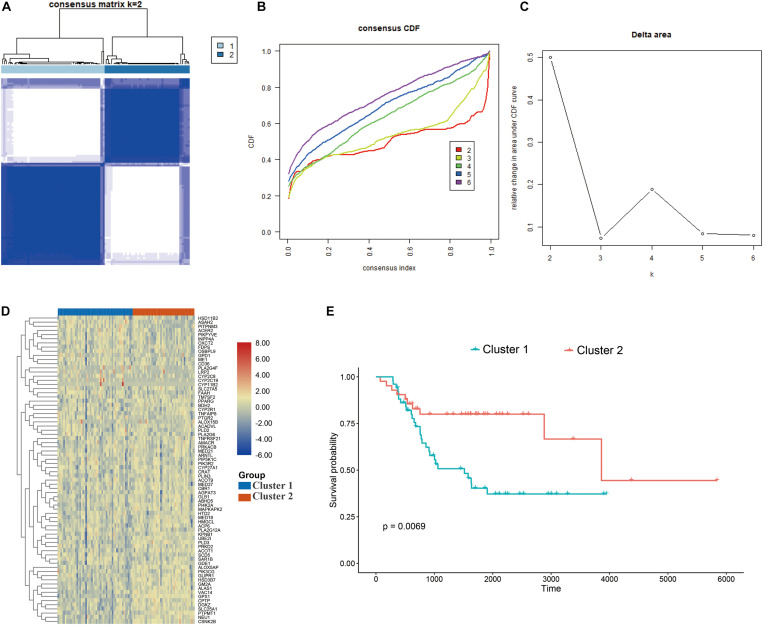
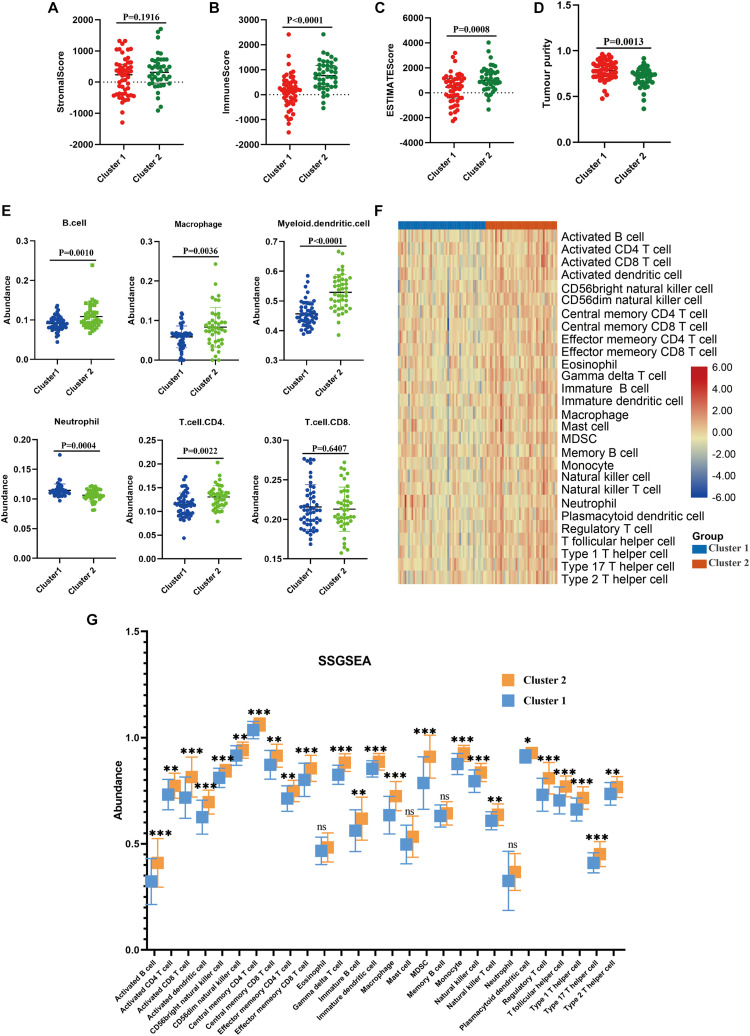
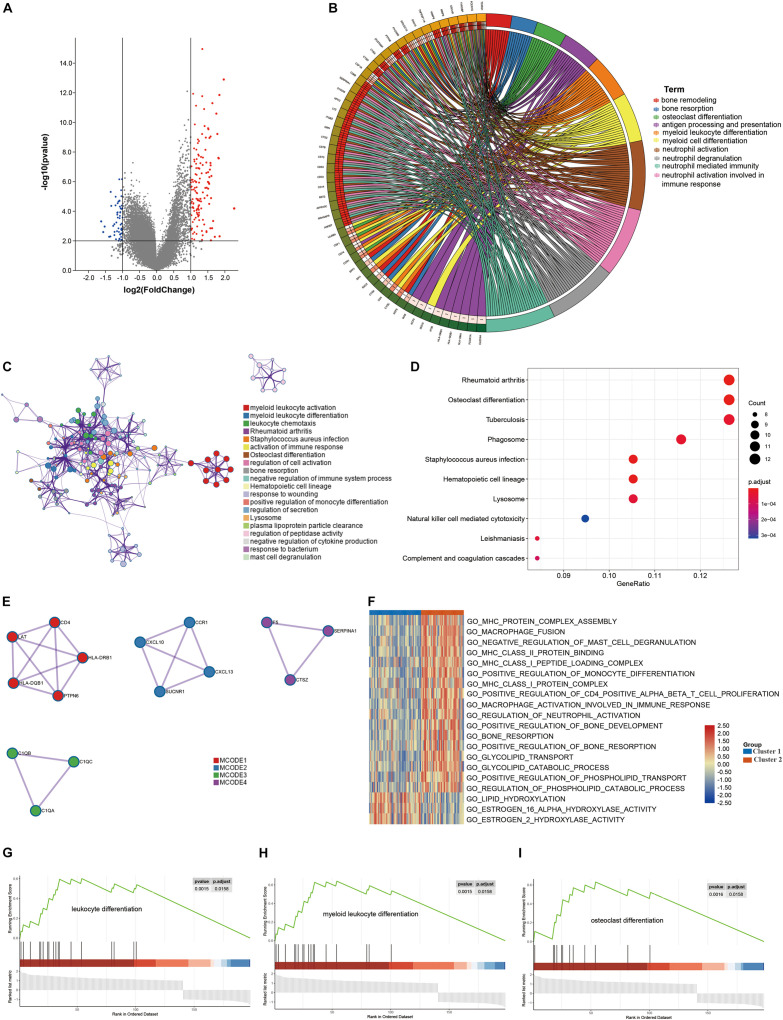
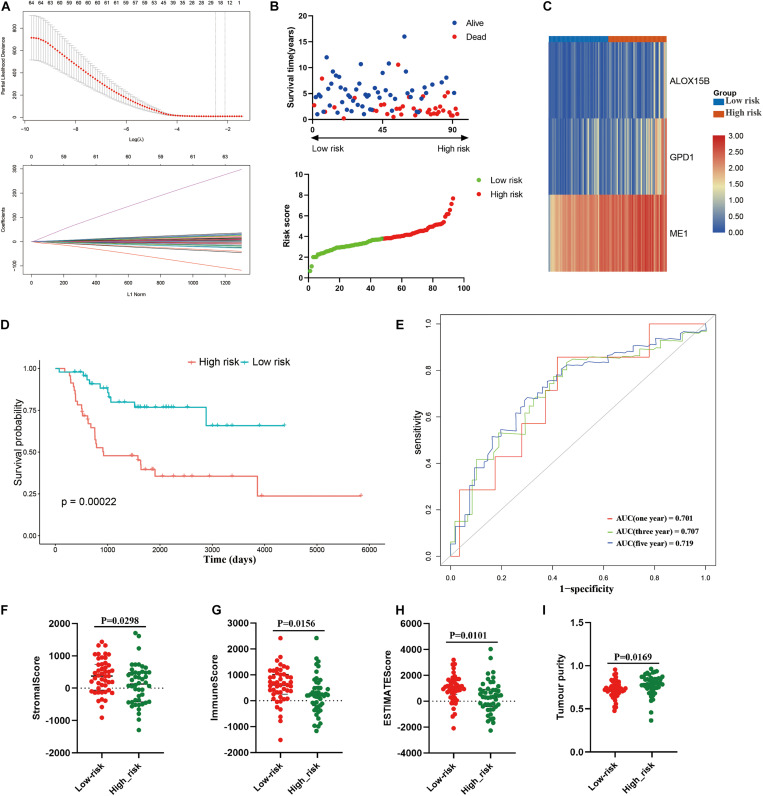
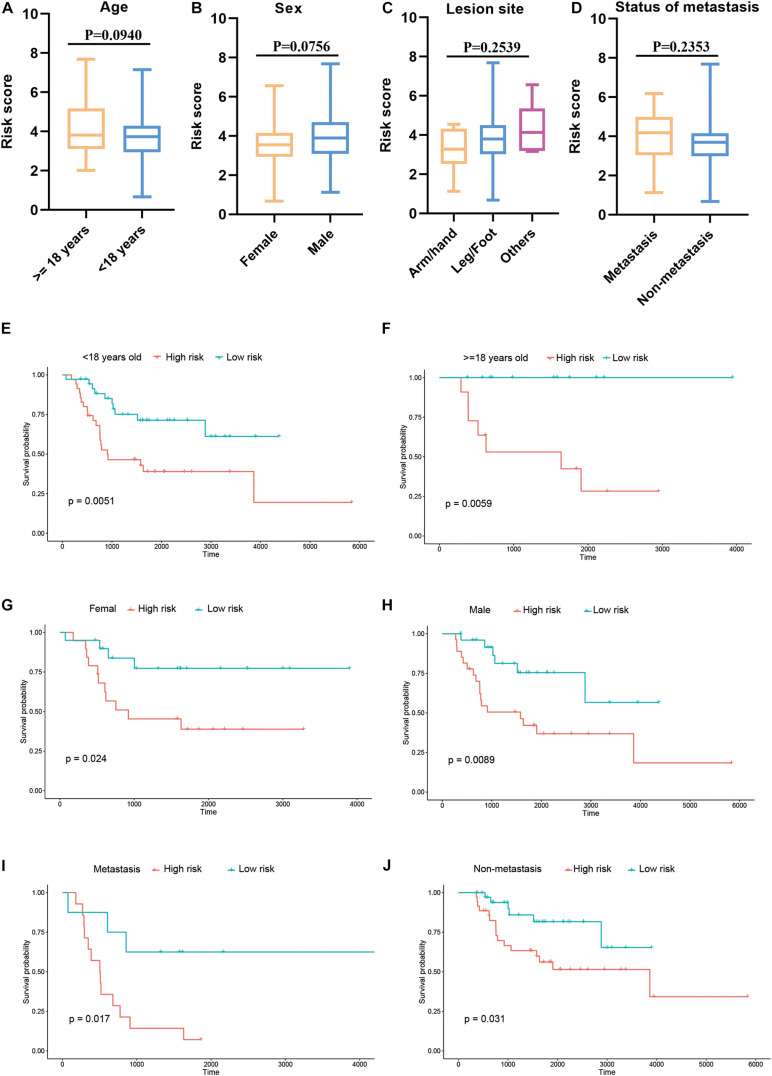
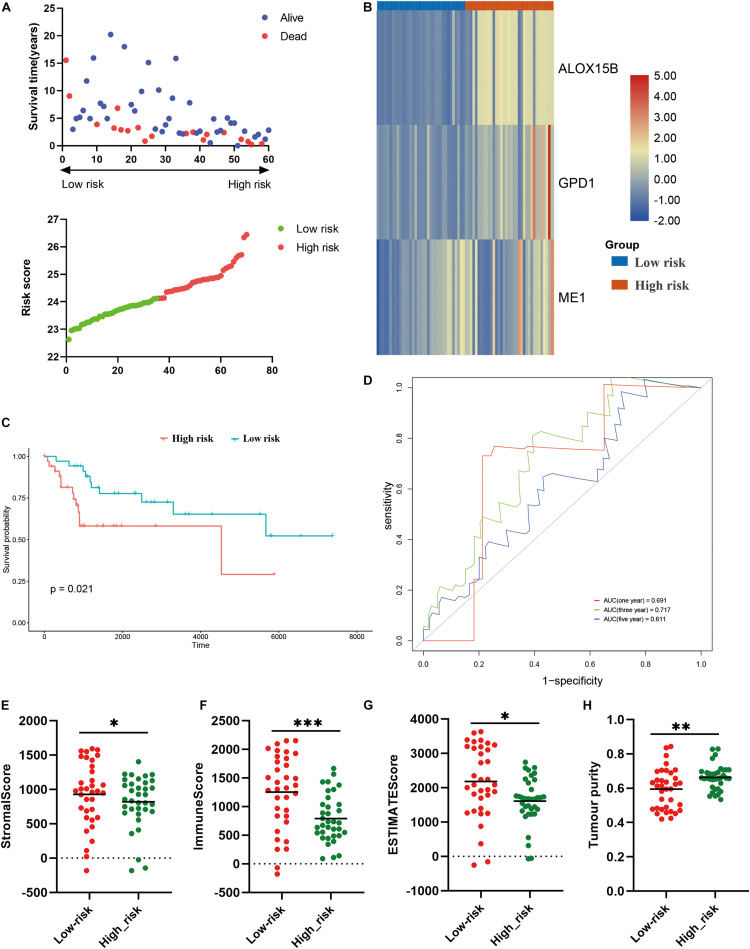
Two molecular subgroups with significantly different survival were identified. Better prognosis was associated with high immune score, low tumor purity, high abundance of immune infiltrating cells and relatively high immune status. GO and KEGG analyses revealed that the DEGs between the two subgroups were mainly enriched in immune- and bone remodeling-associated pathways. GSVA and GSEA analyses indicated that, lipid catabolism downregulation and lipid hydroxylation upregulation may impede the bone remodeling and development of immune system. Risk model based on lipid metabolism related genes (LMRGs) showed potent potential for survival prediction in osteosarcoma. Nomogram integrating risk model and clinical characteristics could predict the prognosis of osteosarcoma patients accurately.
Expression of lipid-metabolism genes is correlated with immune microenvironment of osteosarcoma patients and could be applied to predict the prognosis of in osteosarcoma accurately.
骨肉瘤是儿童和青少年中最常见的原发性恶性肿瘤,在过去35年中骨肉瘤患者的5年生存率没有实质性提高。本研究旨在探讨脂质代谢在骨肉瘤发生发展及诊断中的作用。
从TRGET和GEO数据库下载骨肉瘤患者的临床信息及相应的RNA数据。进行一致性聚类以识别新的分子亚组。应用ESTIMATE、TIMER和ssGSEA分析来确定所识别亚组的肿瘤免疫微环境(TIME)和免疫状态。进行包括GO、KEGG、GSVA和GSEA分析在内的功能分析以阐明潜在机制。使用LASSO算法和多变量Cox回归分析构建预后风险模型。
识别出两个生存情况有显著差异的分子亚组。较好的预后与高免疫评分、低肿瘤纯度、高免疫浸润细胞丰度和相对较高的免疫状态相关。GO和KEGG分析显示,两个亚组之间的差异表达基因主要富集在免疫和骨重塑相关途径。GSVA和GSEA分析表明,脂质分解代谢下调和脂质羟基化上调可能会阻碍骨重塑和免疫系统的发育。基于脂质代谢相关基因(LMRGs)的风险模型在骨肉瘤生存预测方面显示出强大潜力。整合风险模型和临床特征的列线图可以准确预测骨肉瘤患者的预后。
脂质代谢基因的表达与骨肉瘤患者的免疫微环境相关,可用于准确预测骨肉瘤的预后。