de Munter Johannes, Pavlov Dmitrii, Gorlova Anna, Sicker Michael, Proshin Andrey, Kalueff Allan V, Svistunov Andrey, Kiselev Daniel, Nedorubov Andrey, Morozov Sergey, Umriukhin Aleksei, Lesch Klaus-Peter, Strekalova Tatyana, Schroeter Careen A
Department of Psychiatry and Neuropsychology, School for Mental Health and Neuroscience, Maastricht University, Maastricht, Netherlands.
Laboratory of Psychiatric Neurobiology, Institute of Molecular Medicine and Department of Normal Physiology, Sechenov First Moscow State Medical University, Moscow, Russia.
Front Nutr. 2021 Apr 15;8:661455. doi: 10.3389/fnut.2021.661455. eCollection 2021.
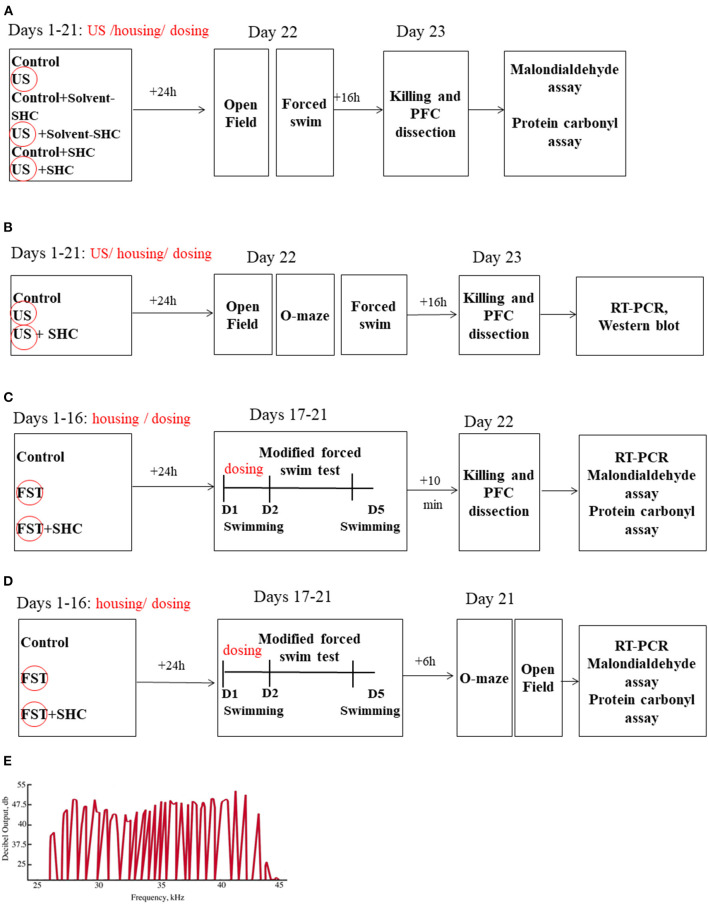
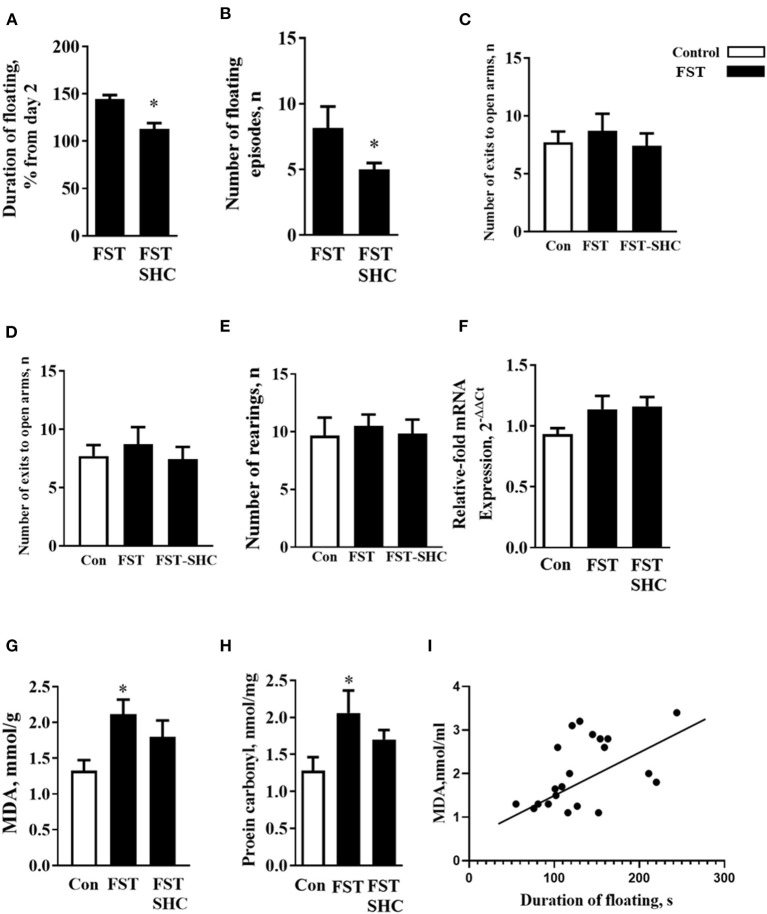
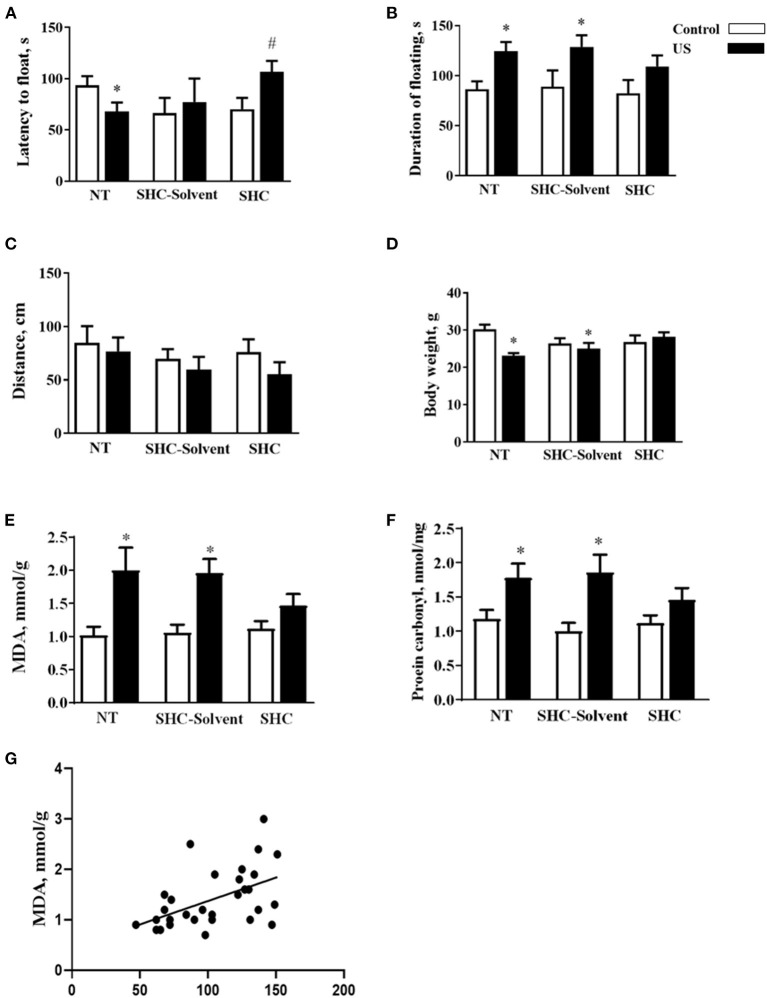
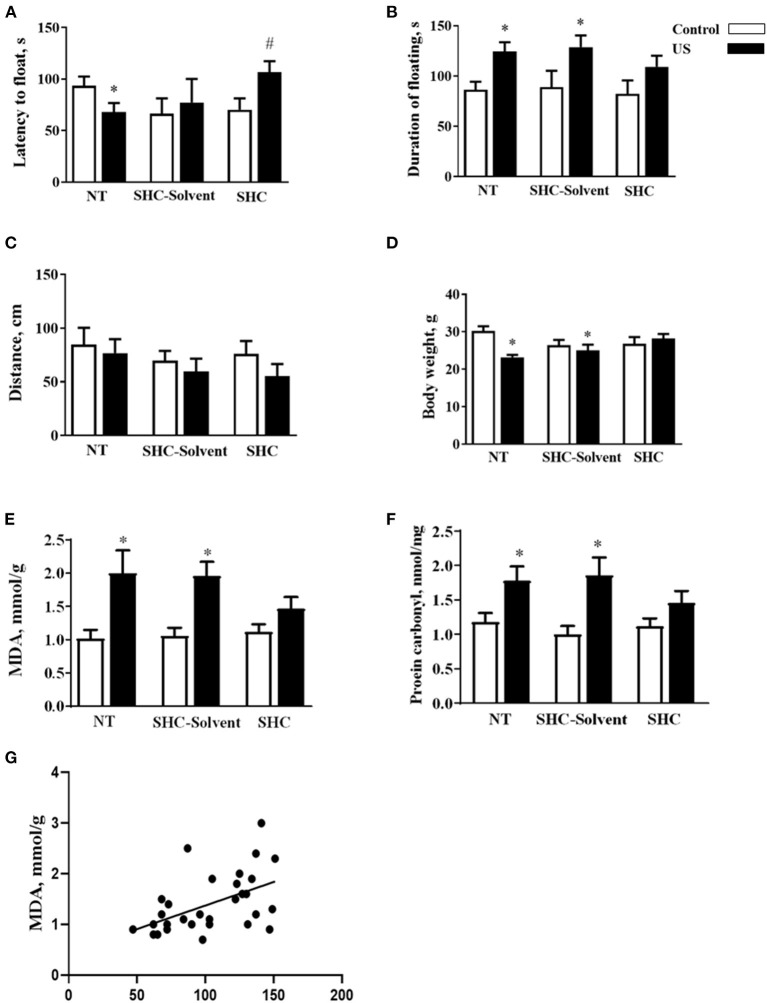
Major depression (MD) and posttraumatic stress disorder (PTSD) share common brain mechanisms and treatment strategies. Nowadays, the dramatically developing COVID-19 situation unavoidably results in stress, psychological trauma, and high incidence of MD and PTSD. Hence, the importance of the development of new treatments for these disorders cannot be overstated. Herbal medicine appears to be an effective and safe treatment with fewer side effects than classic pharmaca and that is affordable in low-income countries. Currently, oxidative stress and neuroinflammation attract increasing attention as important mechanisms of MD and PTSD. We investigated the effects of a standardized herbal cocktail (SHC), an extract of clove, bell pepper, basil, pomegranate, nettle, and other plants, that was designed as an antioxidant treatment in mouse models of MD and PTSD. In the MD model of "emotional" ultrasound stress (US), mice were subjected to ultrasound frequencies of 16-20 kHz, mimicking rodent sounds of anxiety/despair and "neutral" frequencies of 25-45 kHz, for three weeks and concomitantly treated with SHC. US-exposed mice showed elevated concentrations of oxidative stress markers malondialdehyde and protein carbonyl, increased gene and protein expression of pro-inflammatory cytokines interleukin (IL)-1β and IL-6 and other molecular changes in the prefrontal cortex as well as weight loss, helplessness, anxiety-like behavior, and neophobia that were ameliorated by the SHC treatment. In the PTSD model of the modified forced swim test (modFST), in which a 2-day swim is followed by an additional swim on day 5, mice were pretreated with SHC for 16 days. Increases in the floating behavior and oxidative stress markers malondialdehyde and protein carbonyl in the prefrontal cortex of modFST-mice were prevented by the administration of SHC. Chromatography mass spectrometry revealed bioactive constituents of SHC, including D-ribofuranose, beta-D-lactose, malic, glyceric, and citric acids that can modulate oxidative stress, immunity, and gut and microbiome functions and, thus, are likely to be active antistress elements underlying the beneficial effects of SHC. Significant correlations of malondialdehyde concentration in the prefrontal cortex with altered measures of behavioral despair and anxiety-like behavior suggest that the accumulation of oxidative stress markers are a common biological feature of MD and PTSD that can be equally effectively targeted therapeutically with antioxidant therapy, such as the SHC investigated here.
重度抑郁症(MD)和创伤后应激障碍(PTSD)具有共同的脑机制和治疗策略。如今,急剧发展的新冠疫情不可避免地导致压力、心理创伤以及MD和PTSD的高发病率。因此,开发针对这些疾病的新疗法的重要性再怎么强调也不为过。草药似乎是一种有效且安全的治疗方法,其副作用比传统药物少,并且在低收入国家也负担得起。目前,氧化应激和神经炎症作为MD和PTSD的重要机制越来越受到关注。我们研究了一种标准化草药混合物(SHC)的效果,它是丁香、甜椒、罗勒、石榴、荨麻和其他植物的提取物,被设计用于MD和PTSD小鼠模型的抗氧化治疗。在“情绪性”超声应激(US)的MD模型中,小鼠接受16 - 20千赫兹的超声频率,模拟啮齿动物的焦虑/绝望声音,以及25 - 45千赫兹的“中性”频率,持续三周,并同时用SHC治疗。暴露于US的小鼠在前额叶皮质中氧化应激标志物丙二醛和蛋白质羰基的浓度升高,促炎细胞因子白细胞介素(IL)-1β和IL-6的基因和蛋白质表达增加以及其他分子变化,同时伴有体重减轻、无助、焦虑样行为和新事物恐惧症,而SHC治疗可改善这些症状。在改良强迫游泳试验(modFST)的PTSD模型中,即先进行2天游泳,然后在第5天再进行一次游泳,小鼠用SHC预处理16天。SHC的给药可预防modFST小鼠前额叶皮质中漂浮行为以及氧化应激标志物丙二醛和蛋白质羰基的增加。色谱质谱分析揭示了SHC的生物活性成分,包括D - 呋喃核糖、β - D - 乳糖、苹果酸、甘油酸和柠檬酸,它们可以调节氧化应激、免疫以及肠道和微生物群功能,因此可能是SHC有益作用背后的活性抗应激元素。前额叶皮质中丙二醛浓度与行为绝望和焦虑样行为改变指标之间的显著相关性表明,氧化应激标志物的积累是MD和PTSD的共同生物学特征,抗氧化疗法,如本文研究的SHC,可以同样有效地针对这一特征进行治疗。