Herman B Wells Center for Pediatric Research, Indiana University, Indianapolis, IN 46202, USA.
Department of Pathology, Immunology and Laboratory Medicine, Diabetes Institute, College of Medicine, University of Florida, Gainesville, FL 32610, USA.
Mol Ther. 2021 Sep 1;29(9):2660-2676. doi: 10.1016/j.ymthe.2021.04.034. Epub 2021 May 1.
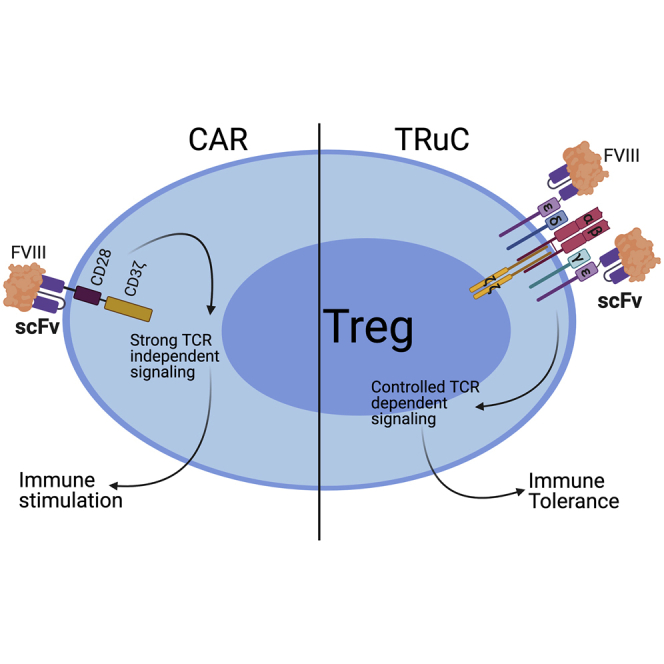
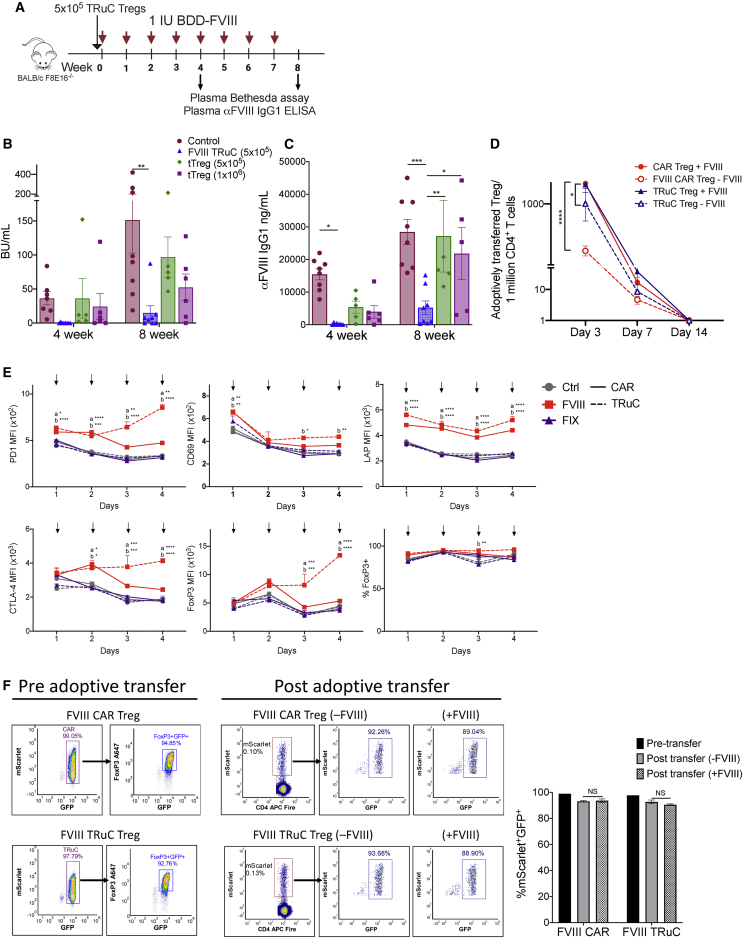
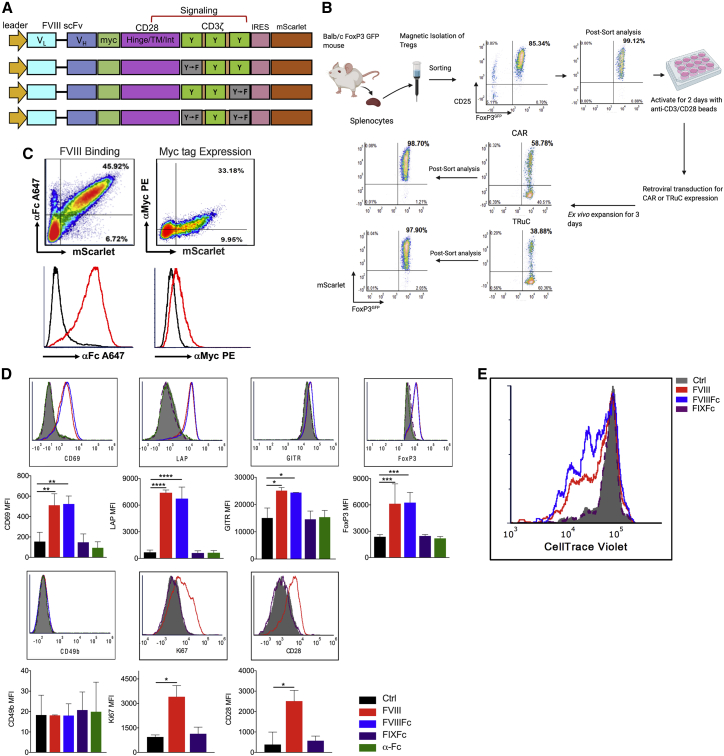
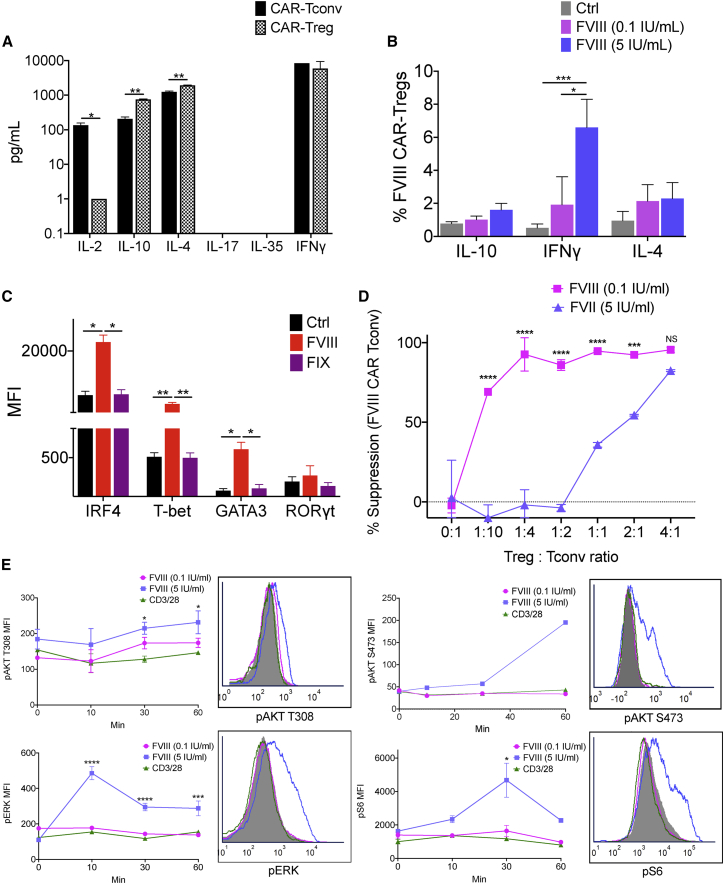
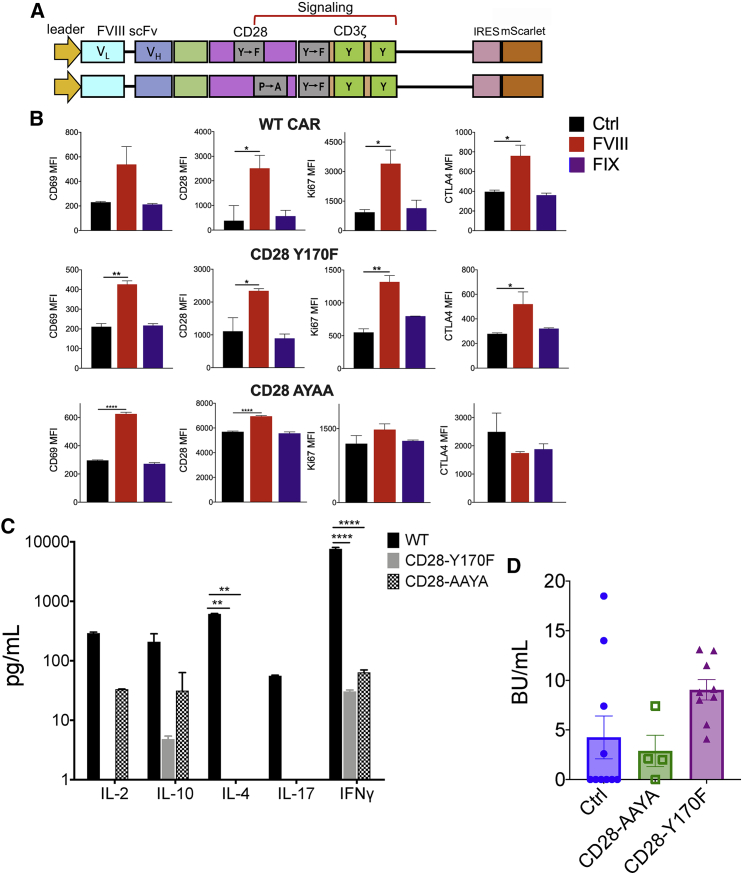
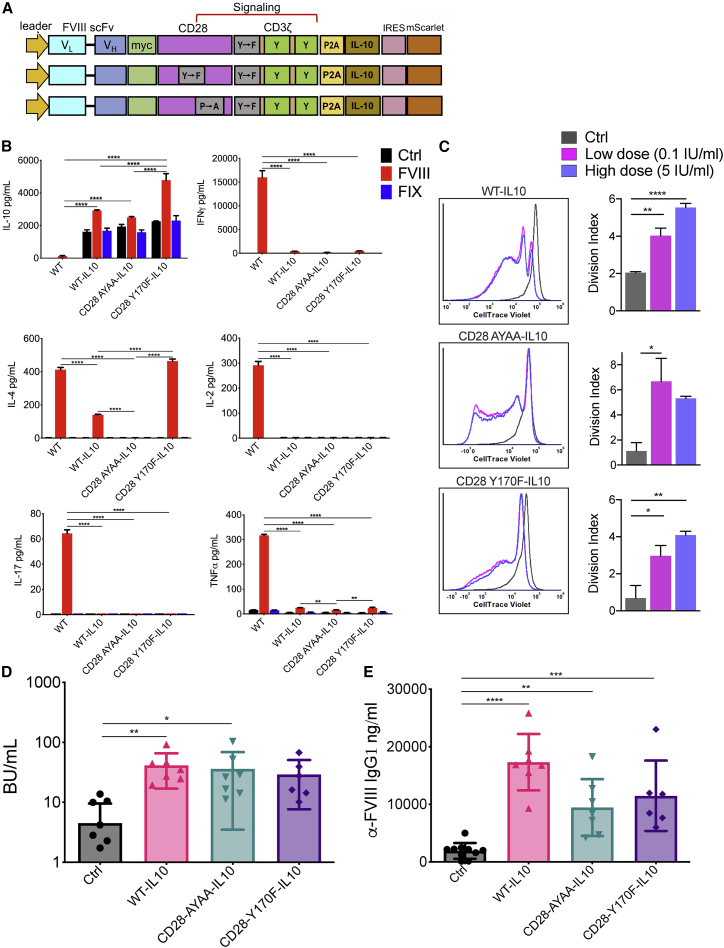
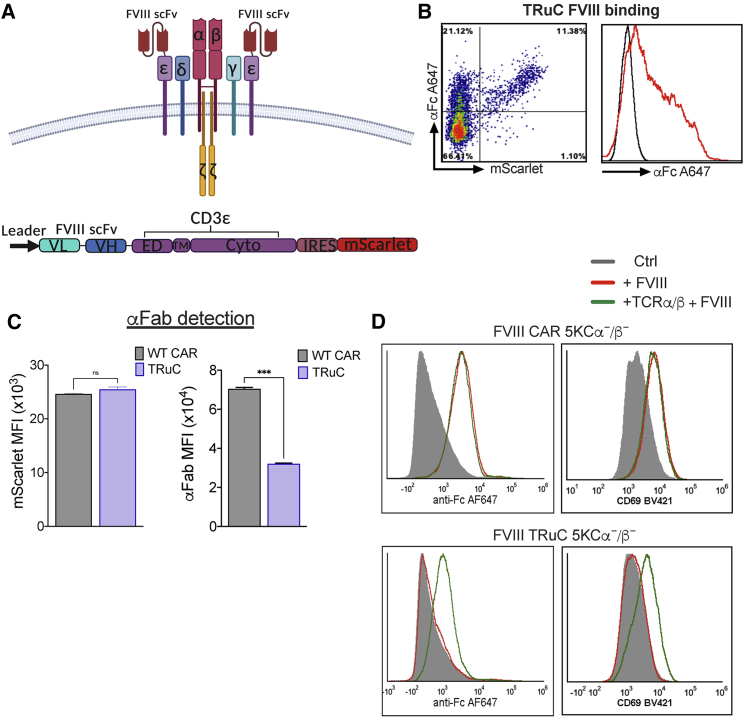
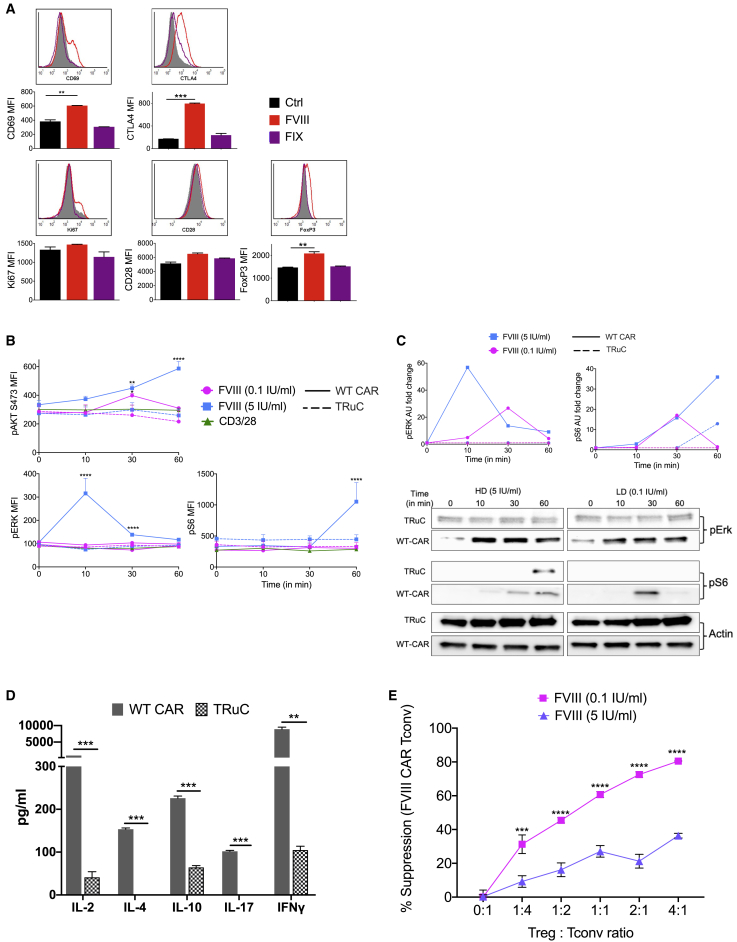
Regulatory T cells (Tregs) control immune responses in autoimmune disease, transplantation, and enable antigen-specific tolerance induction in protein-replacement therapies. Tregs can exert a broad array of suppressive functions through their T cell receptor (TCR) in a tissue-directed and antigen-specific manner. This capacity can now be harnessed for tolerance induction by "redirecting" polyclonal Tregs to overcome low inherent precursor frequencies and simultaneously augment suppressive functions. With the use of hemophilia A as a model, we sought to engineer antigen-specific Tregs to suppress antibody formation against the soluble therapeutic protein factor (F)VIII in a major histocompatibility complex (MHC)-independent fashion. Surprisingly, high-affinity chimeric antigen receptor (CAR)-Treg engagement induced a robust effector phenotype that was distinct from the activation signature observed for endogenous thymic Tregs, which resulted in the loss of suppressive activity. Targeted mutations in the CD3ζ or CD28 signaling motifs or interleukin (IL)-10 overexpression were not sufficient to restore tolerance. In contrast, complexing TCR-based signaling with single-chain variable fragment (scFv) recognition to generate TCR fusion construct (TRuC)-Tregs delivered controlled antigen-specific signaling via engagement of the entire TCR complex, thereby directing functional suppression of the FVIII-specific antibody response. These data suggest that cellular therapies employing engineered receptor Tregs will require regulation of activation thresholds to maintain optimal suppressive function.
调节性 T 细胞 (Tregs) 控制自身免疫性疾病、移植中的免疫反应,并在蛋白质替代疗法中诱导抗原特异性耐受。Tregs 通过其 T 细胞受体 (TCR) 以组织定向和抗原特异性的方式发挥广泛的抑制功能。现在可以通过“重定向”多克隆 Tregs 来克服低固有前体频率,并同时增强抑制功能,从而利用这种能力来诱导耐受。我们以血友病 A 为模型,试图设计抗原特异性 Tregs 以非主要组织相容性复合物 (MHC) 依赖的方式抑制针对可溶性治疗蛋白因子 (F)VIII 的抗体形成。令人惊讶的是,高亲和力嵌合抗原受体 (CAR)-Treg 的结合诱导了一种与内源性胸腺 Tregs 观察到的激活特征明显不同的效应表型,导致抑制活性丧失。在 CD3ζ 或 CD28 信号结构域中进行靶向突变或过表达白细胞介素 (IL)-10 不足以恢复耐受。相比之下,通过将 TCR 信号与单链可变片段 (scFv) 识别相结合来生成 TCR 融合构建体 (TRuC)-Tregs,通过整个 TCR 复合物的结合提供受控的抗原特异性信号,从而指导 FVIII 特异性抗体反应的功能性抑制。这些数据表明,采用工程受体 Tregs 的细胞疗法将需要调节激活阈值以维持最佳抑制功能。