Center for Inflammation, Immunity and Infection, Institute for Biomedical Sciences, Georgia State University, Atlanta, Georgia.
Department of Food Science, Purdue University, West Lafayette, Indiana.
Cell Mol Gastroenterol Hepatol. 2021;12(3):983-1000. doi: 10.1016/j.jcmgh.2021.04.014. Epub 2021 Apr 30.
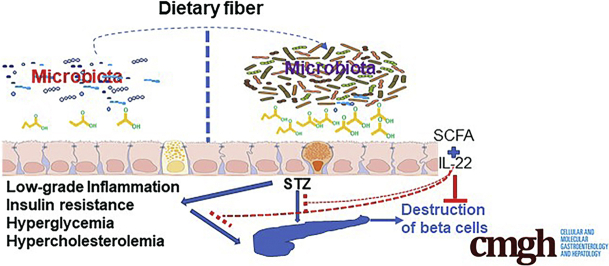
BACKGROUND & AIMS: Nourishment of gut microbiota via consumption of fermentable fiber promotes gut health and guards against metabolic syndrome. In contrast, how dietary fiber impacts type 1 diabetes is less clear.
To examine impact of dietary fibers on development of type 1 diabetes in the streptozotocin (STZ)-induced and spontaneous non-obese diabetes (NOD) models, mice were fed grain-based chow (GBC) or compositionally defined diets enriched with a fermentable fiber (inulin) or an insoluble fiber (cellulose). Spontaneous (NOD mice) or STZ-induced (wild-type mice) diabetes was monitored.
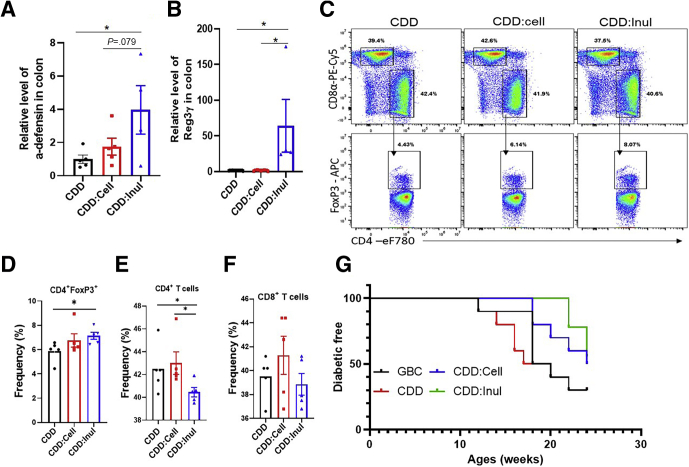
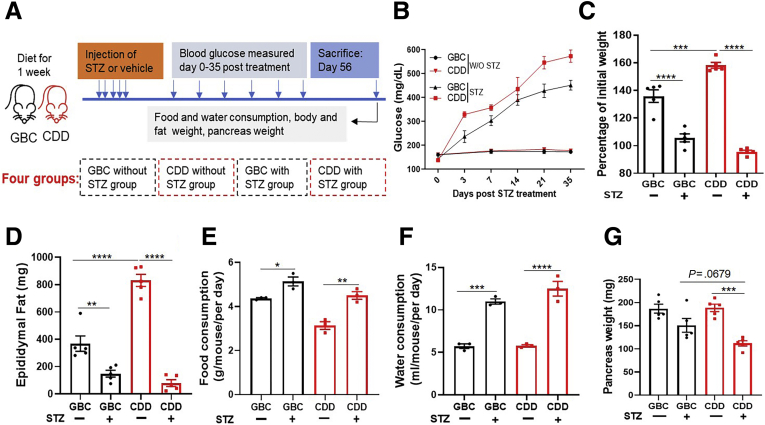
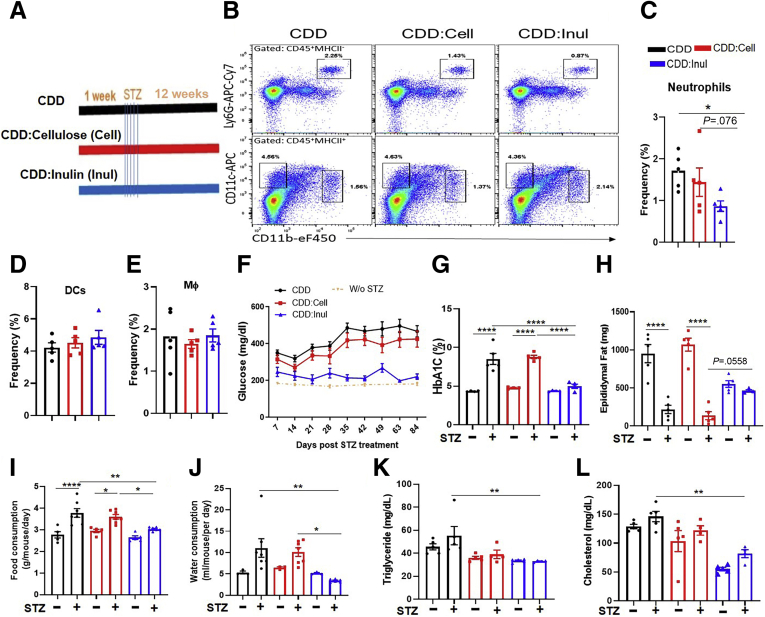
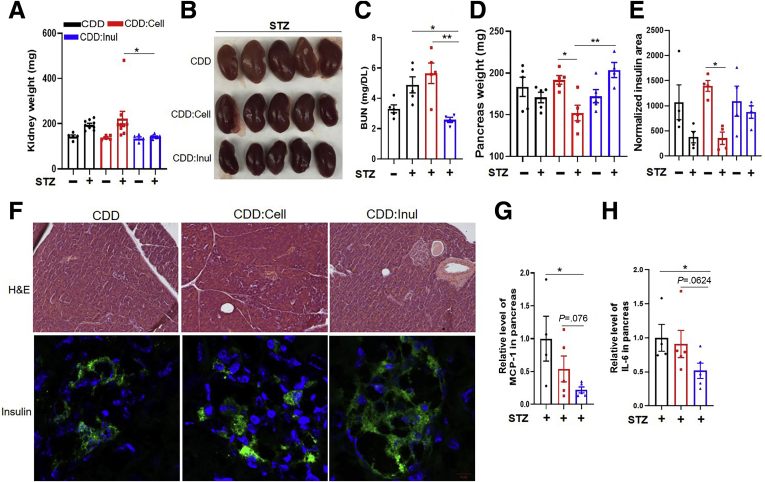
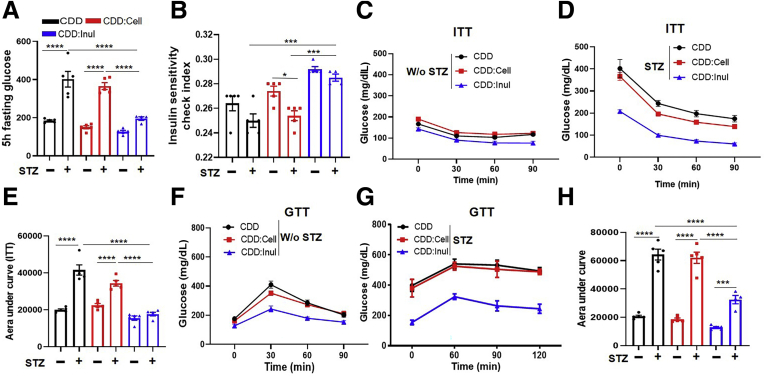
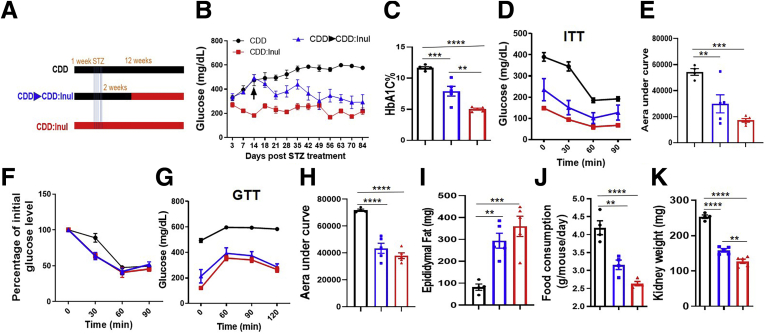
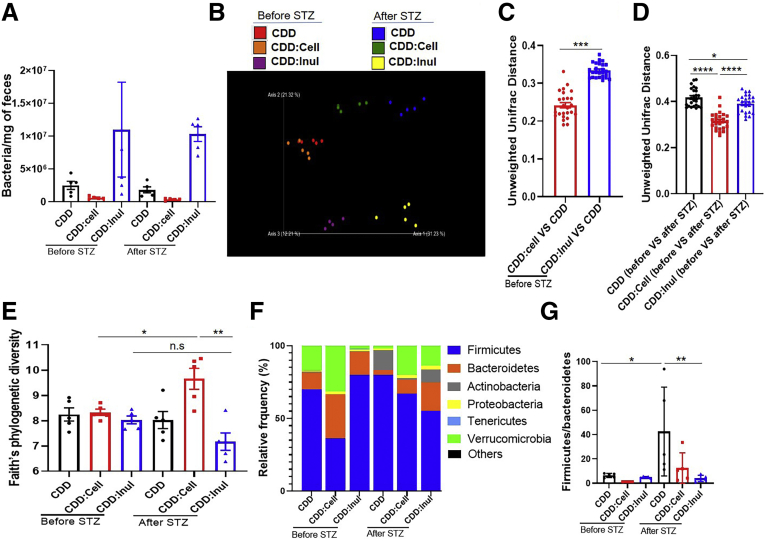
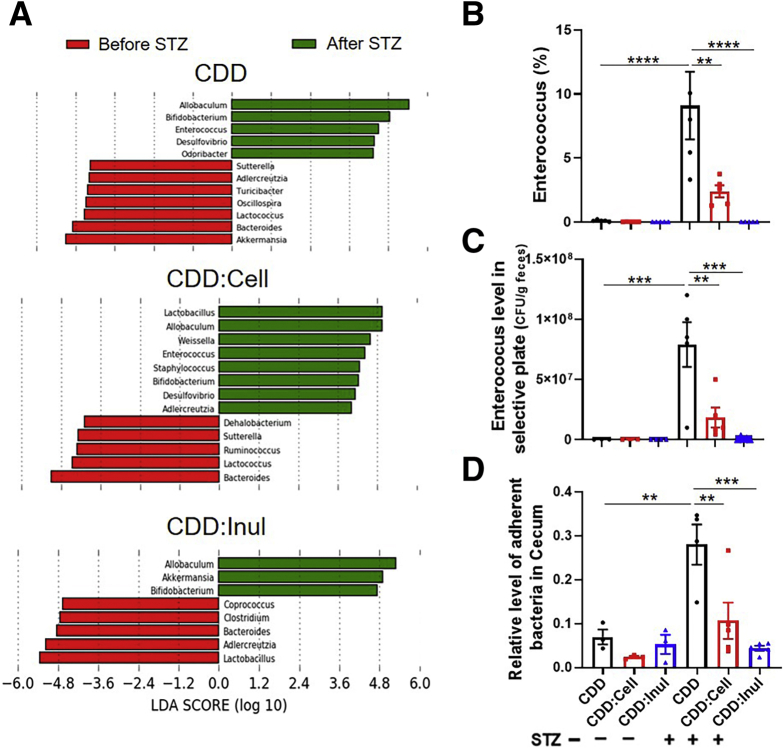
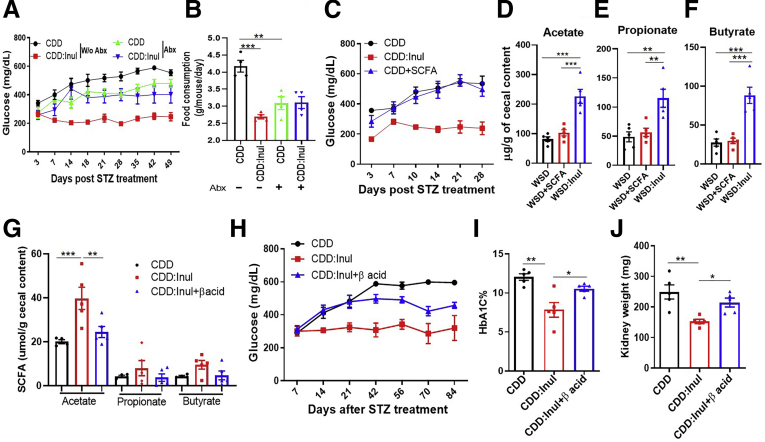
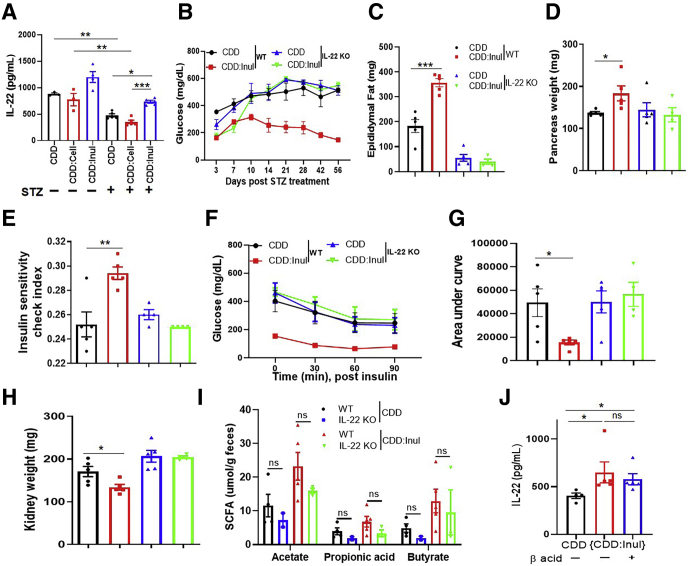
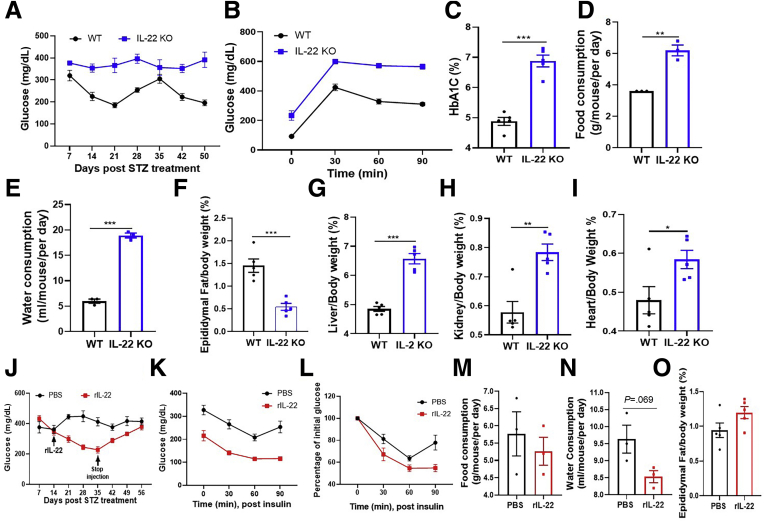
Relative to GBC, low-fiber diets exacerbated STZ-induced diabetes, whereas diets enriched with inulin, but not cellulose, strongly protected against or treated it. Inulin's restoration of glycemic control prevented loss of adipose depots, while reducing food and water consumption. Inulin normalized pancreatic function and markedly enhanced insulin sensitivity. Such amelioration of diabetes was associated with alterations in gut microbiota composition and was eliminated by antibiotic administration. Pharmacologic blockade of fermentation reduced inulin's beneficial impact on glycemic control, indicating a role for short-chain fatty acids (SCFA). Furthermore, inulin's microbiota-dependent anti-diabetic effect associated with SCFA-independent restoration of interleukin 22, which was necessary and sufficient to ameliorate STZ-induced diabetes. Inulin-enriched diets significantly delayed diabetes in NOD mice.
Fermentable fiber confers microbiota-dependent increases in SCFA and interleukin 22 that, together, may have potential to prevent and/or treat type 1 diabetes.
通过摄入可发酵纤维来滋养肠道微生物群,可促进肠道健康并预防代谢综合征。相比之下,膳食纤维如何影响 1 型糖尿病则不太清楚。
为了研究膳食纤维对链脲佐菌素(STZ)诱导和自发性非肥胖型糖尿病(NOD)模型中 1 型糖尿病发展的影响,用谷物基础饲料(GBC)或富含可发酵纤维(菊粉)或不可溶纤维(纤维素)的组成明确的饮食喂养小鼠。监测自发性(NOD 小鼠)或 STZ 诱导的(野生型小鼠)糖尿病的发生。
与 GBC 相比,低纤维饮食加重了 STZ 诱导的糖尿病,而富含菊粉但不富含纤维素的饮食则强烈地预防或治疗了这种疾病。菊粉恢复血糖控制可防止脂肪组织损失,同时减少食物和水的摄入。菊粉可使胰腺功能正常化,并显著提高胰岛素敏感性。这种糖尿病的改善与肠道微生物群组成的改变有关,而抗生素的使用则消除了这种改善。发酵的药理学阻断降低了菊粉对血糖控制的有益影响,表明短链脂肪酸(SCFA)发挥了作用。此外,菊粉的依赖于微生物群的抗糖尿病作用与不依赖于 SCFA 的白细胞介素 22 的恢复有关,白细胞介素 22 对于改善 STZ 诱导的糖尿病是必需和充分的。菊粉丰富的饮食可显著延缓 NOD 小鼠的糖尿病发生。
可发酵纤维可增加 SCFA 和白细胞介素 22 的含量,这种增加可能具有预防和/或治疗 1 型糖尿病的潜力。