Department of Urology, Weihai Central Hospital, Weihai, Shandong, China.
Clinical Lab, Weihai Central Hospital, Weihai, Shandong, China.
PLoS One. 2021 May 4;16(5):e0249951. doi: 10.1371/journal.pone.0249951. eCollection 2021.
Accumulating evidence shows that long noncoding RNAs (lncRNAs) possess great potential in the diagnosis and prognosis of prostate cancer (PCa). Therefore, this study aimed to construct an lncRNA-based signature to more accurately predict the prognosis of different PCa patients, so as to improve patient management and prognosis.
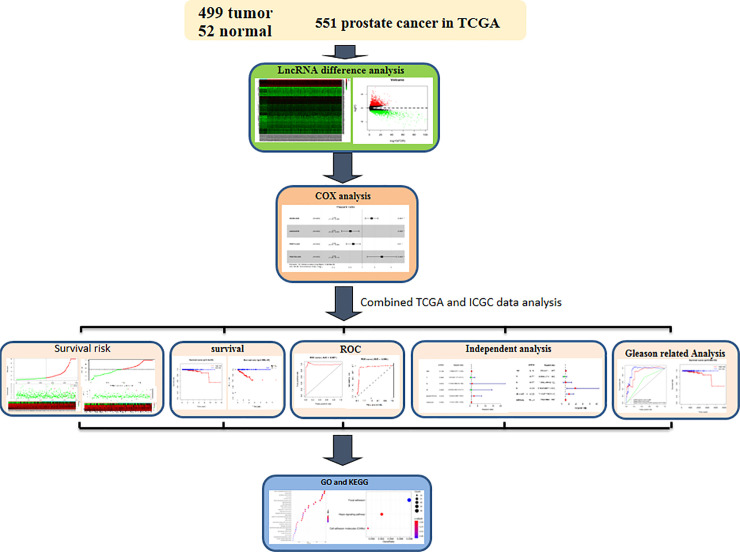
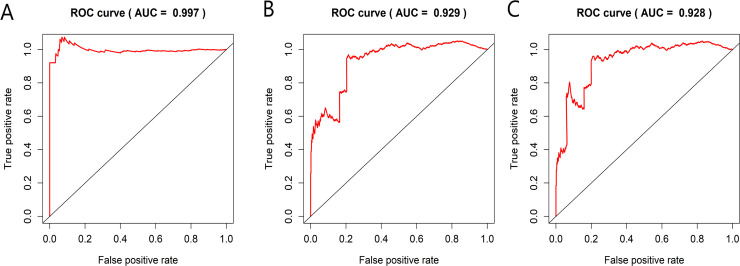
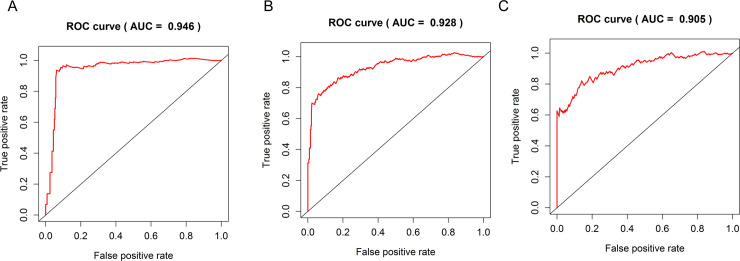
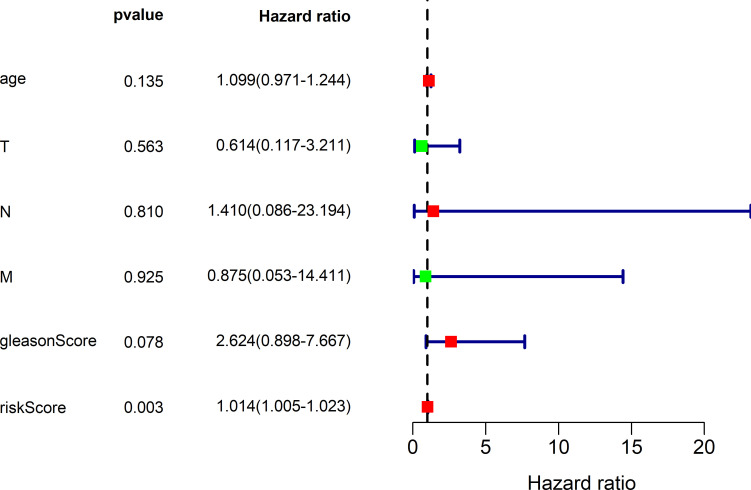
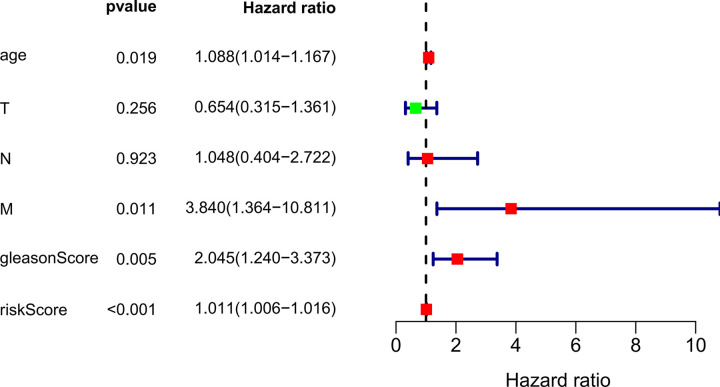
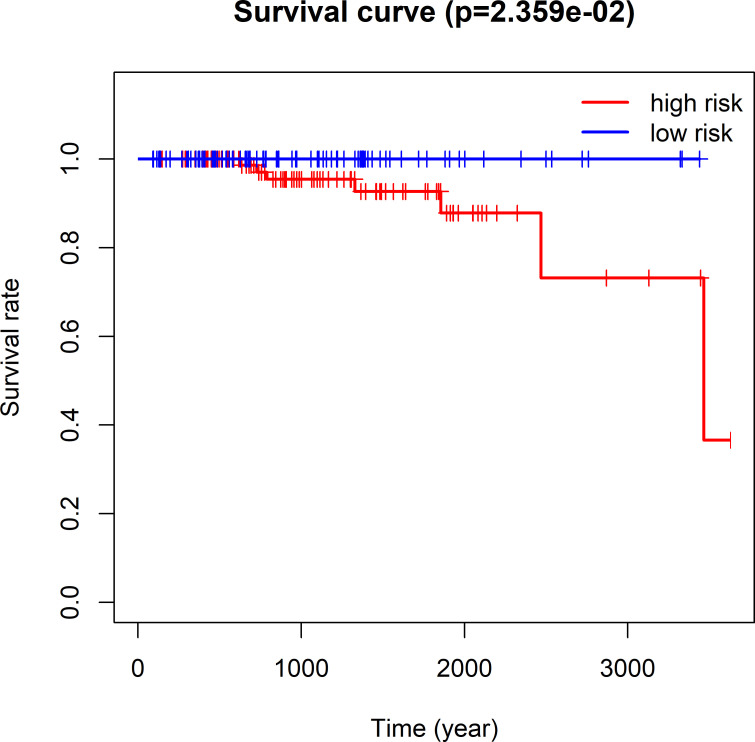
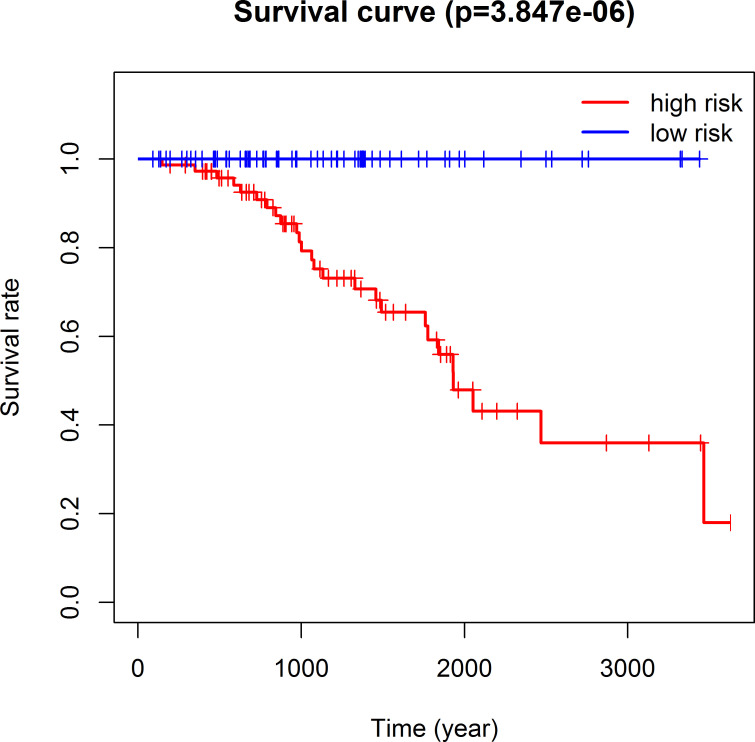
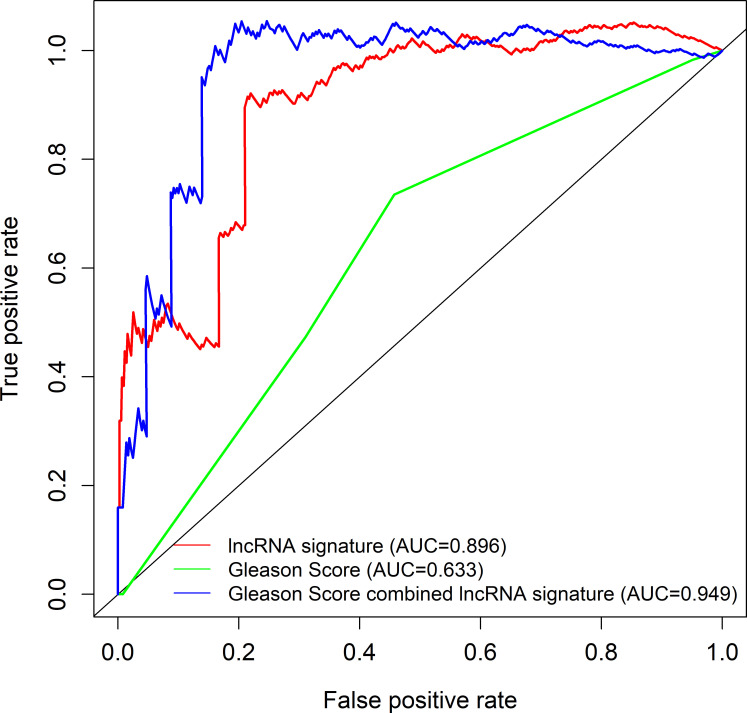
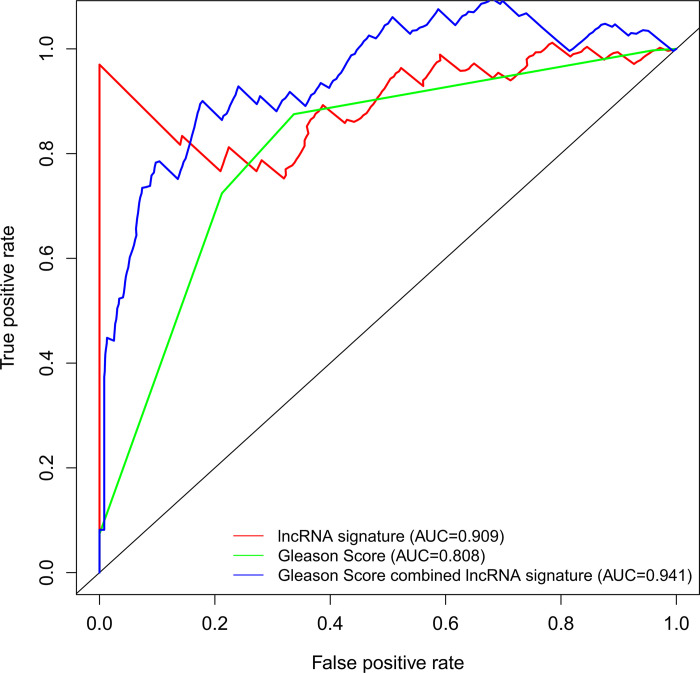
Through univariate and multivariate Cox regression analysis, this study constructed a 4 lncRNAs-based prognosis nomogram for the classification and prediction of survival risk in patients with PCa based on TCGA data. Then we used the data of TCGA and ICGC to verify the performance of our prediction model. The receiver operating characteristic curve was plotted for detecting and validating our prediction model sensitivity and specificity. In addition, Cox regression analysis was conducted to examine whether the signature's prediction ability was independent of additional clinicopathological variables. Possible biological functions for those prognostic lncRNAs were predicted on those 4 protein-coding genes (PCGs) related to lncRNAs.
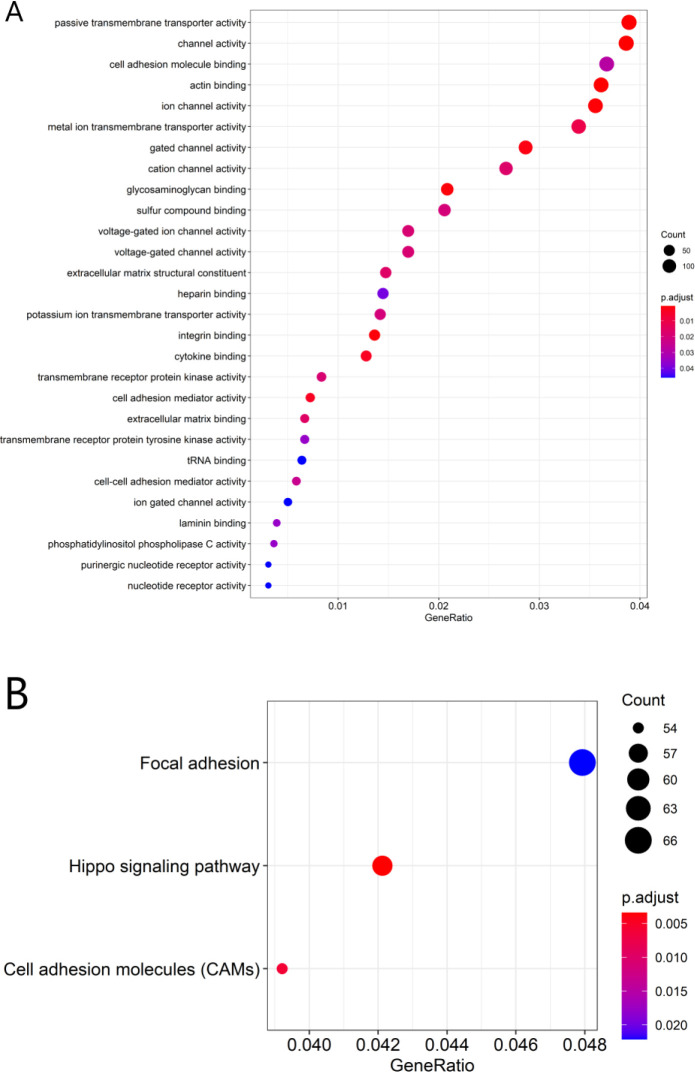
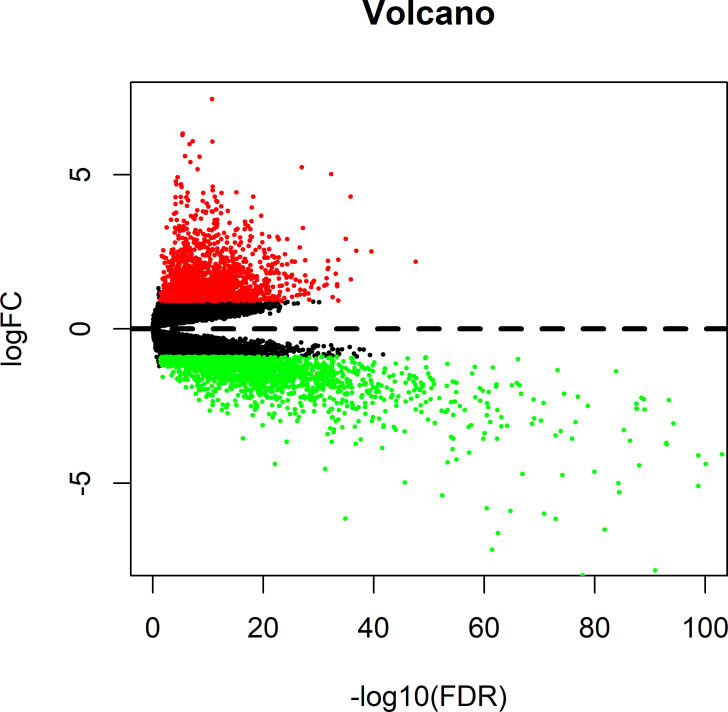
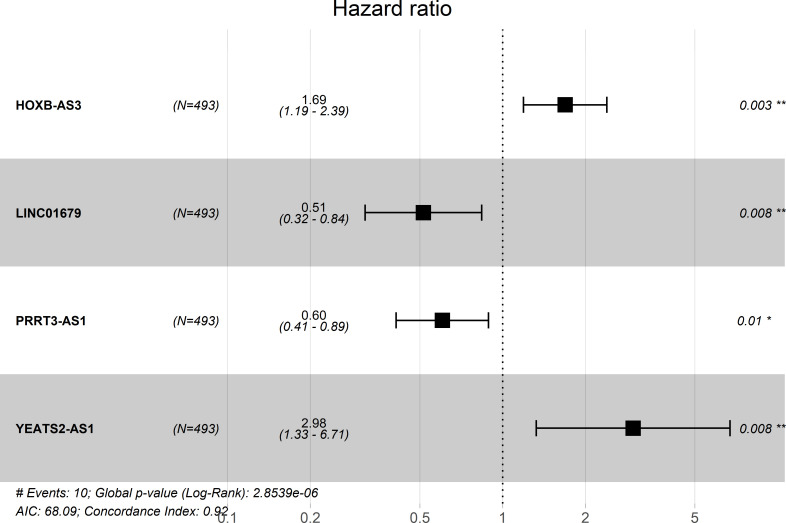
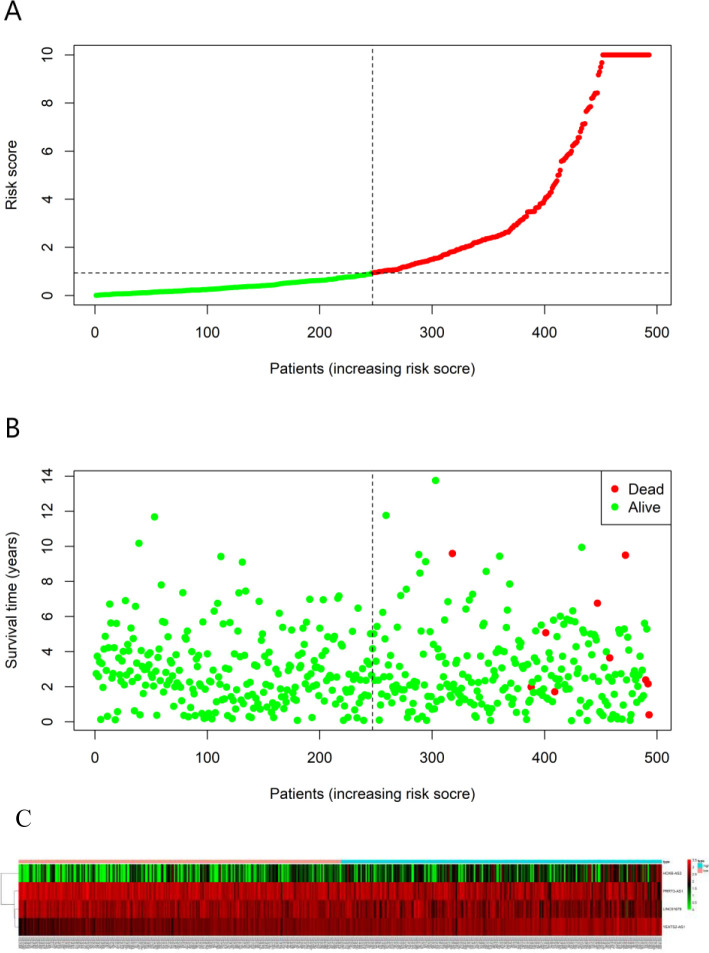
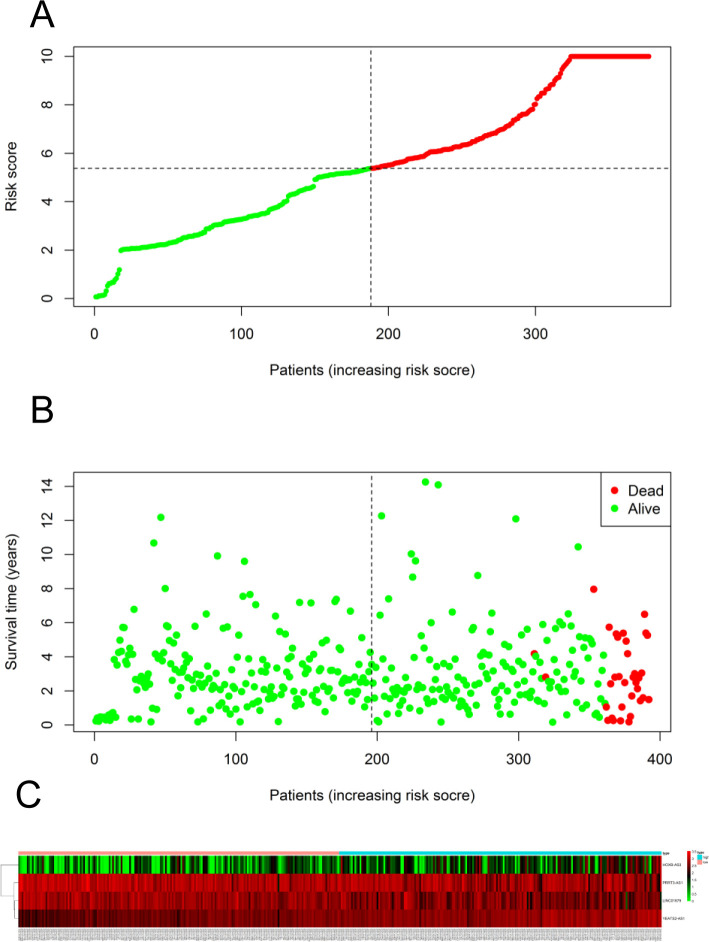
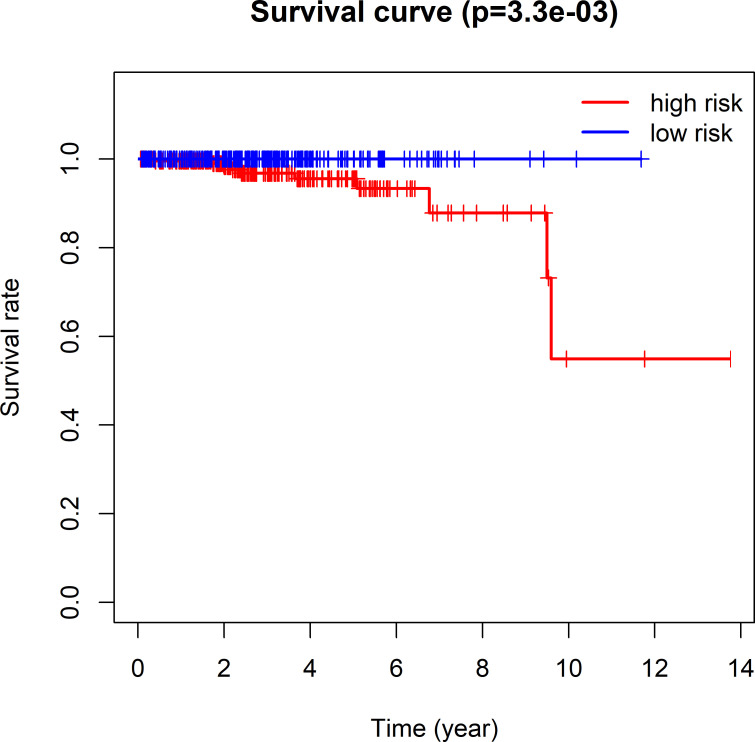
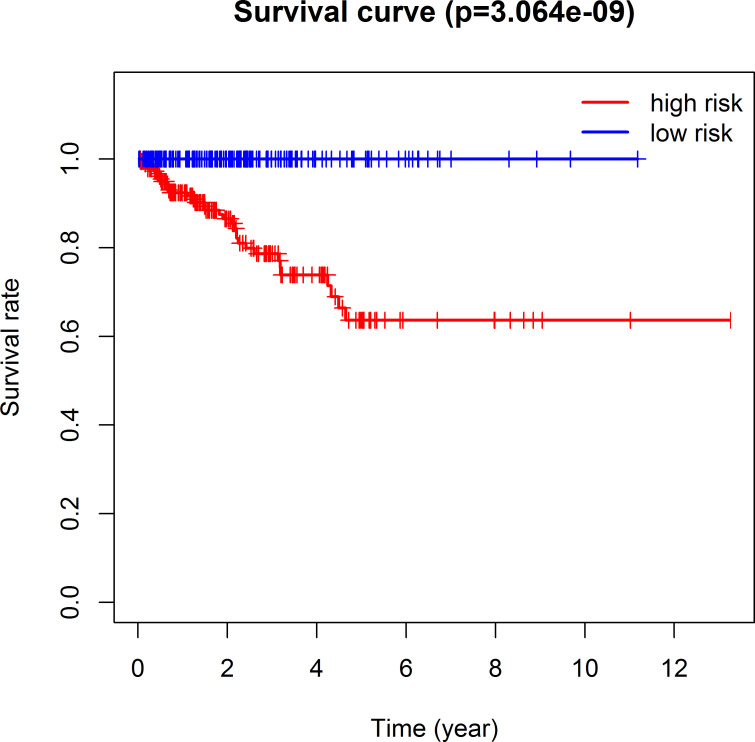
Four lncRNAs (HOXB-AS3, YEATS2-AS1, LINC01679, PRRT3-AS1) were extracted after COX regression analysis for classifying patients into high and low-risk groups by different OS rates. As suggested by ROC analysis, our proposed model showed high sensitivity and specificity. Independent prognostic capability of the model from other clinicopathological factors was indicated through further analysis. Based on functional enrichment, those action sites for prognostic lncRNAs were mostly located in the extracellular matrix and cell membrane, and their functions are mainly associated with the adhesion, activation and transport of the components across the extracellular matrix or cell membrane.
Our current study successfully identifies a novel candidate, which can provide more convincing evidence for prognosis in addition to the traditional clinicopathological indicators to predict the PCa survival, and laying the foundation for offering potentially novel therapeutic treatment. Additionally, this study sheds more lights on the PCa-related molecular mechanisms.
越来越多的证据表明,长链非编码 RNA(lncRNA)在前列腺癌(PCa)的诊断和预后中有很大的应用潜力。因此,本研究旨在构建基于 lncRNA 的特征,以更准确地预测不同 PCa 患者的预后,从而改善患者的管理和预后。
通过单因素和多因素 Cox 回归分析,本研究构建了一个基于 4 个 lncRNA 的预后列线图,用于基于 TCGA 数据对 PCa 患者的生存风险进行分类和预测。然后,我们使用 TCGA 和 ICGC 数据验证了我们的预测模型的性能。绘制了接收器工作特征曲线,以检测和验证我们的预测模型的敏感性和特异性。此外,Cox 回归分析用于检验该特征是否独立于其他临床病理变量的预测能力。对与这些预后 lncRNA 相关的 4 个蛋白编码基因(PCGs)进行预测,以预测这些预后 lncRNA 的可能生物学功能。
通过 COX 回归分析提取了 4 个 lncRNA(HOXB-AS3、YEATS2-AS1、LINC01679、PRRT3-AS1),这些 lncRNA 将患者分为高风险和低风险组,两组之间的 OS 率不同。ROC 分析表明,我们提出的模型具有较高的敏感性和特异性。进一步的分析表明,该模型的预后能力独立于其他临床病理因素。基于功能富集,这些预后 lncRNA 的作用部位主要位于细胞外基质和细胞膜,其功能主要与细胞外基质或细胞膜上成分的黏附、激活和转运有关。
本研究成功地确定了一个新的候选者,它除了传统的临床病理指标外,还可以提供更有说服力的预后证据,以预测 PCa 的生存,为提供潜在的新的治疗方法奠定了基础。此外,本研究为 PCa 相关的分子机制提供了更多的线索。