Department of Engineering and Architecture, University of Trieste, Trieste, Italy.
Department of Geriatrics, University of Trieste&ASUGI, Trieste, Italy.
BMC Oral Health. 2021 May 4;21(1):235. doi: 10.1186/s12903-021-01604-1.
Sublingual varices (SV) are dilatations of tortuous veins that increased with age. Previous studies showed that this pathology could be correlated to some risk factors such as hypertension, age, gender and diabetes mellitus. In this study we evaluated, on a large number of subjects, the relationship between SV and different grades of hypertension as well as some risk factors extending the analysis to new risk factors such as dyslipidemia, obesity and antihypertensive therapy, modelling a possible dependence of SV on all these factors.
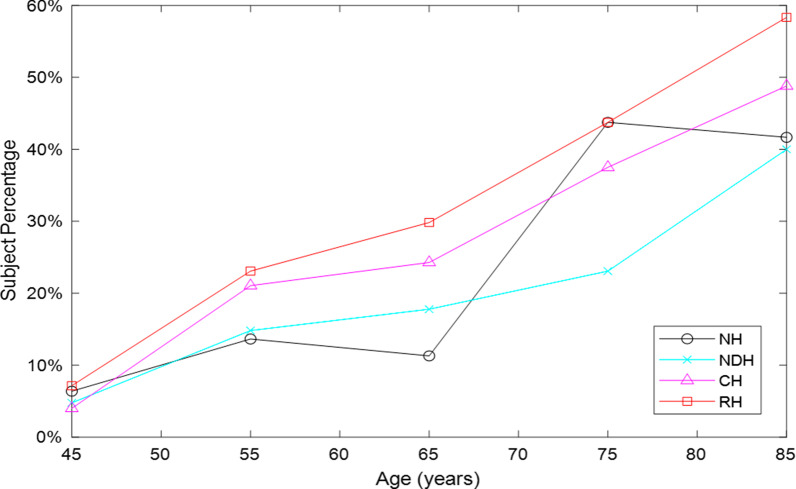
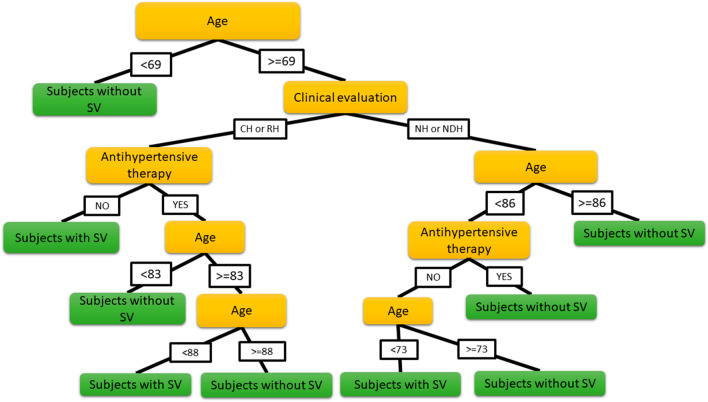
In the study 1008 subjects, 284 with and 724 without SV, were examined. The blood pressure was measured in office condition and, to exclude subjects with white coat syndrome or masked hypertension, also using a 24 h Holter pressure monitor. Hypertensive subjects were divided in resistant, drugs controlled (compensated) and patients with prior unknown hypertension (new diagnosed) groups. The presence or absence of SV as well as of the risk factors was assessed clinically. We tested the influence of age on the presence of SV by using the chi-square test and the relation between each risk factor and SV by the Cochran-Mantel-Haenszel test. Finally, we carried out a multivariate regression tree analysis in order to predict the presence of SV.
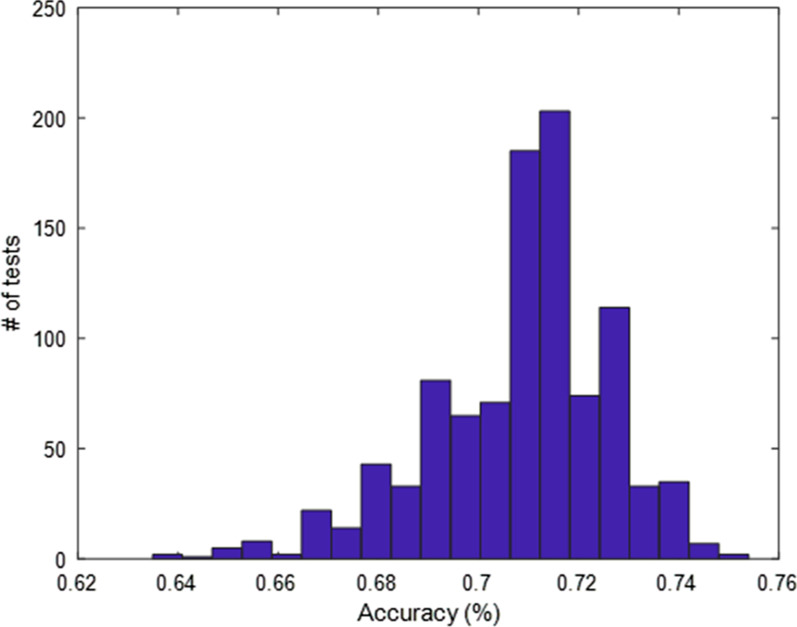
We confirmed the influence of age on SV and found a significant relationship between SV and both the compensated and resistant hypertension grades. We highlighted a relationship between SV and dyslipidemia in subjects with new diagnosed hypertension, and between SV and smoking in subjects with compensated hypertension grade. The regression tree showed a classification accuracy of about 75% using as variables hypertension grades, age and antihypertensive treatment.
We confirmed the SV dependence on age, resistant hypertension and smoking, highlighting a new association with dyslipidemia in new diagnosed hypertensive subjects and new relations depending on the hypertension grades. Thus, the SV inspection could be used to suggest a lipidologist as well as a hypertension specialist visit for a pharmacological and pressure check particularly in subjects presenting SV and dyslipidemia. However, further parameters are to be considered to improve the sensitivity of the prognostic tree model.
舌下静脉曲张(SV)是指迂曲静脉的扩张,随着年龄的增长而增加。以前的研究表明,这种病理学可能与一些危险因素相关,如高血压、年龄、性别和糖尿病。在这项研究中,我们评估了大量患者中 SV 与不同程度高血压以及一些危险因素之间的关系,这些危险因素扩展到了新的危险因素,如血脂异常、肥胖和抗高血压治疗,并建立了一个可能依赖于所有这些因素的 SV 模型。
在这项研究中,我们检查了 1008 名患者,其中 284 名有 SV,724 名没有 SV。血压在诊室条件下测量,并使用 24 小时动态血压监测仪排除白大衣综合征或隐匿性高血压患者。高血压患者分为抵抗性、药物控制(代偿性)和先前未知高血压(新诊断)组。临床评估 SV 以及危险因素的存在情况。我们使用卡方检验测试年龄对 SV 存在的影响,使用 Cochran-Mantel-Haenszel 检验测试每个危险因素与 SV 的关系。最后,我们进行了多元回归树分析,以预测 SV 的存在。
我们证实了年龄对 SV 的影响,并发现 SV 与代偿性和抵抗性高血压等级之间存在显著关系。我们在新诊断高血压患者中发现了 SV 与血脂异常之间的关系,在代偿性高血压患者中发现了 SV 与吸烟之间的关系。回归树分析使用高血压等级、年龄和抗高血压治疗作为变量,显示出约 75%的分类准确性。
我们证实了 SV 对年龄、抵抗性高血压和吸烟的依赖性,强调了在新诊断的高血压患者中与血脂异常的新关联,并根据高血压等级出现了新的关系。因此,SV 检查可以提示患者去看血脂专家和高血压专家,进行药物和血压检查,特别是在有 SV 和血脂异常的患者中。然而,需要进一步考虑其他参数来提高预后树模型的敏感性。