Department of Nutrition and Food Science, Wayne State University, Detroit, MI 48202, USA; Department of Molecular and Integrative Physiology, University of Michigan, Ann Arbor, MI 48109, USA.
Department of Nutrition and Food Science, Wayne State University, Detroit, MI 48202, USA.
Exp Gerontol. 2021 Jul 15;150:111387. doi: 10.1016/j.exger.2021.111387. Epub 2021 May 3.
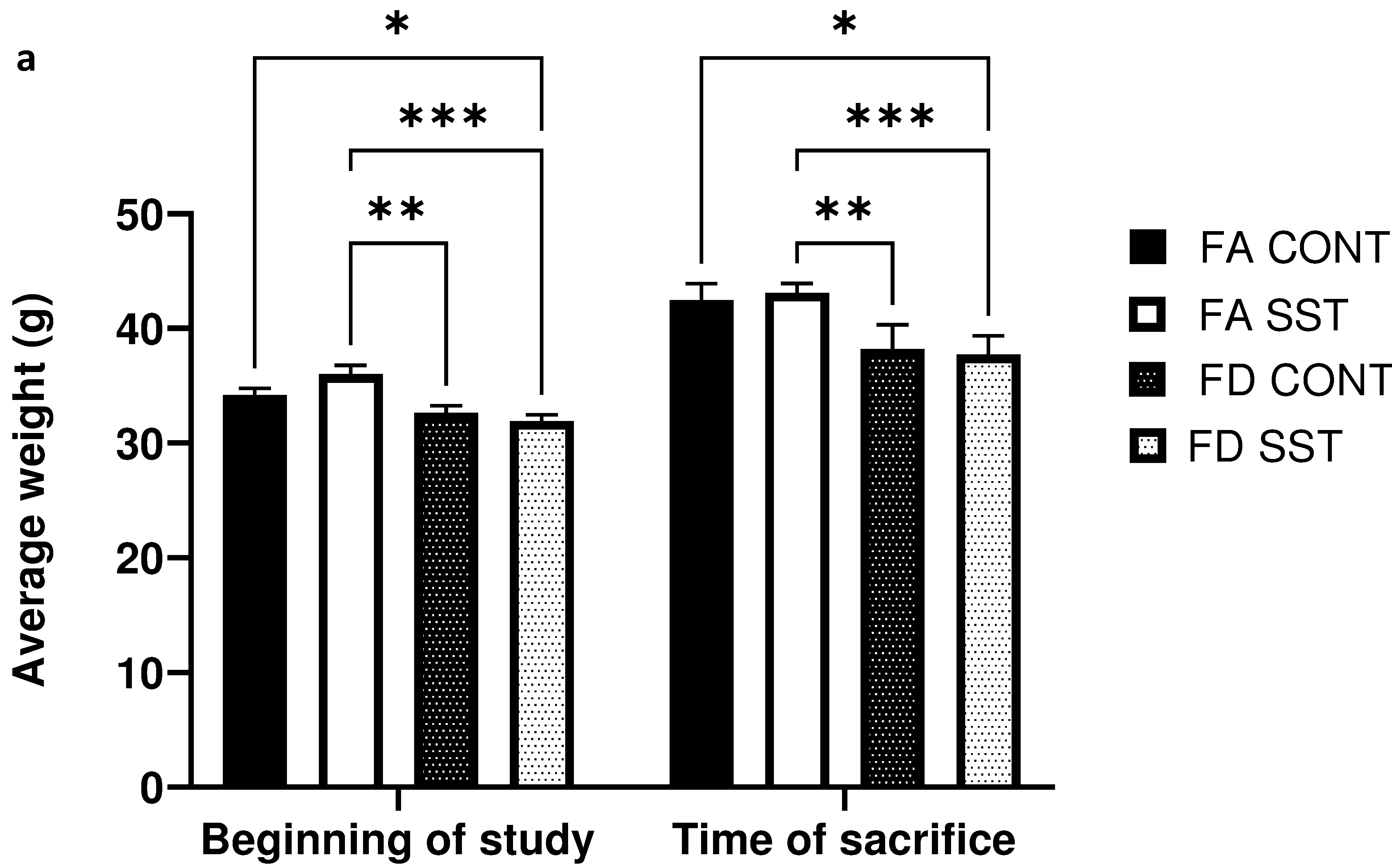
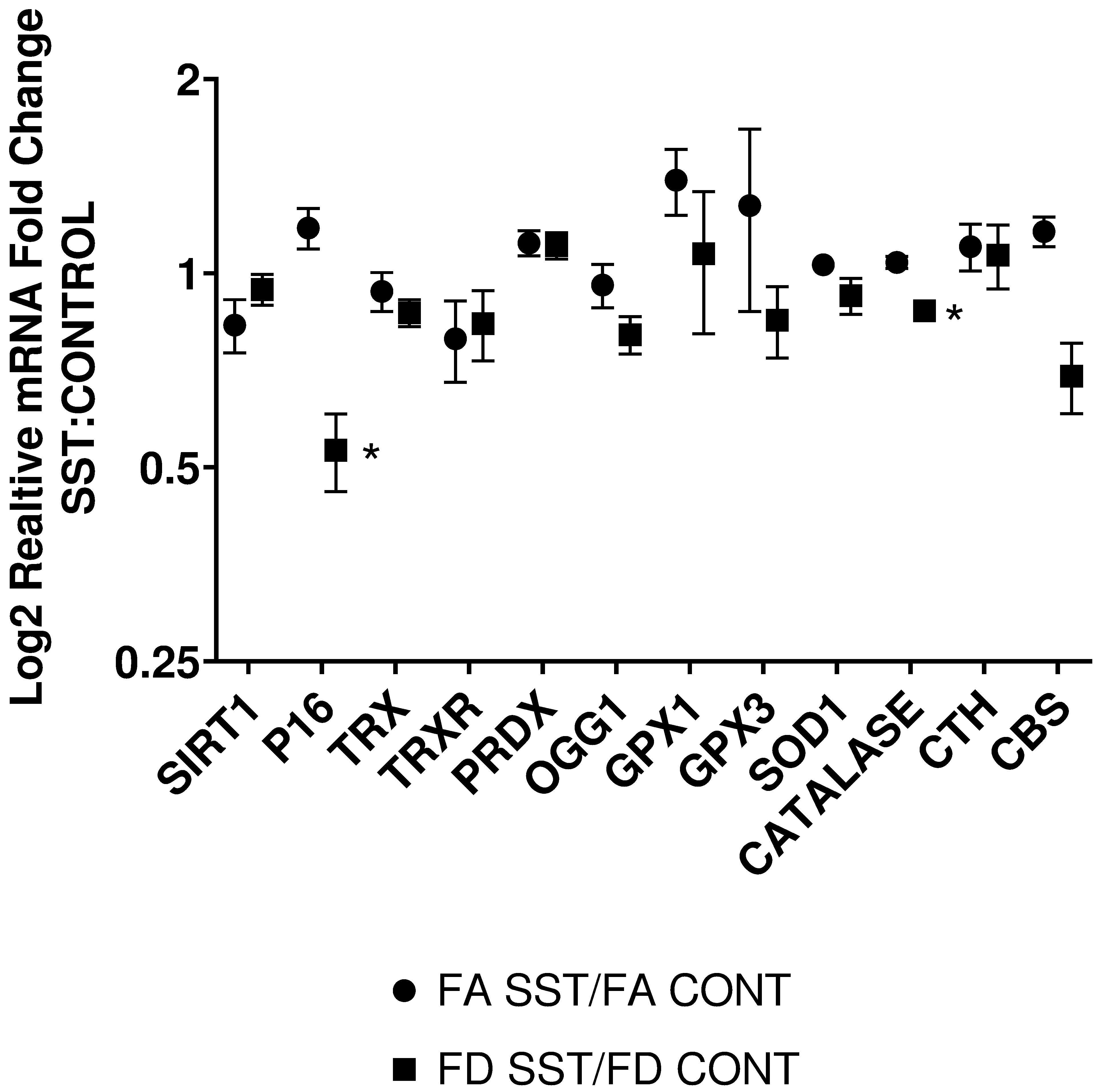
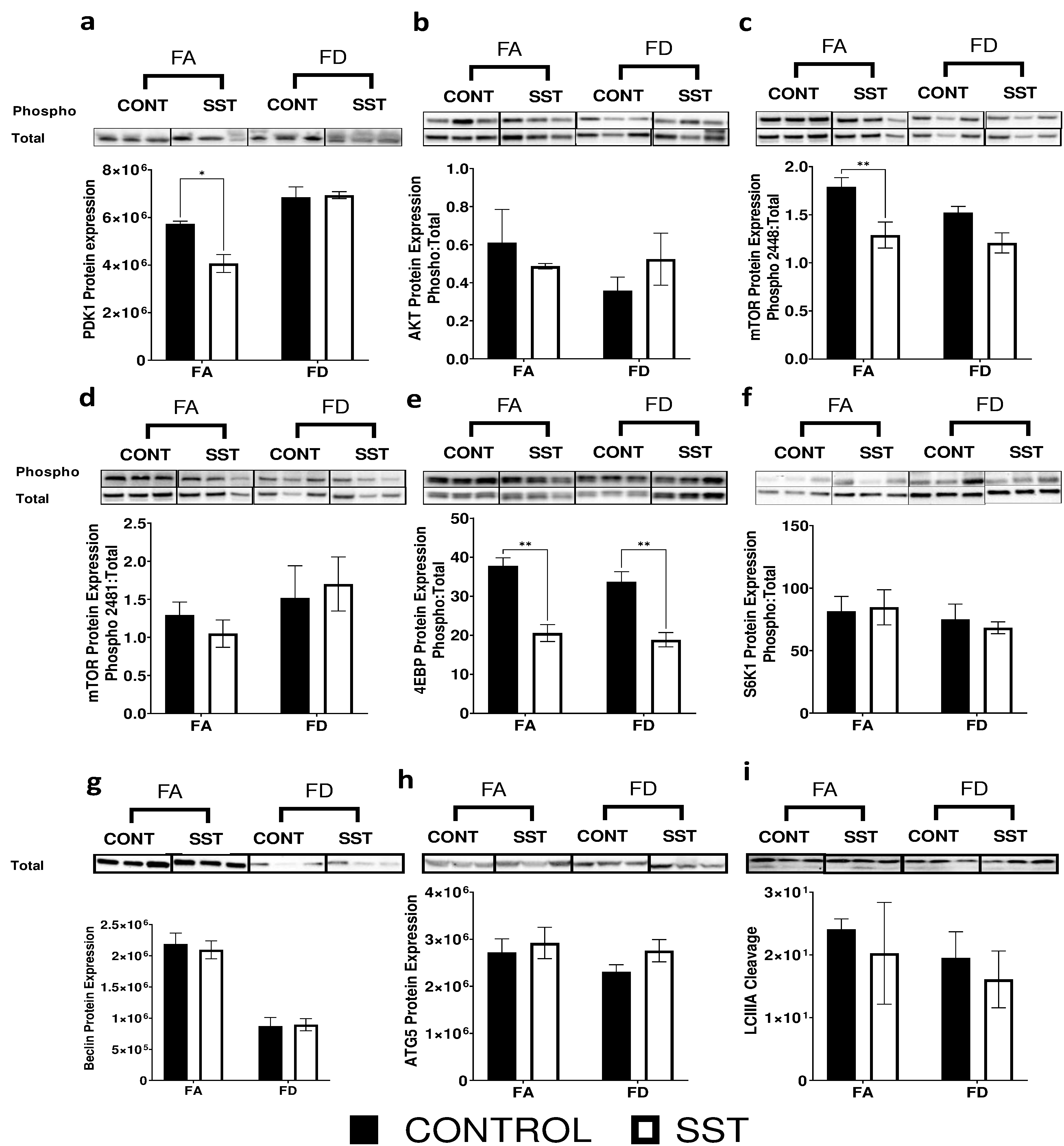
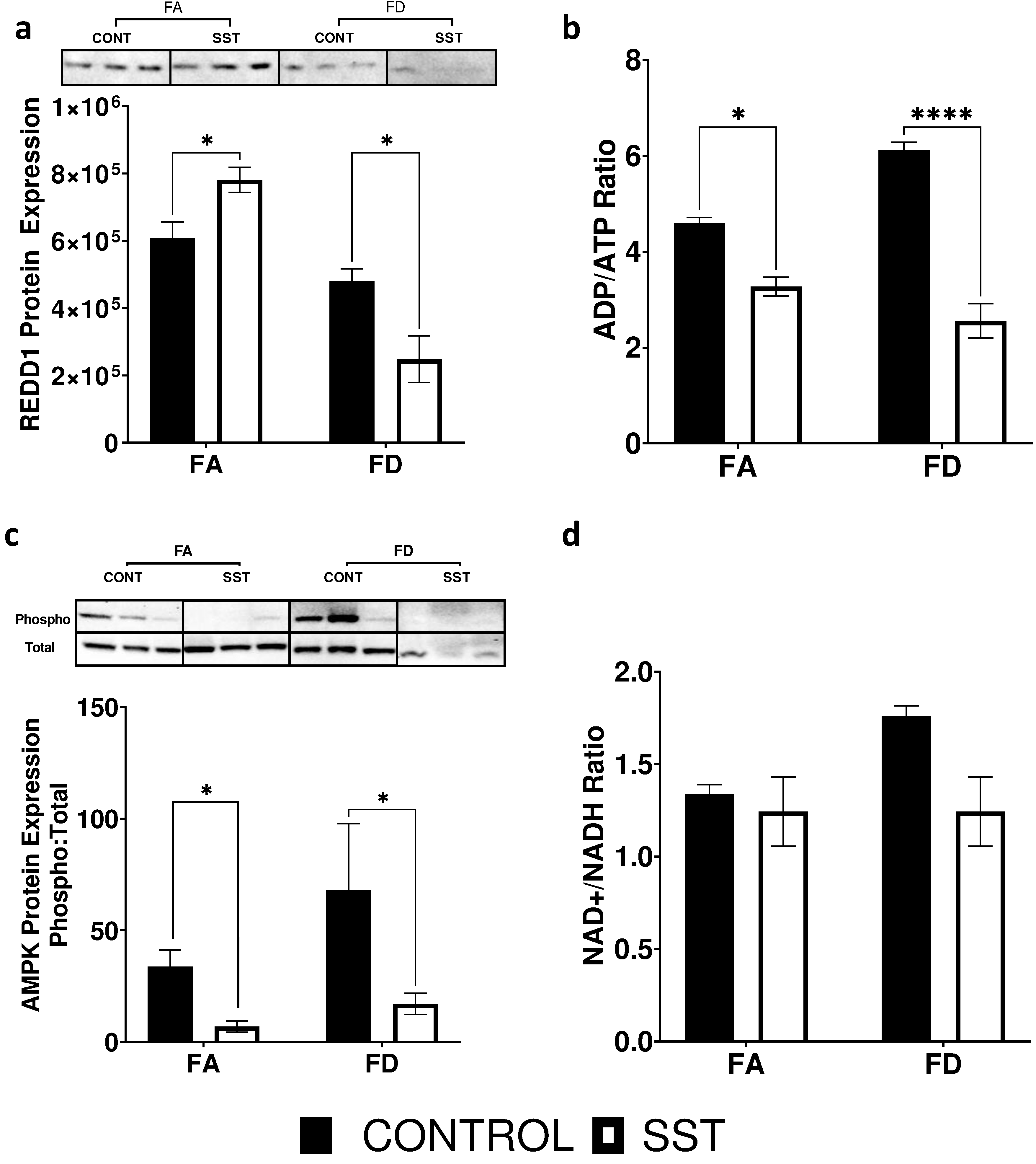
Researchers studying the effect of folate restriction on rodents have resorted to the use of the antibiotic succinylsulfathiazole (SST) in the folate depleted diet to induce a folate deficient status. SST has been used extensively in rodent studies since the 1940s. Its localized effect on the gut bacteria as well as its effectiveness in reducing folate producing species is well documented. The possible overlap between the pathways affected by folate depletion and SST could potentially produce a confounding variable in such studies. In our novel study, we analyzed the effect of SST on folate levels in c57Bl/6 male mice fed folate supplemented and deficient diets. We did not observe any significant difference on growth and weight gain at 21 weeks. SST did not significantly affect folate levels in the plasma, liver and colon tissues; however, it did alter energy metabolism and expression of key genes in the mTOR signaling pathway in the liver. This research sheds light on a possible confounding element when using SST to study folate depletion due to the potential overlap with multiple critical pathways such as mTOR. SUMMARY: The antibiotic succinylsulfathiazole (SST) is used to reduce folate producing bacteria in rodent folate depletion studies. SST can modulate critical energy and nutrient sensing pathways converging onto mTOR signaling, and potentially confounding cancer studies.
研究人员在研究叶酸限制对啮齿动物的影响时,在叶酸缺乏饮食中使用抗生素琥珀酰磺胺噻唑(SST)来诱导叶酸缺乏状态。自 20 世纪 40 年代以来,SST 在啮齿动物研究中得到了广泛应用。它对肠道细菌的局部作用以及减少产生叶酸的物种的有效性已有充分的记录。叶酸缺乏和 SST 影响的途径之间可能存在重叠,这可能会给此类研究带来混杂变量。在我们的新研究中,我们分析了 SST 对补充和缺乏叶酸饮食喂养的 c57Bl/6 雄性小鼠中叶酸水平的影响。我们没有观察到 21 周时生长和体重增加有任何显著差异。SST 对血浆、肝脏和结肠组织中的叶酸水平没有显著影响;然而,它确实改变了肝脏中 mTOR 信号通路的能量代谢和关键基因的表达。这项研究揭示了在使用 SST 研究叶酸缺乏时可能存在混杂因素,因为它可能与多个关键途径(如 mTOR)重叠。总结:抗生素琥珀酰磺胺噻唑(SST)用于减少啮齿动物叶酸缺乏研究中产生叶酸的细菌。SST 可以调节关键的能量和营养感应途径,这些途径汇聚到 mTOR 信号上,并可能使癌症研究受到干扰。