Department of Obstetrics, Gynecology, and Reproductive Sciences, School of Medicine, Magee-Womens Research Institute, University of Pittsburgh, Pittsburgh, USA.
Institute of Reproductive Genetics, University of Münster, Münster, Germany.
Hum Genet. 2021 Aug;140(8):1169-1182. doi: 10.1007/s00439-021-02287-y. Epub 2021 May 7.
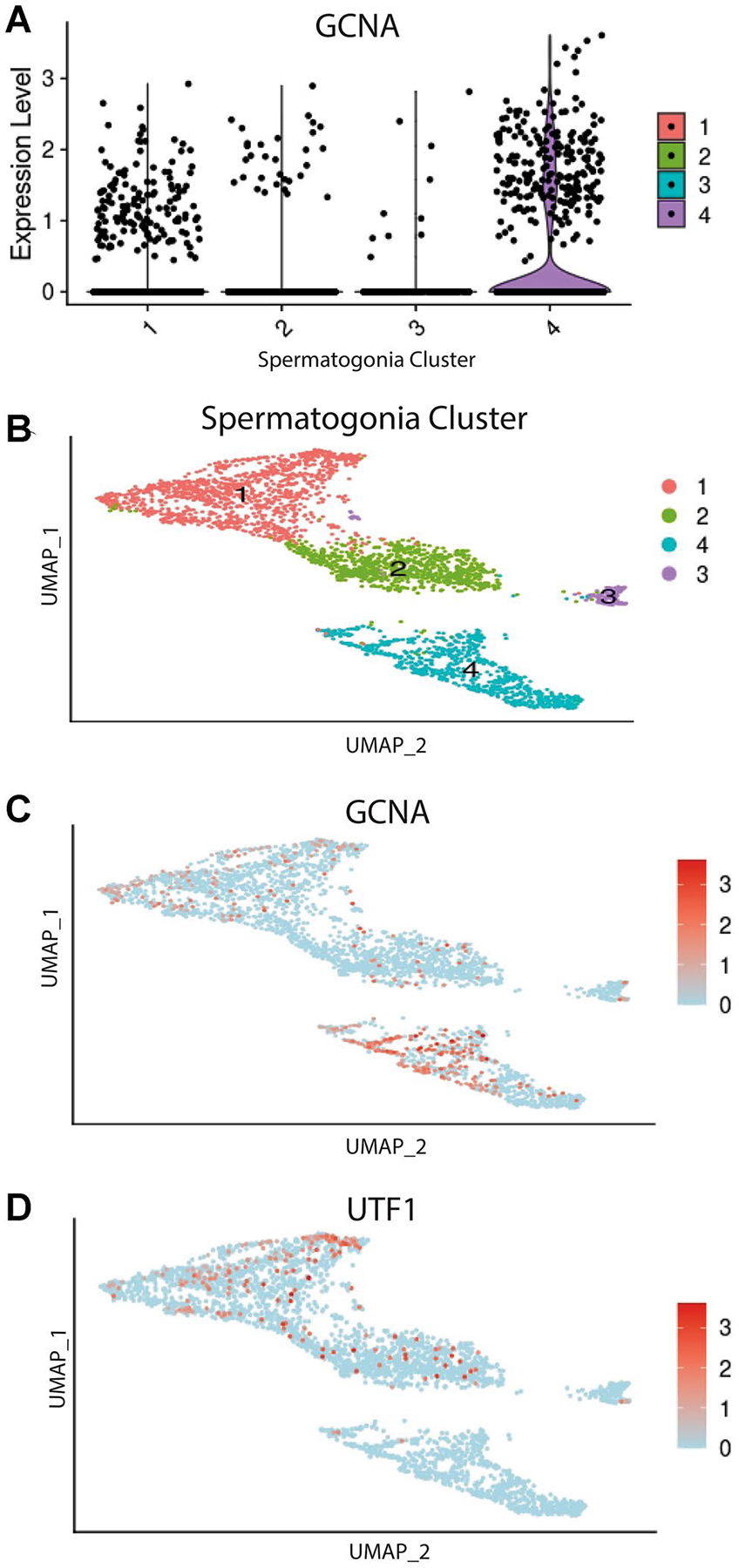
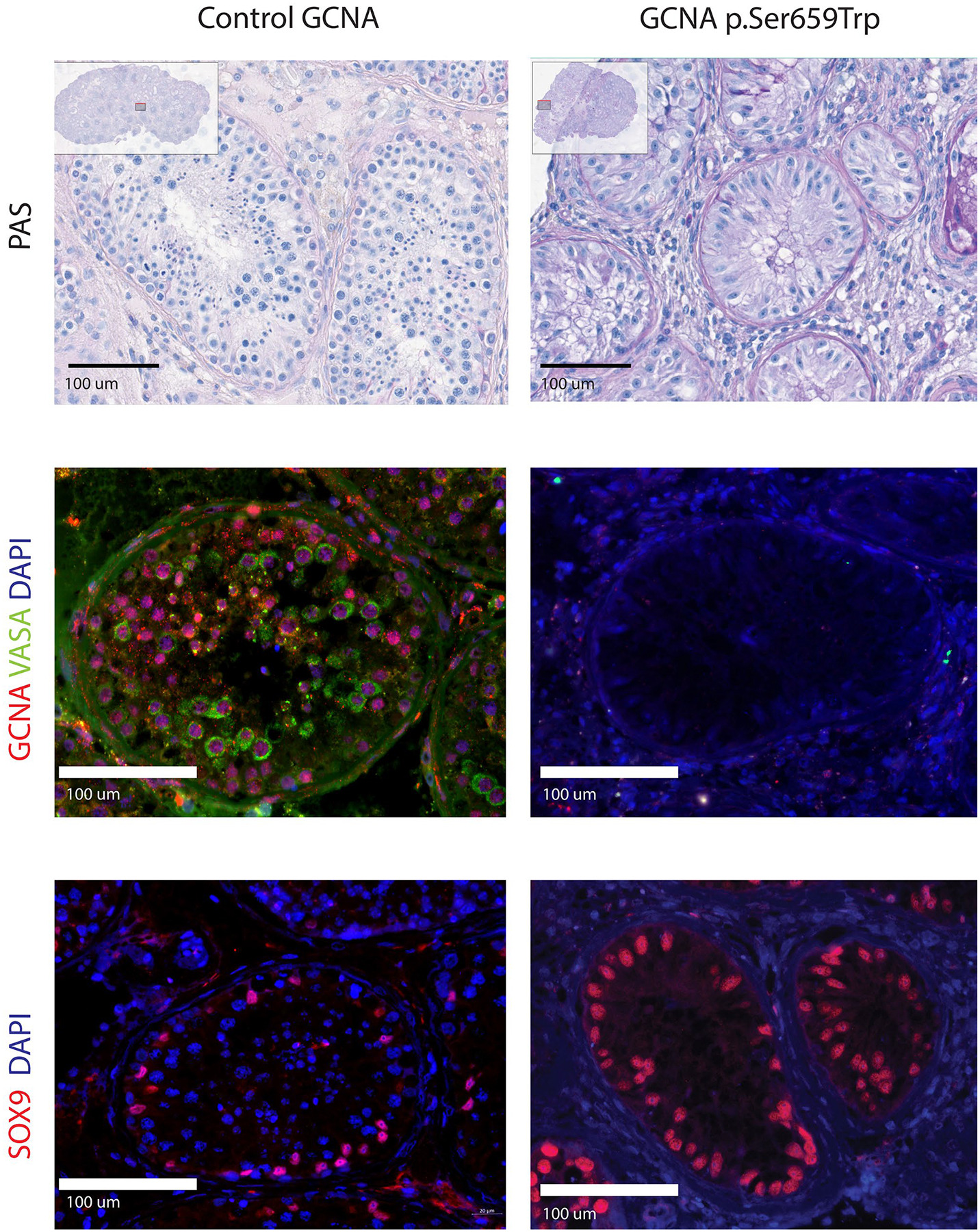
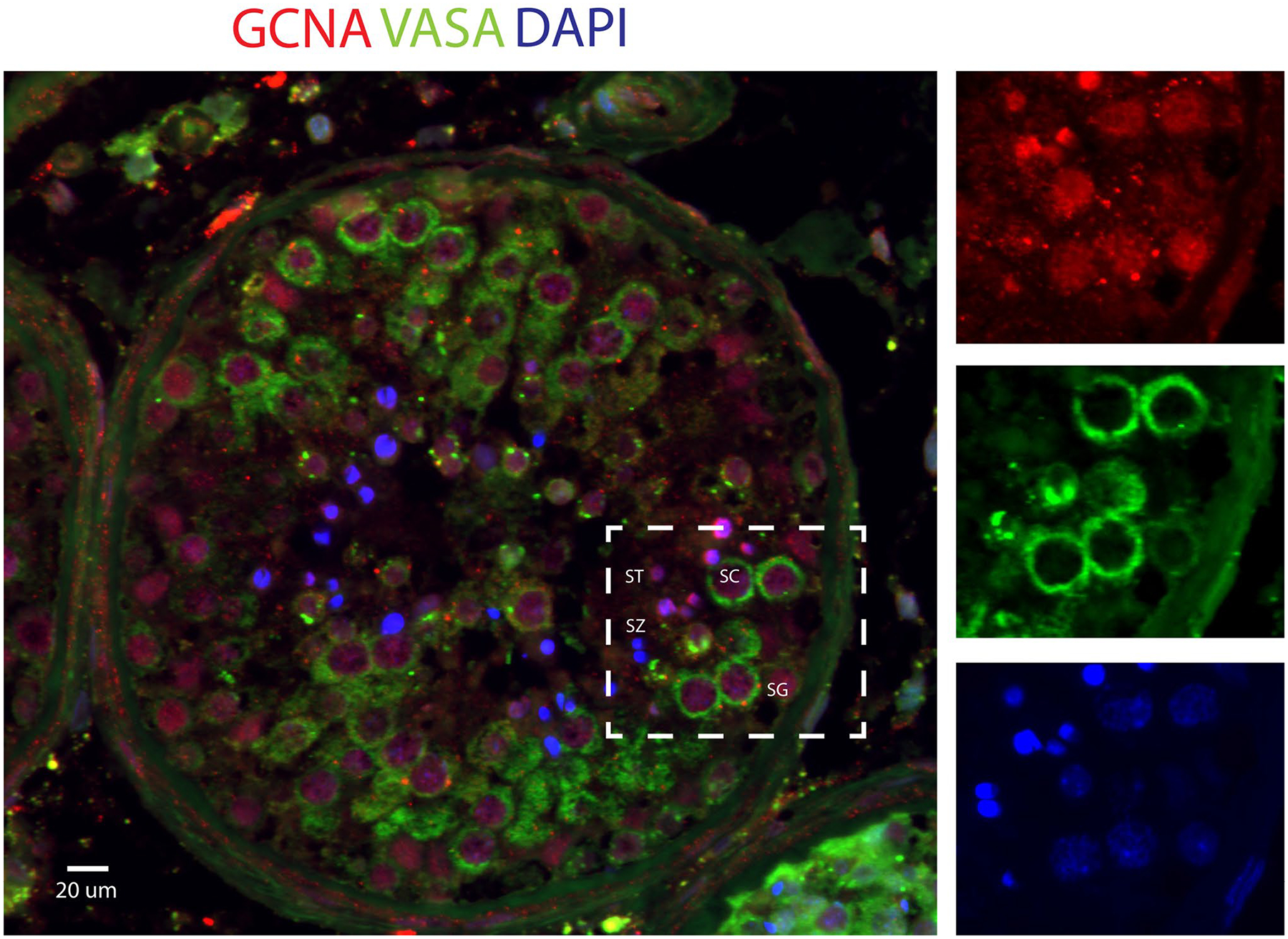
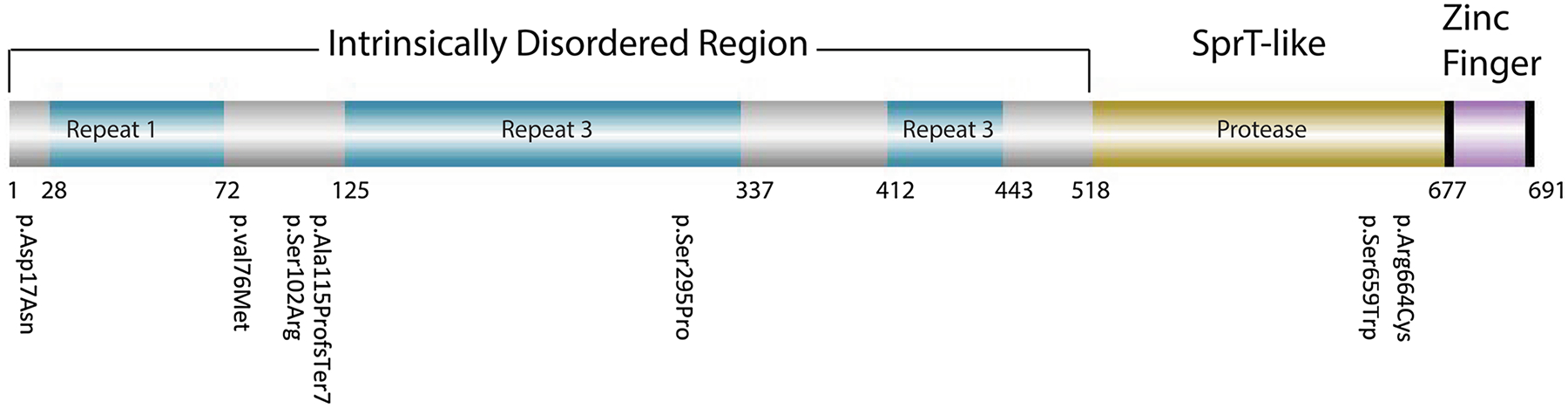
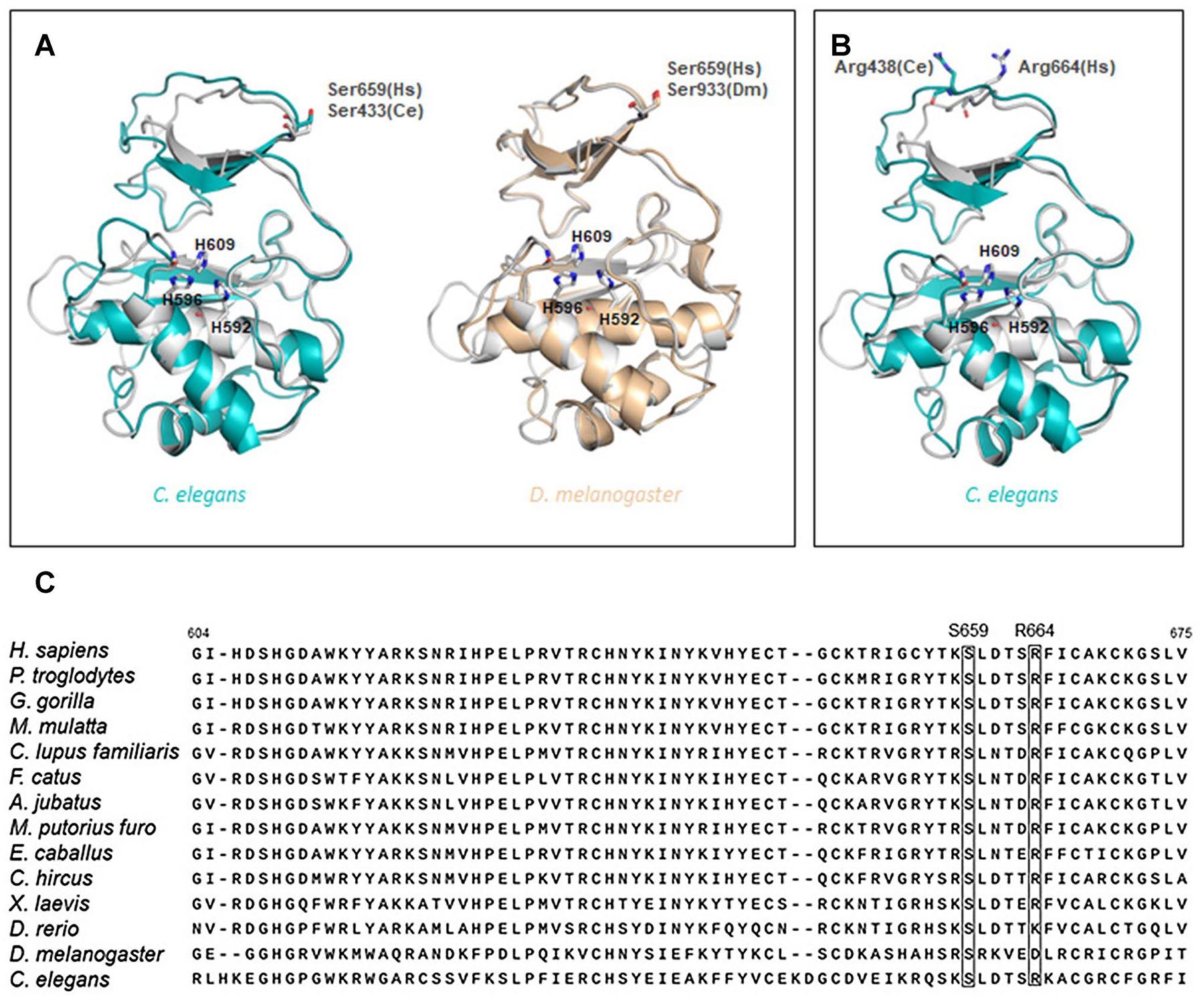
Male infertility impacts millions of couples yet, the etiology of primary infertility remains largely unknown. A critical element of successful spermatogenesis is maintenance of genome integrity. Here, we present a genomic study of spermatogenic failure (SPGF). Our initial analysis (n = 176) did not reveal known gene-candidates but identified a potentially significant single-nucleotide variant (SNV) in X-linked germ-cell nuclear antigen (GCNA). Together with a larger follow-up study (n = 2049), 7 likely clinically relevant GCNA variants were identified. GCNA is critical for genome integrity in male meiosis and knockout models exhibit impaired spermatogenesis and infertility. Single-cell RNA-seq and immunohistochemistry confirm human GCNA expression from spermatogonia to elongated spermatids. Five identified SNVs were located in key functional regions, including N-terminal SUMO-interacting motif and C-terminal Spartan-like protease domain. Notably, variant p.Ala115ProfsTer7 results in an early frameshift, while Spartan-like domain missense variants p.Ser659Trp and p.Arg664Cys change conserved residues, likely affecting 3D structure. For variants within GCNA's intrinsically disordered region, we performed computational modeling for consensus motifs. Two SNVs were predicted to impact the structure of these consensus motifs. All identified variants have an extremely low minor allele frequency in the general population and 6 of 7 were not detected in > 5000 biological fathers. Considering evidence from animal models, germ-cell-specific expression, 3D modeling, and computational predictions for SNVs, we propose that identified GCNA variants disrupt structure and function of the respective protein domains, ultimately arresting germ-cell division. To our knowledge, this is the first study implicating GCNA, a key genome integrity factor, in human male infertility.
男性不育影响了数以百万计的夫妇,但原发性不育的病因在很大程度上仍是未知的。成功的精子发生的一个关键因素是维持基因组的完整性。在这里,我们展示了一个关于精子发生失败(SPGF)的基因组研究。我们的初步分析(n=176)没有发现已知的候选基因,但在 X 连锁的精母细胞核抗原(GCNA)中发现了一个潜在的重要单核苷酸变异(SNV)。结合一项更大的后续研究(n=2049),确定了 7 个可能具有临床意义的 GCNA 变体。GCNA 对减数分裂中男性基因组的完整性至关重要,敲除模型表现出精子发生受损和不育。单细胞 RNA-seq 和免疫组织化学证实了人类 GCNA 从精原细胞到伸长的精子细胞的表达。鉴定出的 5 个 SNV 位于关键功能区域,包括 N 端 SUMO 相互作用基序和 C 端斯巴达样蛋白酶结构域。值得注意的是,变异 p.Ala115ProfsTer7 导致早期移码,而斯巴达样结构域错义变异 p.Ser659Trp 和 p.Arg664Cys 改变保守残基,可能影响 3D 结构。对于 GCNA 无规卷曲区域内的变体,我们对共识基序进行了计算建模。两个 SNV 被预测会影响这些共识基序的结构。在一般人群中,所有鉴定出的变体的次要等位基因频率都极低,7 个变体中有 6 个在超过 5000 个生物父亲中未检测到。考虑到来自动物模型的证据、生殖细胞特异性表达、3D 建模以及对 SNV 的计算预测,我们提出鉴定出的 GCNA 变体破坏了相应蛋白结构域的结构和功能,最终导致生殖细胞分裂停滞。据我们所知,这是第一项将关键的基因组完整性因子 GCNA 与人类男性不育联系起来的研究。