Huang Xiaodong, He Wei, Wang Weiheng, Fan Quanchun, Ye Xiaojian, Wu Zenghui, Lin Chia-Ying
Department of Orthopedics, The Third Affiliated Hospital of Guangzhou Medical University, Guangdong, China.
Department of Orthopaedic Surgery, College of Medicine, University of Cincinnati, Cincinnati, OH, United States.
Front Pharmacol. 2021 Apr 23;12:582309. doi: 10.3389/fphar.2021.582309. eCollection 2021.
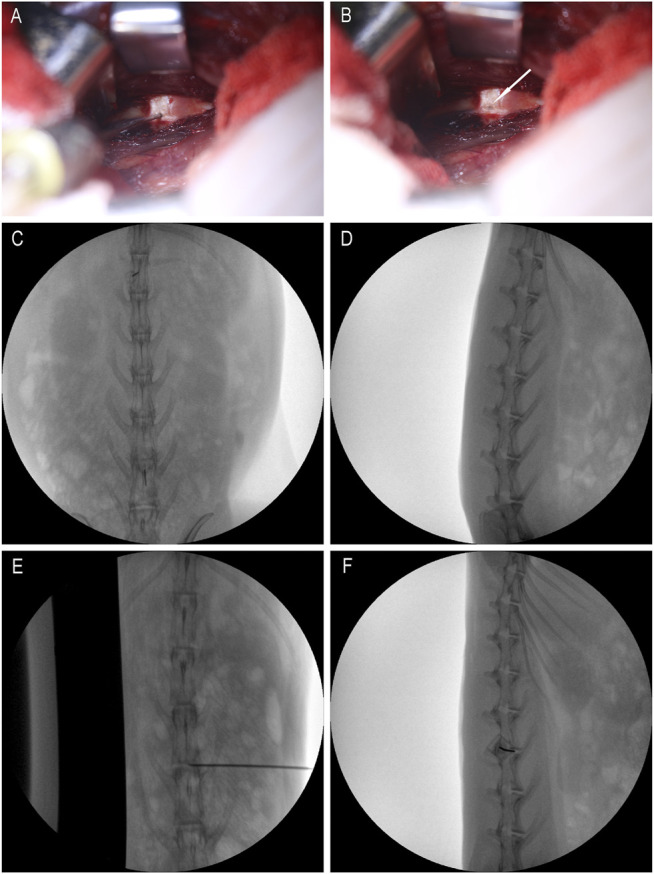
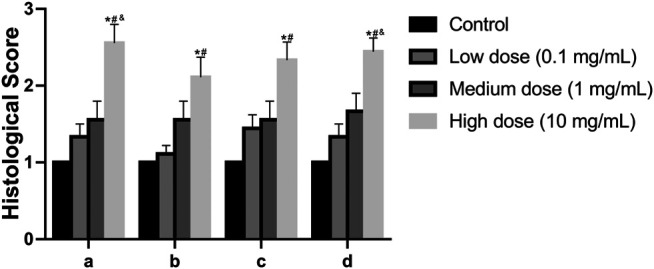
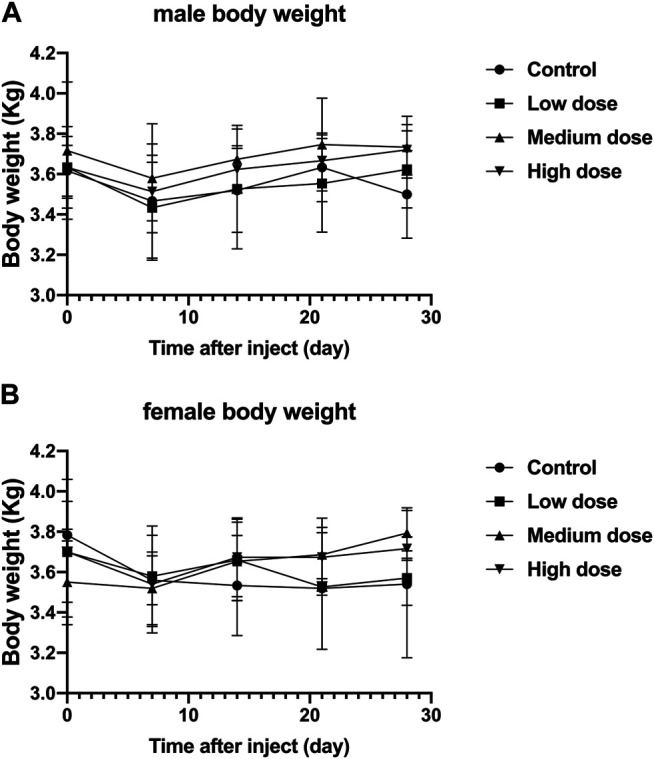
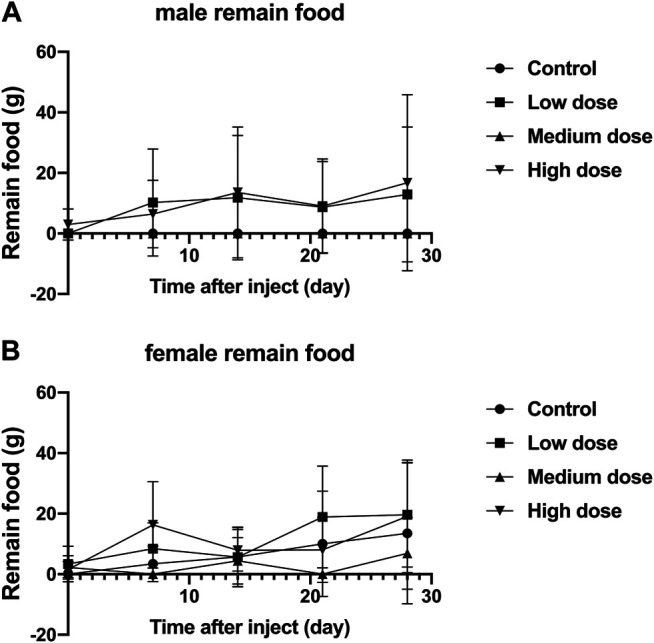
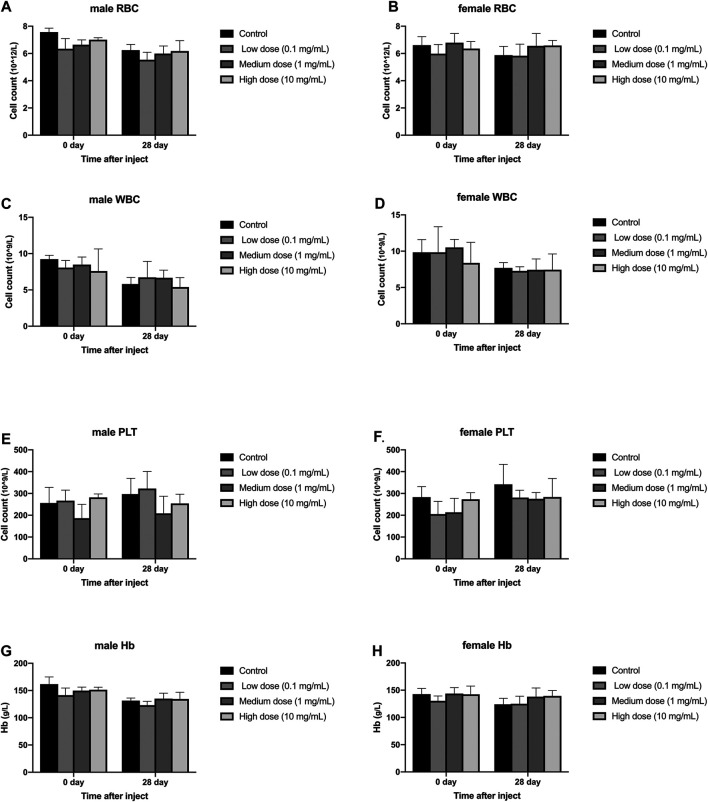
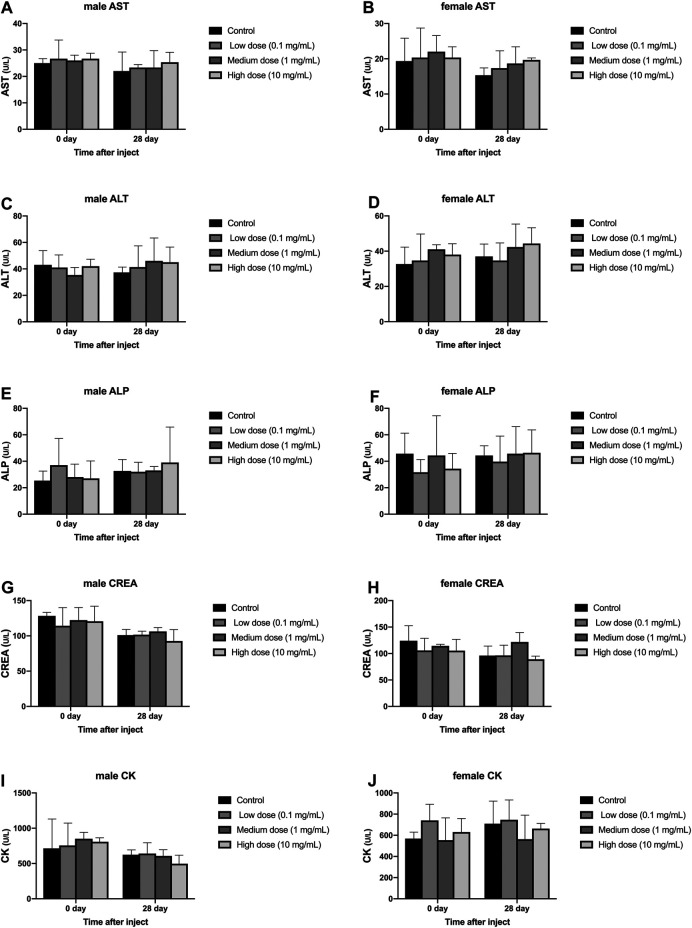
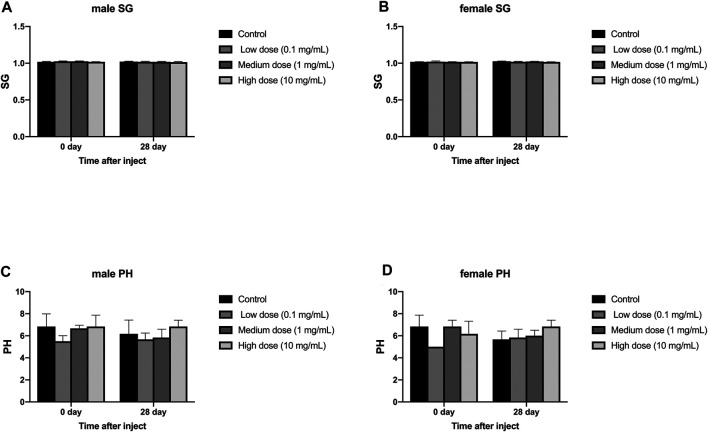
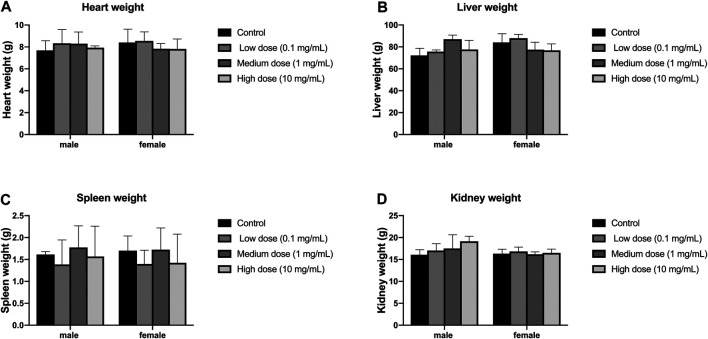
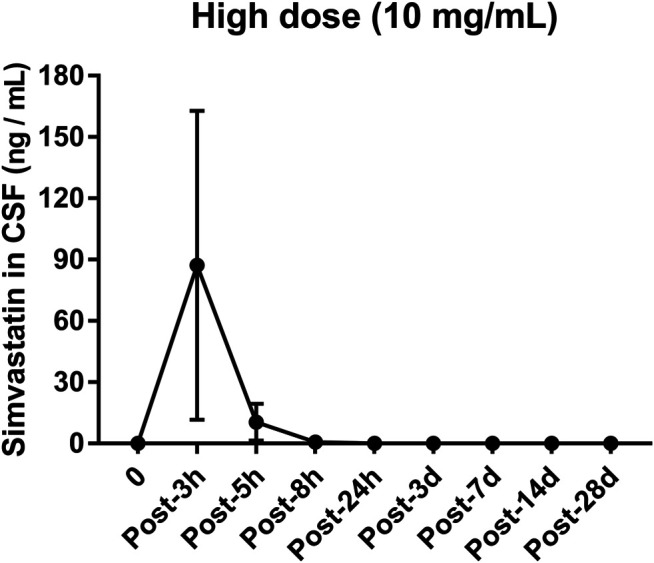
To test the pharmacokinetics and toxicology of whole organs and tissues after intradiscal injection of simvastatin in rabbits. To provide the information needed to support human clinical trials. Twelve male and twelve female rabbits were randomly divided into four groups: control group (0 mg/ml), low dose group (0.1 mg/ml), medium dose group (1 mg/ml) and high dose group (10 mg/ml). Simvastatin at different concentrations of 10 μl was injected into L3/4, L4/5 and L5/6 intervertebral discs in each group. Poly (ethylene glycol) -poly (lactic-co-glycolic acid) -poly (ethylene glycol) (PEG-PLGA-PEG) polymer as the drug carrier. The pharmacokinetics of blood samples were measured by LC-MS/MS. Cerebrospinal fluid was obtained and the drug concentration was measured. Blood routine, blood biochemistry and urine of all animals were analyzed and evaluated. The heart, kidney, liver and spleen of each animal were observed and weighed. The intervertebral disc tissues were stained with hematoxylin and hematoxylin (H&E), and then qualitatively analyzed by optical microscopy. 28 days after intradiscal injection of simvastatin, 28 days after simvastatin intradiscal injection, there was no significant difference between the weight, food residue, blood routine, blood biochemistry, urine routine results and the weight of each organ in the four groups ( > 0.05). The serum concentration of simvastatin is lower than the lowest measurable concentration. The histological score of the intervertebral disc in the high-dose group was significantly higher than that in the other three groups at 28 days ( < 0.05). Three doses of simvastatin were injected into male and female animals respectively, showing no toxic effects. Microscopic histological evaluation of the intervertebral disc showed that the high dose group (10 mg/ml) had damage to the intervertebral disc tissue.
为测试兔椎间盘内注射辛伐他汀后全器官和组织的药代动力学及毒理学。以提供支持人体临床试验所需的信息。将12只雄性和12只雌性兔随机分为四组:对照组(0毫克/毫升)、低剂量组(0.1毫克/毫升)、中剂量组(1毫克/毫升)和高剂量组(10毫克/毫升)。将不同浓度10微升的辛伐他汀注入每组的L3/4、L4/5和L5/6椎间盘。聚(乙二醇)-聚(乳酸-乙醇酸)-聚(乙二醇)(PEG-PLGA-PEG)聚合物作为药物载体。通过液相色谱-串联质谱法测定血样的药代动力学。获取脑脊液并测量药物浓度。对所有动物的血常规、血液生化和尿液进行分析和评估。观察并称量每只动物的心脏、肾脏、肝脏和脾脏。椎间盘组织用苏木精和伊红(H&E)染色,然后通过光学显微镜进行定性分析。在椎间盘内注射辛伐他汀28天后,四组在体重、食物残渣、血常规、血液生化、尿常规结果及各器官重量方面均无显著差异(>0.05)。辛伐他汀的血清浓度低于最低可测浓度。高剂量组在28天时椎间盘的组织学评分显著高于其他三组(<0.05)。分别对雄性和雌性动物注射三种剂量的辛伐他汀,均未显示出毒性作用。椎间盘的微观组织学评估显示高剂量组(10毫克/毫升)的椎间盘组织有损伤。