Luo Wen, Jia Li, Zhang Jia-Wen, Wang Dong-Jie, Ren Qiu, Zhang Wei
Respiratory Department, National Clinical Research Center for Infectious Disease, Shenzhen Third People's Hospital, The Second Affiliated Hospital, School of Medicine, Southern University of Science and Technology, Shenzhen, China.
Department of Respiratory and Critical Care, First Affiliated Hospital, Harbin Medical University, Harbin, China.
Front Pharmacol. 2021 Apr 21;12:596652. doi: 10.3389/fphar.2021.596652. eCollection 2021.
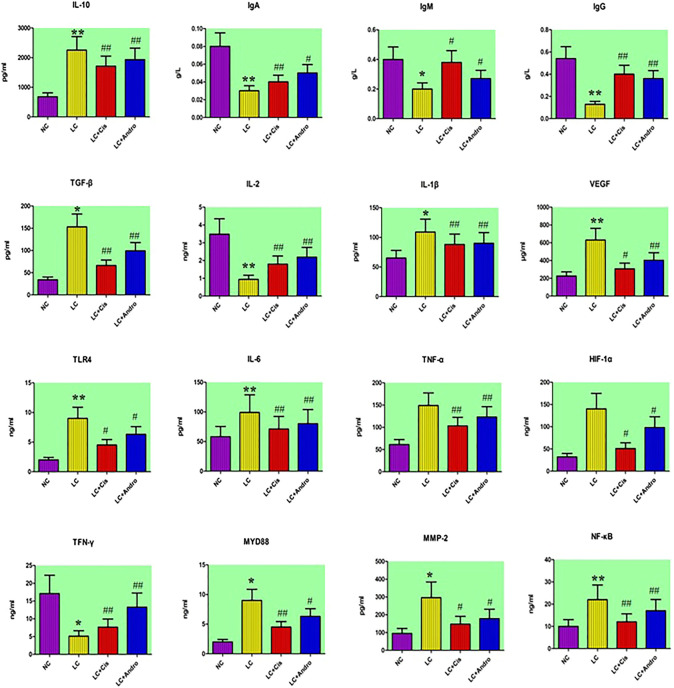
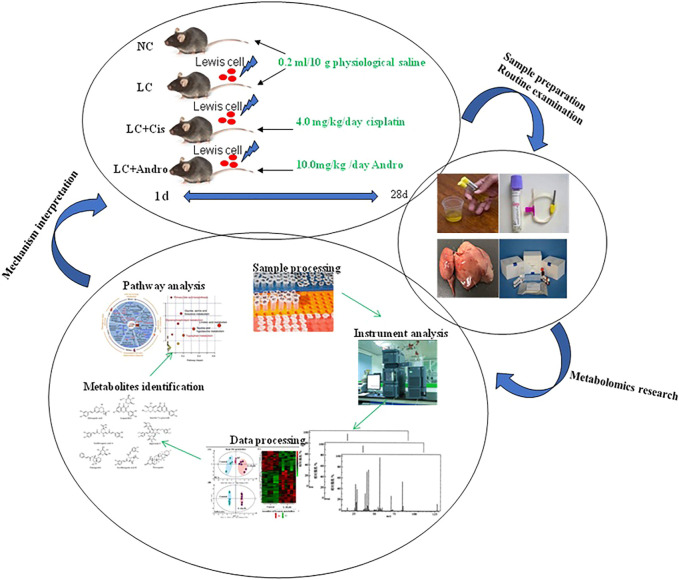
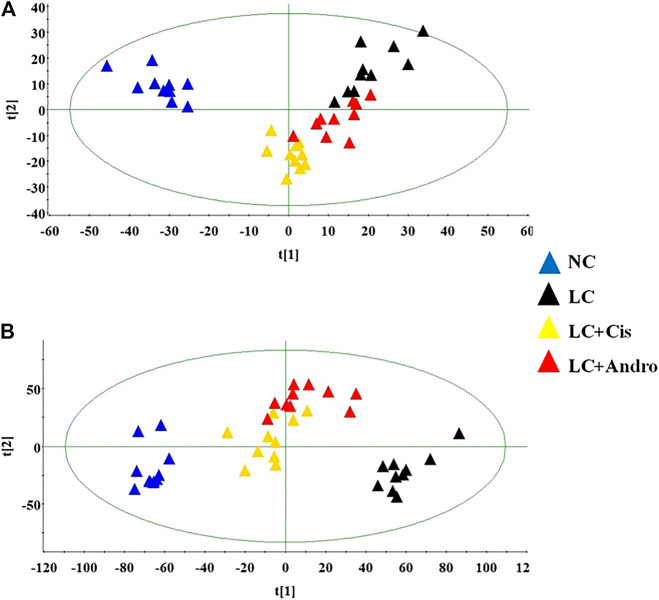
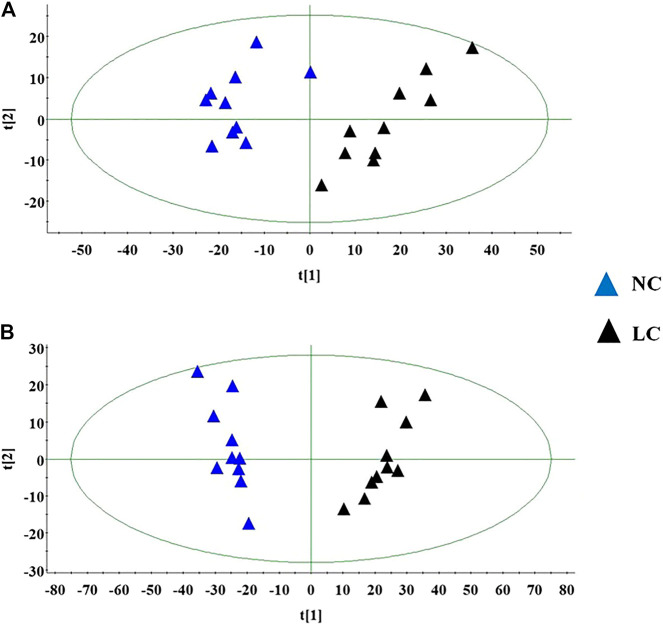
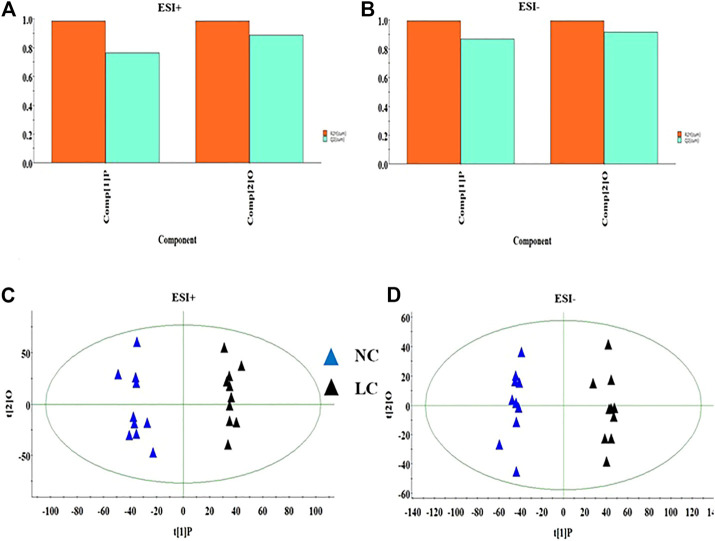
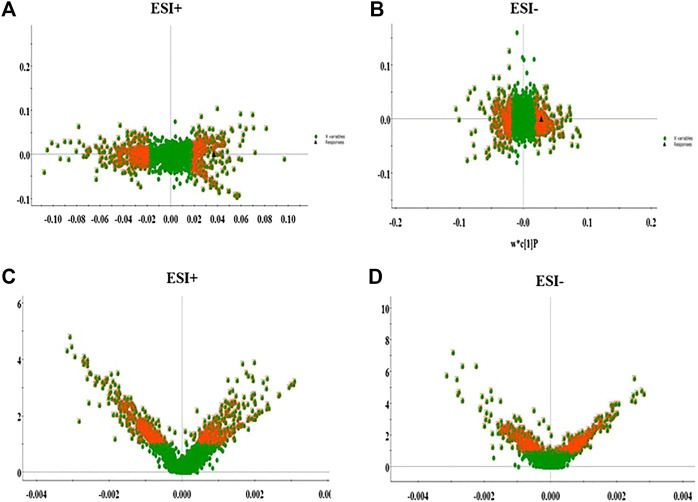
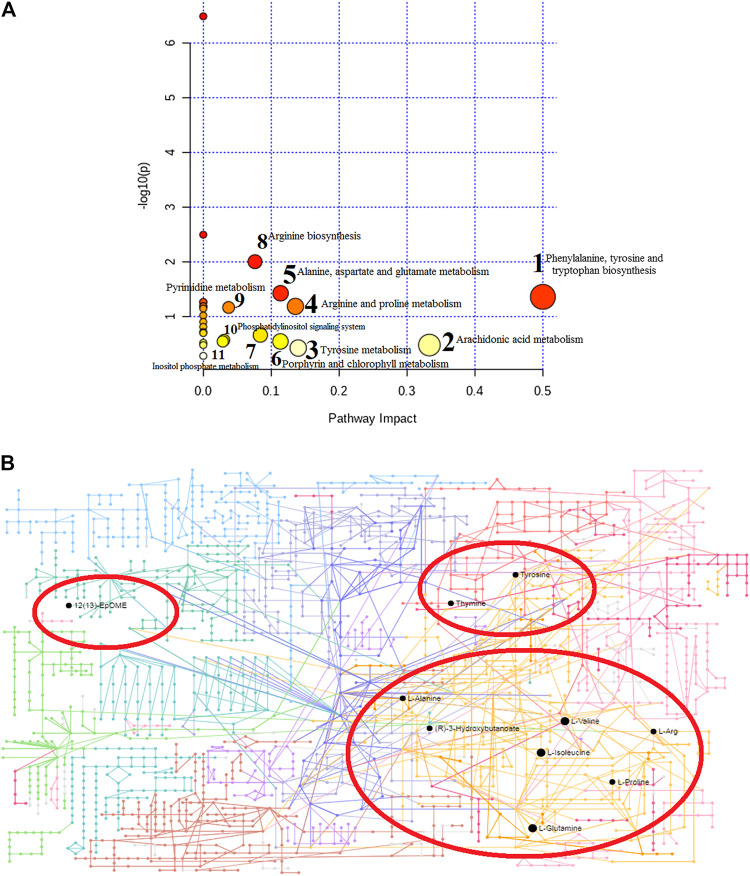
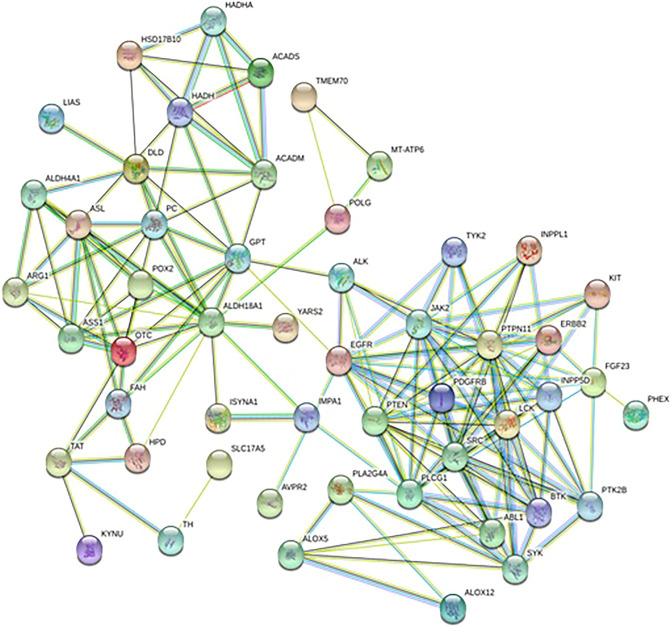
Andrographolide (Andro) has known to treat various illnesses such as colds, diarrhea, fever and infectious diseases. However, the effect mechanism of Andro is still unclear. Therefore, we used high-throughput metabolomics analysis to discover biomarkers, metabolic profiles and pathways to reveal the pharmacological action and effective mechanism of Andro against lung cancer. The metabolic effects of Andro on lung cancer animal was explored by ultra-performance liquid chromatography-triple-time of flight/mass spectrometry (UPLC-TOF/MS) analysis. Our results showed that Andro exhibited significant protective effects against lung cancer. Compared with control group, a total of 25 metabolites biomarkers was identified in urine of model animals, which 18 of them were regulated toward the normal direction after Andro treatment, and network pharmacology analysis showed that they were related with 570 proteins. Biological pathways analysis showed that the 11 metabolism pathways were regulated by Andro treatment in lung cancer mouse, and amino acid metabolism and arachidonic acid metabolism have great potential as target pathways for Andro against lung cancer. It revealed that high-throughput metabolomics combined with network pharmacology analysis provides deeply insight into the therapeutic mechanisms of natural product for promoting medicine development and disease treatment.
穿心莲内酯(Andro)已知可治疗多种疾病,如感冒、腹泻、发烧和传染病。然而,穿心莲内酯的作用机制仍不清楚。因此,我们使用高通量代谢组学分析来发现生物标志物、代谢谱和途径,以揭示穿心莲内酯对肺癌的药理作用和作用机制。通过超高效液相色谱-飞行时间串联质谱(UPLC-TOF/MS)分析探讨穿心莲内酯对肺癌动物的代谢影响。我们的结果表明,穿心莲内酯对肺癌具有显著的保护作用。与对照组相比,在模型动物尿液中总共鉴定出25种代谢物生物标志物,其中18种在穿心莲内酯治疗后朝着正常方向调节,网络药理学分析表明它们与570种蛋白质相关。生物途径分析表明,穿心莲内酯处理可调节肺癌小鼠中的11条代谢途径,氨基酸代谢和花生四烯酸代谢作为穿心莲内酯抗肺癌的靶途径具有很大潜力。结果表明,高通量代谢组学与网络药理学分析相结合,为深入了解天然产物的治疗机制以促进药物开发和疾病治疗提供了思路。