Kanimozhi G, Pradhapsingh B, Singh Pawar Charan, Khan Haseeb A, Alrokayan Salman H, Prasad N Rajendra
Department of Biochemistry, Dharmapuram Gnanambigai Government Arts College for Women, Mayiladuthurai, India.
Department of Biochemistry and Biotechnology, Annamalai University, Annamalainagar, India.
Front Pharmacol. 2021 Apr 22;12:638334. doi: 10.3389/fphar.2021.638334. eCollection 2021.
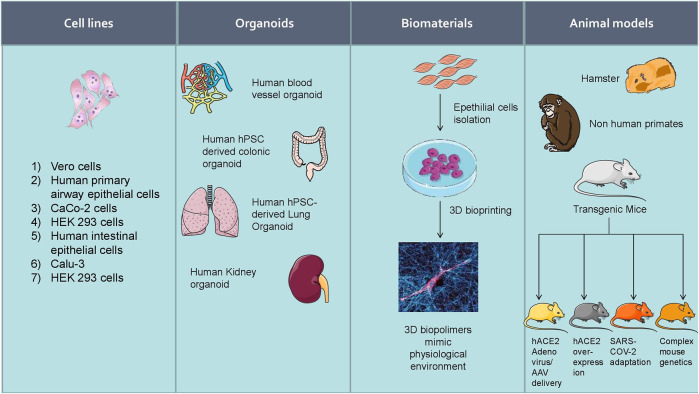
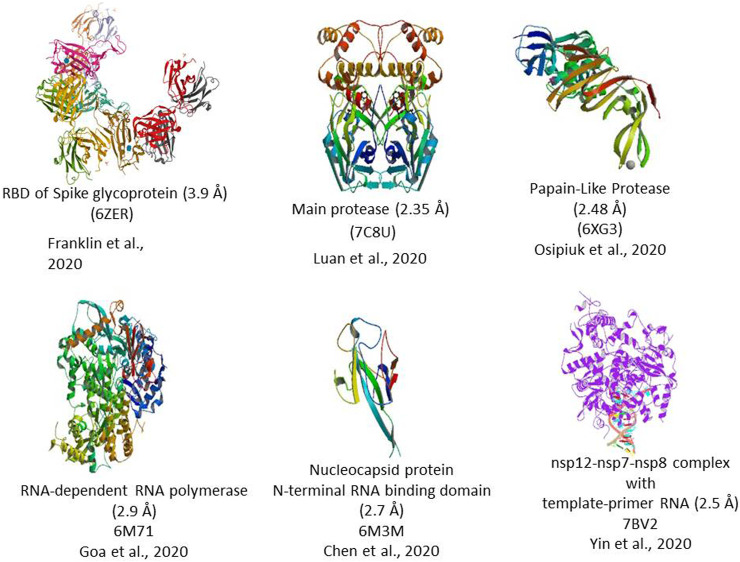
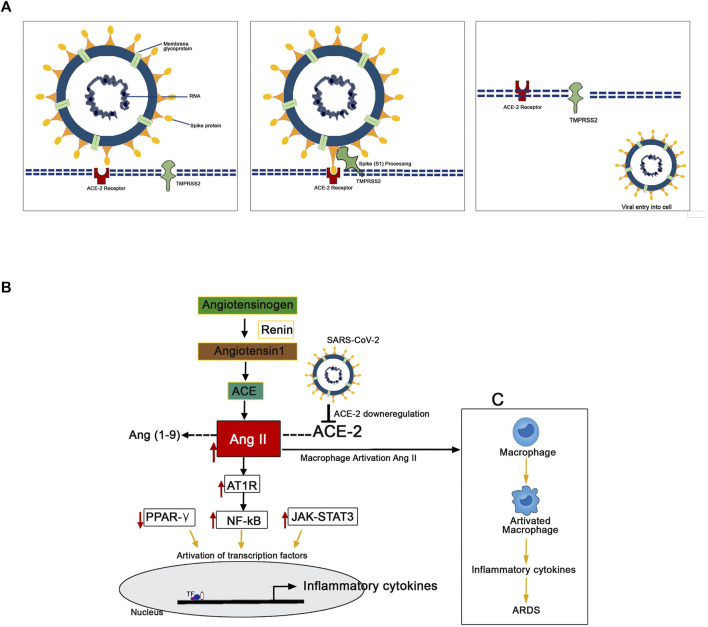
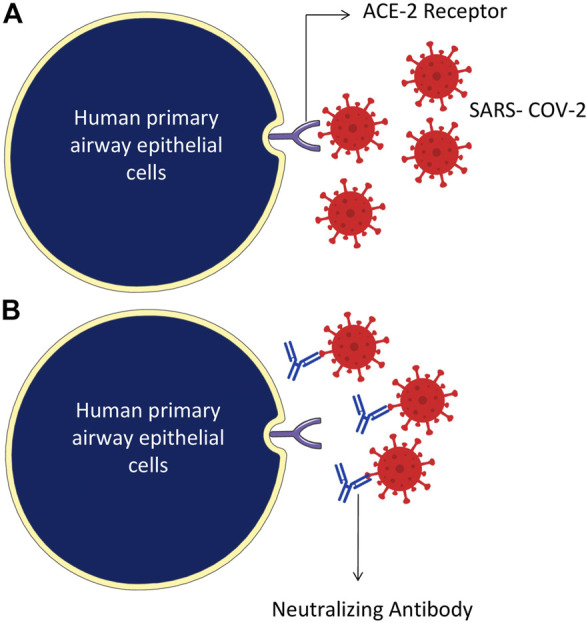
The severe acute respiratory syndrome coronavirus 2 (SARS-CoV-2) is a recent pandemic outbreak threatening human beings worldwide. This novel coronavirus disease-19 (COVID-19) infection causes severe morbidity and mortality and rapidly spreading across the countries. Therefore, there is an urgent need for basic fundamental research to understand the pathogenesis and druggable molecular targets of SARS-CoV-2. Recent sequencing data of the viral genome and X-ray crystallographic data of the viral proteins illustrate potential molecular targets that need to be investigated for structure-based drug design. Further, the SARS-CoV-2 viral pathogen isolated from clinical samples needs to be cultivated and titrated. All of these scenarios demand suitable laboratory experimental models. The experimental models should mimic the viral life cycle as it happens in the human lung epithelial cells. Recently, researchers employing primary human lung epithelial cells, intestinal epithelial cells, experimental cell lines like Vero cells, CaCo-2 cells, HEK-293, H1299, Calu-3 for understanding viral titer values. The human iPSC-derived lung organoids, small intestinal organoids, and blood vessel organoids increase interest among researchers to understand SARS-CoV-2 biology and treatment outcome. The SARS-CoV-2 enters the human lung epithelial cells using viral Spike (S1) protein and human angiotensin-converting enzyme 2 (ACE-2) receptor. The laboratory mouse show poor ACE-2 expression and thereby inefficient SARS-CoV-2 infection. Therefore, there was an urgent need to develop transgenic hACE-2 mouse models to understand antiviral agents' therapeutic outcomes. This review highlighted the viral pathogenesis, potential druggable molecular targets, and suitable experimental models for basic fundamental research.
严重急性呼吸综合征冠状病毒2(SARS-CoV-2)是近期在全球范围内威胁人类的大流行病暴发源。这种新型冠状病毒病19(COVID-19)感染会导致严重的发病和死亡,并在各国迅速传播。因此,迫切需要开展基础研究以了解SARS-CoV-2的发病机制和可成药分子靶点。近期的病毒基因组测序数据和病毒蛋白的X射线晶体学数据表明了一些潜在的分子靶点,需要针对这些靶点开展基于结构的药物设计研究。此外,需要对从临床样本中分离出的SARS-CoV-2病毒病原体进行培养和滴定。所有这些情况都需要合适的实验室实验模型。实验模型应模拟病毒在人肺上皮细胞中的生命周期。最近,研究人员利用原代人肺上皮细胞、肠上皮细胞以及Vero细胞、CaCo-2细胞、HEK-293、H1299、Calu-3等实验细胞系来了解病毒滴度值。人诱导多能干细胞衍生的肺类器官、小肠类器官和血管类器官引起了研究人员对了解SARS-CoV-2生物学特性和治疗效果的兴趣。SARS-CoV-2利用病毒刺突(S1)蛋白和人血管紧张素转换酶2(ACE-2)受体进入人肺上皮细胞。实验室小鼠的ACE-2表达水平较低,因此SARS-CoV-2感染效率不高。因此,迫切需要开发转基因hACE-2小鼠模型来了解抗病毒药物的治疗效果。本综述重点介绍了病毒发病机制、潜在的可成药分子靶点以及适用于基础研究的实验模型。