Institute for Medical Microbiology, Immunology and Hygiene, Technical University of Munich (TUM), Munich, Germany.
Department of Parasitology, Bangladesh Agricultural University, Mymensingh, Bangladesh.
Front Immunol. 2021 Apr 23;12:635622. doi: 10.3389/fimmu.2021.635622. eCollection 2021.
Schistosomiasis is a neglected tropical disease (NTD) caused by blood-dwelling flatworms which develop from skin-penetrating cercariae, the freely swimming water-borne infective stage of , into adult worms. This natural course of infection can be mimicked in experimental mouse models of schistosomiasis. However, only a maximum of 20-30% of penetrated cercariae mature into fecund adults. The reasons for this are unknown but could potentially involve soluble factors of the innate immune system, such as complement factors and preexisting, natural antibodies.
Using our recently developed novel serum- and cell-free culture system for newly transformed schistosomula (NTS), which supports long-term larval survival, we investigated the effects of mouse serum and its major soluble complement factors C1q, C3, C4 as well as preexisting, natural IgM and assessed worm development by infecting complement and soluble (s)IgM-deficient animals.
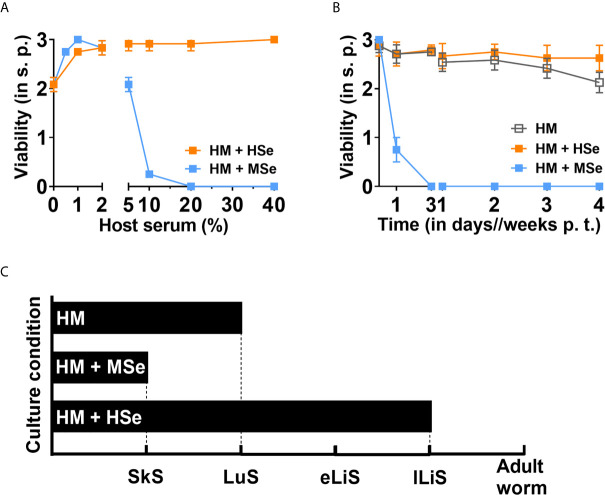
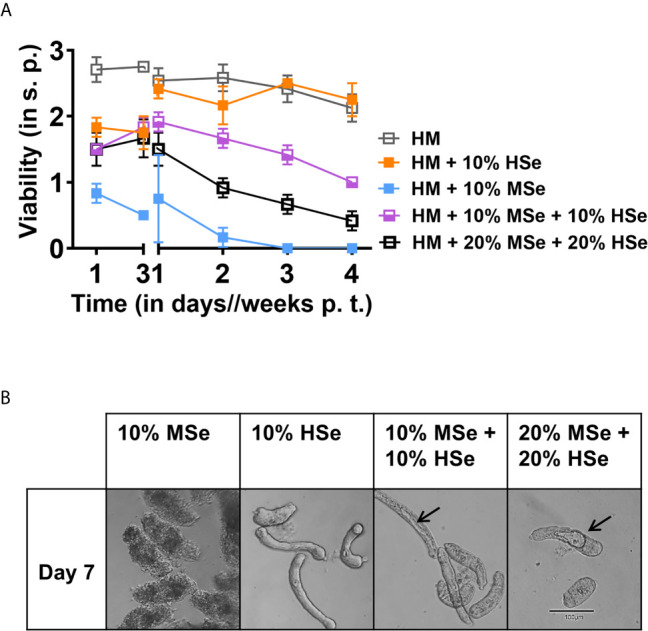
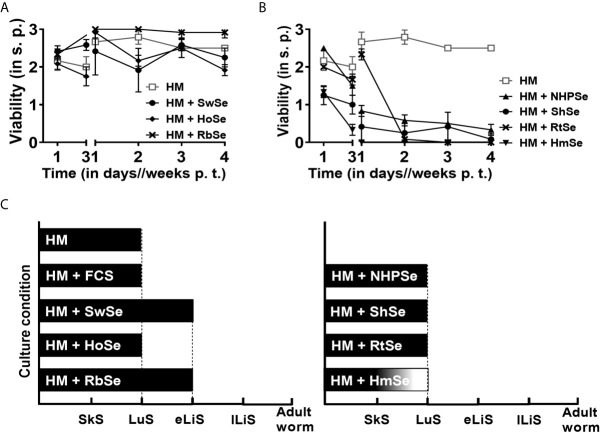
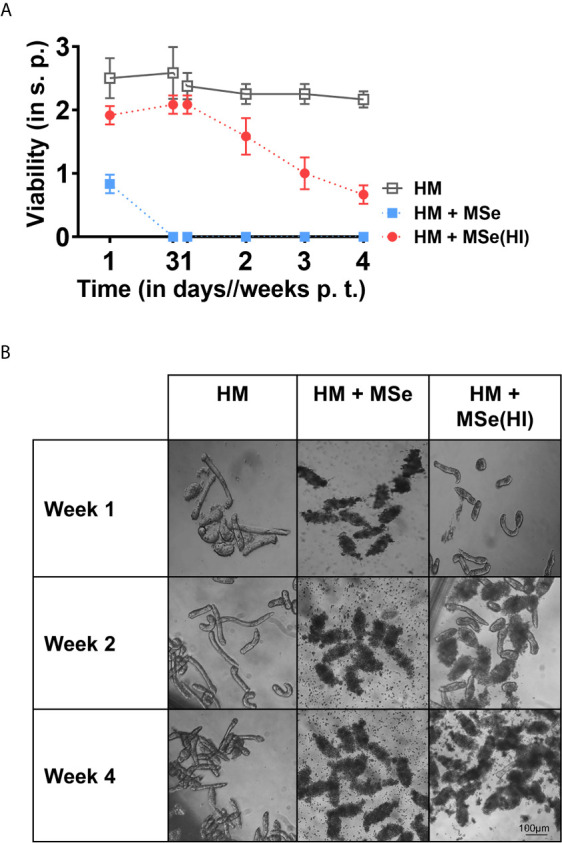
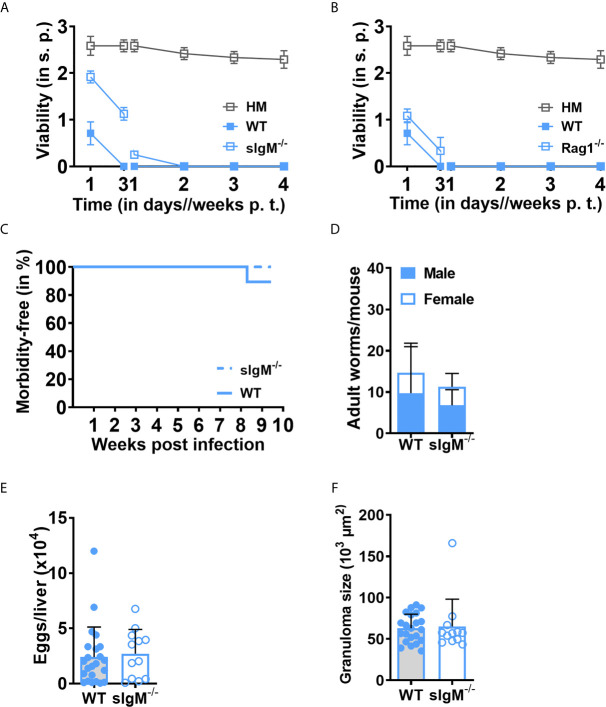
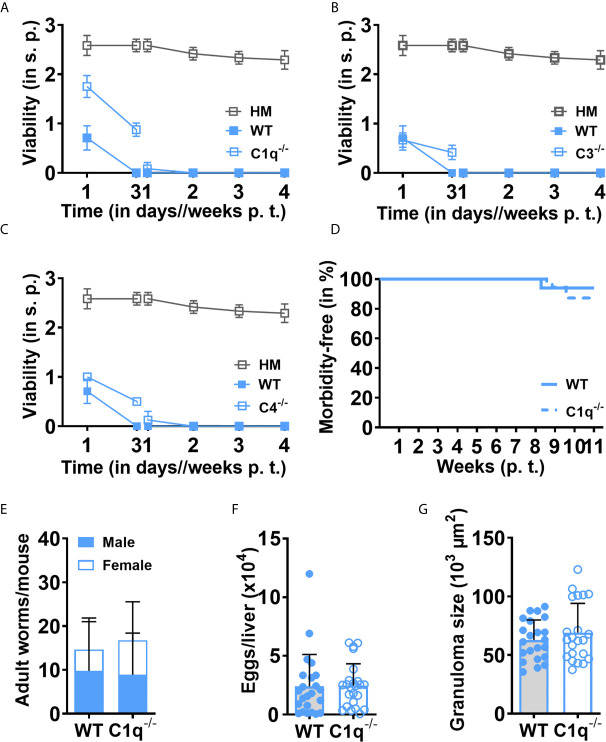
In contrast to sera from humans and a broad variety of mammalian species, serum from mice, surprisingly, killed parasites already at skin stage . Interestingly, the most efficient killing component(s) were heat-labile but did not include important members of the perhaps best known family of heat-labile serum factors, the complement system, nor consisted of complement-activating natural immunoglobulins. Infection of complement C1q and sIgM-deficient mice with as well as tests with sera from mice deficient in C3 and C4 revealed no major role for these soluble factors in regard to parasite maturation, fecundity and associated immunopathology. Rather, the reduction of parasite maturation from cercariae to adult worms was comparable to wild-type mice.
This study reveals that not yet identified heat-labile serum factors are major selective determinants of the host-specificity of schistosomiasis, by directly controlling schistosomal development and survival.
血吸虫病是一种被忽视的热带病(NTD),由寄生在血液中的扁形动物引起,这些扁形动物由穿透皮肤的尾蚴发育而来,尾蚴是自由游动的水生感染阶段,进入成虫。这种自然感染过程可以在血吸虫病的实验小鼠模型中模拟。然而,只有最多 20-30%的穿透尾蚴成熟为有繁殖力的成虫。原因尚不清楚,但可能涉及固有免疫系统的可溶性因素,如补体因子和预先存在的天然抗体。
我们最近开发了一种新的血清和无细胞新型血吸虫幼虫(NTS)培养系统,该系统支持幼虫的长期存活,我们研究了小鼠血清及其主要可溶性补体因子 C1q、C3、C4 以及预先存在的天然 IgM 的作用,并通过感染补体和可溶性(s)IgM 缺陷动物来评估蠕虫发育。
与来自人类和多种哺乳动物物种的血清不同,来自小鼠的血清令人惊讶地在皮肤阶段就杀死了寄生虫。有趣的是,最有效的杀伤成分是热不稳定的,但不包括也许是最著名的热不稳定血清因子家族——补体系统的重要成员,也不包括补体激活的天然免疫球蛋白。用 感染补体 C1q 和 sIgM 缺陷小鼠以及用缺乏 C3 和 C4 的小鼠血清进行的 测试表明,这些可溶性因子在寄生虫成熟、生殖力和相关免疫病理学方面没有主要作用。相反,从尾蚴到成虫的寄生虫成熟减少与野生型小鼠相当。
这项研究表明,尚未确定的热不稳定血清因子是血吸虫病宿主特异性的主要选择性决定因素,通过直接控制血吸虫的发育和存活。